
The cycling culture in Guatemala is on the rise, moving beyond simple utility and evolving into a lifestyle of leisure and fun. Cycling groups, the growing popularity of mountain biking, and an increasing interest in vintage bicycles—trends we’ve long seen in the United States—are now taking root and gaining momentum in Guatemala. Riding that wave for more than 20 years, Masa Crítica Guatemala has been at the forefront of the country’s cycling movement.
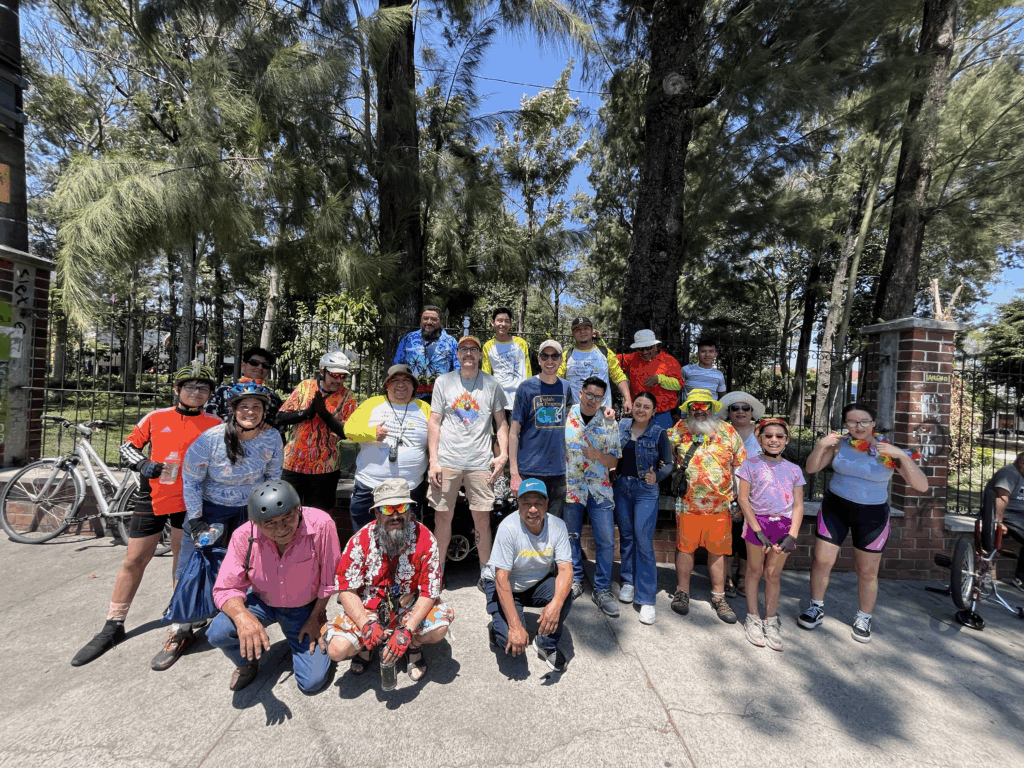
During our recent visit to our partner program FIDESMA, Pedals for Progress had the opportunity to join a group ride organized by Masa Crítica. FIDESMA and Masa Crítica have worked closely together, co-sponsoring group rides, cycling expos, and other events throughout Guatemala City. FIDESMA has supported the group through bicycle repair services, rentals, and sales, all of which help advance Masa Crítica’s mission of expanding the cycling community across the city and country.
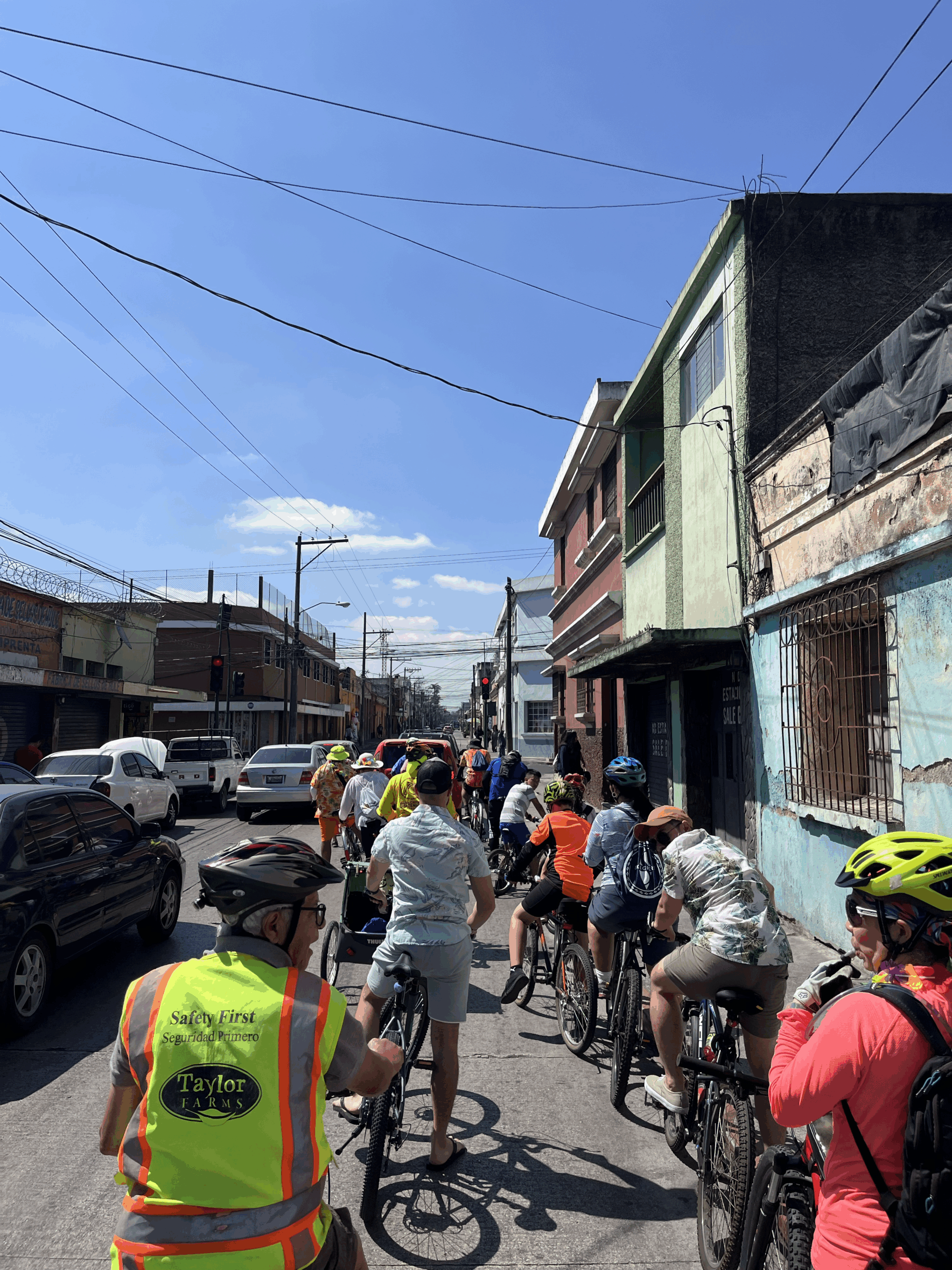 Masa Crítica has become a strong voice for cyclists in Guatemala City. “Critical Mass” group rides first started in the 1990s and have popped up worldwide ever since. In Guatemala City, the movement began in 2005, and its timing couldn’t have been better. In a city where crime rates are among the highest in the country, strength in numbers offers a safer way to ride. One participant told us they had once been held at gunpoint while cycling alone, but now feels much safer riding with a large group.
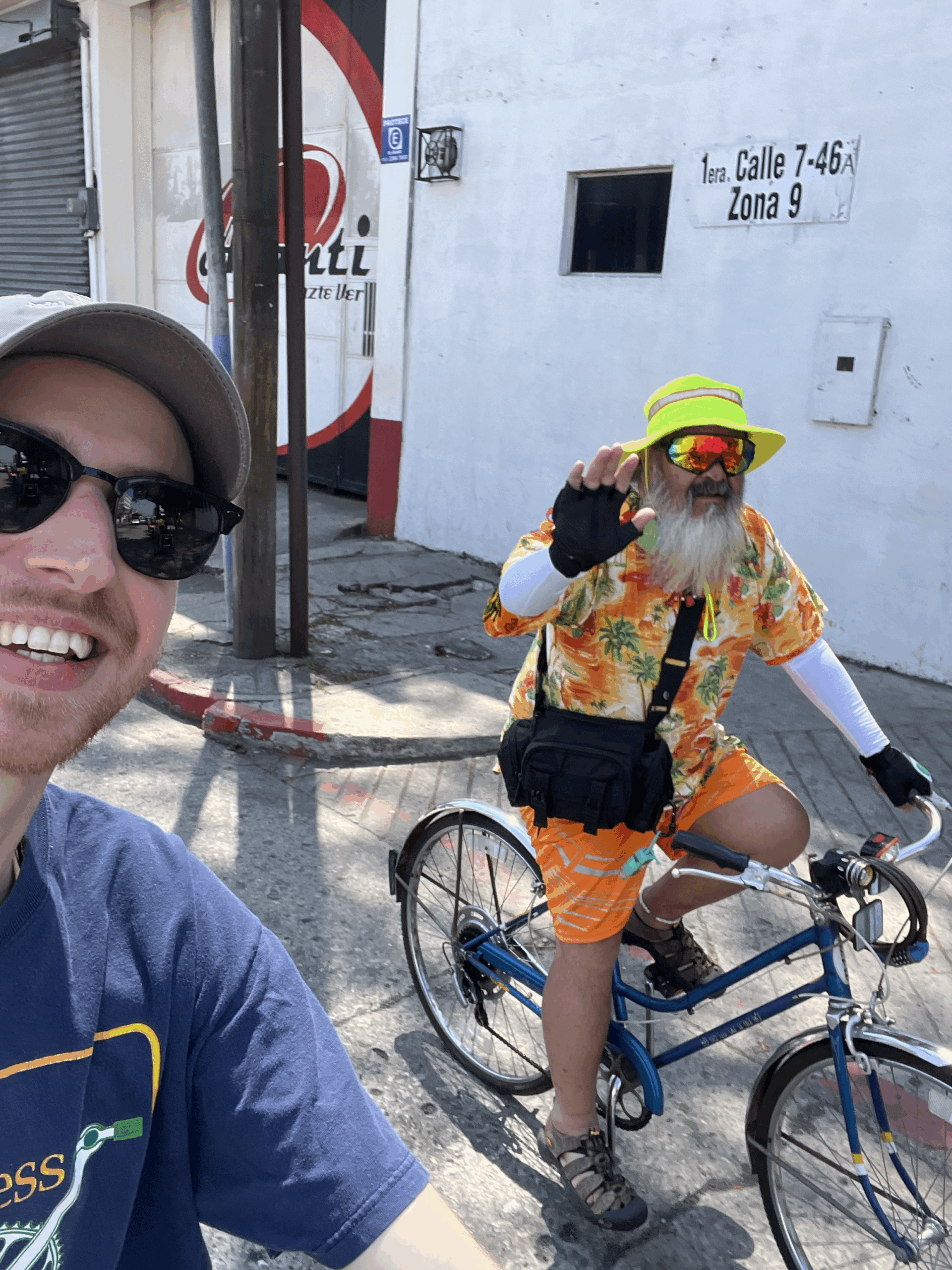 Beyond safety, these group rides are simply fun. Riders of all ages and backgrounds show up to enjoy the ride. Themed rides are especially popular. On the day we joined, the group was decked out in Hawaiian shirts and vintage bikes, celebrating an upcoming vintage bike expo. Riders proudly showcased classic bicycles, many restored and modified by the talented Julián Méndez (in Spanish). The passion for cycling was unmistakable.
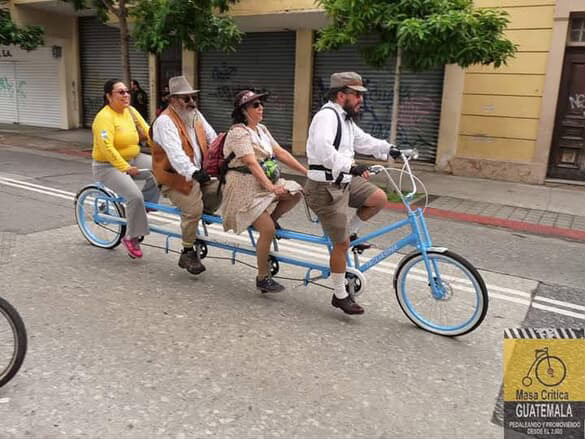 Traffic conditions in Guatemala City are also notoriously intense. Drivers often engage in a dog-eat-dog mentality, and traffic laws are merely a suggestion. But again, safety in numbers prevails. Group rides can stop traffic at intersections, giving cyclists safe passage where they’d otherwise be vulnerable. Guides equipped with high-visibility vests and whistles help the group stay organized and secure as they navigate the streets.
Seeing progress in the U.S., like new bicycle-passing law in New Jersey, is a promising reminder that similar protections can take hold in Guatemala. Cycling is becoming more popular, and we’re excited to help keep it growing around the world.