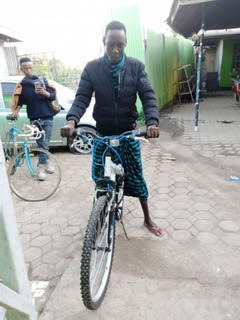
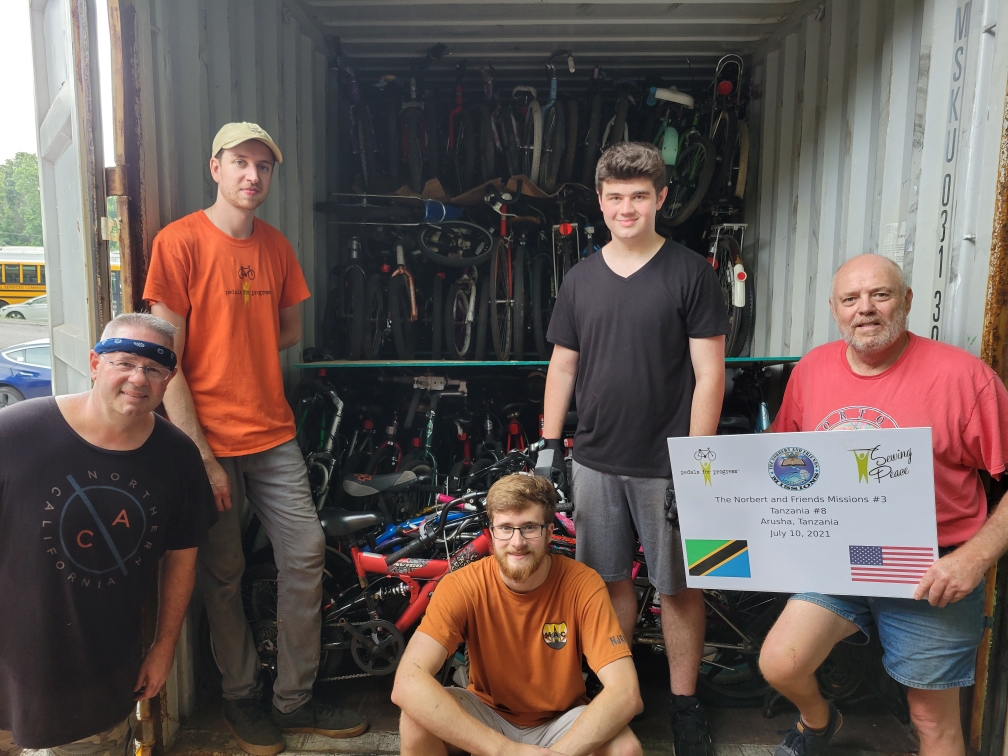
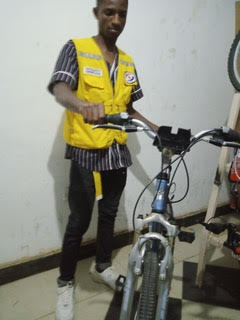
My name is David. I am from Njiro Arusha Tanzania. I am so thankful to God for getting a bicycle for exercise and also as a tool to enable me to ever be in my workplace. Congratulations to the P4P Project under The Norbert and Friends Missions for the excellent work you are doing to help us young people by providing work tools such as bicycles so that we can build a body and use a bicycle as a means of transportation.
From Mrs Johari:
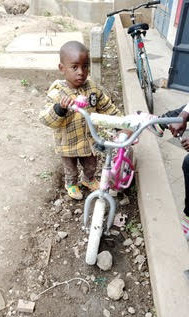
My son loves cycling and has now been crying for P4P bikes for him to exercise. I wish I could continue to pay a little more so that my son can exercise using this bike, which is his size.
From Raphael:
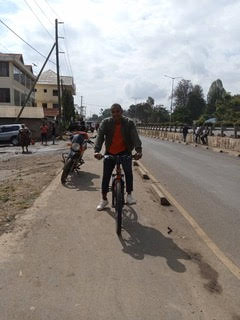
My name is Rafael. During this corona period I was lucky enough to get a bicycle from the P4P Center under The Norbert and Friends Missions in Arusha. The bike has helped me get to work on time but most of all my health has improved and I am currently not having trouble breathing. My chest feels strong.
From Norbert:
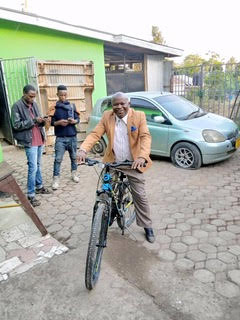
My name is Dr Norbert Mbwiliza. I am the founder of The Norbert and Friends Missions. I have been fortunate to be among the project beneficiaries who have received a practice bike from the P4P Project. Fortunately I have found a bicycle with which we are encouraged to exercise in Tanzania as part of the fight against Covid-19. As you can see, my health is improving thanks to the exercise I get by cycling. I thank my friend David and the entire P4P team for your great support, which has helped us earn an income by selling bicycles and sewing machines. Through your support the incomes of Tanzanians are strengthened.
“Freedom and Unity” is the motto of the great State of Vermont. Much of what we do at Pedals for Progress is based on this exact principle. Our goal is to send used bicycles and sewing machines to motivated people in the developing world in the hopes that they can have the freedom to get to where they need to be, creating a better life for themselves. This goal requires a great amount of unity here in the United States. We cannot do what we do without the help from hundreds of dedicated people throughout the country. The Green Mountain Returned Peace Corps Volunteers (GMRPCVs) of Vermont are some of our most productive domestic partners. Every year for 22 years they’ve sent bikes and sewing machines from 300 miles away.
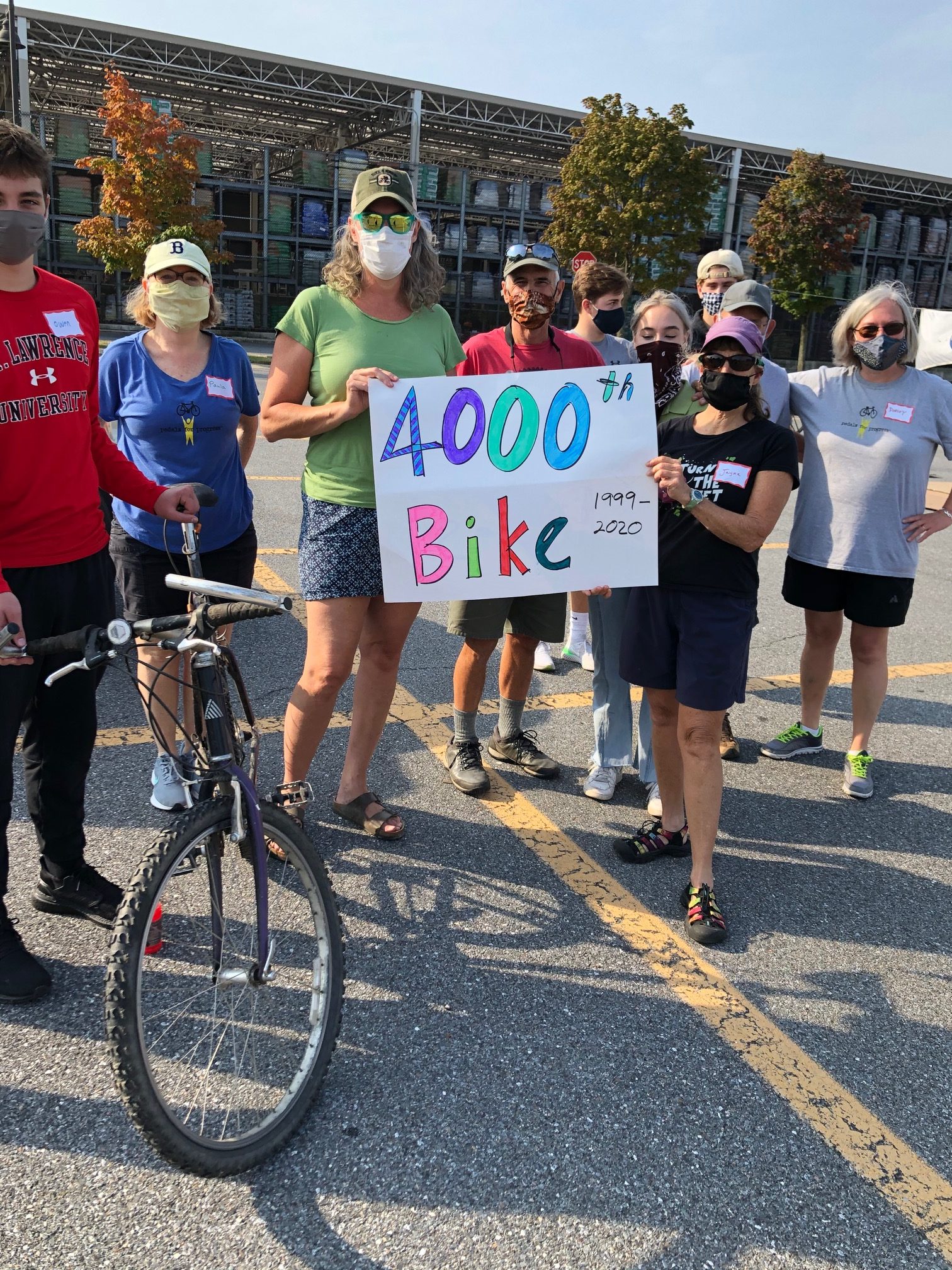
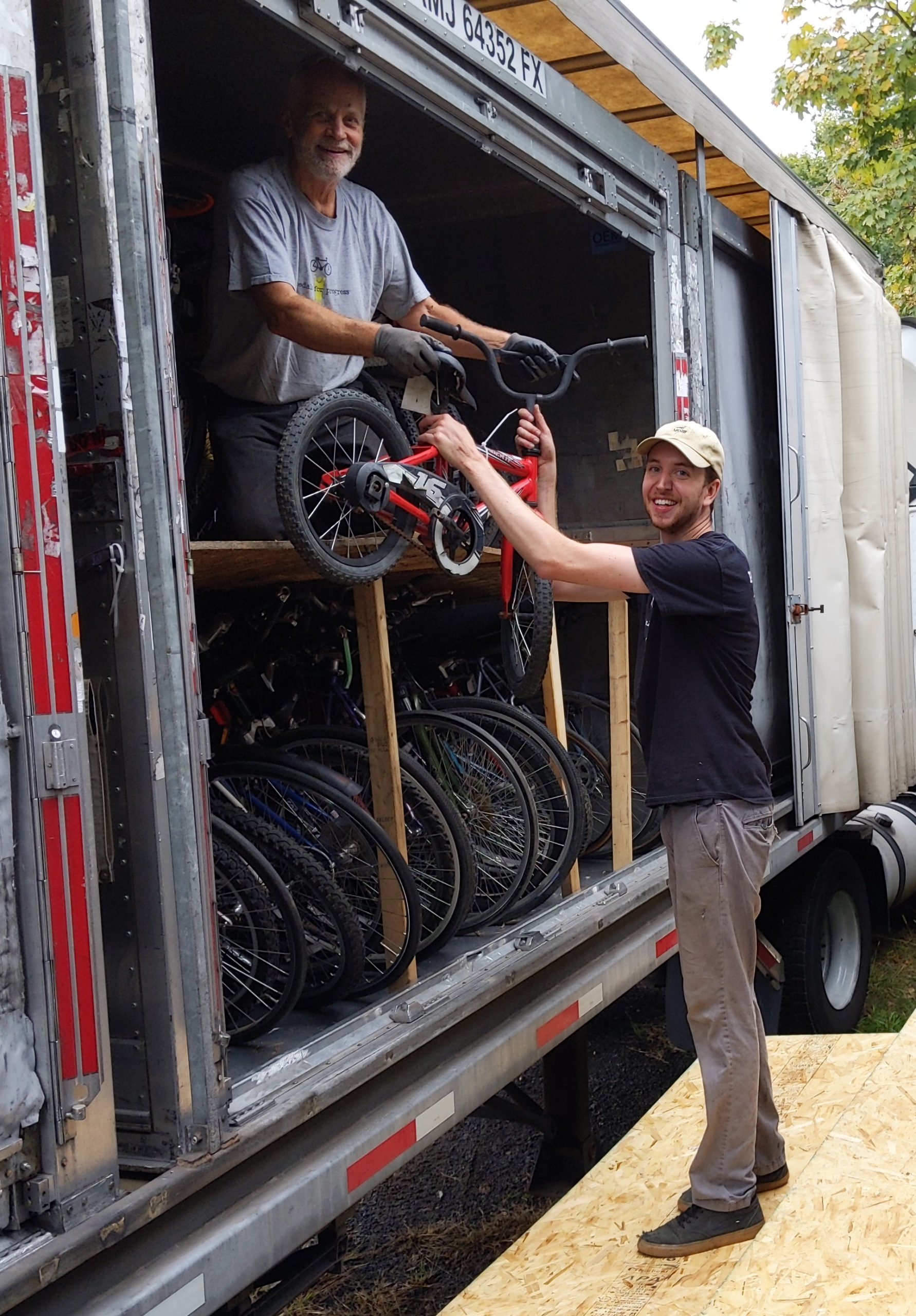
FedEx, another generous domestic partner, ships the bikes at no charge from Vermont to our warehouse in New Jersey. In 2020, FedEx delivered the 4000th bike from Vermont.
The GMRPCV operation, led by Joanne Heidkamp, Paul Demers, and Bob Thompson, along with the rest of the volunteers, requires a great deal of hard work and dedication. We are happy to report that, this year alone, the members of the Green Mountain Returned Peace Corps Volunteers collected 312 bikes and 204 sewing machines from hundreds of Vermonters throughout the state. They held collections on Friday 9/24 in Montpelier and on Saturday 9/25 in Burlington. We here at Pedals for Progress would like to share a little bit about what they have done over the years and give thanks to the many people and groups involved with this difficult endeavor.
Getting the word out about our collections is always the biggest hurdle when organizing an event. What makes a successful collection is not simply stating that there will be a bike collection, but communicating to the public exactly what the collection is for. The GMRPCVs have been able to nail it year after year. MyNBC5, the local NBC station, ran a fantastic news piece that does exactly that. It perfectly showcases what they aim to do and where the bikes will be going and the lasting impact the bikes will have on the communities they are being sent to. Press releases like this not only spread the word, but convey infectious motivation that encourages people to come out to the collections. Here is the two-minute video from MyNBC5.
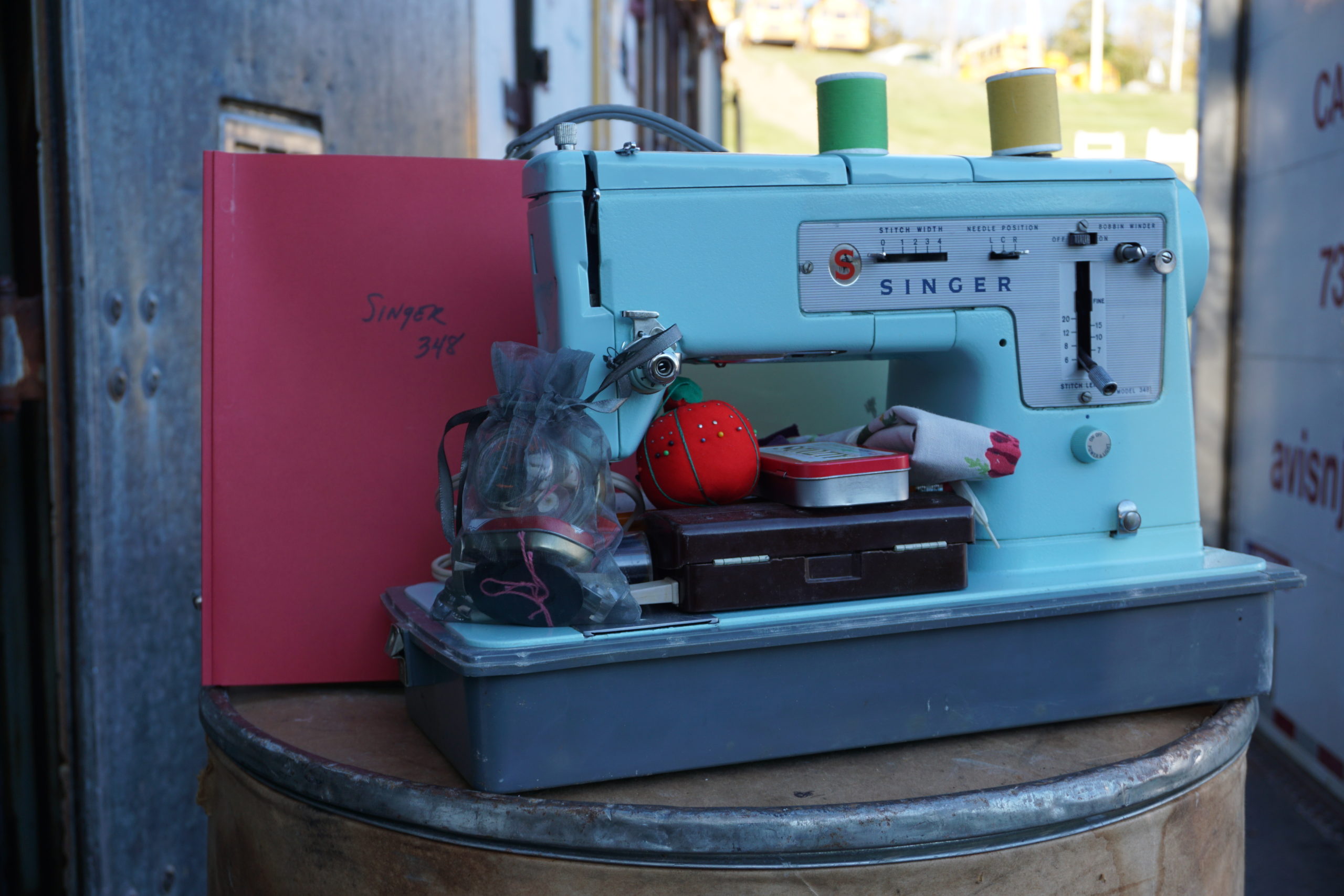
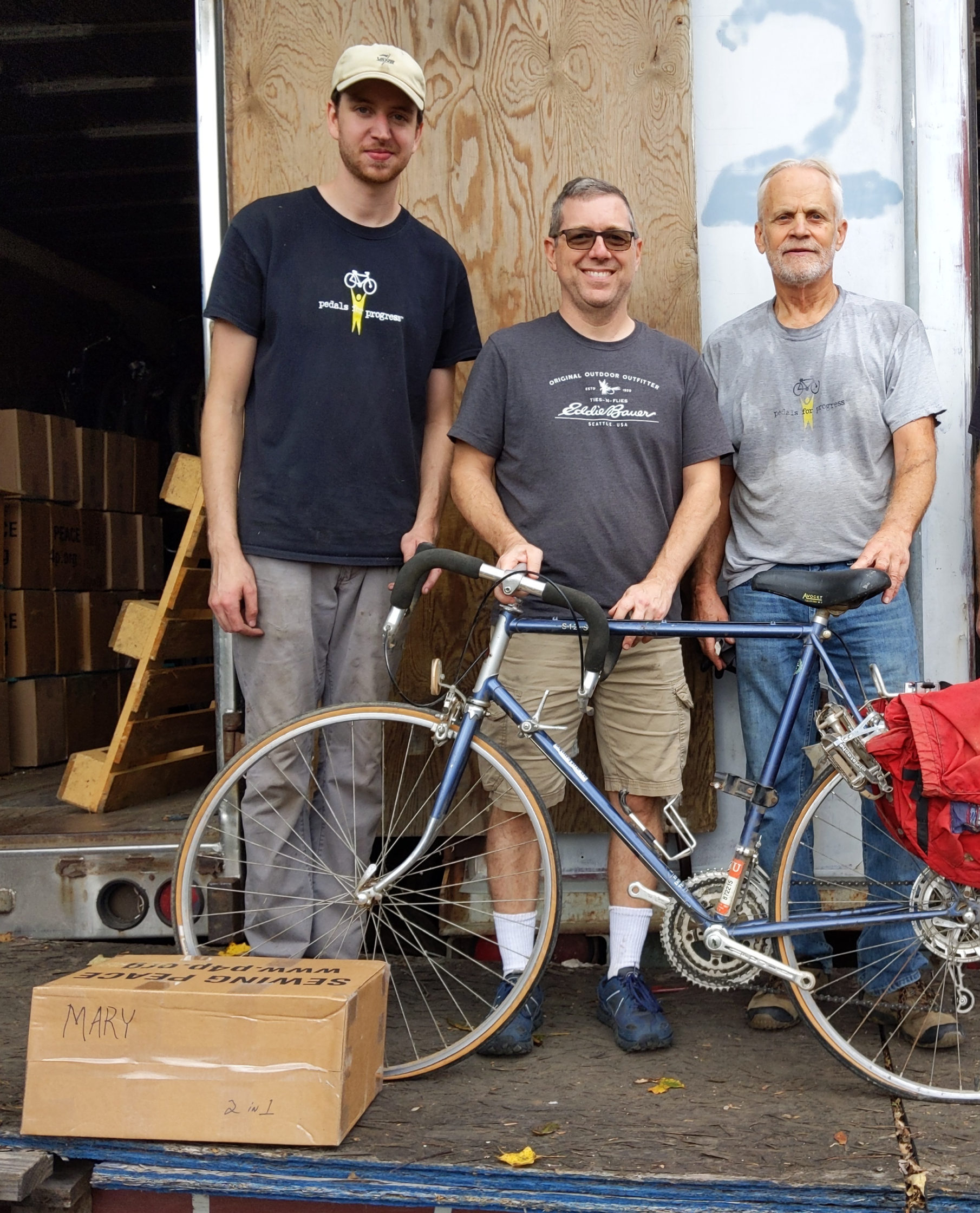
Vermont’s collections are particularly impressive because of the large number of sewing machines collected. Most of the machines are collected by Mary O’Brien, who works in the solid waste management department of Windsor County. She collects machines all year round, cleans, oils, and tests them. She uses pretty cloth, sometimes handkerchiefs or napkins, to hold sewing notions, a pin cushion, and reading glasses, and puts it all together in a kit for each machine. She also includes user manuals for the machines. The machines and their accessories must be astonishing to our overseas partners who get them.
This year, Mary also donated her classic, dearly loved road bike, which she had owned for most of her life and which she rode across the US in 1981. The bike has a personality of its own, reflecting the life-long activist and humanitarian that rode it. The bike is equipped with red panniers and an “anti-nuke bicyclist” sticker. The well-loved bike that has seen a lifetime adventure will continue its journey in its new home in Guatemala. It will double its life as a bicycle and see even more of the world while providing someone with a valuable means of transportation.
It is truly inspiring to see the great work that The Green Mountain Returned Peace Corps Volunteers have done for Pedals for Progress and the countless people and families associated with our international partners. We would again like to thank everyone involved. This year’s collection was certainly one worth celebrating. We greatly look forward to continuing this fantastic relationship and we are filled with excitement for next year’s collection.
On August 19, 2021, on behalf of Pedals for Progress, I had the great privilege to be sent to Albania to visit our partners at Ecovolis, to meet with Ened Mato and the rest of his extraordinary team to get to know them and discuss their operations.
For the past eight months I have been working closely with Dave, Gary, and the rest of the team at P4P, as the newly elected Vice President of Operations. Working for Pedals for Progress since high school has always been a joy for me. The work we do here is truly inspirational and makes any day of hard work loading a container well worth it. I was offered the full-time position and instantly knew it was something I wanted to take on. I was extremely excited to accept the position to dedicate more of my time and skills to our cause of shipping bikes and sewing machines to motivated people in the developing world.
Dave was very aware of the biggest flaw in my resume (and life experience) when hiring me for a larger role in an international organization like P4P. My lack of travel. I had never left the country. The furthest north I had been was Boston, furthest south was the Outer Banks, furthest west was Central Pennsylvania and furthest east was swimming at the Jersey Shore. Lewis and Clark would be ashamed of my lack of westward expansion. Dave knew I needed to learn from the world, to get a better understanding of our mission and what we’re up against.
I woke up one morning at the end of June to an email with the Subject line: Crazy Idea. I opened it and read a thread of messages between Dave and Ened, asking if he’d be interested in hosting me at his summer camp in Jale for a week to give me the opportunity to learn about the world by seeing it on my own. Ened was instantly on board with the idea and more than happy to host me. I was in shock, filled with excitement, anxiety, and joy.
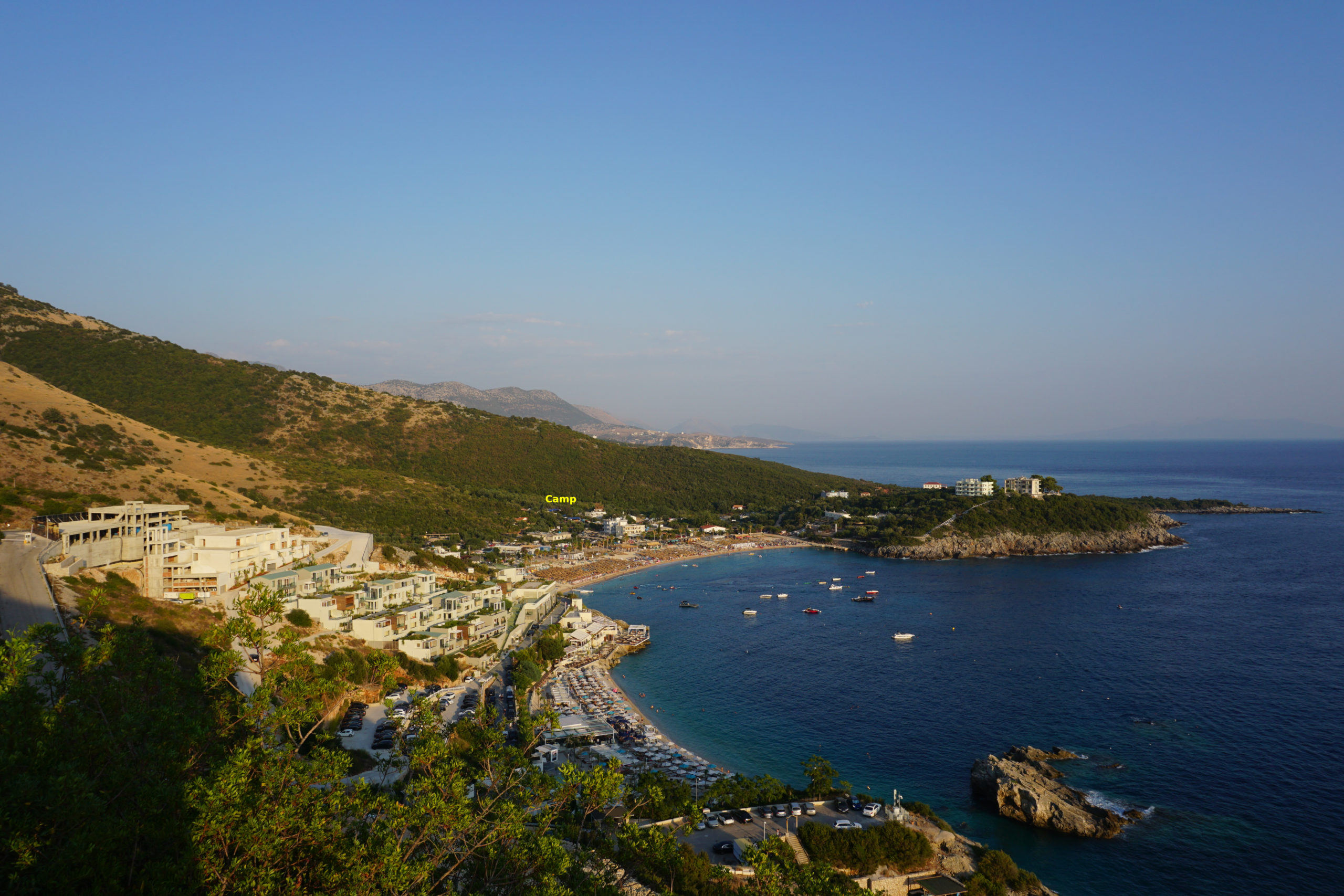
Jale, Albania
Fast forward to mid-august, I was boarding a plane to Albania alone with a backpack and newly acquired passport on my first journey out of the country thinking “what did I get myself into.” I had often dreamt of going abroad. The experience didn’t feel real stepping outside onto the tarmac at Tirana International Airport. I was picked up by Ervin, a long-time employee for Ecovolis. The four-hour trip from Tirana to Jale was spent getting to know Ervin and the work Ecovolis has done for the capital city of Tirana. Their biggest program is a bike sharing initiative where residents can rent bikes for a very small fee to navigate the city. This greatly helps people commute while alleviating some of the traffic of the small but bustling city. To better accommodate cyclists, Ecovolis also has been pushing the city to create, grow, and maintain bike lanes and other infrastructure that will make it much safer to travel throughout the city. Ervin expressed the great need for bicycle safety and advocacy to draw the public’s trust to this method of transportation. This is something that is essential for any city that wants to successfully reduce traffic and emissions made by cars and buses. Ecovolis does not simply distribute bikes, but is making a difference by having bicycle transportation not just reliable and available, but sustainable and appealing to the public.
Ecovolis in Albania is a fascinating organization as they have a true passion for environmentalism on several fronts. As we made our way to Jale, we traversed breathtaking mountain views overlooking wonderfully blue seafront. Ervin was describing the eco-tourist campground that we would be staying at for the week, one of the many programs Ecovolis is involved with. He had been there for two months prior, and came to Tirana to pick me up and collect more tents and other supplies for the camp. It was one of the many initiatives they take part in to return to nature and help strengthen people’s connection to the natural world. In the off season while not at the camp, they return to Tirana for their bike initiative while also working on other projects like planting trees with local volunteers to revitalize the diminished forest in Lurë.
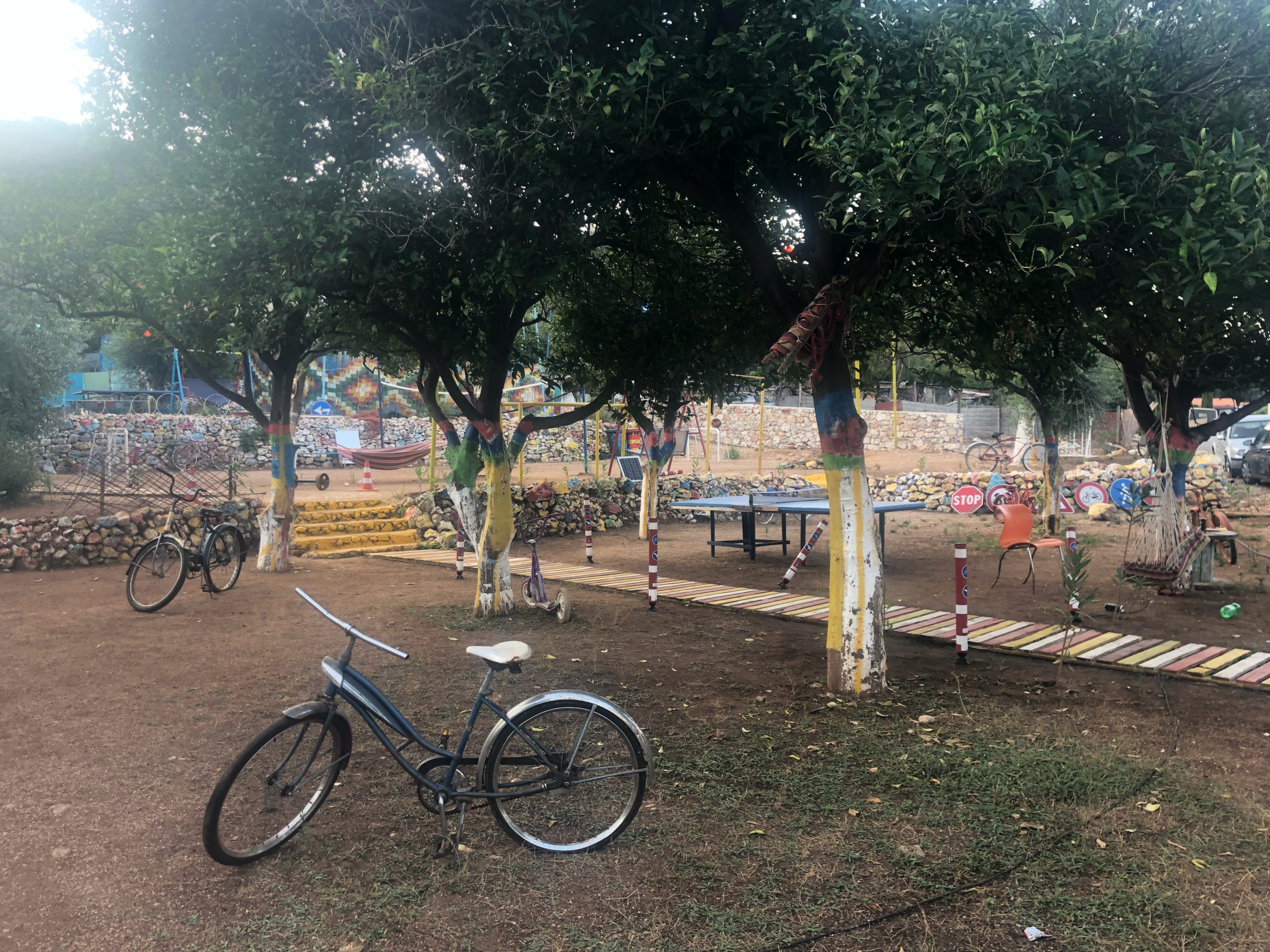
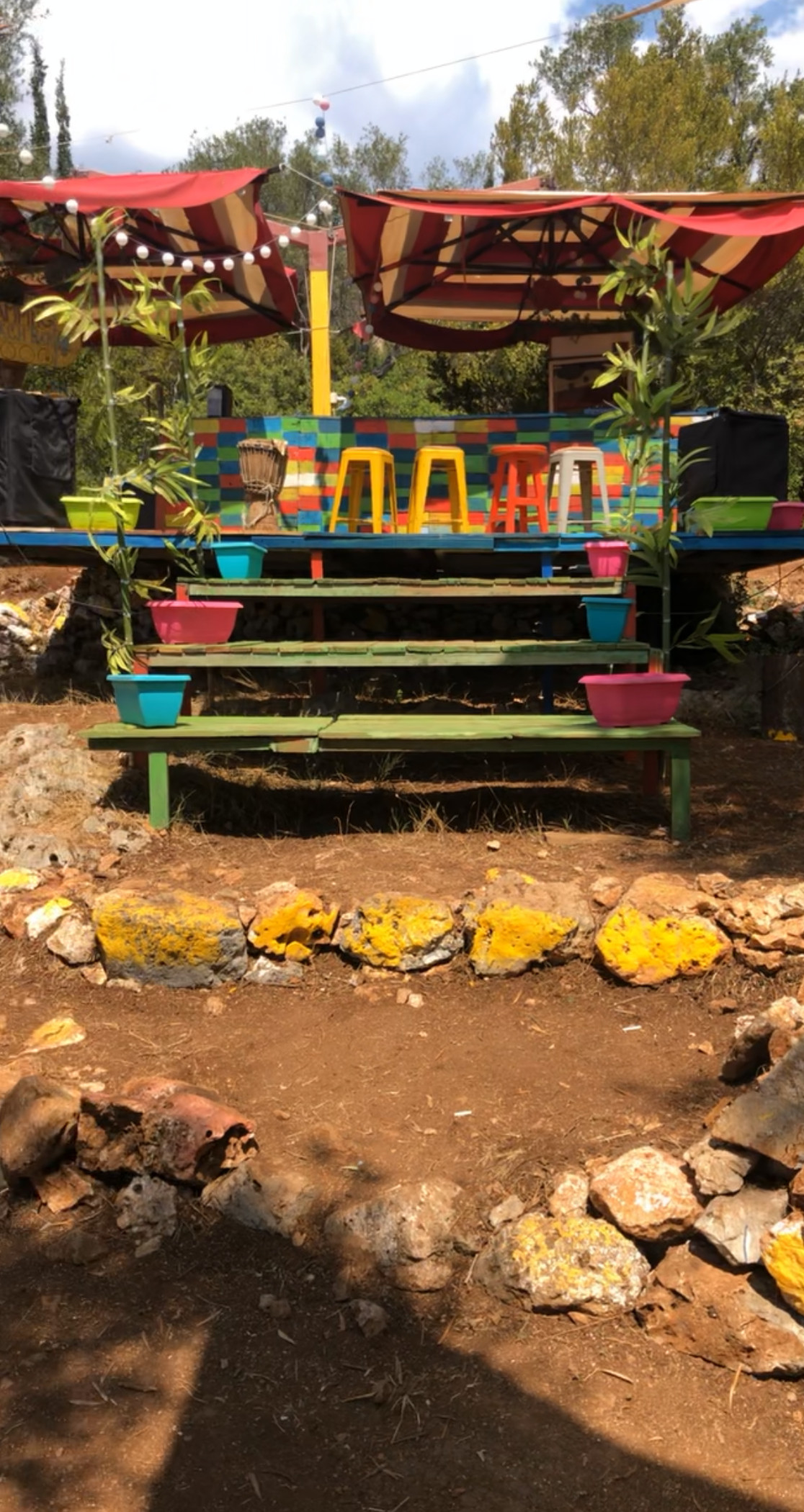
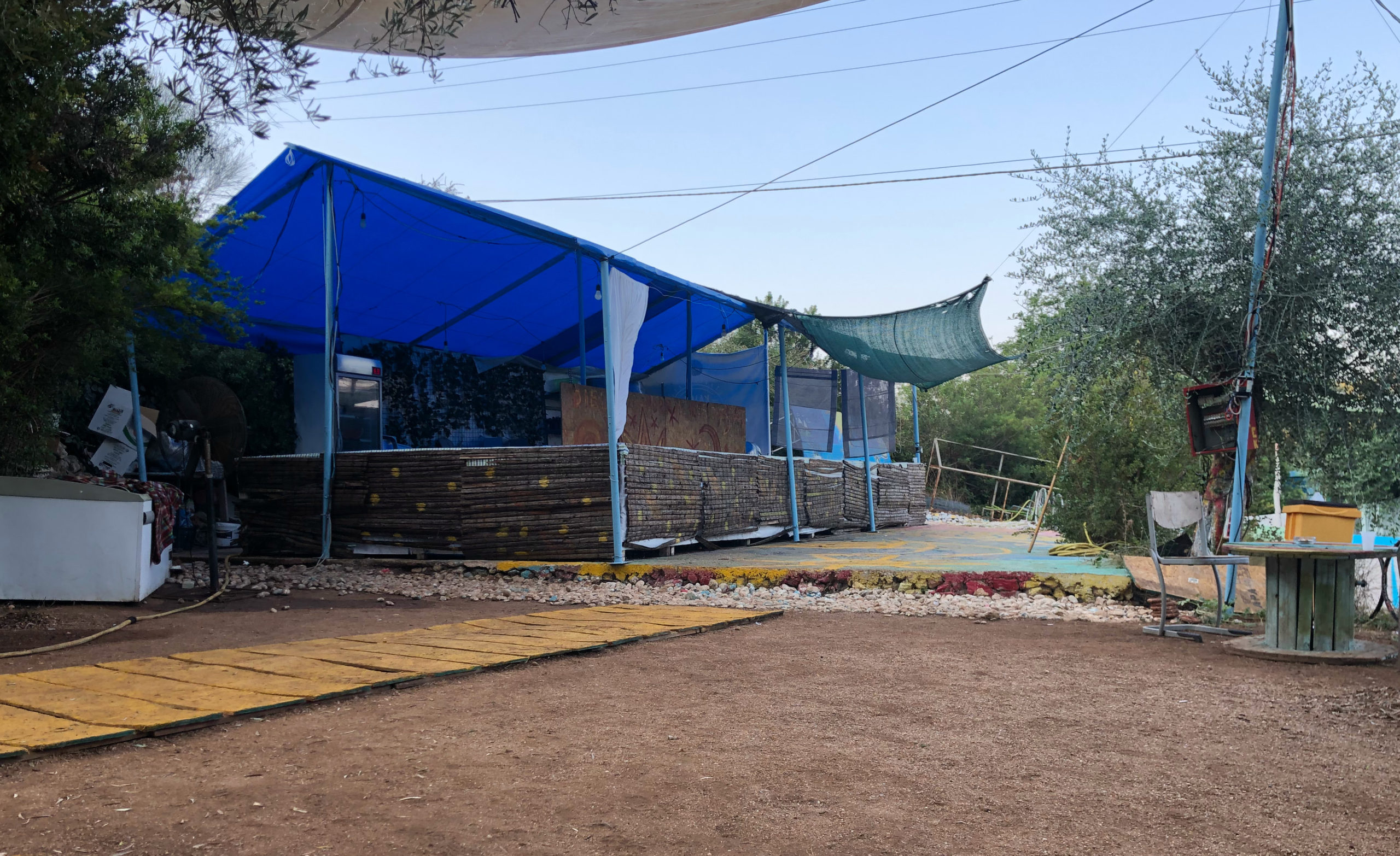
When we arrived at camp, I was blown away at what they have created. Two blocks away from the beautiful beachfront was the entrance to the camp that scaled the steep mountain. It was broken up into several levels. Entering camp at the bottom-most level there was a volleyball and soccer court where young people can play games and relax. A handful of bikes were positioned here and available to anyone at camp, allowing them to ride around the small town and get to the beach. Climbing the stairs that led up to the various levels there were some RV-campers and other common areas. On the third level there was an open-air kitchen and a large area with plenty of tables and chairs for people to gather and eat meals. Further up the mountain, following the rocky steps, I approached the several levels of campground with 150 or so tents placed beautifully under the abundance of olive trees. Ping pong tables, common areas, a bar with drinks, and fire pits were also sprinkled about the area. Painted wooden paths and fences brought an elevated level of color to the already vibrant camp. It was an intimate community with plenty of friendly faces with welcoming smiles.
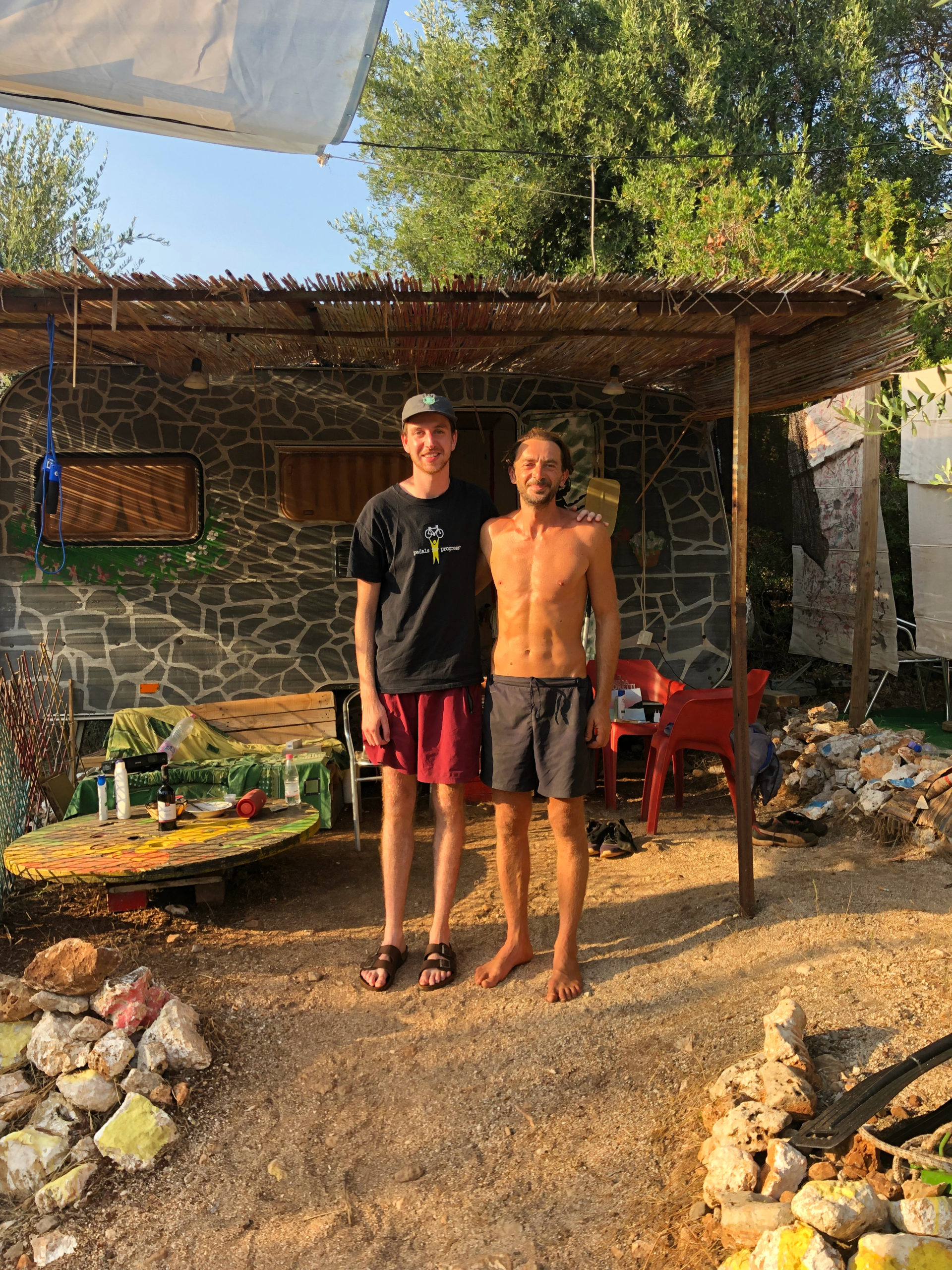
Alan and Ened
Settling in, I was finally able to meet Ened, the lead organizer of Ecovolis. He instantly made me feel at home and was extremely hospitable. He told me more about the camp and the many things him and his team are involved with throughout Albania. The camp was set up in the early 2000s with the idea of bringing eco-tourism to Albania to build the country’s economy in an honest, fair, and sustainable manner. Ened is a true trailblazer, inspiring several other camps up and down the coast for others with like-minded ideas of providing people with peaceful eco-tourism opportunities. Ened’s camp has the capacity to hold up to two-hundred people with full amenities. He hosts various youth programs and students throughout the summer. Travelers and other youth from several different parts of Albania and Kosovo are also welcomed and bused to and from the camp. For a small fee of US $7 a day, each tenant has access to a tent, showers and running water, bathrooms, and breakfast and dinner. There is access to an on-site bar with espresso, water, and flavored drinks that cost less than they would at the beach. These funds supplement the camp allowing them to continue to buy necessary food and supplies.
Camp Bar
Ened explained that the growth of the camp, in its 20th year, has been very promising and stronger than ever. The entire experience is a great way to remove oneself from the typical consumerist vacation that many people grapple with. Cell phones and social media use are frowned upon to the extent of one sign encouraging people to have conversation eye to eye. The culture at camp revolved heavily around companionship and camaraderie. Camp felt tight knit, as if everyone knew everyone.
Camp Kitchen
One night, Ened and I were sitting a bit removed from the campfire as many of the other campers surrounded it while listening to a performer sing songs playing an acoustic guitar. We were talking about the mission of Ecovolis and the reason behind the camp. Albania’s history is very dense, especially in the last 50 years as they have grappled with corruption, civil war and reconstruction. Ened has a deep desire to be able to create and maintain a community – his country – of people dedicated to peace and environmentalism. He is proud of what he has created as the camp reflects these desires to create a community of people that are self-sufficient and making efforts to remove themselves from the rat-race of the 21st century. Paraphrasing, Ened said “take for example these kids, what they are doing is so anti-system, they are young and can go down to the bars down below, but instead choose to be here singing around the campfire under the stars.” He continued to explain his greater mission of using the bikes we send him as “soldiers in a bigger fight” against the various forms of corruption within the country. They are used as tools to mobilize the community, to allow them to get to where they need to be, to build something from the ground up that they can all call home.
The people at camp certainly follow Ened’s vision. Among the people at camp I came across a group of friends close in age to myself that stand out most in my mind. They were bused down from Kosovo and invited me to have espresso with them down at the beach one morning. Like any new group of friends, we talked about our backgrounds, hobbies, interests and what we do for a living. I told them about Pedals for Progress and while they did not work for Ecovolis, and were in Jale for a short vacation, they instantly gravitated to and understood our mission. It was a moment of clarity for me, and a sobering reminder of what we do. They didn’t have the same kind of interest in our organization that people my age have here in the United States have for P4P. It was through a different lens I saw how important our work is. They instantly recognized how useful a bicycle can be for someone. They thought of how important a tool like a bicycle can be for the people back home in Kosovo. When my friends from the United States see a bicycle, they do so as a product of leisure or exercise. Abroad, in a developing country, it is much more. I was blown away seeing the agency this group of guys had when they heard more of our program. They explained how Kosovo and Albania, like many countries in the Balkans, are struggling to build themselves, many being newly formed governments. They know that the bicycle is a way to achieve a fulfilling, successful life with long-term security. They saw the tool and thought of their homes and the people they care about, people who can use that tool to greatly change their lives.
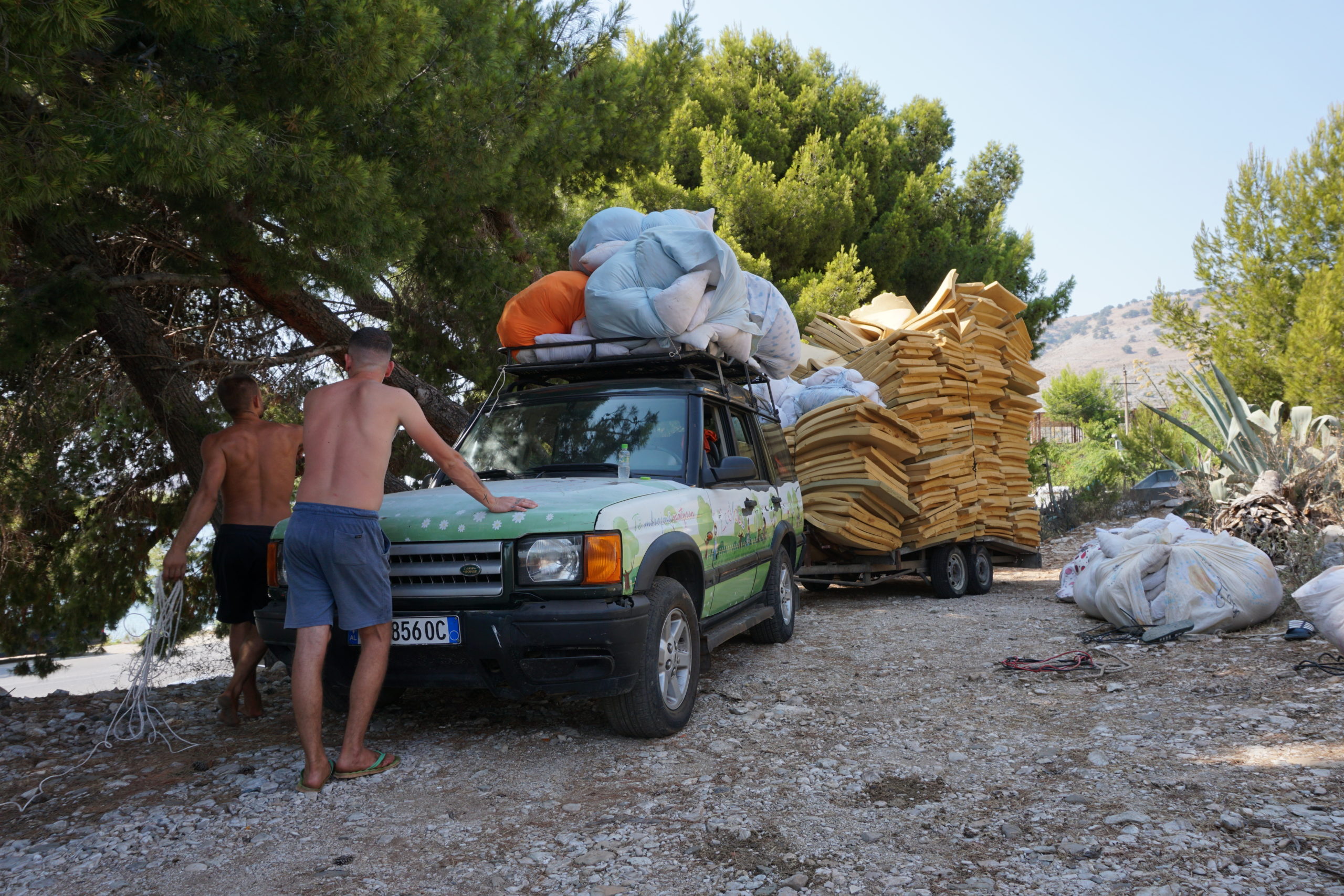
Throughout the week, staying and working at the camp, I was constantly surrounded by hard-working people dedicated to a greater cause. Ervin, who I spent the great majority of the trip with, was a well of knowledge and inspiration. One day, Ervin, the chef at the camp Ari, and I went a few towns over to pick up mattress pads to bring back to camp. They were in storage located behind a group of bungalows accessible only by a tight winding path that went up the mountain. We loaded over 200 foam pads onto a flatbed parked at the bottom of the road. Relentlessly hauling ten mattresses at a time, Ervin and Ari showed an energy that never flagged. Ervin’s mindset is captured by this image and another moment when we were paddling a canoe in the sea. We were paddling against the wind to access a small private beach. The closer we got the harder it was to paddle, yelling to me in the back he said “Do you see the beach? We must keep going! We can see the beach, so we can go touch the beach!” It is that mentality that stuck with me the most. Ervin and the rest of the people at Ecovolis can see the beach – they see a community that can be better, that can serve a purpose and be peaceful. They are pushing to touch that beach and make it a reality.
One of my main jobs here at P4P is loading our containers. Before my trip to Albania, closing the doors and putting a seal on the container, with the bikes officially on their journey to a new country, the destination always seemed vague and distant. Being able to interact with people who receive our bikes has closed that gap and has given me a better understanding of the extent of our mission. It was an amazing experience to be thrown headfirst into the world, beyond the two square miles of High Bridge, New Jersey, to face a previously unseen part of myself and the world. It’s motivating to know the groups we work with have a deep desire to change the communities they love. Traveling to Albania, the concept of mobility was hard to escape. It’s intrinsic to what we do, as the bicycle gives people the opportunity to be mobile, to go beyond what they are capable of on foot. When you have mobility, you have the opportunity to create change. This change is multifaceted and goes beyond simple transportation to work and school. It includes personal and private change. Cycling gives personal freedom to expand your reach within your community, to be active with your friends and family. To be able to connect with the people in your life, to see them eye to eye and live comfortably beside them, gives a community greater strength to push forward and grow on so many different levels. While this has always been a core tenet of Pedals for Progress, it resonated at a much deeper level to me after this trip. It was truly an honor to see the camaraderie, companionship, hard work, and passion I came across during my time in Albania, generated from people who simply want to improve the world.
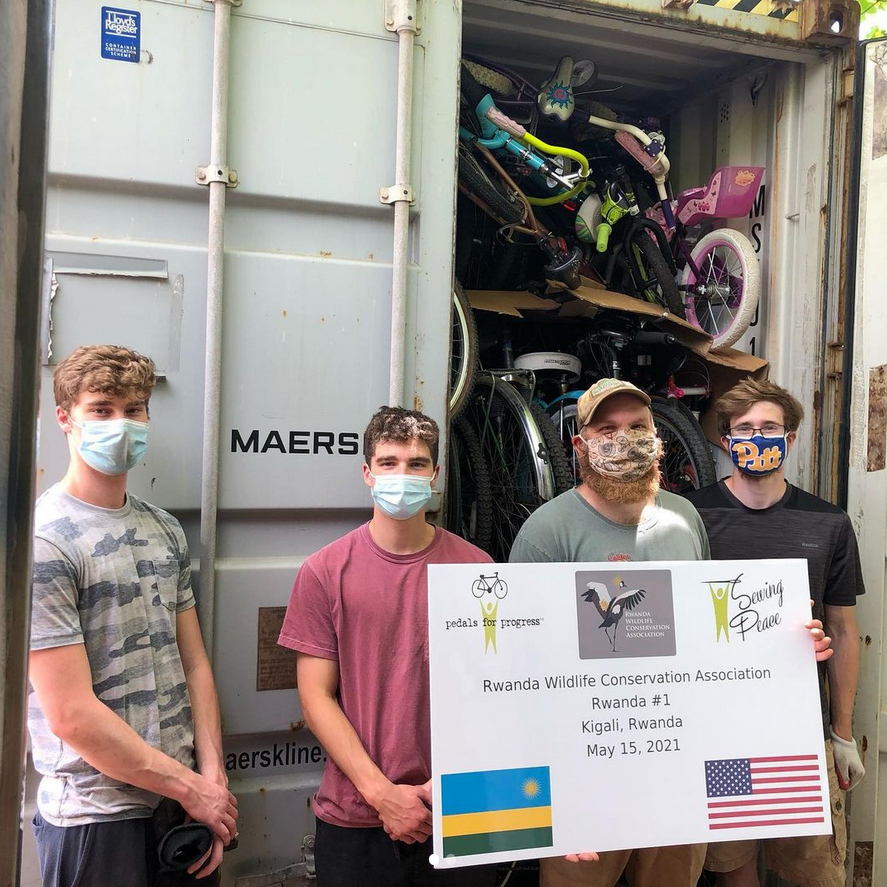
Rwanda Wildlife Conservation Association uses bikes to help protect and manage important wetland areas. Rugezi Marsh is a 6,735 hectare wetland protected by RAMSAR. We have a team of 50 community Marsh Rangers patrolling the wetland and watching out for activities that are not allowed and will destroy the marsh habitat, such as grazing livestock, cutting down trees in the buffer zone, hunting wildlife or cutting grass.
To improve the management and law enforcement of this important wetland, we also work in close partnership with local leaders around the marsh.
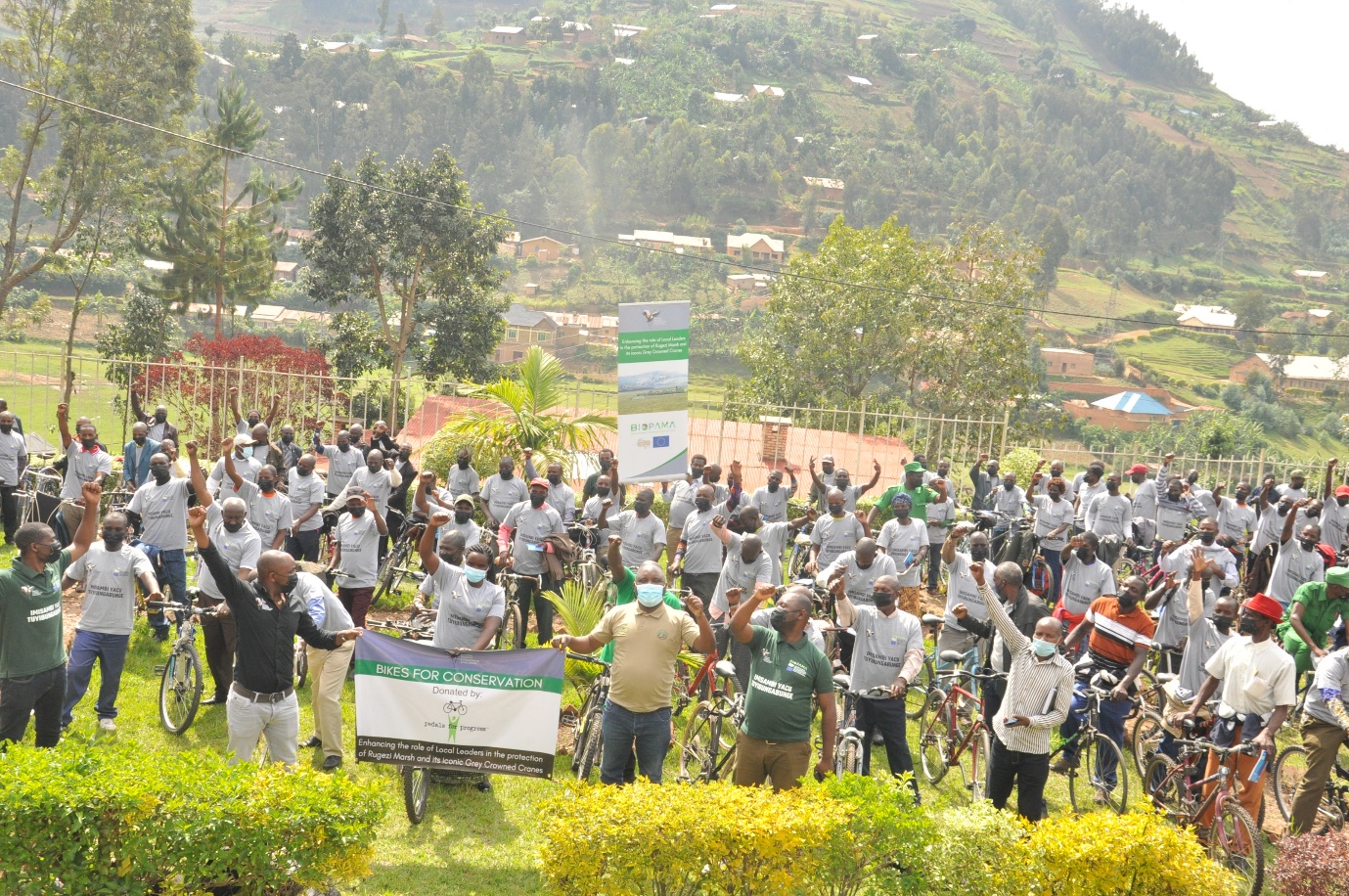
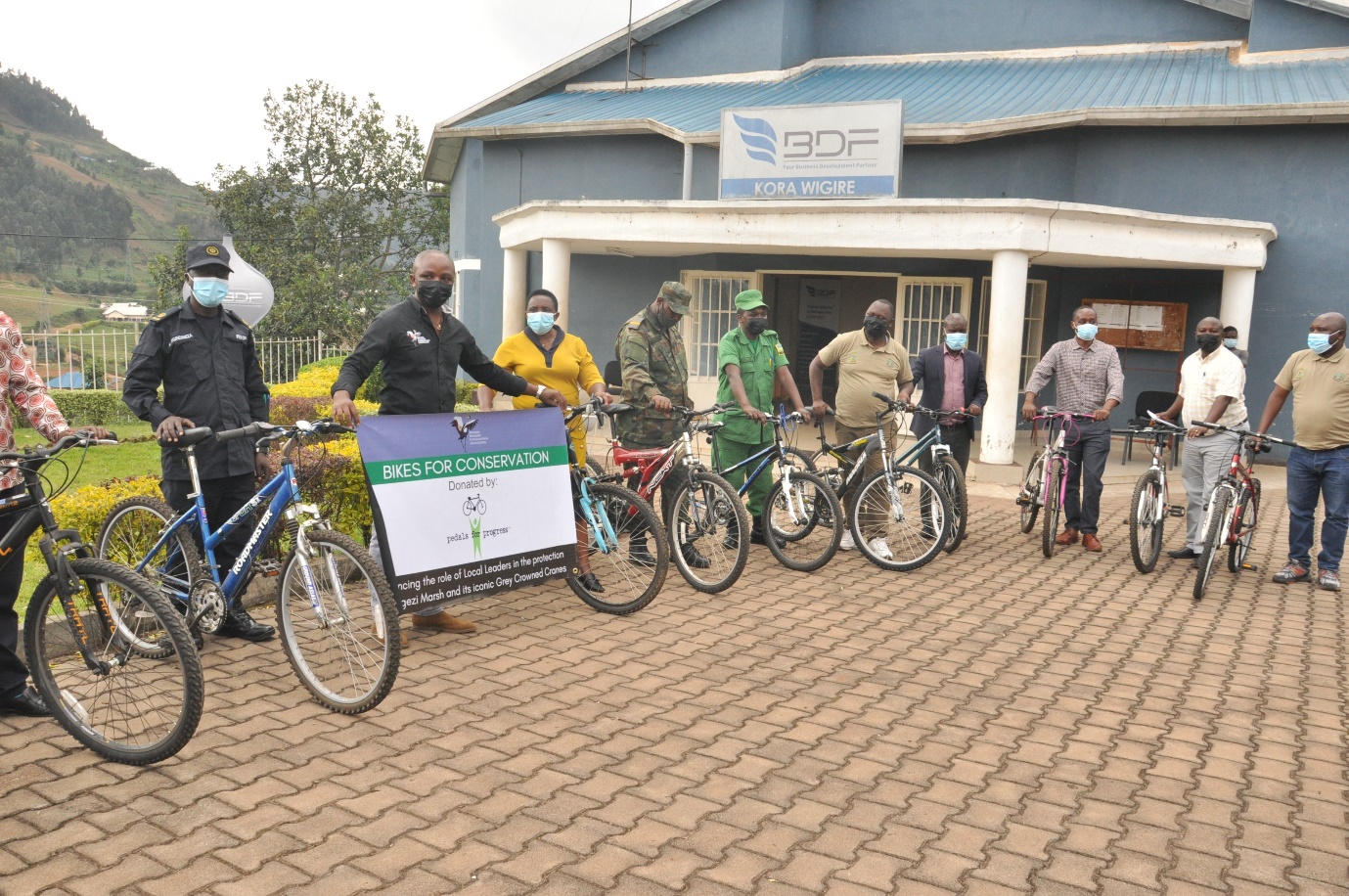
With the bikes from Pedals for Progress we were recently able to distribute bikes to all local leaders working near Rugezi Marsh – a total of 187! They were so happy to receive these bikes. The bikes will make a big difference in their communities and will increase collaboration with the Rangers.
During the event, one leader made a speech about the significance of the bikes and how much they were appreciated by him and his colleagues. He described how the projects at Rugezi are life changing. He believes that the bike will help him respond quickly when Rangers call, especially during their patrols when they need support in resolving illegal activities. The bikes will also help in daily life, providing transportation to the market or to church. Having a bike will also save money that they might spend on public transport and save time getting where they need to go.
Once the local leaders have started using their new bikes, we will check in with them to better understand the impact they have had on their job roles and family life. Thank you to Pedals for Progress for helping support conservation at Rugezi Marsh in Rwanda.
Our spring 2021 collection season ended on June 19th in Delmar, New York. Because of Covid-19, we collected fewer bikes and sewing machines than in recent years. Still, we managed to ship three containers.
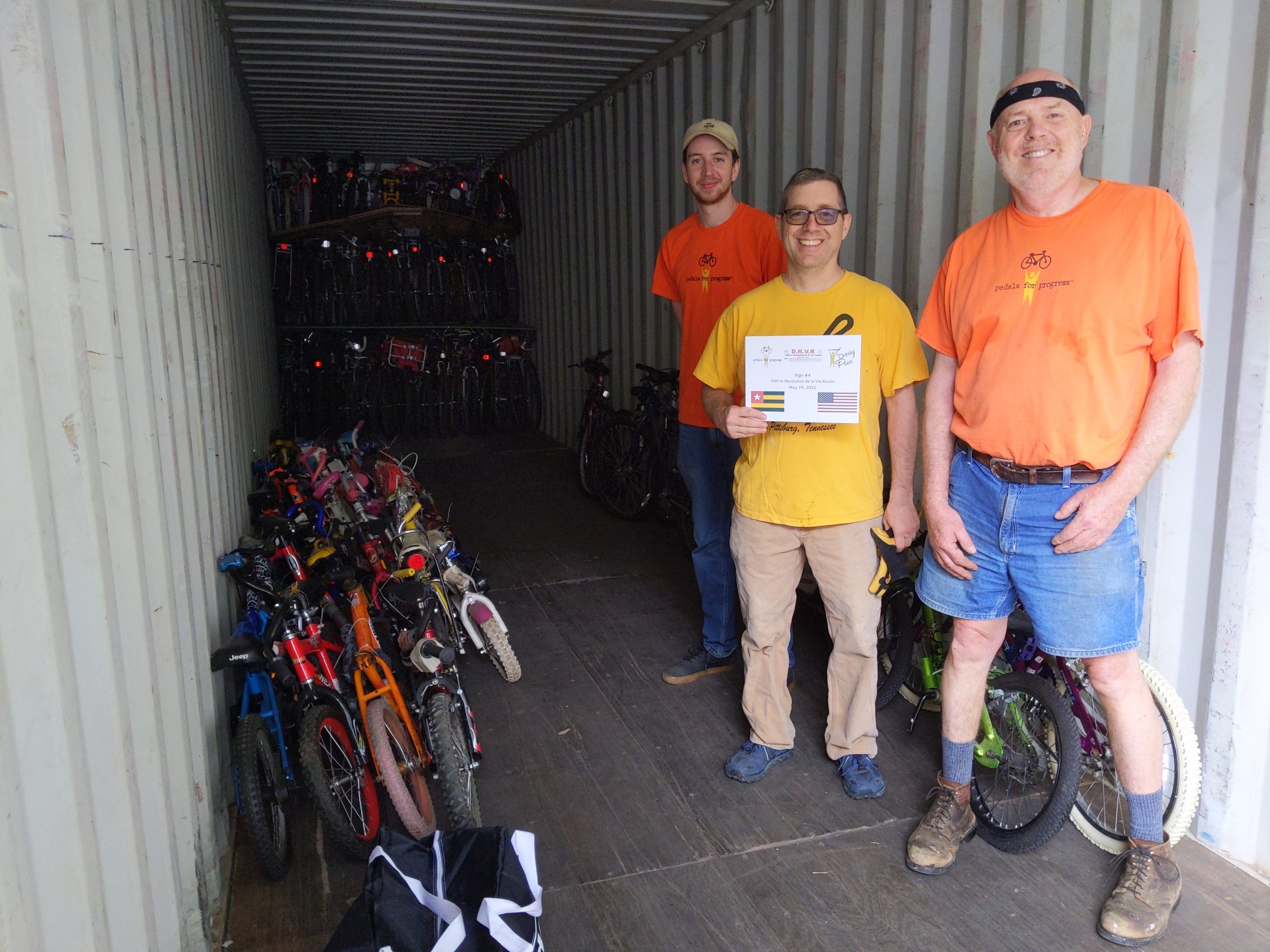
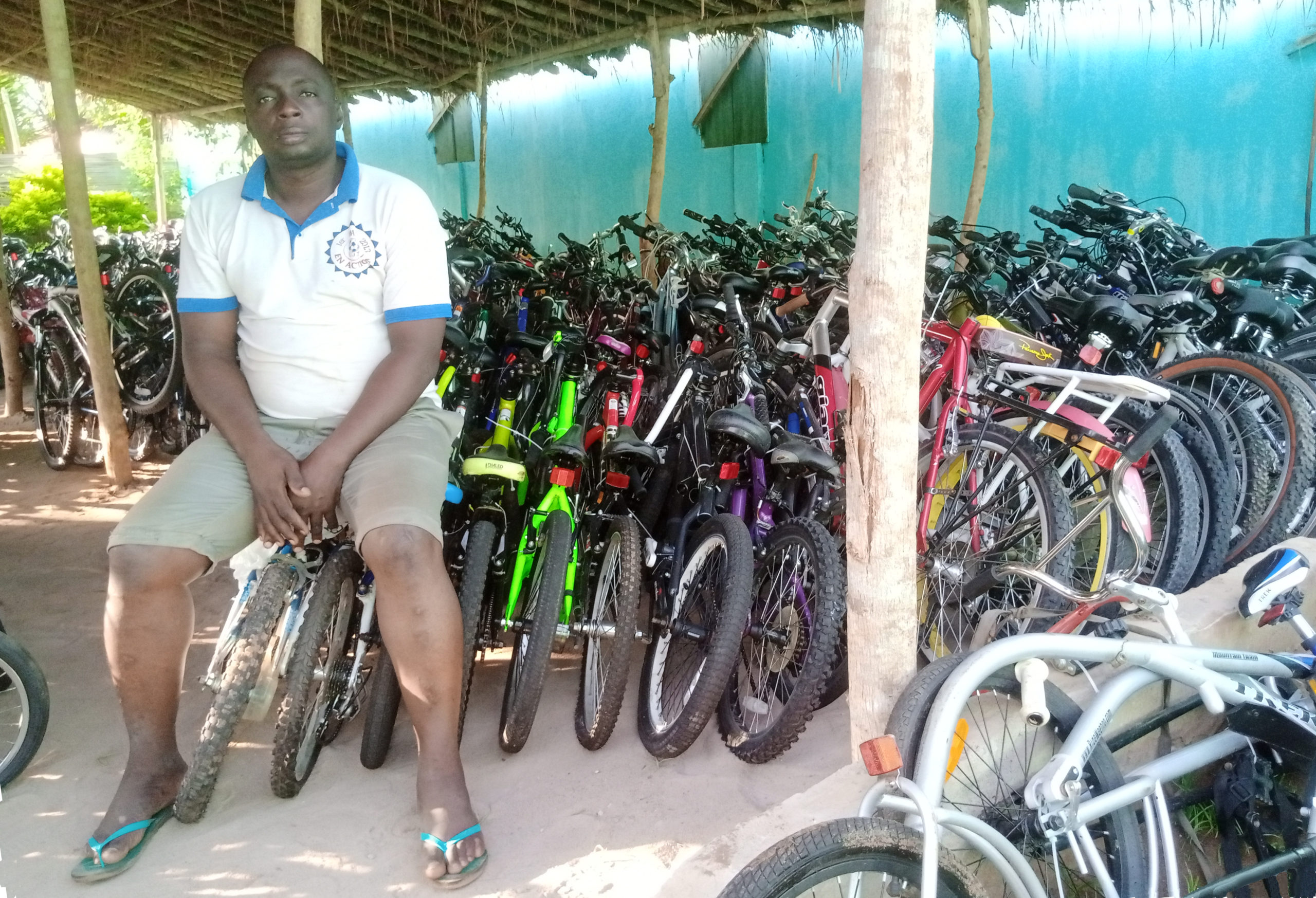
We shipped Togo #3 on 26 October 2020. It arrived in July 2021.
From: Simon Akouete <simonakouete@gmail.com>
Subject: Informations
Date: July 10, 2021 at 3:24:58 PM EDT
To: David Schweidenback <dschweidenback@gmail.com>
Hello David,
You are fine I think. I picked up the container this Thursday 9th of July and yesterday late in the evening the bikes all arrived in Vogan at the headquarters of the NGO DRVR-TOGO. My thanks to you, your entire team and especially your donors and partners who made this project a reality.
The Coronavirus pandemic found Kosovo unprepared, as was the case with most countries of the world. For a considerable part of 2020 the whole country was in lockdown. Following the peak of cases in late 2020 and early 2021, infections have steadily declined since early April 2021. As of late June 2021, there have been 107K Covid-19 cases in Kosovo, and 2255 deaths.
On 28 March 2021 Kosovo received the very first contingent of 24,000 doses of vaccines through COVAX. Up until then, Kosovo was was the only country in Europe without any vaccines. The vaccination of the population has started and is progressing slowly. By the end of this year we hope everyone will have a chance to get vaccinated.
The Impact of the Pandemic on GoBike
Partnering with Pedals for Progress has been crucial to getting the GoBike social enterprise going. Through our partnership we have managed to set up the enterprise, sell bicycles to beneficiaries from all walks of life, organize cycling events, and teach people how to ride a bike. Despite the initial success in 2018 and 2019 with the first container of bicycles, a year and a half later the pandemic forced us to cancel our work completely, as ordered by the Government of Kosovo. We have been closed for the entire 2020 season. Receiving the second container from Pedals for Progress had also to be put on hold.
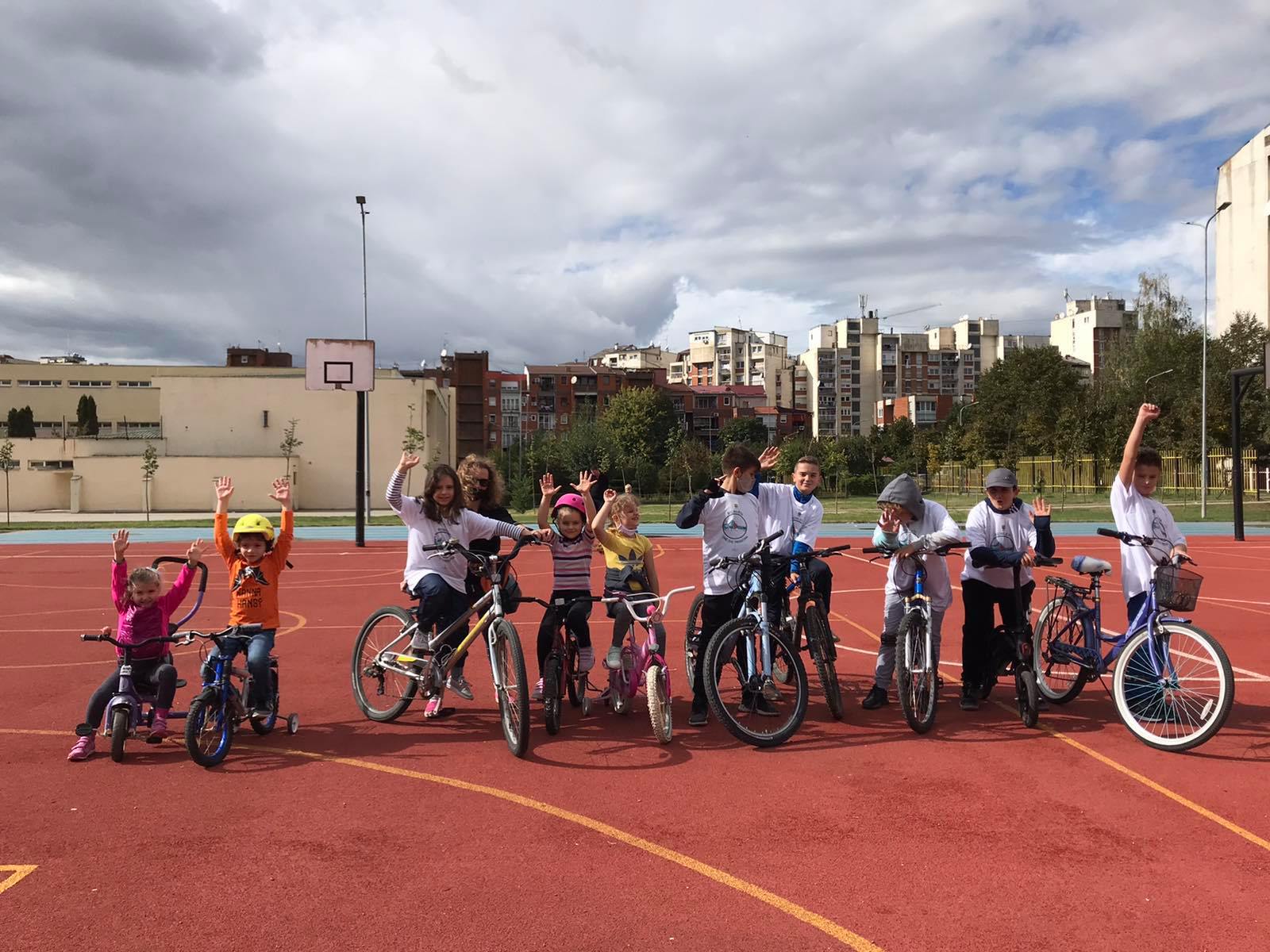
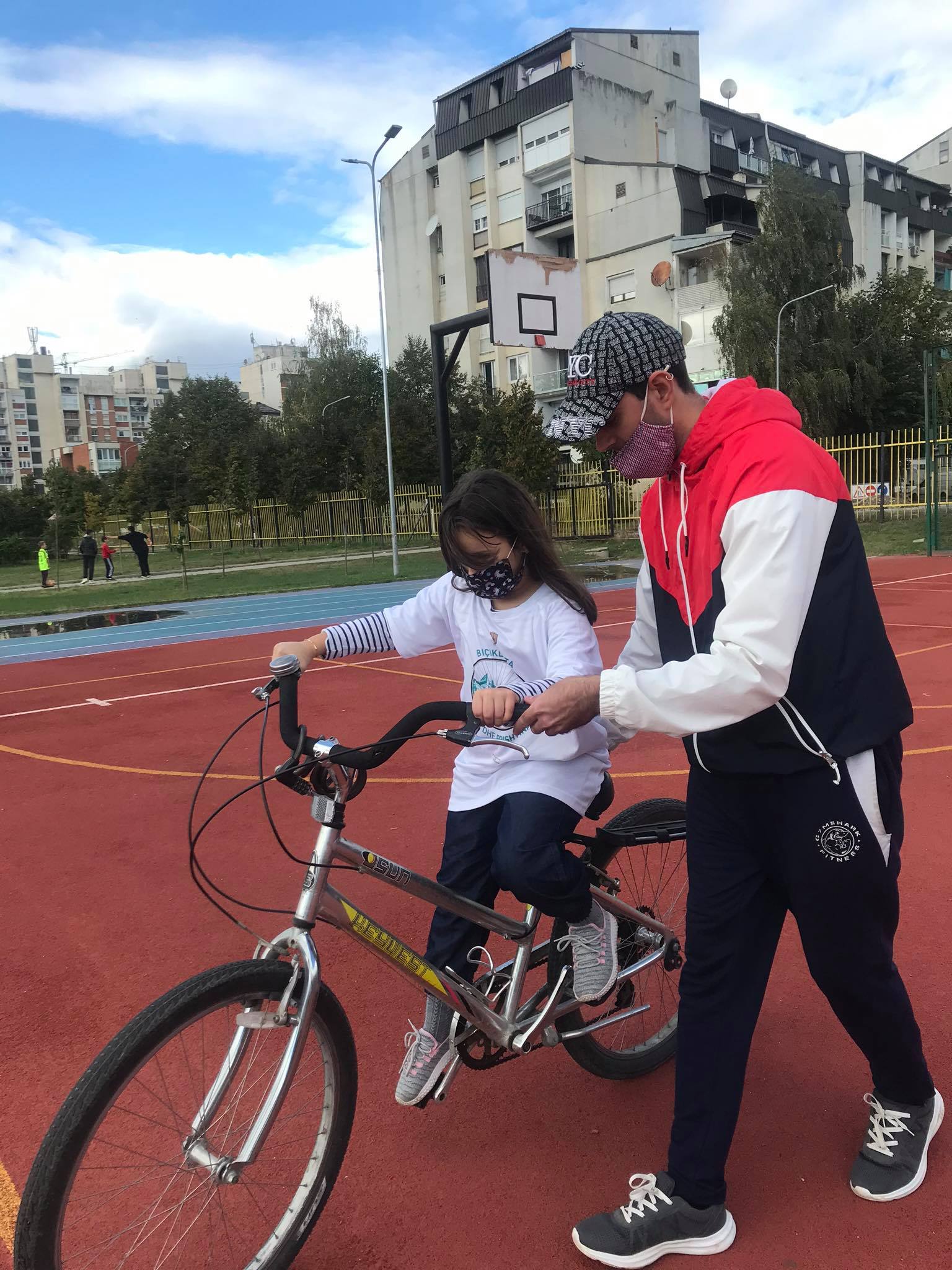
In October 2020 GoBike teamed up yet again with AYA ‘Pjetër Bogdani’ to organize “Cycling Schools” to teach even more kids in Pristina how to ride a bike. Cycling Schools were quite popular and sought after. One can never have enough of such events, as the demand is high, particularly amongst children.
The Cycling Schools took place in the Dardania elementary school yard in Pristina. They were free of charge. In the past, the motivation of GoBike to organize such activities had been to contribute to the growing of the cycling community of Pristina; help young girls and boys grow independent; provide a cycling experience to the adults who have never experienced cycling before; and reduce carbon emissions into the air by promoting cycling as a more sustainable way of transport. This time, we had an additional reason. Through cycling schools we wanted to work with as many people as possible who have spent a lot of their time indoors without much physical activity, and get them back to bicycles and an active lifestyle —very important for their health and wellbeing.
We hope that normality will be restored soon. At GoBike, we hope to be able to resume our work and receive a new container of bicycles from P4P. This should provide us with sufficient stimulation to pick the work right where we left off.
[Editor’s note: We don’t usually hear about European kids using bikes as a primary means of transportation, but we got this story from P4P supporter Neal Oussoren. He wrote us a note that mentioned an interesting experience with a bike in World War II. I spoke with Neal by phone. Here is what he told me.]
I was born in 1934 in Middelburg, in the Zeeland province in the southwestern Netherlands. I was oldest of 5 children. My father was a minister. We lived in a house next to his church.
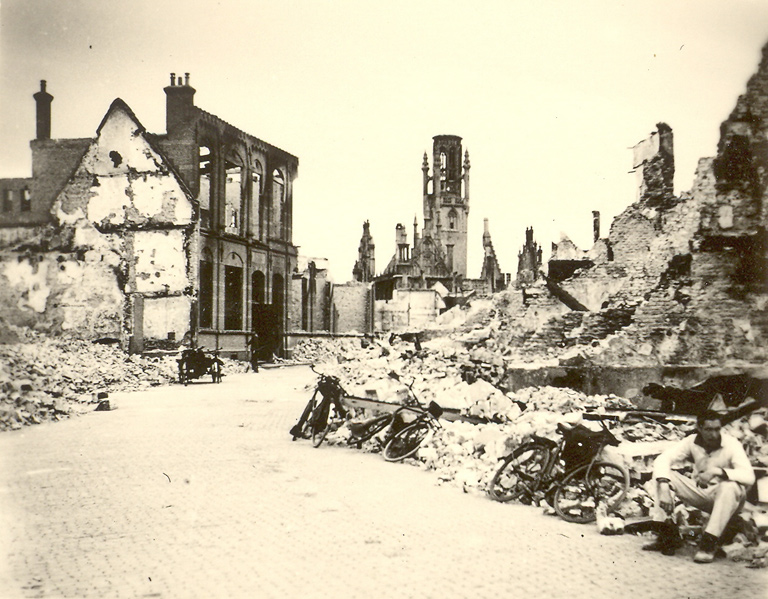
Middelburg was occupied by the German army in 1940 in the Battle of Zeeland. Much of the old town was destroyed.
Staples became scarce. Food was rationed. We had coupons that specified what we were entitled to per week. We spread soft white cheese on bread. After the war I remember aid from the US: clothes, shoes, food, including peanut butter.
Though some foods were in short supply, my father had lots of contacts in the community. He knew several farmers who lived within a few kilometers of town. We did not have a car. It would not be easy to get food from the farms on foot; it would be much easier on a bike.
In 1941 my father bought a bicycle. You braked by pressing your shoe against the front wheel. The Germans were confiscating bikes at the time, so my father replaced the front wheel with a much smaller wheel, from a scooter, to make the bike less likely to be confiscated. Also, the Germans were less likely to take a bike from a 10-year-old. My father attached wooden blocks to the pedals so I could reach them.
My job was to visit several farms outside town. I picked up milk and bread year-round, vegetables in the growing season. During the school year I left home by 7 a.m. so I could be back by 8 to go to school. I rode about 7 miles to do my pickups.
I carried the milk and vegetables in containers on the bike. The back of the bike was piled so high I could not swing my leg over the vegetables, so I had to step over the top tube.
On one of my trips a German truck cut a corner too close. I forgot about the bag on the back of the bike, so when I tried to swing my leg over I crashed and got knocked out. I came to and made it home OK.
On another trip, I noticed that Dutch collaborators, members of the NSB party, were confiscating milk on a bridge on my usual route. I warned others. One of my friends told me that he could help me get across the river at a nearby concrete factory. I picked up the milk and rode to the factory, where my friend rowed me, my bike, and the milk across the river. I took a different route back to the city to avoid the collaborators.
I’ve lived in the US since 1951, but my wartime memories are vivid. The bike was a godsend.
By Nguyen Van Hanh, General Manager, Dariu Foundation
Summer 2021 Newsletter
Yen Nhi, 15 years old, was born into a poor family. Nhi is the eldest of 5 children in the Mekong Delta province of Vinh Long, 180 km west of Ho Chi Minh city. Her mother has some serious health problems and she has been using a wheel-chair for a long time. The family’s income has largely depended on the noodle-for-breakfast business with monthly income of around $170. This could hardly help the family make both ends meet.
When Nhi was in 7th grade, she told her parents that she had no longer wanted to go to school because she thought that they could not afford her secondary and high-school education. Her parents had been undecided between paying her school fees or letting her leave school. Luckily, they finally decided that she had to continue her education, hoping that she could have a better future.
As compared to her peers, Nhi is a strong girl at her age. Every morning, she supported her father with simple tasks at the noodle-for-breakfast business from 6:00 am to around 10:00 am. Then her father rushed to his other jobs or to buy materials at the local market for the next day’s business. She helped prepare lunch for the family and then left for school at about noon, since her classes started at 12:30 and it took her about 20–25 minutes to walk there. Nhi had several good friends, so they often picked her up with their bicycles. But when they could not come, Nhi had to walk. It was a hard walk for her, especially during sunny and rainy days.
In 2020, Nhi was referred by her teacher who knew about Dariu’s bicycle-granting program. She was granted with a bicycle from Pedals for Progress and a little financial support from The Dariu Foundation. Thanks to P4P’s bicycle, Nhi could go to school much more easily. As a result, her GPA increased from 7.5 (before being granted a bicycle) to 9.2 and she was nominated as the best student of the school year 2020–2021 at her school. Nhi graduated from secondary school in May 2021, and will start high school in this September. Although the new high school is further from home than the secondary school, Nhi is determined to complete her high school education and expects to enter university as an IT student.
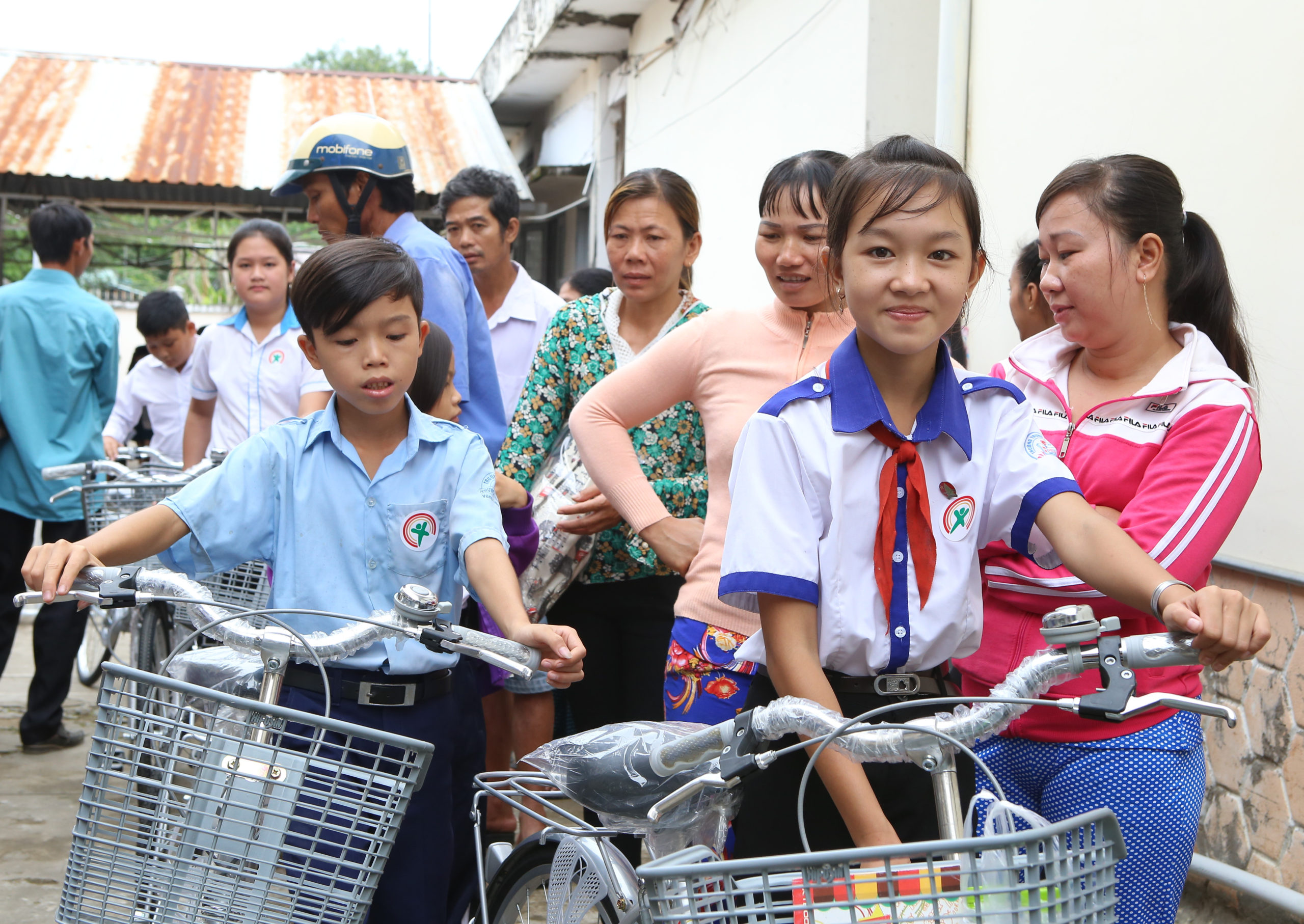
Yen Nhi is among the more than 2,000 beneficiaries who, since 2012, have been granted P4P used bikes by The Dariu Foundation. The cooperation between the two organizations has enabled hundreds of poor kids in Vietnam and Thailand to continue their education with ease and prepare for a better future.
Donate bicycles and sewing machines to developing countries
 From David:
 From Mrs Johari:
 From Raphael:
 From Norbert: