| 1999 | 2000 | 2001 | 2002 | 2003 | 2004 | 2005 | 2006 | 2007 | 2008 | 2009 | 2010 | 2011 | 2012 | 2013 | 2014 | 2015 | 2016 | 2017 | 2018 | 2019 | 2020 | 2021 | 2022 | 2023 | 2024 | 2025 | 2026 | Country Totals | |
|---|---|---|---|---|---|---|---|---|---|---|---|---|---|---|---|---|---|---|---|---|---|---|---|---|---|---|---|---|---|
| Albania | 30 | 39 | 52 | 59 | 25 | 70 | 46 | 93 | 50 | 50 | 70 | 40 | 624 | ||||||||||||||||
| Belize | 100 | 120 | 25 | 90 | 45 | 380 | |||||||||||||||||||||||
| Cameroon | 15 | 100 | 72 | 72 | 259 | ||||||||||||||||||||||||
| Costa Rica | 18 | 19 | 100 | 137 | |||||||||||||||||||||||||
| Dominican Republic | 17 | 13 | 30 | ||||||||||||||||||||||||||
| El Salvador | 5 | 15 | 58 | 7 | 67 | 51 | 62 | 78 | 43 | 156 | 542 | ||||||||||||||||||
| Ethiopia | 72 | 72 | |||||||||||||||||||||||||||
| Fiji | 68 | 68 | |||||||||||||||||||||||||||
| Ghana | 10 | 31 | 39 | 130 | 49 | 27 | 132 | 69 | 74 | 561 | |||||||||||||||||||
| Guatemala | 3 | 10 | 9 | 19 | 20 | 11 | 18 | 15 | 102 | 60 | 36 | 20 | 40 | 28 | 15 | 35 | 55 | 15 | 511 | ||||||||||
| Honduras | 39 | 7 | 46 | ||||||||||||||||||||||||||
| Jamaica | 6 | 6 | |||||||||||||||||||||||||||
| Kenya | 34 | 72 | 106 | ||||||||||||||||||||||||||
| Kosovo | 50 | 50 | |||||||||||||||||||||||||||
| Kyrgyzstan | 25 | 30 | 55 | ||||||||||||||||||||||||||
| Liberia | 70 | 72 | 142 | ||||||||||||||||||||||||||
| Mexico | 72 | 72 | |||||||||||||||||||||||||||
| Moldova | 15 | 15 | 72 | 53 | 155 | ||||||||||||||||||||||||
| Nicaragua | 18 | 36 | 26 | 39 | 72 | 24 | 34 | 15 | 25 | 20 | 10 | 11 | 6 | 2 | 12 | 350 | |||||||||||||
| Nigeria | 145 | 145 | |||||||||||||||||||||||||||
| Panama | 14 | 14 | |||||||||||||||||||||||||||
| Perú | 65 | 65 | |||||||||||||||||||||||||||
| Philippines | 35 | 35 | |||||||||||||||||||||||||||
| Rwanda | 43 | 60 | 101 | 204 | |||||||||||||||||||||||||
| Sierra Leone | 30 | 72 | 95 | 197 | |||||||||||||||||||||||||
| Somalia | 72 | 72 | |||||||||||||||||||||||||||
| South Africa | 71 | 71 | |||||||||||||||||||||||||||
| St. Vincent | 20 | 20 | |||||||||||||||||||||||||||
| Tanzania | 101 | 74 | 143 | 119 | 57 | 43 | 72 | 72 | 72 | 753 | |||||||||||||||||||
| Togo | 72 | 100 | 100 | 123 | 100 | 20 | 515 | ||||||||||||||||||||||
| Uganda | 34 | 56 | 11 | 36 | 51 | 82 | 73 | 69 | 72 | 72 | 90 | 144 | 144 | 934 | |||||||||||||||
| USA | 3 | 3 | |||||||||||||||||||||||||||
| Vietnam | 30 | 30 | |||||||||||||||||||||||||||
| Yemen | 60 | 60 | |||||||||||||||||||||||||||
| Zambia | 71 | 71 | |||||||||||||||||||||||||||
| Year Totals | 17 | 75 | 58 | 94 | 55 | 172 | 109 | 203 | 160 | 182 | 311 | 246 | 139 | 113 | 185 | 274 | 310 | 285 | 469 | 456 | 565 | 356 | 408 | 514 | 417 | 406 | 359 | 417 | 7355 |
Category Archives: Sewing Partners
Training session and sewing machine improvements
Looking to start a new hobby or retirement project? Sewing Peace sends used sewing machines to developing countries, but we need your help to make sure they are working.
We’re hosting a sewing machine repair training session for beginners looking to learn and volunteer with our repair efforts.
 On Wednesday July 22nd from 10am-2pm. We will be teaching interested volunteers the basics of sewing machine repair and maintenance. We receive plenty of sewing machines that need some basic TLC to get them back into working order and supporting our neighbors around the world.
We will provide tools and machines and teach basic tricks and tips to clean and repair machines with in-person instructors to help along the way. Join our team of volunteers that are putting repair skills to good use in the developing world.
We hope to continue to host training sessions in the future so stay tuned for more events! Please contact alan@p4p.org to sign up or for more information.
Prefer to teach yourself or already have knowledge? We also offer independent volunteer opportunities to people who would like to repair machines on their own time. Many of our current volunteers work from their home studios with various levels of repair knowledge. Work on as many or as few machines as you’d like and develop your skills with our wide variety of machines. We encourage you to take your time and have fun!
Rwanda Update, Spring 2026
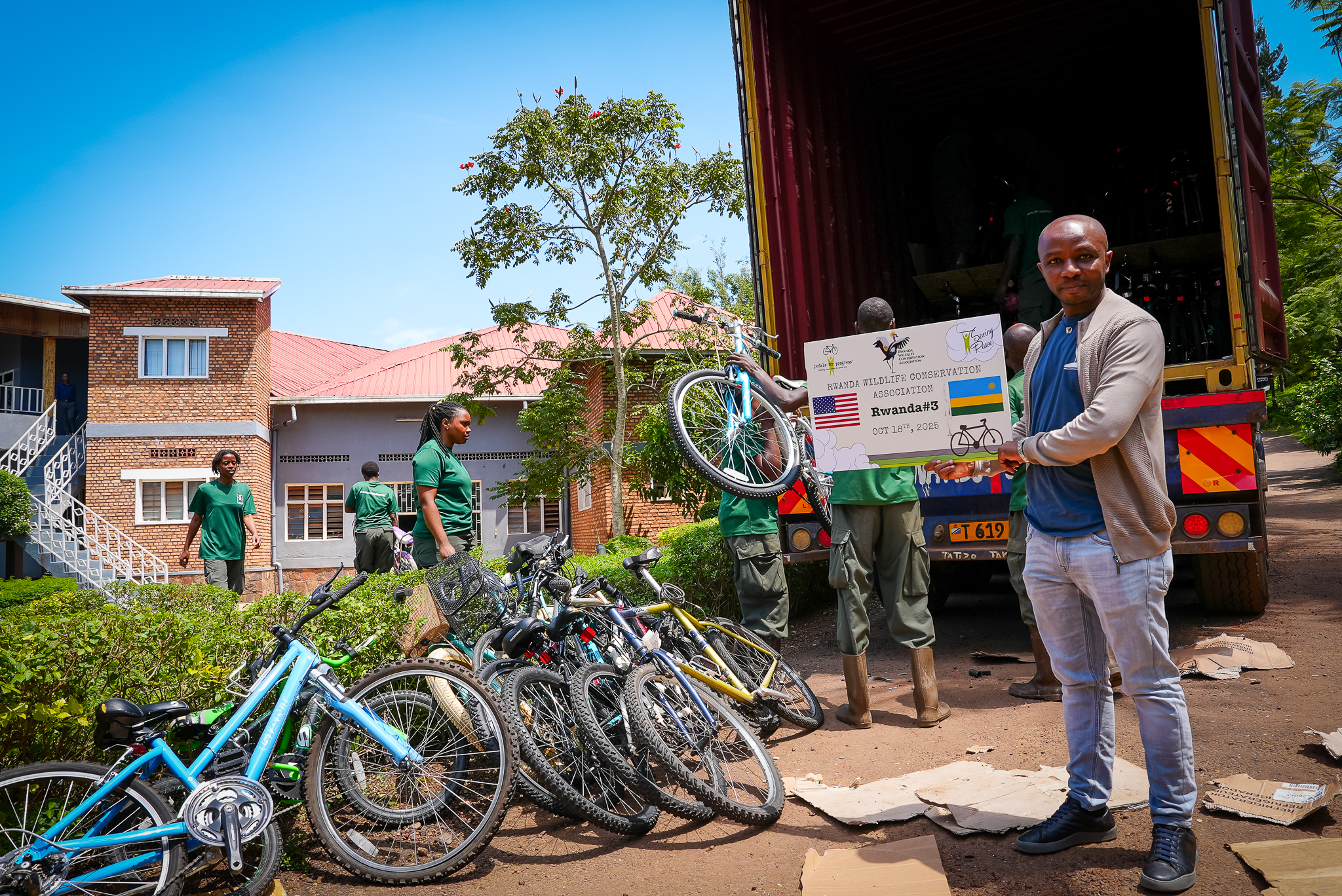 As we reflect on our 35 years of operation, it is a nice coincidence to check in with some old friends at the Rwanda Wildlife Conservation Association. Olivier Nsengimana and his organization have been hard at work and continue to make incredible conservation efforts. We shipped 429 bikes and 101 sewing machines in November; here are some wonderful photos of our bikes being offloaded.
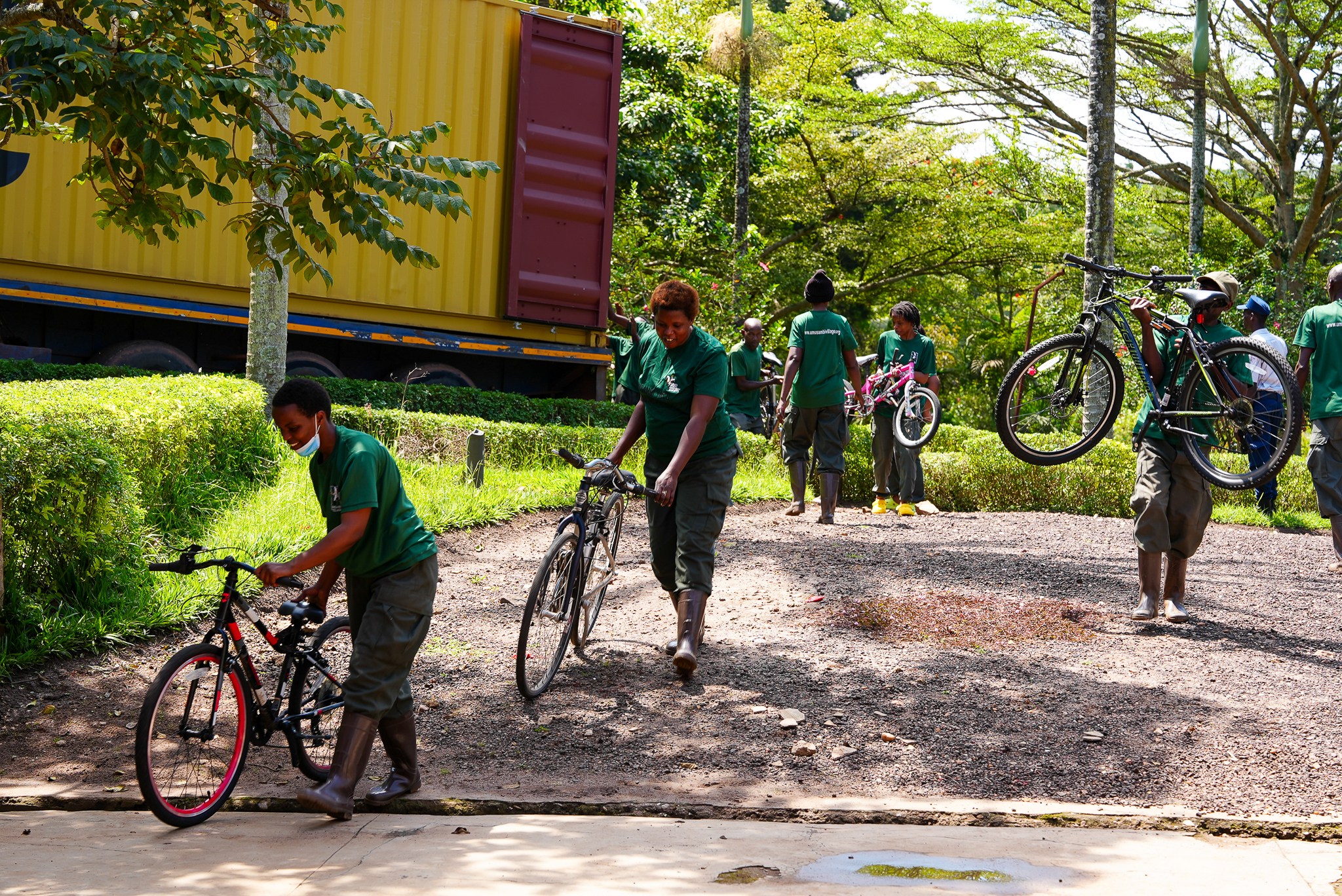 As we have documented in the past, many of our bicycles will again support rangers and scientists, who document and log various data for their conservation efforts. They’re also able distribute bikes to locals that live on and around conservation sites to give them mobility towards opportunity in more centralized markets. This environmentally friendly form of transportation also promotes a healthy bike culture that will further help protect the fragile ecosystem.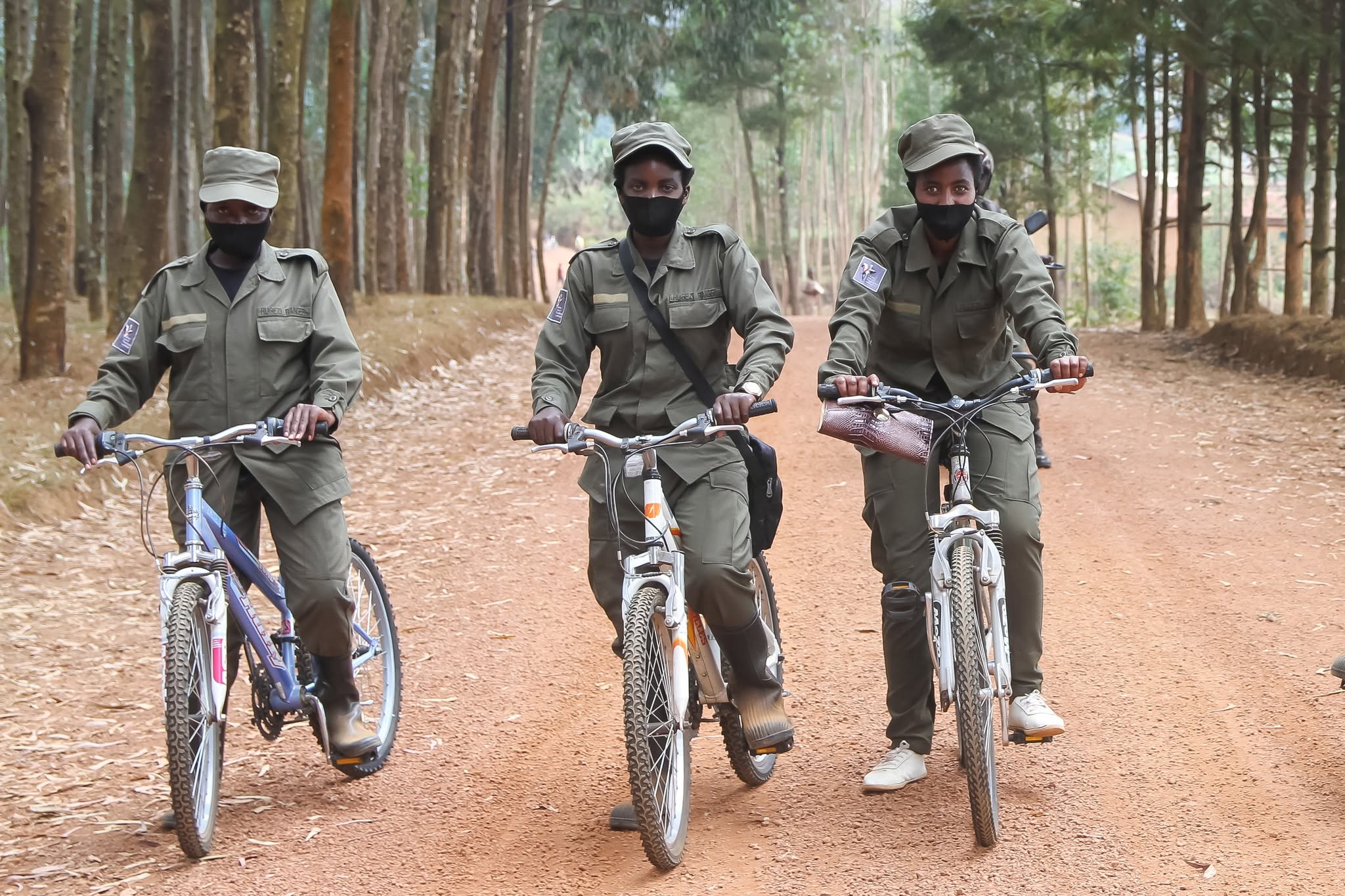
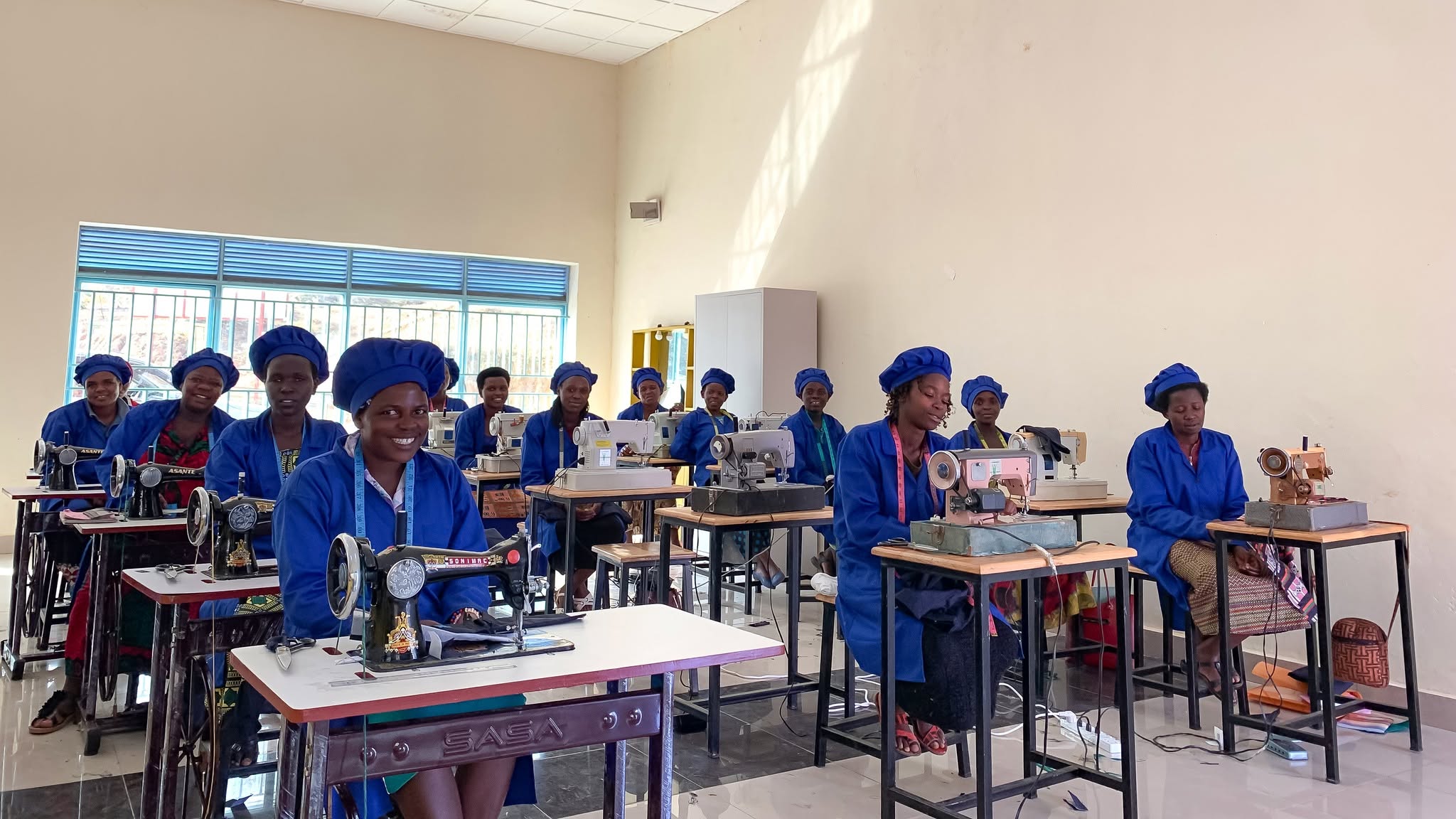 A major development in this shipment: we sent a large number of sewing machines. With 101 machines shipped in this last container, we hope to give valuable training tools and entrepreneurial opportunities to men and women who live alongside the natural and sensitive conservation grounds.
Local men and women often must make the best of their resources but trespass on conserved land. Women in communities around Rugezi Marsh traditionally rely on harvesting grasses from the wetland to weave mats for income. While this provides livelihoods, it also disturbs the marsh ecosystem and threatens vital breeding sites for the endangered Grey Crowned Crane.
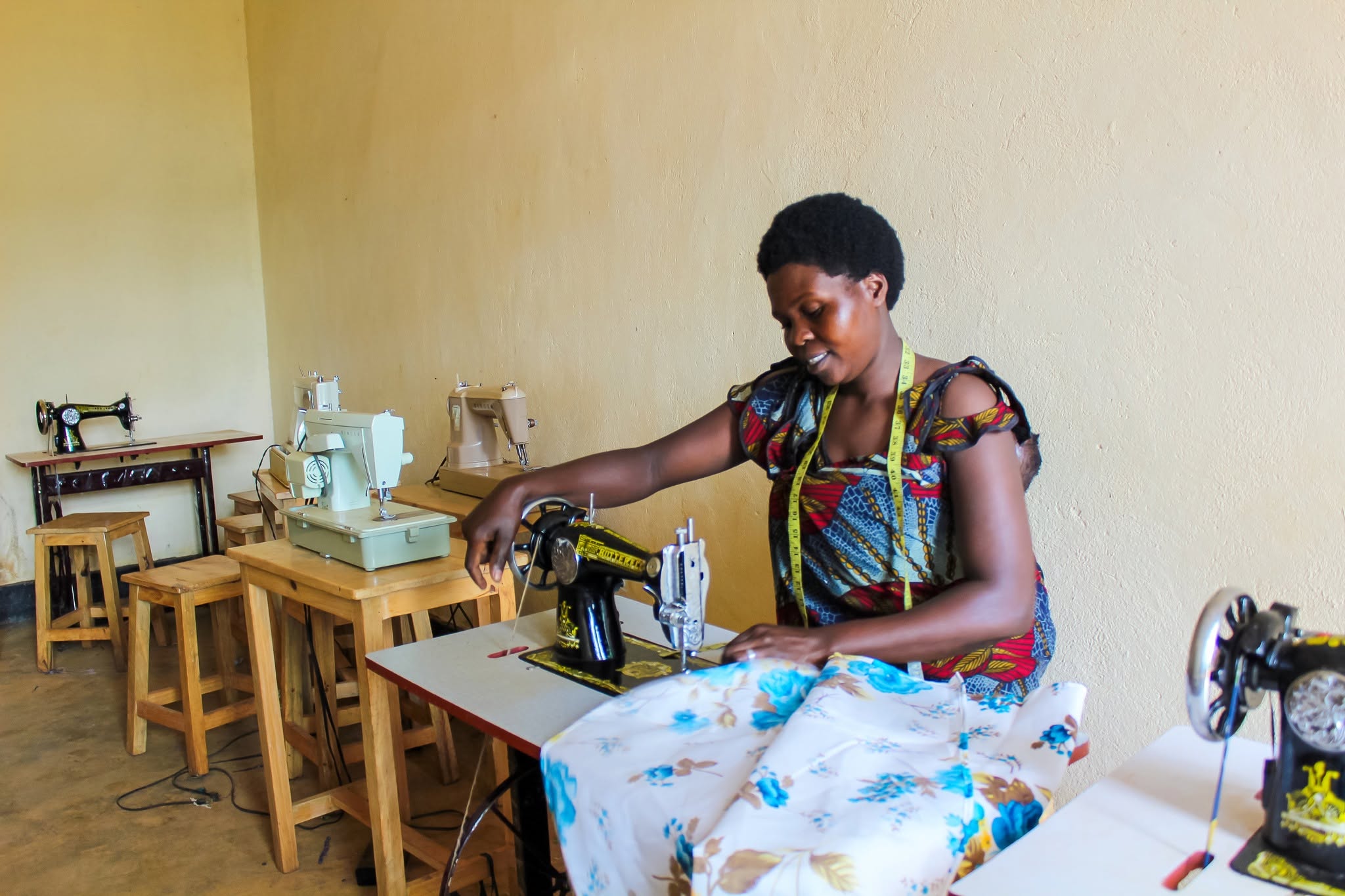 To address this challenge, RWCA supports women to find sustainable alternative sources of income, so they no longer depend on the marsh for survival. Through women’s sewing cooperatives and support from Sewing Peace, the RWCA is supporting 45 women to use practical skills in tailoring, enabling them to make clothes for themselves, their children, and for sale in local markets.
We are incredibly proud to support the RWCA as their conservation efforts go beyond the land it protects by serving the people who live around it. Thank you for helping us extend your beloved sewing machines and bicycles to wonderful programs like the Rwandan Wildlife Conservation Association.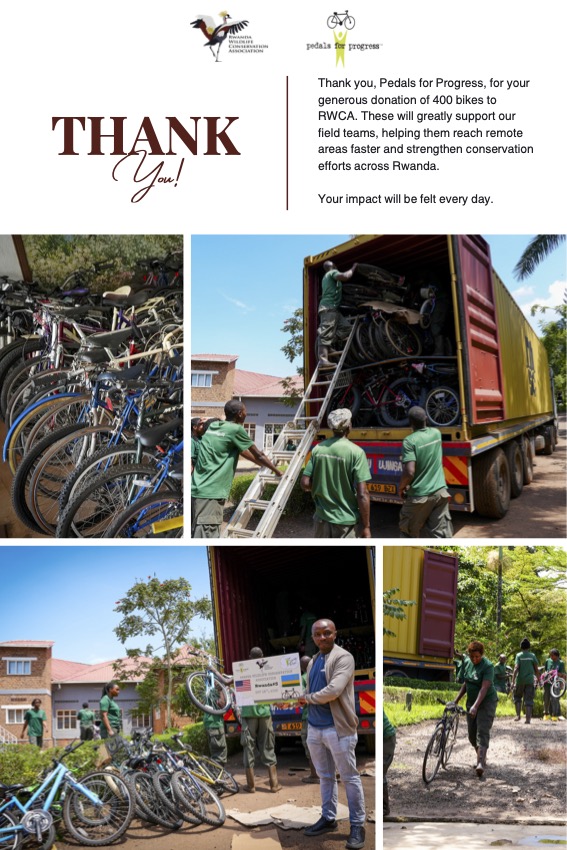
Sewing Machines in Tanzania, Spring 2026
Our Sewing Peace program continues to shine as we took on two new sewing machine partners kicking off our 35th year of operation. We are thrilled to give an update on 144 sewing machines shipped to Liberia and Tanzania! On December 9th we shipped 72 sewing machines to the Koimene Impact Foundation in Liberia. We followed it up with another shipment of 72 machines to Community Plus Organization (COPO) in Tanzania on December 10th.
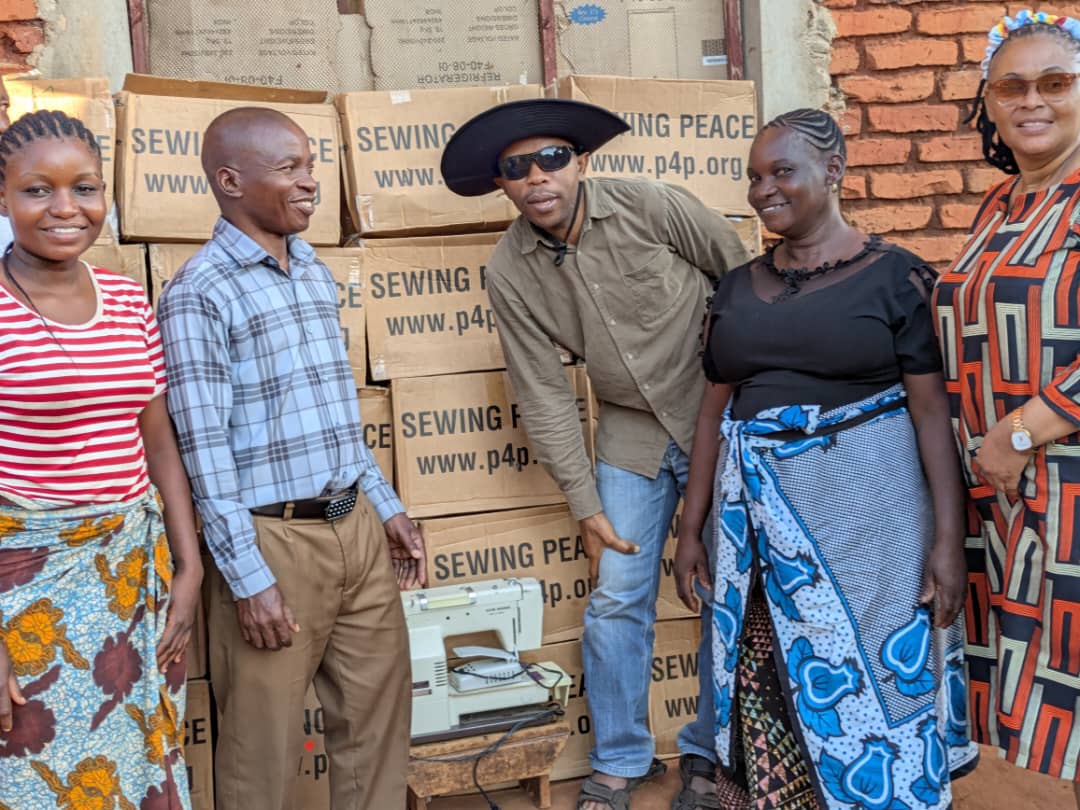 While we patiently wait for our items to clear in Liberian Customs (a process slowed by “bureaucracy” and other delays) we would love to give a warm welcome to our Tanzanian friends who have just received 72 machines we shipped this past winter. After a long journey, machines are finally in the hands of Community Plus Organization and will soon be in their schools.
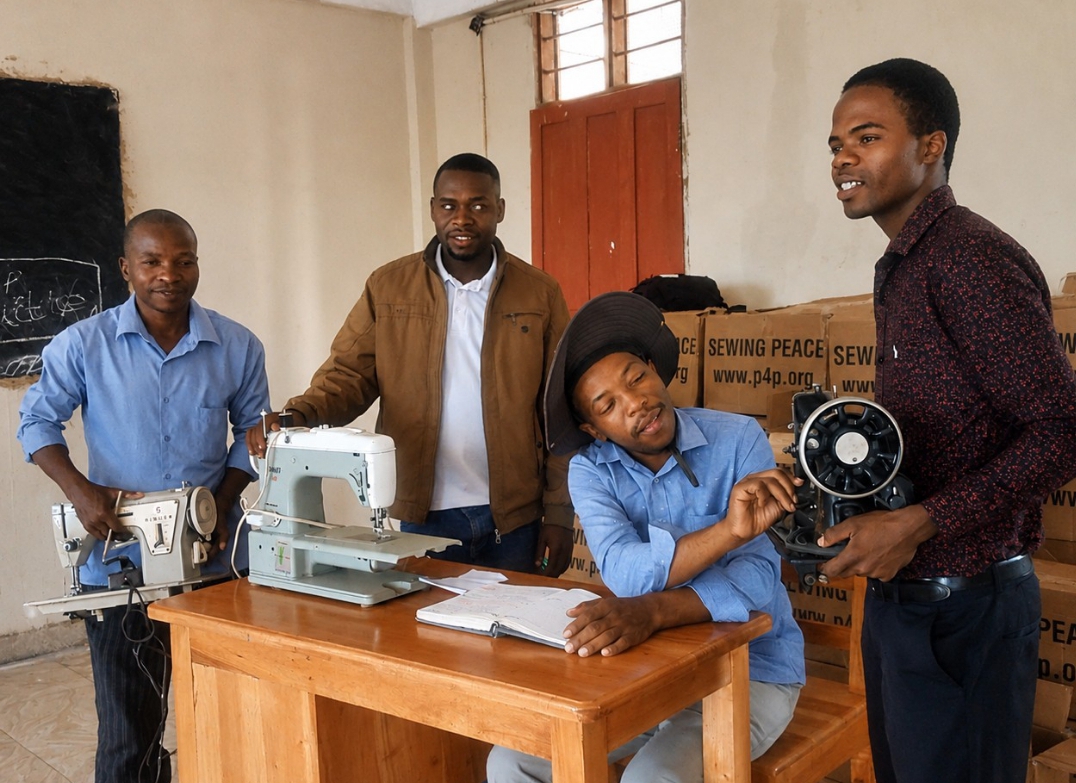 Community Plus Organization, a registered community outreach organization based in Mornogoro, Tanzania, are coming together to address common problems resulting from severe poverty. With limited access to basic functions of society, many rural communities around the world must implement creative ways to elevate their lives. Community Plus Organization implements community-based programs aimed at empowering vulnerable groups and promoting sustainable development in Tanzania.
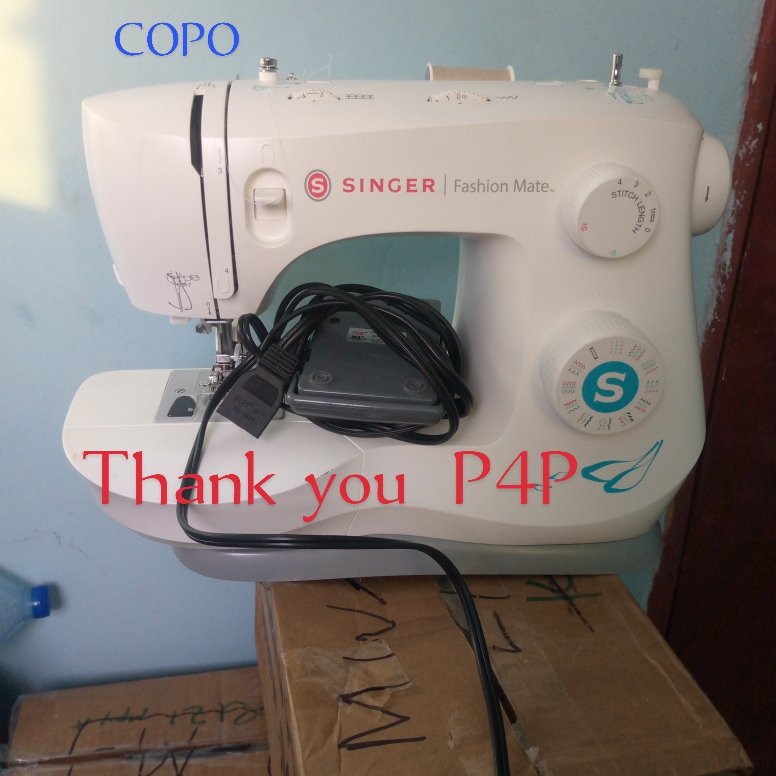 The structure of COPO includes three offshoots that address more specific needs. Our machines support their educational system of the Community Plus Green College. Here, our machines will be used to educate vulnerable men and women in the trade. The school further engages with students by offering vocational, technical, entrepreneurship, digital skills, environmental, and community development training programs giving practical knowledge and employable skills.
The second and third legs of COPO include a Community Plus Microfinance and the Community Plus Agro & Environment Initiative. It promotes access to responsible financial services through VICOBA strengthening, savings mobilization, financial literacy, entrepreneurship support, microcredit facilitation, and economic empowerment initiatives.
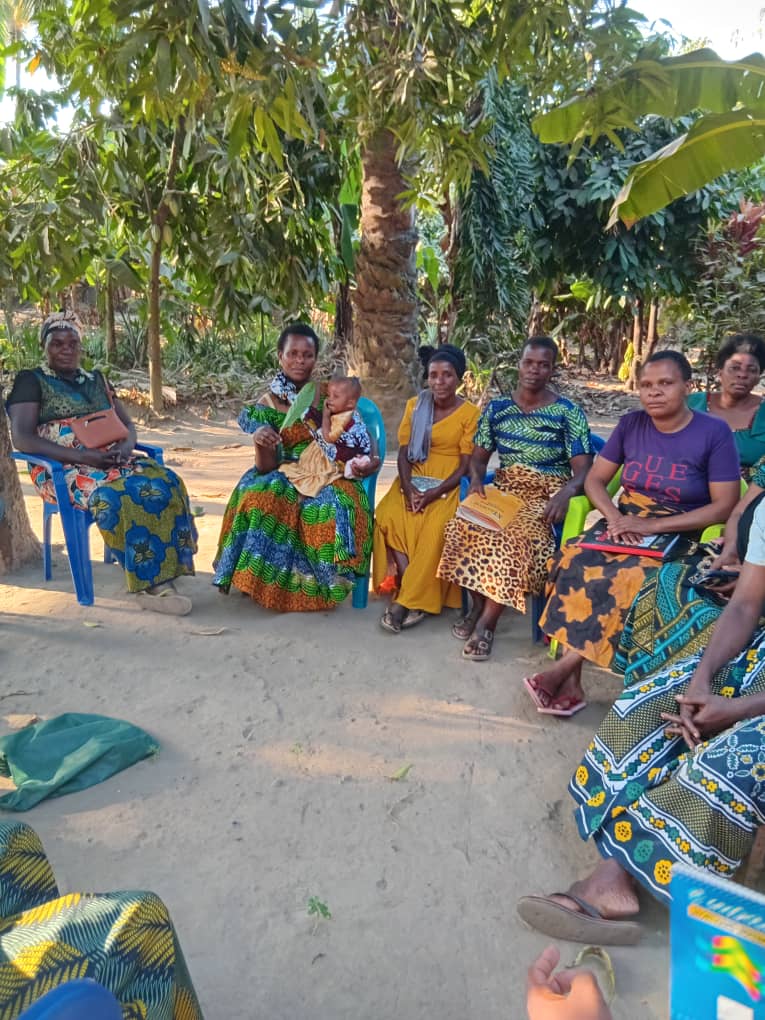 VICOBA programs are extremely popular in east Africa and are one of many ways people are fighting for their own financial success. The later leg promotes sustainable agriculture, environmental conservation, and community resilience programs. The initiative supports communities to improve food security, increase incomes, and protect the environment for future generations.
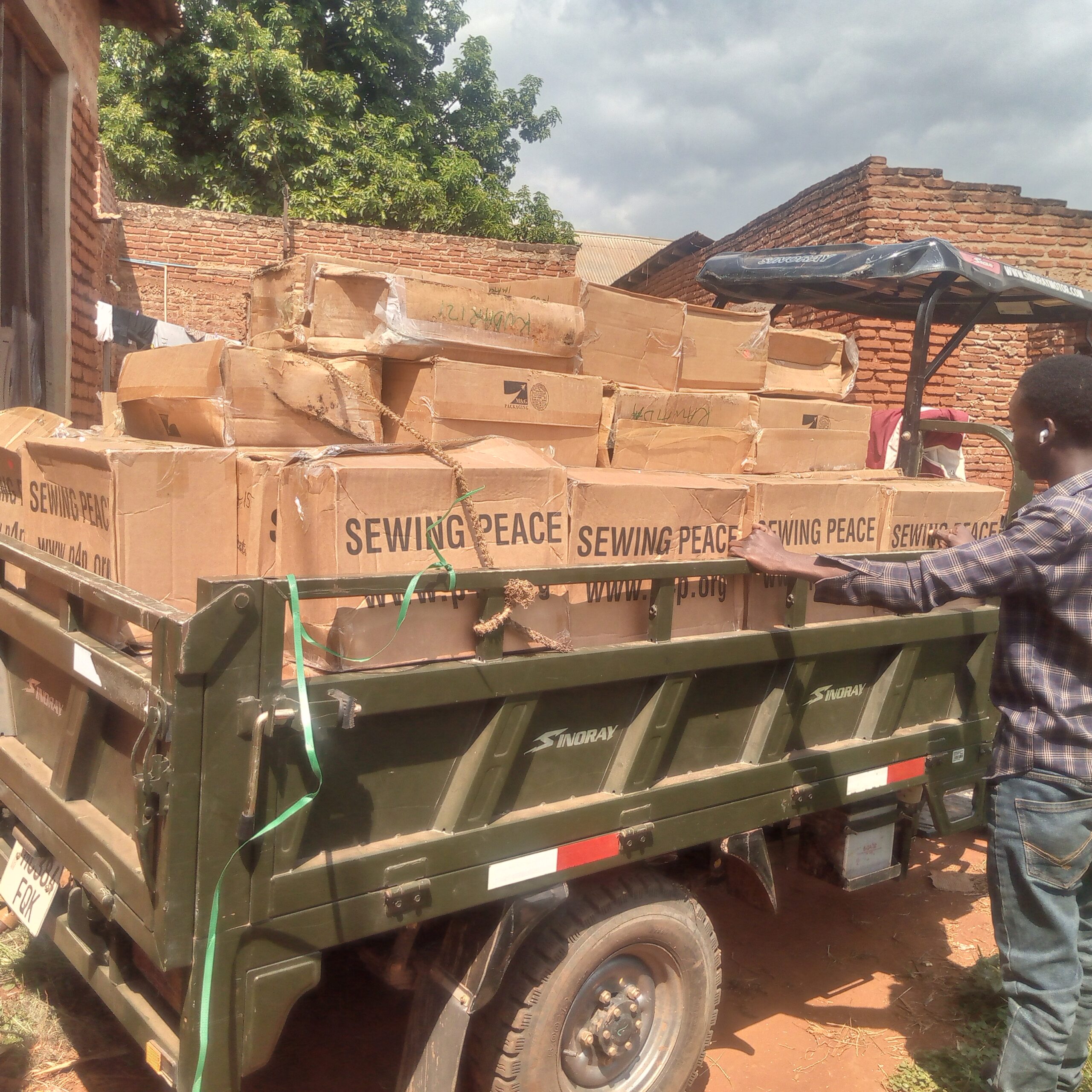 With COPO being newly established in their own right, we are excited to closely watch the organization progress in their community. We are fortunate to be able to support this fast-growing group that will be providing many resources to people, including our sewing machines and the world of possibilities they create.

Thank you for your support!
Sewing Machines in Mexico, Spring 2026
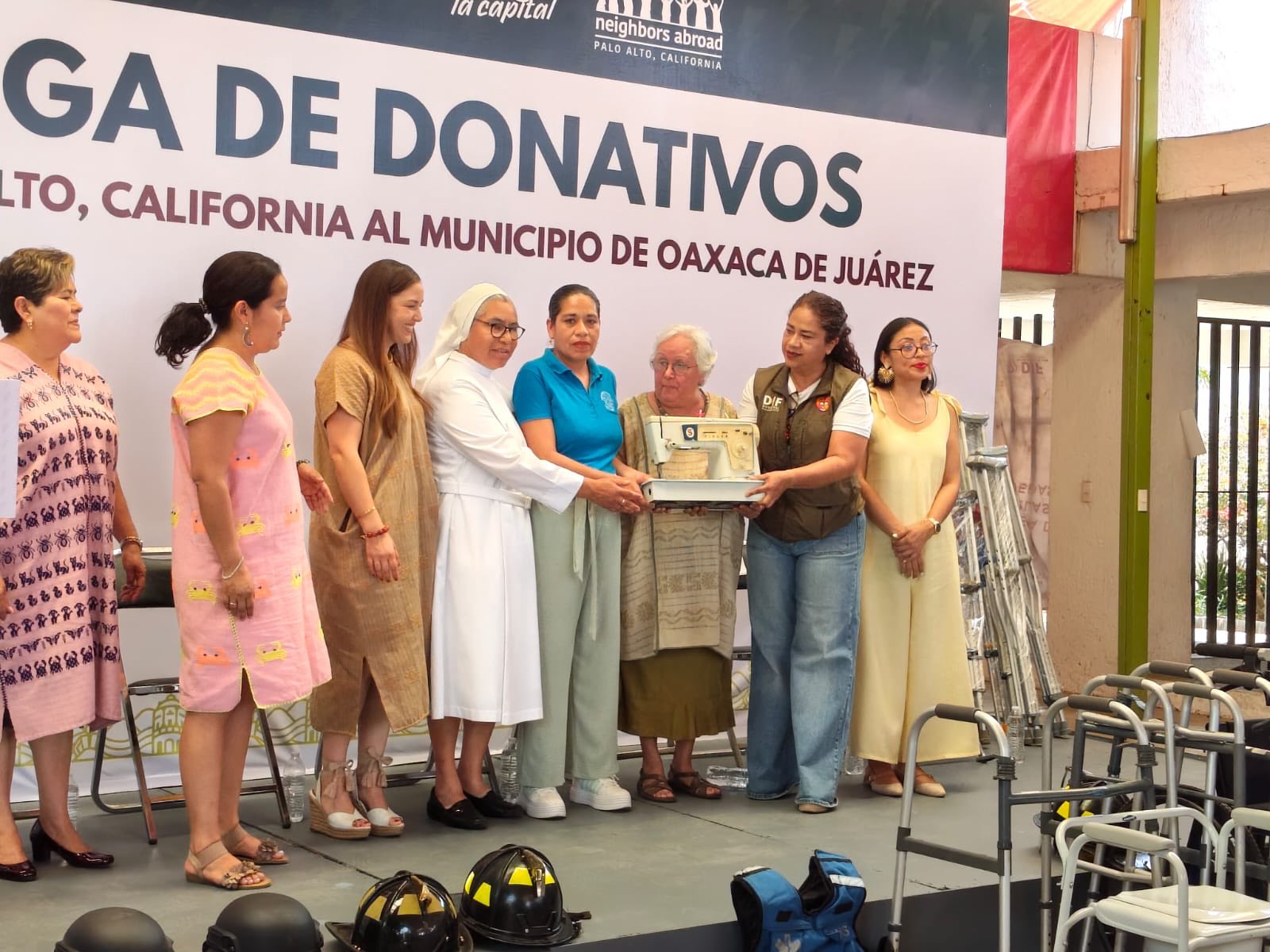 This spring, we are very happy to announce a shipment of 72 sewing machines that made their way across the border into Mexico. Marking our first shipment of aid to Mexico since 1999 it is an important and exciting milestone as we reflect on our 35 years of donating aid around the world. Through Neighbors Abroad in Oaxaca Mexico, we had an awesome opportunity to give sewing machine aid to women looking to jump-start their introduction into the trade.
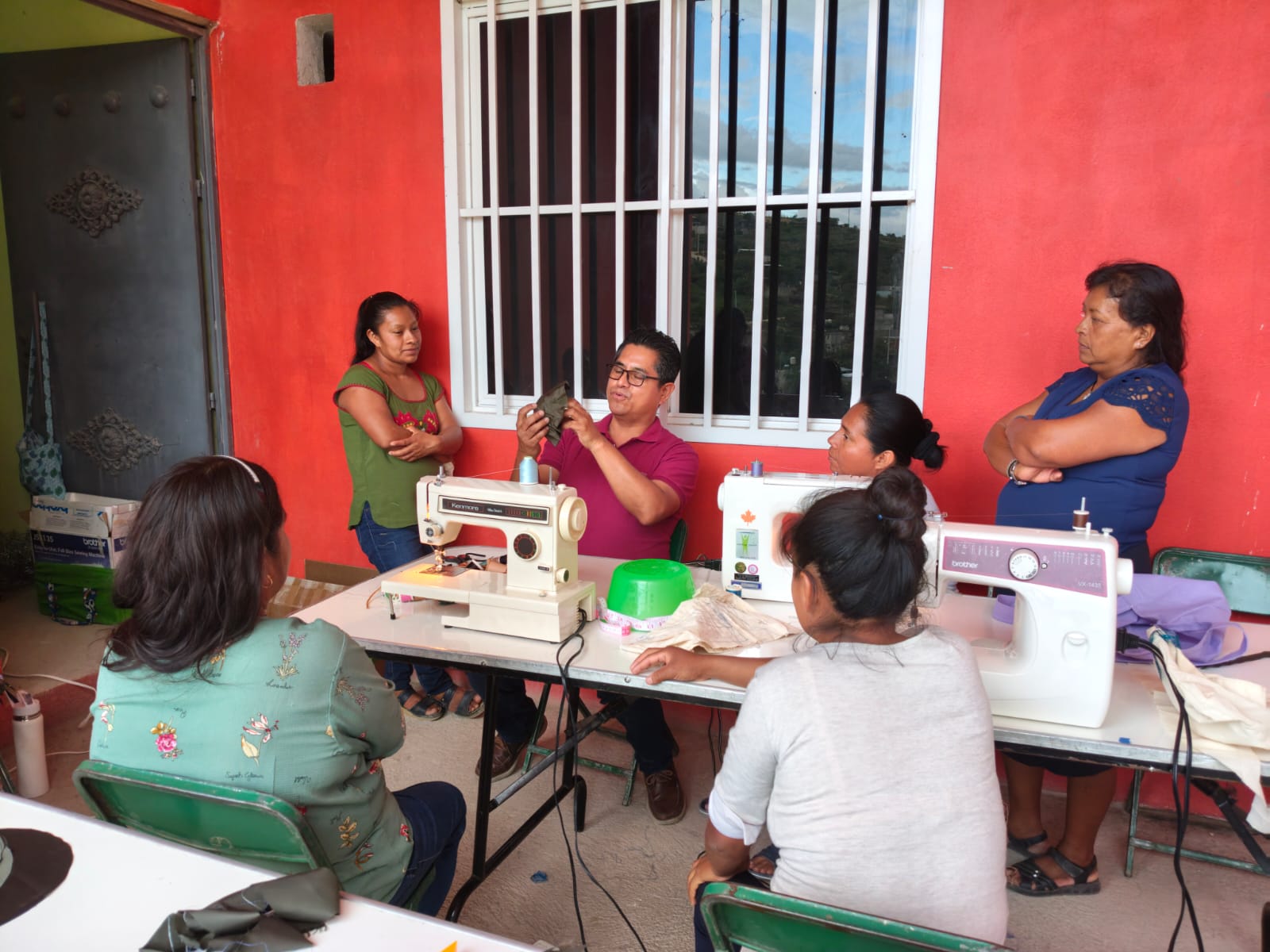 For an organization that ships aid around the world, we have had very few opportunities to ship to our direct neighbors down south. It is surprisingly difficult to ship aid to Mexico, especially for smaller non-profits like P4P and Sewing Peace, as there are many more rules and regulations that limit the type of used goods that can be sent. Very specific inventory regulations and various taxes make it more challenging and expensive compared to other regions we ship to. The political climate that has consumed Mexico through my formative years has also made it a quiet goal of mine to donate to our direct neighbors. We’ve simply never had a good chance.
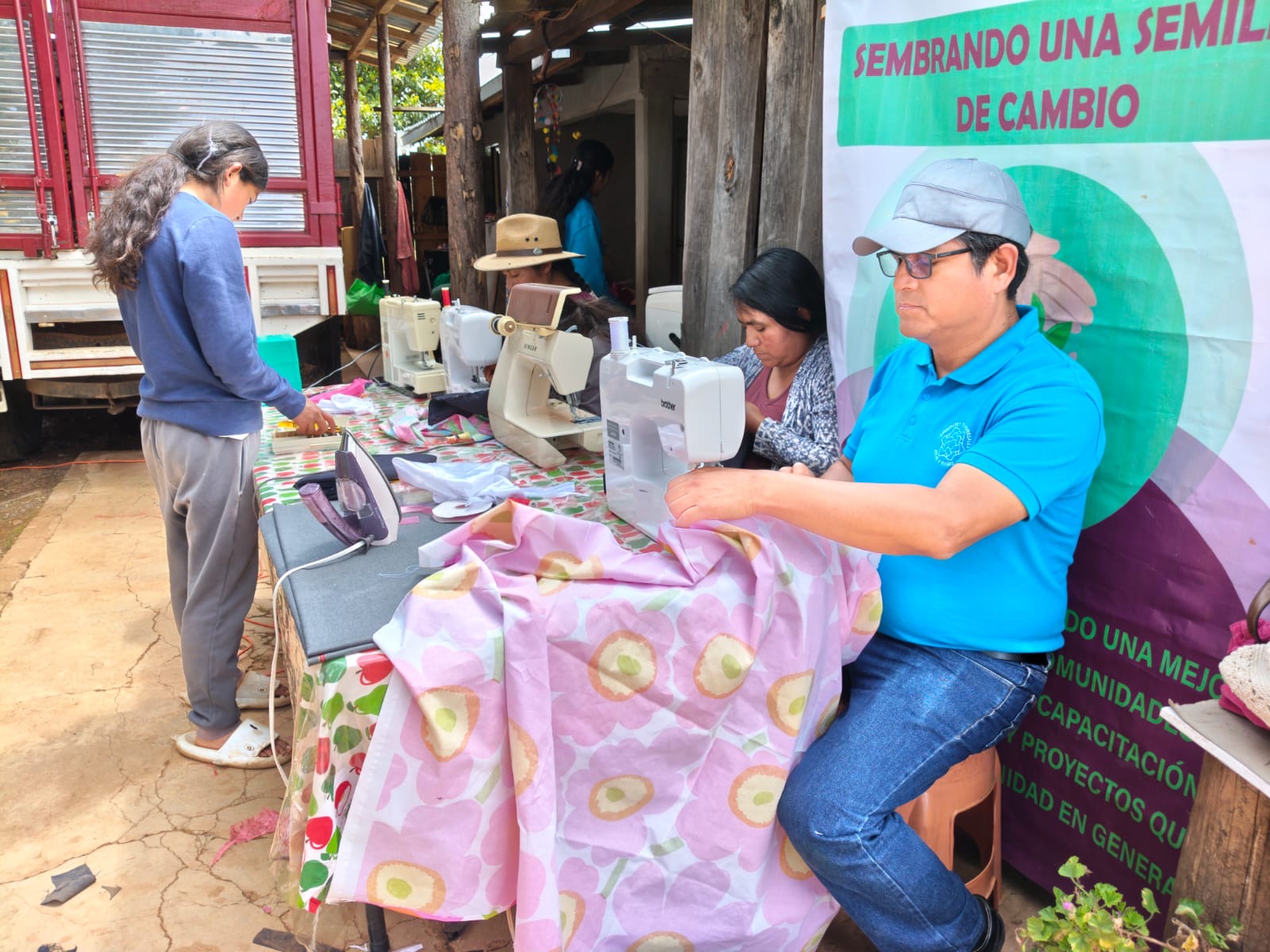 Cue the magic of Rotary. Ken Sanchez with the Rotary Club of North Hunterdon was instrumental in our efforts for this special shipment. Through connections with an organization based in Mexico, Vidas Y Suenos (Lives and Dreams), we were approached to collaborate on a special project.
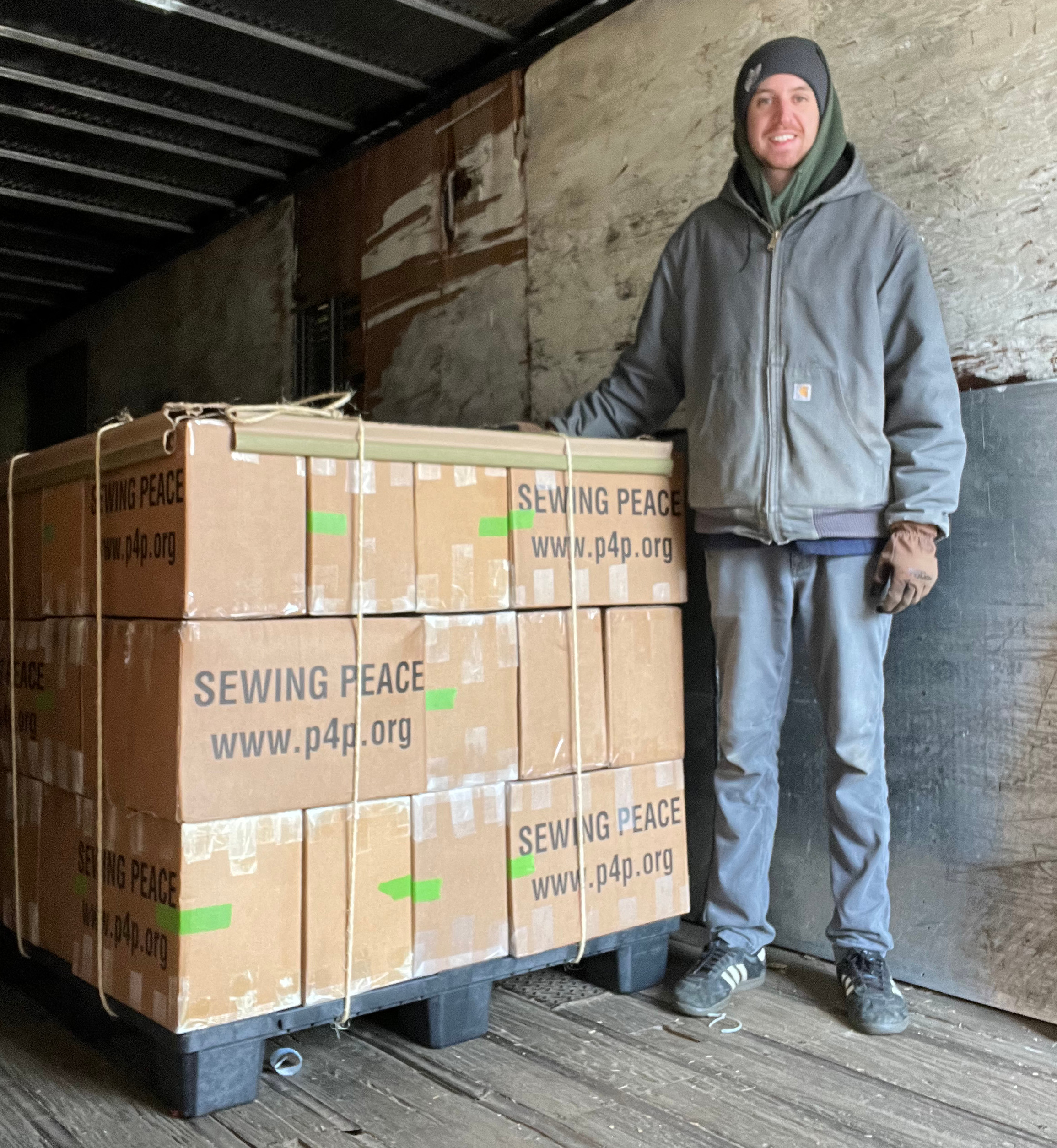 With Sewing Peace actively looking for new applicants, we had room for a shipment of machines to contribute to this great cause. Graciously supporting the shipment of the machines, the North Hunterdon Rotary Club helped us get these machines to Texas where they would join a batch of other aid heading to Oaxaca.
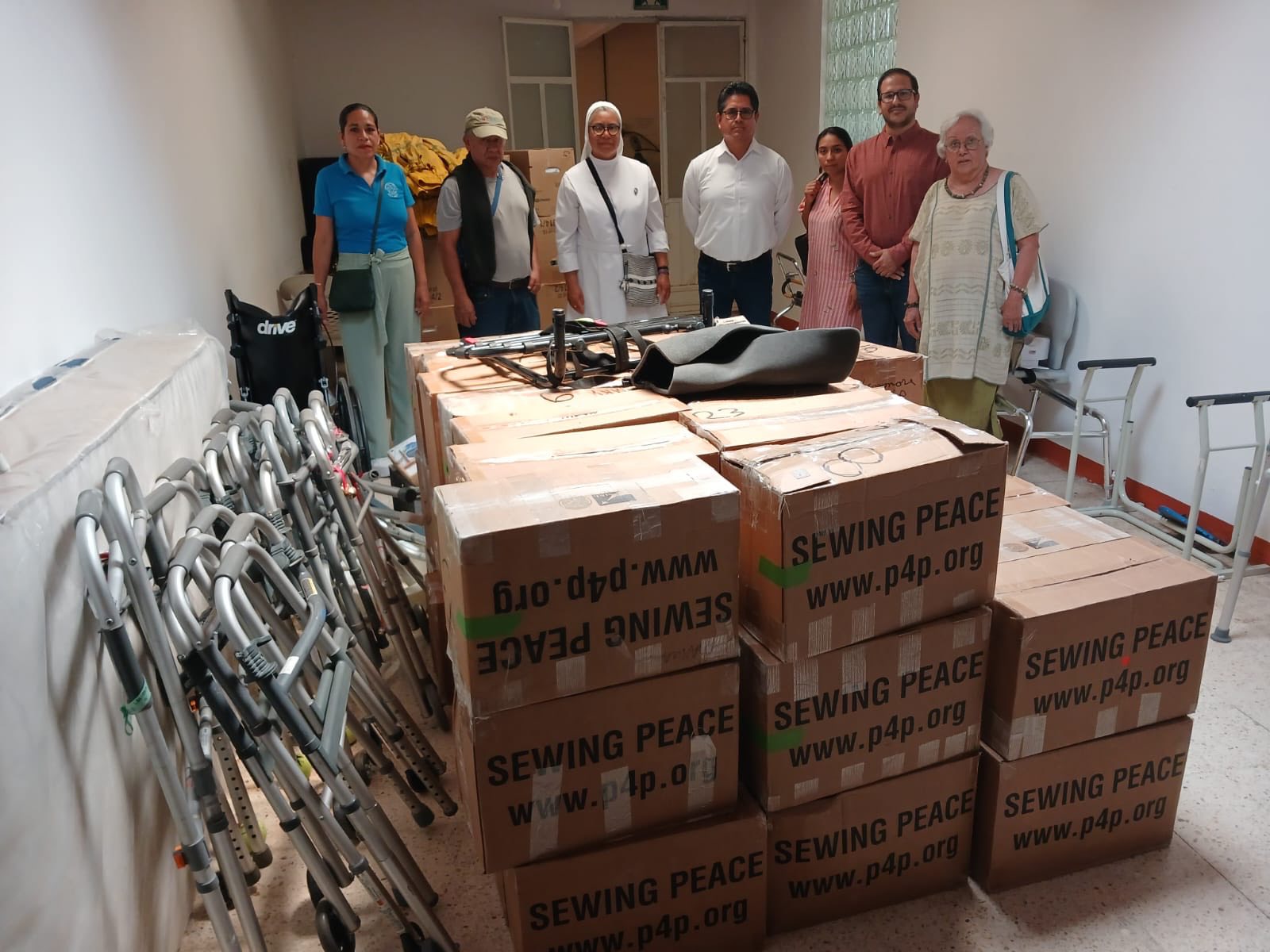 With special help from the local government of Oaxaca and the ongoing support Neighbors Abroad has established, the organizations were coordinating a package of fire equipment and medical equipment to be sent to the region. With many successful shipments under their belt, their warm welcome made it very easy for us to join in on the initiative.
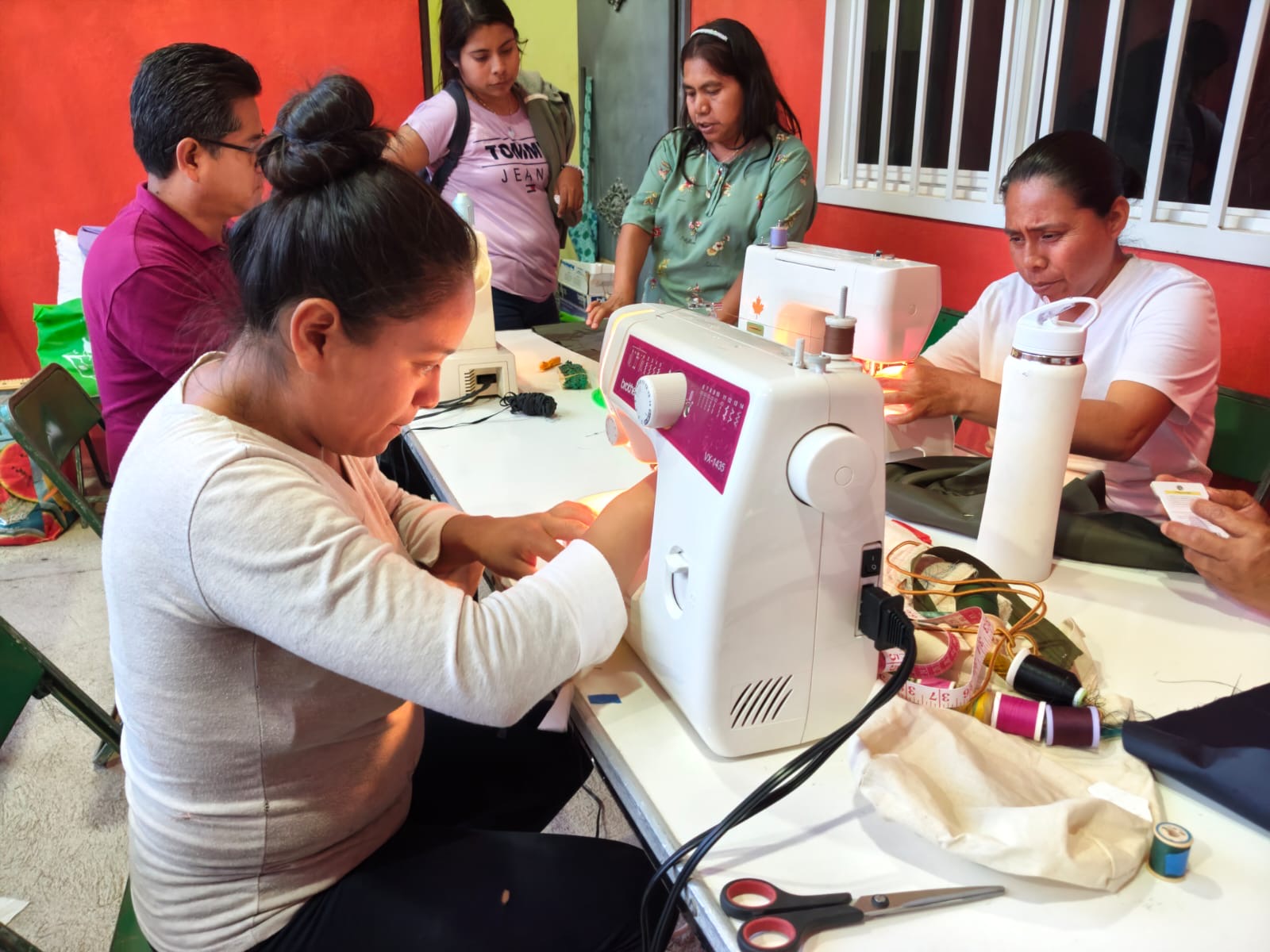 Beyond being a small rural area in Mexico that greatly needs this kind of aid, the artistic tradition in Oaxaca further cements our excitement to this cause. Providing sewing machines to such an artistic community will extend their use. Investing in the development of skilled artisans helps them sell and market important native and contemporary art that puts food on their families’ plates.
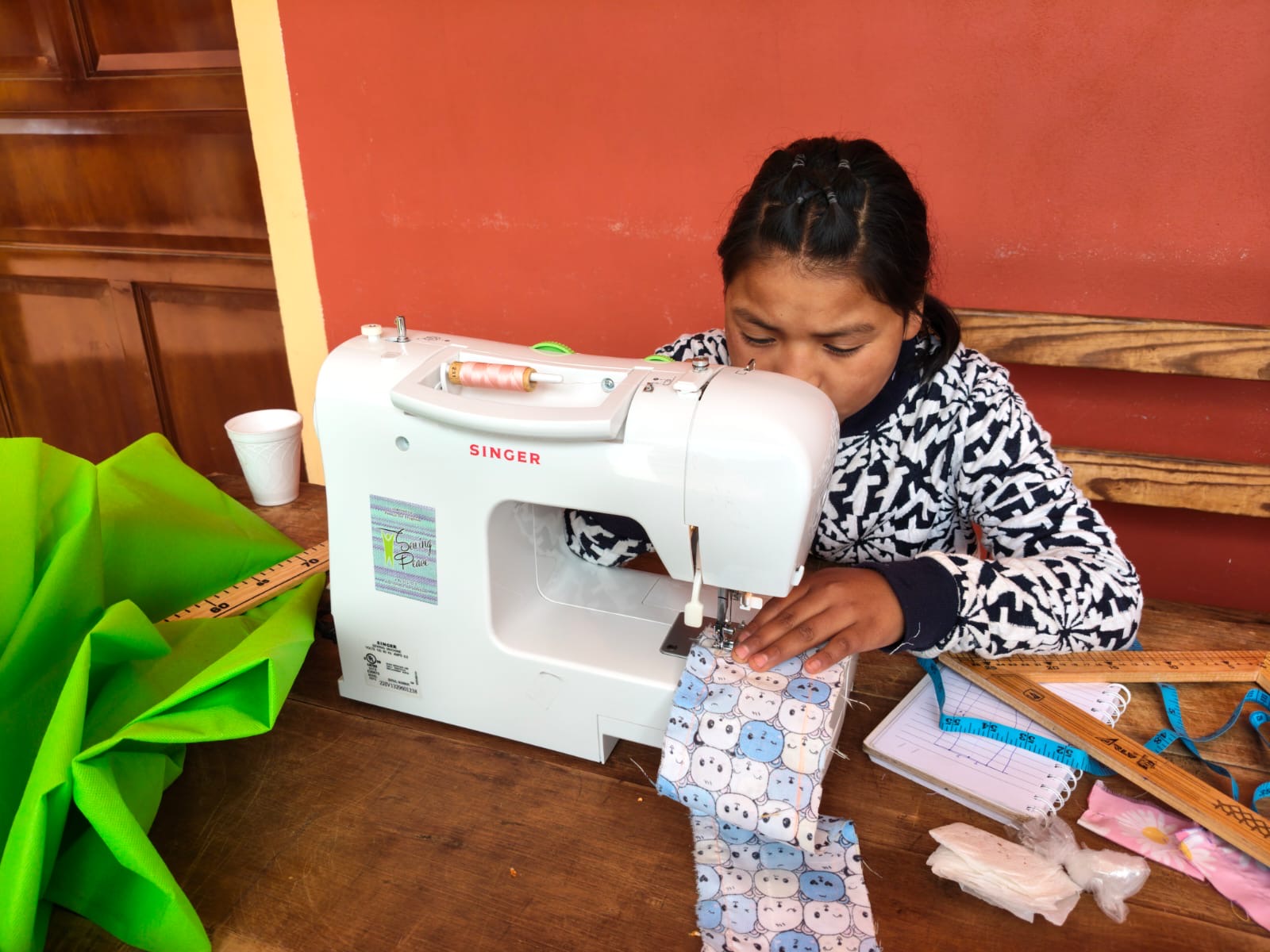 The connections sewn together to make this shipment possible have made for a very successful endeavor that we’re happy to be part of. We’re incredibly thankful for all our donors who came together this past year and donated their beloved sewing machines. On behalf of Neighbors Abroad and Vidas Y Suenos, we’d like to thank you for contributing to the betterment of people in Oaxaca and beyond.
Sewing Machines to Oaxaca, Mexico
On March 13th, 2026, we shipped 72 sewing machines to Oaxaca, Mexico, with the North Hunterdon Rotary Club in support of Neighbors Abroad. With help from local governments, we had a special opportunity to ship to our direct neighbors down south as part of a shipment of humanitarian aid to the region.
Oaxaca is a lively town recognized world-wide as one of Mexico’s creative and artistic centers, known for the region’s fantastical folk art and other highly regarded crafts. Oaxaca and the surrounding region face economic, healthcare, and other challenges typical of developing countries. Our sewing machine aid is a perfect supplement to bolster the economic opportunities a sewing machine can provide in a lively, artistic community.
Report from Guatemala, Spring 2025
Spring 2025 Newsletter
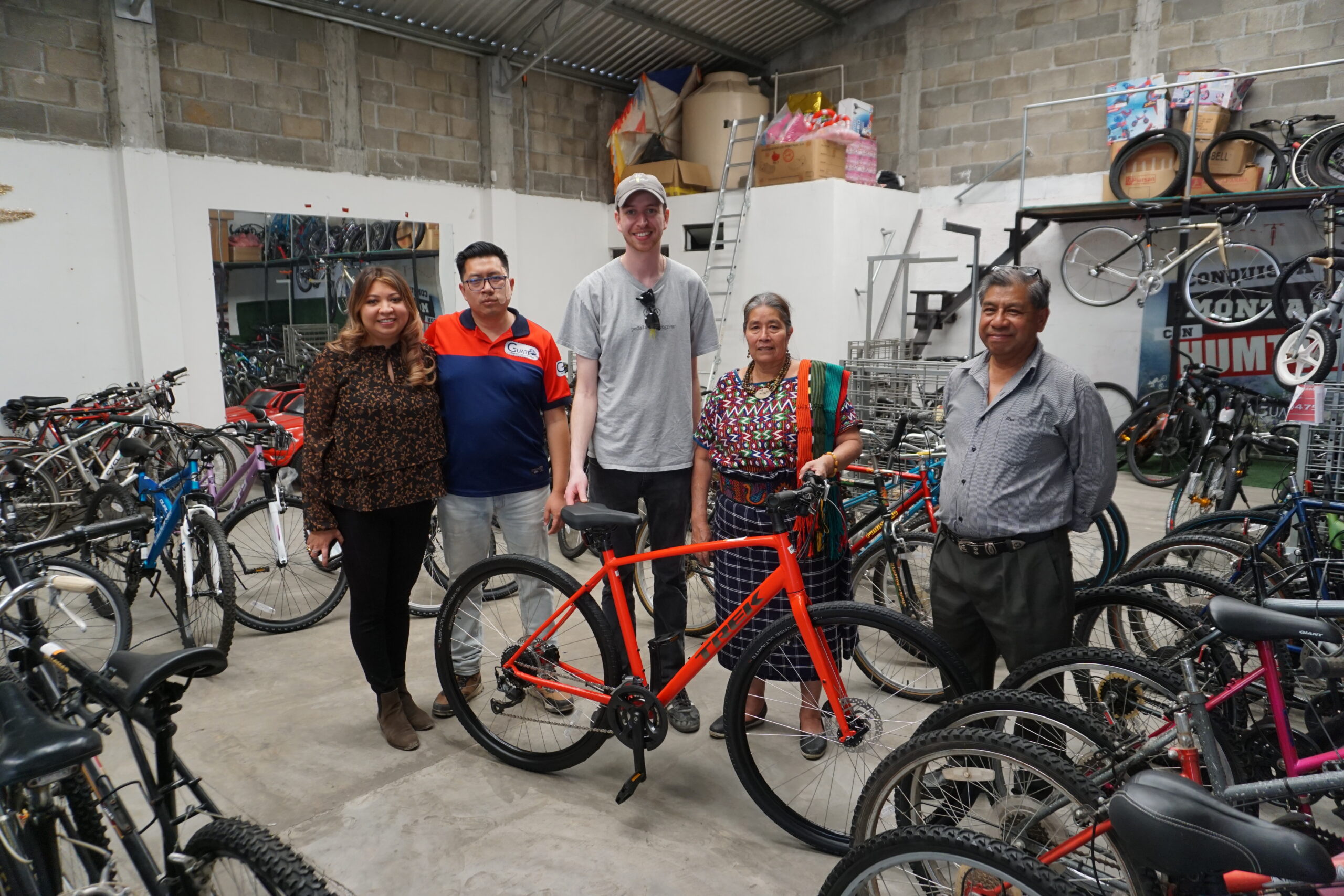 For the last 25 years, Pedals for Progress has made annual shipments of bikes and sewing machines to FIDESMA, a community outreach program located just outside Chimaltenango, Guatemala. FIDESMA serves its community of San Andrés Itzapa through various programs focused on food security, educational support, and women’s empowerment in business.
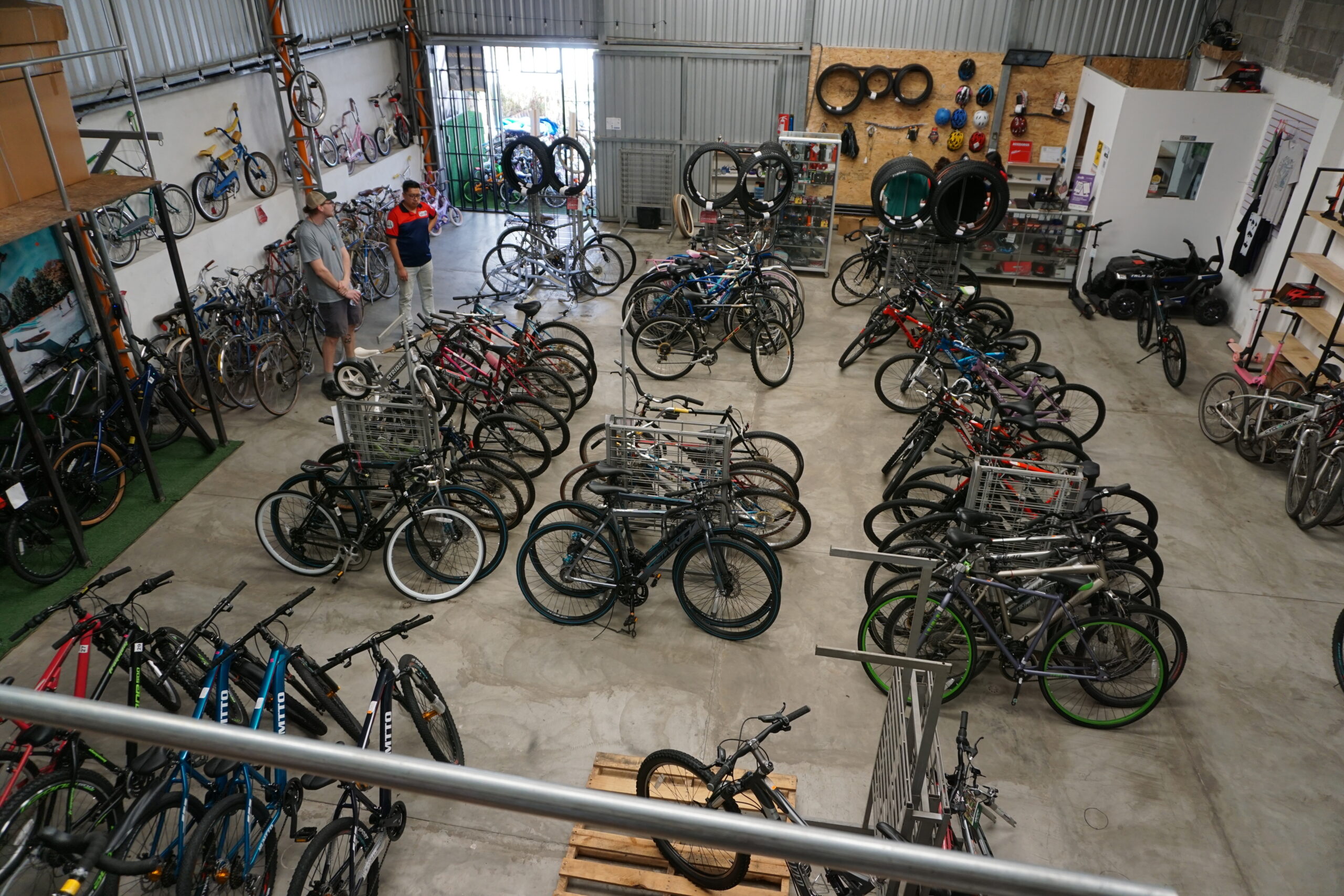 Using their EcoBici program, they extend their community impact through the distribution and sale of our donated bicycles. FIDESMA and its EcoBici bike shop have sustained themselves for 25 years and serve as a textbook example of what Pedals for Progress aims to achieve. By selling some of their bikes at low cost, our partners help generate revenue to maintain their operations and fund their community outreach.
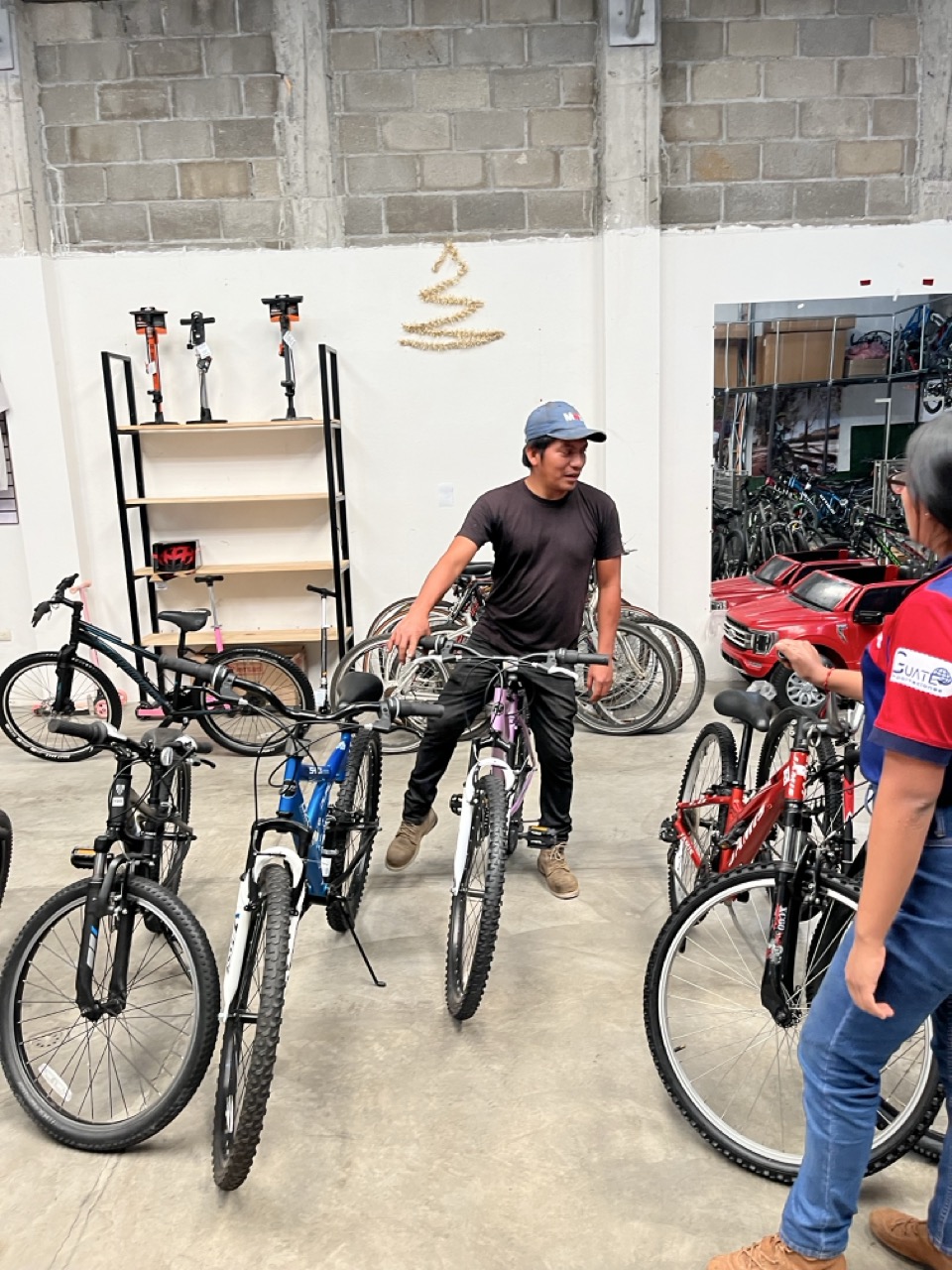 Working people who buy these bicycles have a vested interest in maintaining them. This not only promotes long-term use, but also feeds back into the success of the shop, which hires more people and helps develop specialized labor. The economic success of this small enterprise is how we’ve been able to contribute to the local economy of Chimaltenango while supporting FIDESMA’s broader mission.
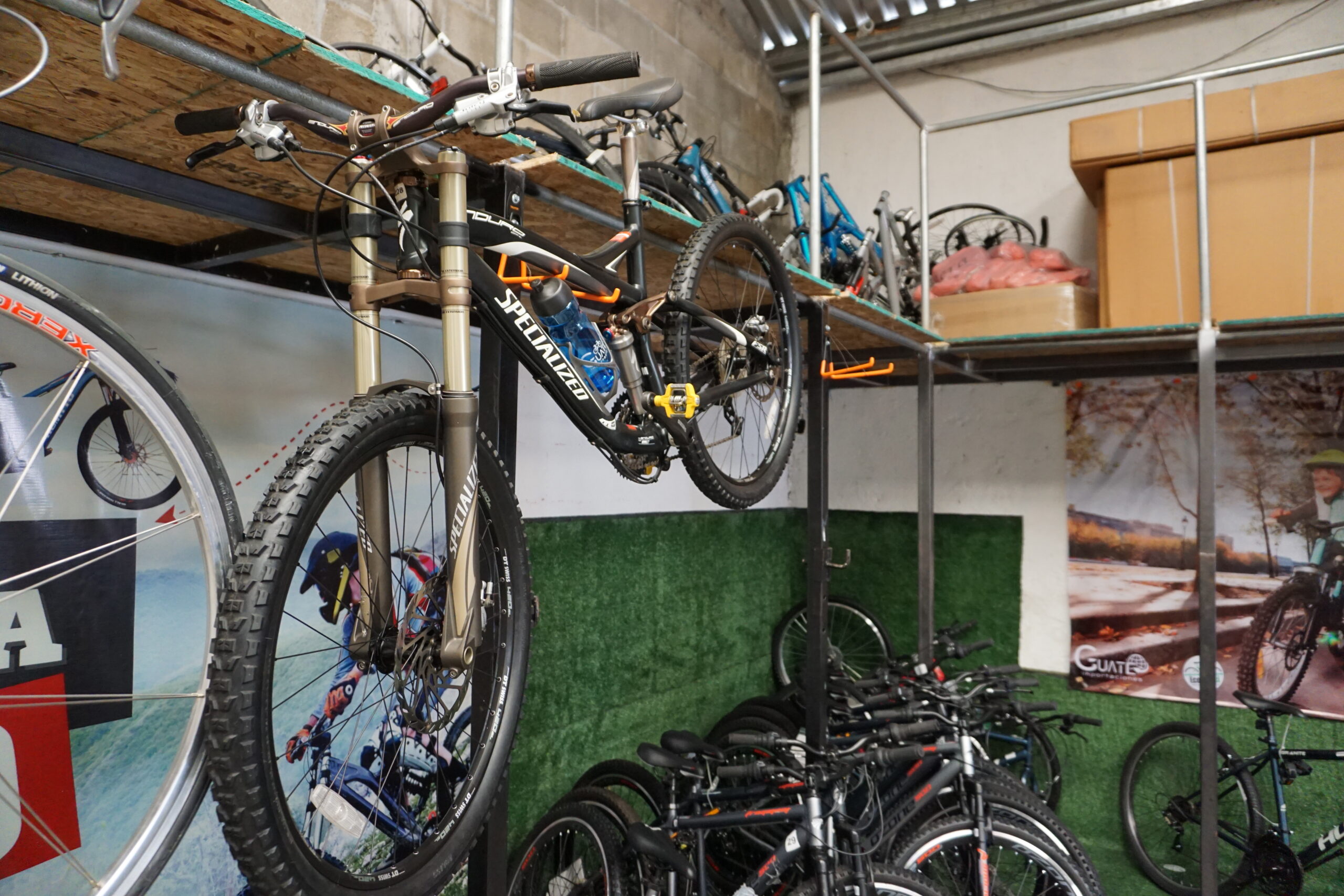 FIDESMA’s current inventory includes many bikes we shipped back in October. The range of bicycles we collect in the U.S. ends up being a major selling point once they reach our international partners. From vintage Schwinns from the ’70s and ’80s to modern Trek mountain bikes, the variety helps shops like EcoBici serve a diverse customer base. This range is on full display at EcoBici, where bikes are organized by price category: older Schwinns ranging from $30–$50, mid-level Mongooses and Treks priced between $50–$100+, and even a top-shelf Specialized model tagged at $800. It’s a great example of a healthy storefront offering a fair, tiered marketplace.
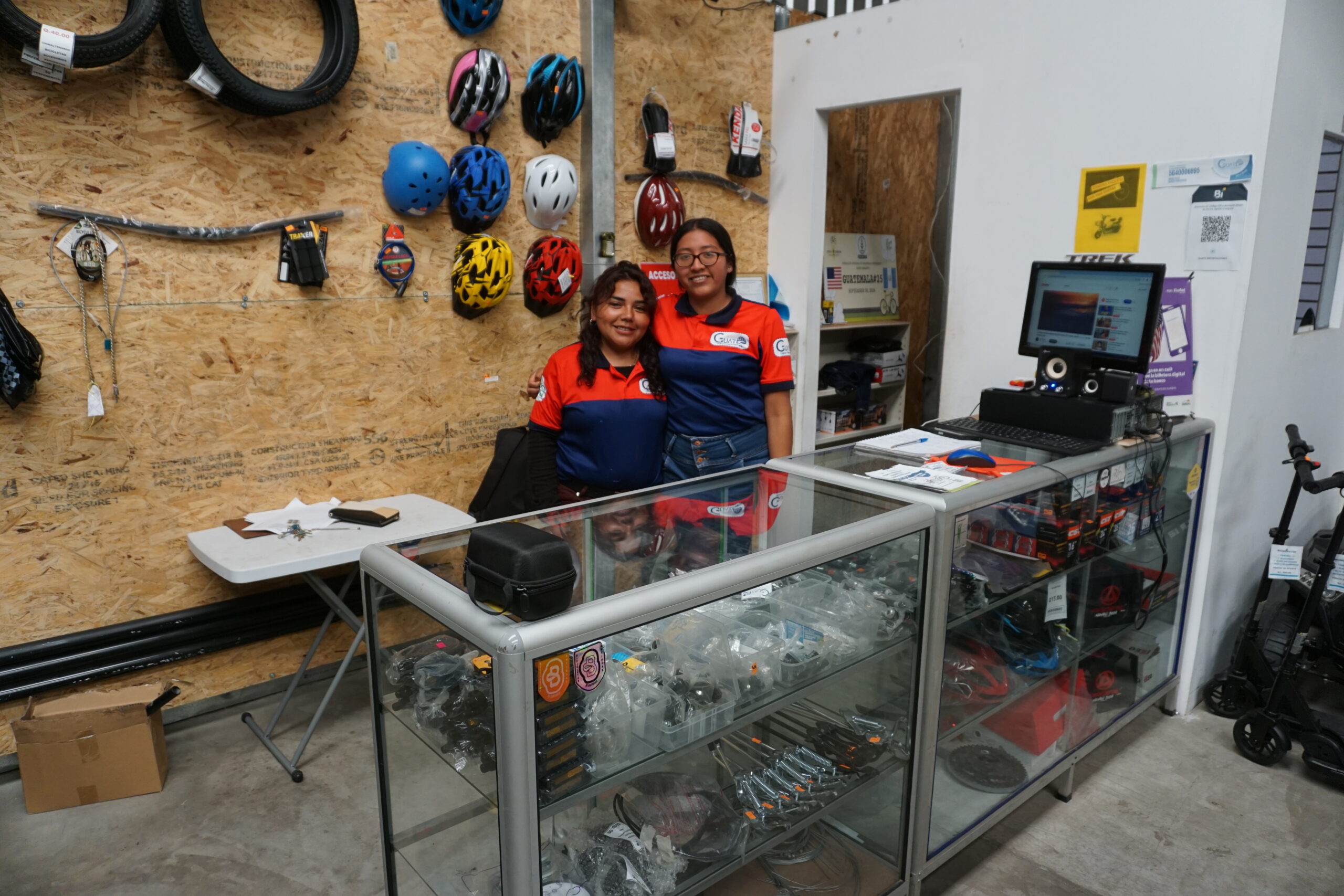 This all ties back to the “theory” behind Pedals for Progress. We want our partners to succeed and earn a living through our donated bicycles. We are extending the life and value of products that hold real significance in smaller marketplaces like San Andrés Itzapa. Fanning the flame of a blossoming economy is how we can accelerate progress and stretch the impact of bicycles once headed for a landfill. We’re proud to stand beside partners like FIDESMA who take our mission to heart. Here’s to 25 years of impact—and many more to come.
Women’s Group and Bike Donation
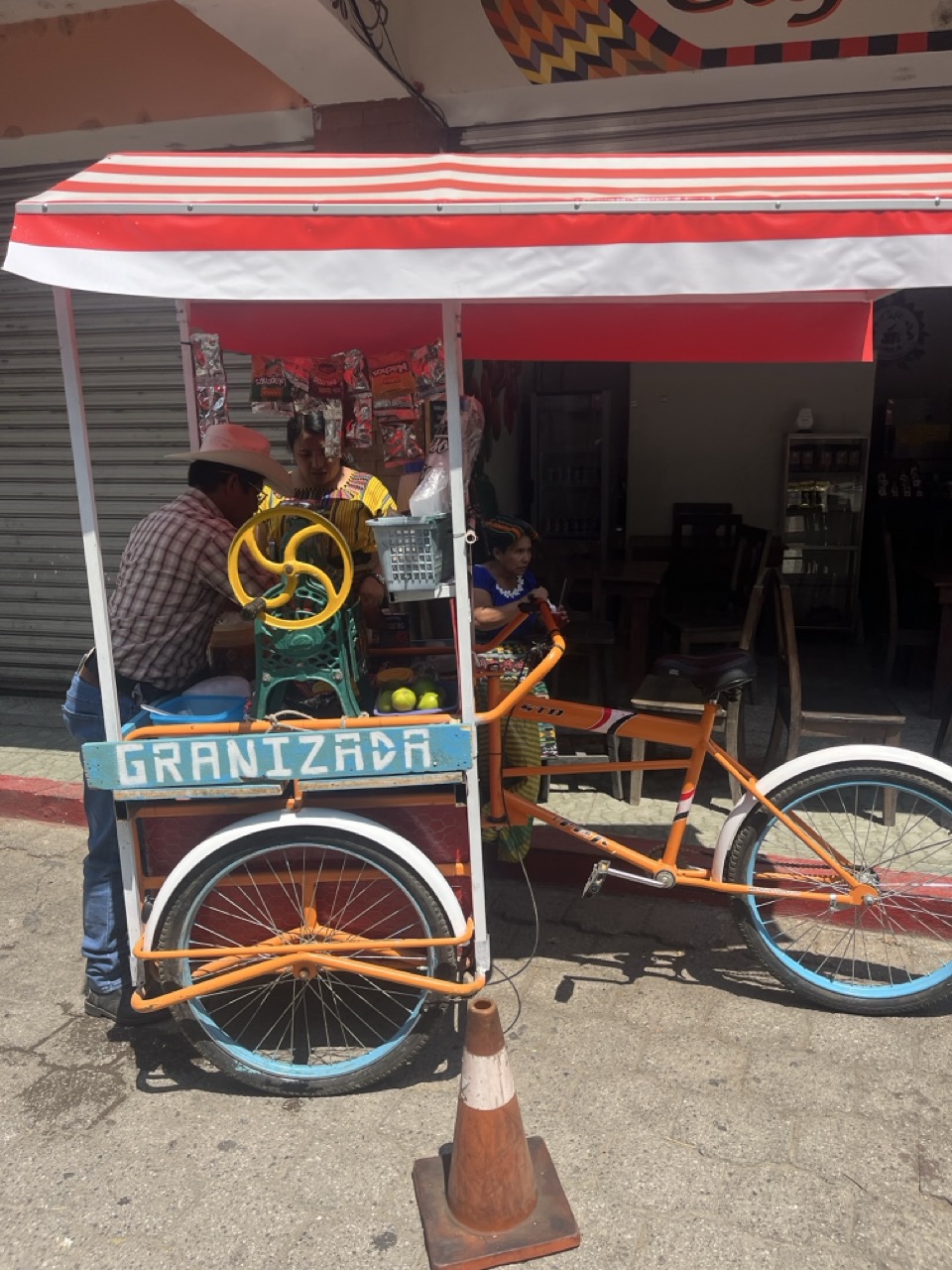 The auxiliary programs we support in the developing world are often funded through the sale of bicycles we ship. In many places here in the United States, other charities that collect used bicycles will sell a large portion domestically to help offset their operating costs. At Pedals for Progress, we pass that same opportunity on to our partners overseas. We want our partners to benefit from the sale of bikes in their local markets, using that income to fund community outreach and development work where it’s needed most. As a result, we’re proud to say that P4P donates 100% of the new and repairable bikes we collect.
 For lack of a better term, a kind of “trickle-down” economy begins to take shape. While our partner bike shops generate revenue, they are also running a local business and using their extra funds to support their communities. FIDESMA in Guatemala continues to be an incredible example: several of their offshoot programs provide aid through feeding programs, bicycle donations, and support for indigenous women.
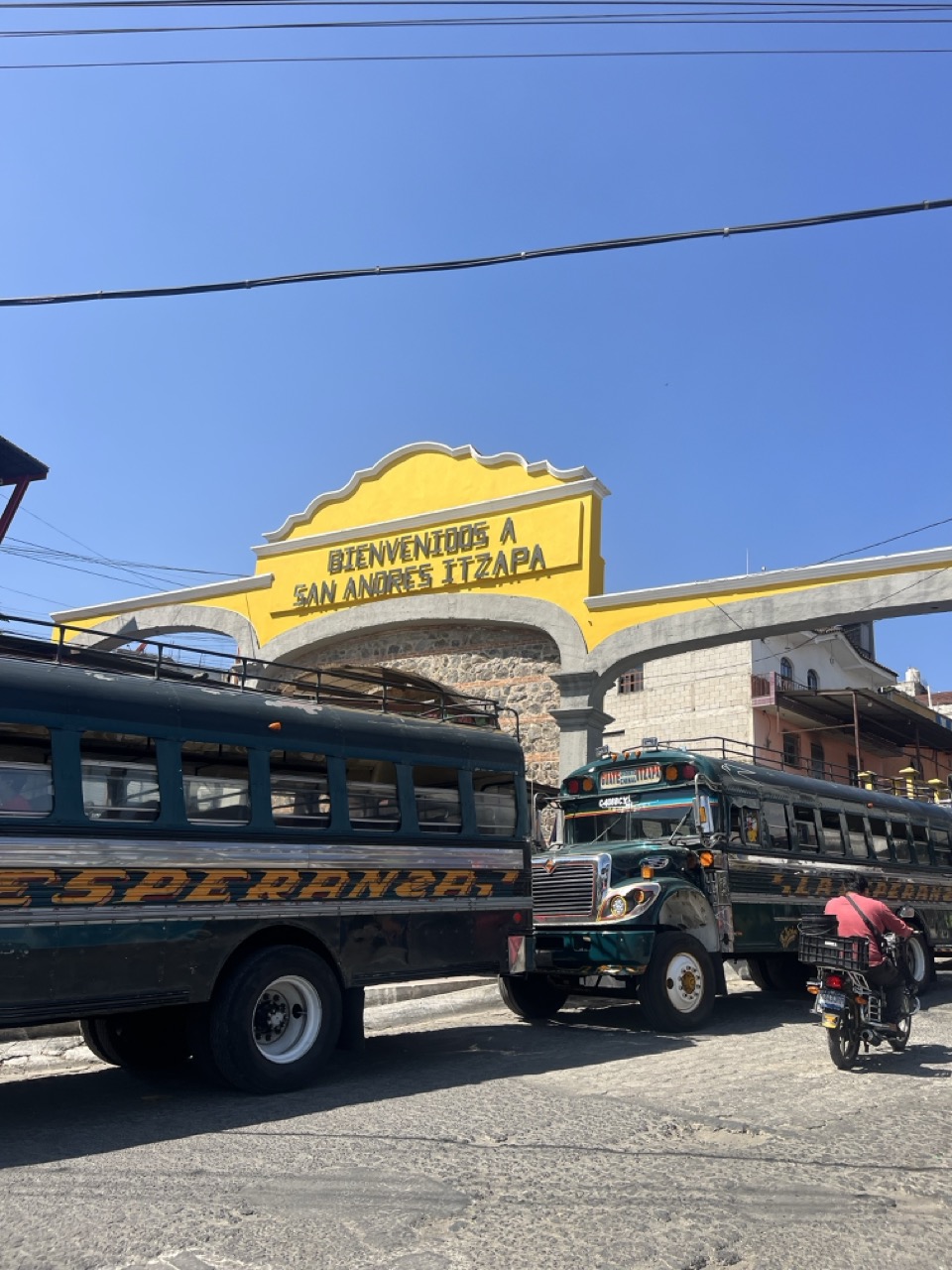 During my visit to FIDESMA, I spoke with some of the main people behind their work. It’s mostly a family-run operation, and they welcomed us like family. Pedro, the son of Margarita, FIDESMA’s founder, said very simply, “In San Andrés Itzapa, FIDESMA is famous for helping.” They’re the place people turn to when they’re in need.
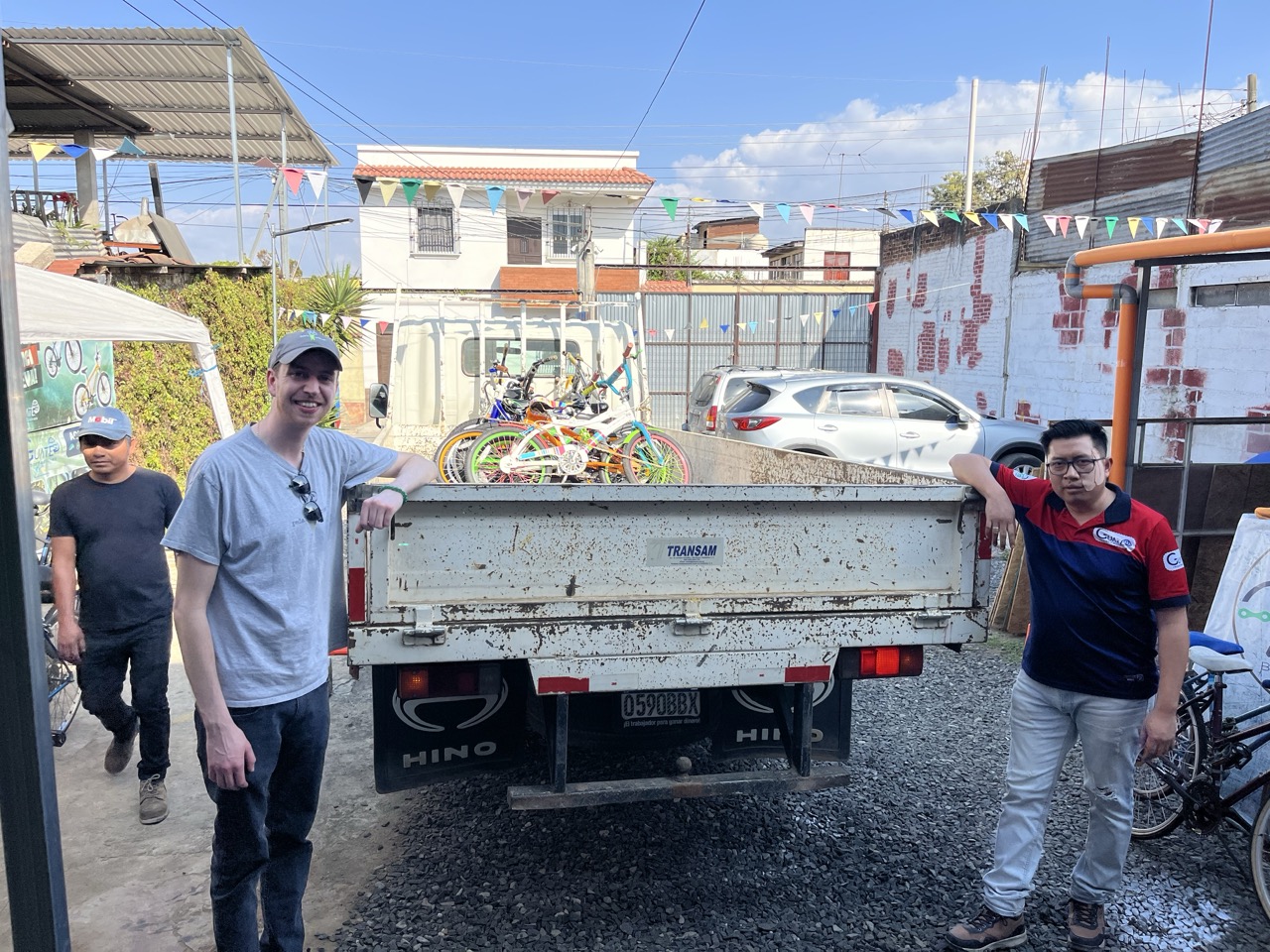 That sentiment rang especially true when we learned that the town had begun building a new public park and asked FIDESMA for bicycles for children to use inside the park. FIDESMA gladly donated 15 children’s bikes at no cost. We were fortunate enough to be there in person when the town came to pick them up. After years of loading bicycles onto trucks in the U.S., I had the incredible honor to help load on the receiving end.
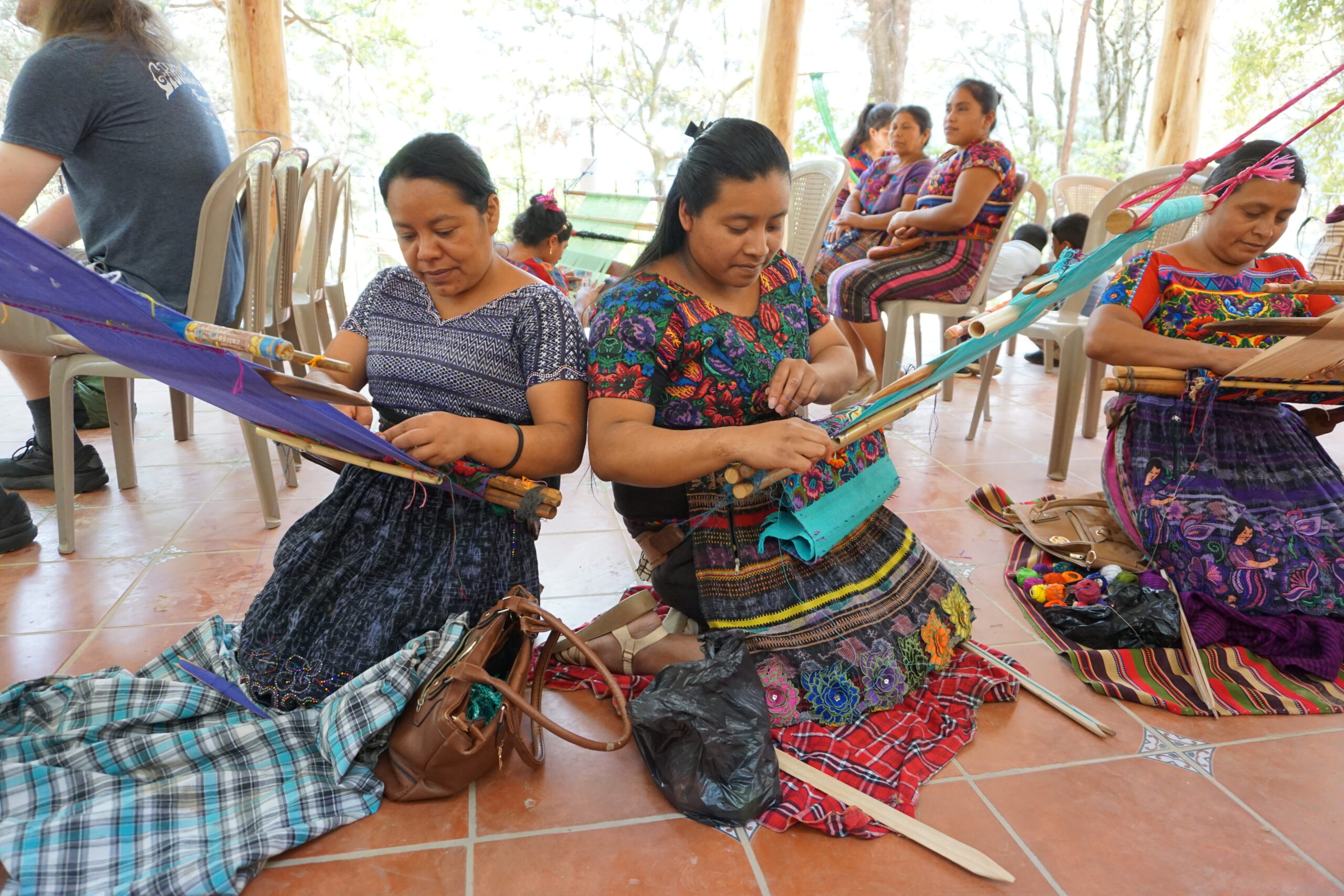
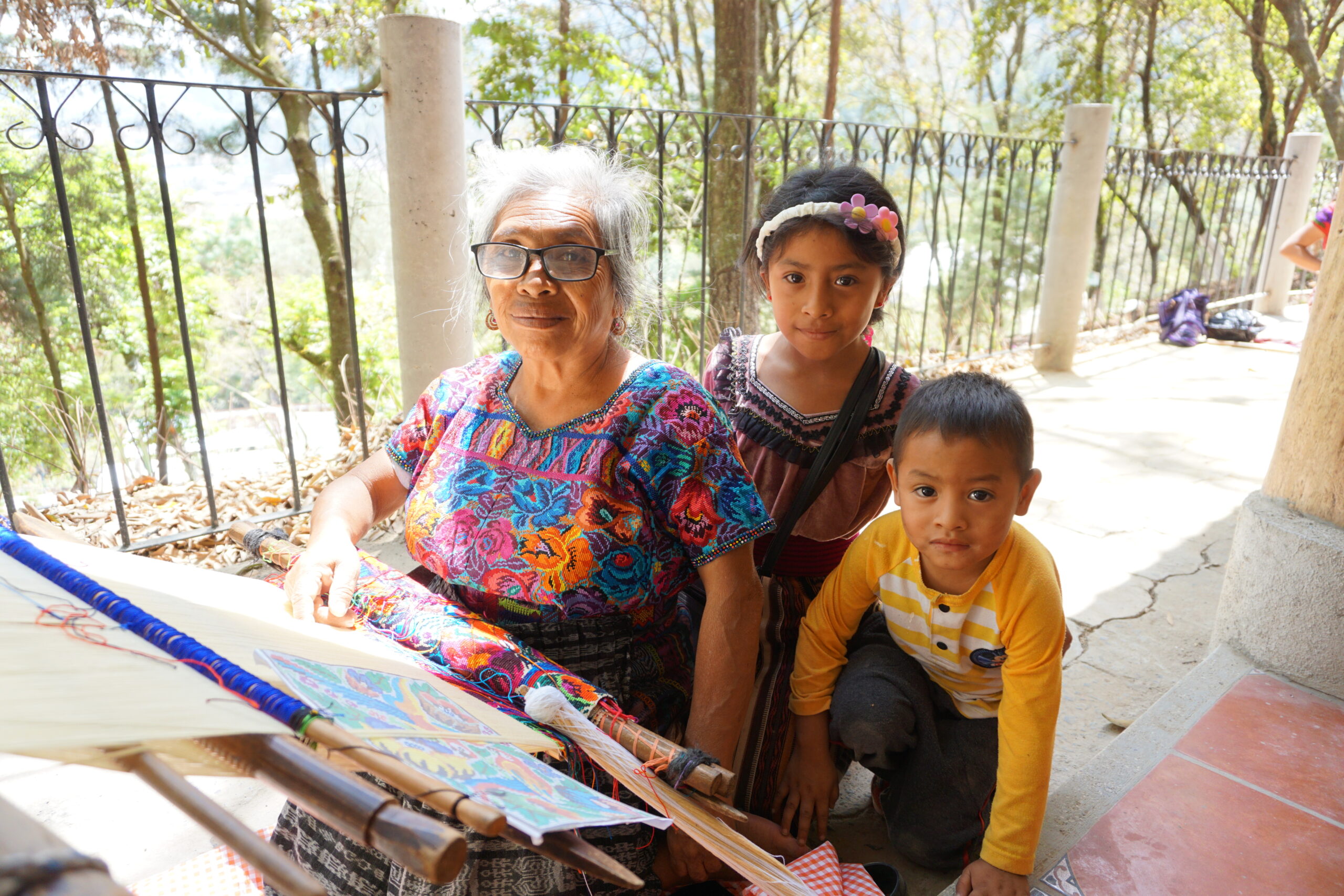 A few days later, we were invited to a ceremony at the new park to celebrate FIDESMA’s contributions to the town. The event also honored the indigenous women’s group that FIDESMA supports. Through this initiative, women create and sell handwoven tapestries and traditional clothing using long-established Mayan techniques. Margarita, an artist herself who makes jewelry, helps these rural women bring their handmade goods to larger markets, increasing both their reach and their profits.
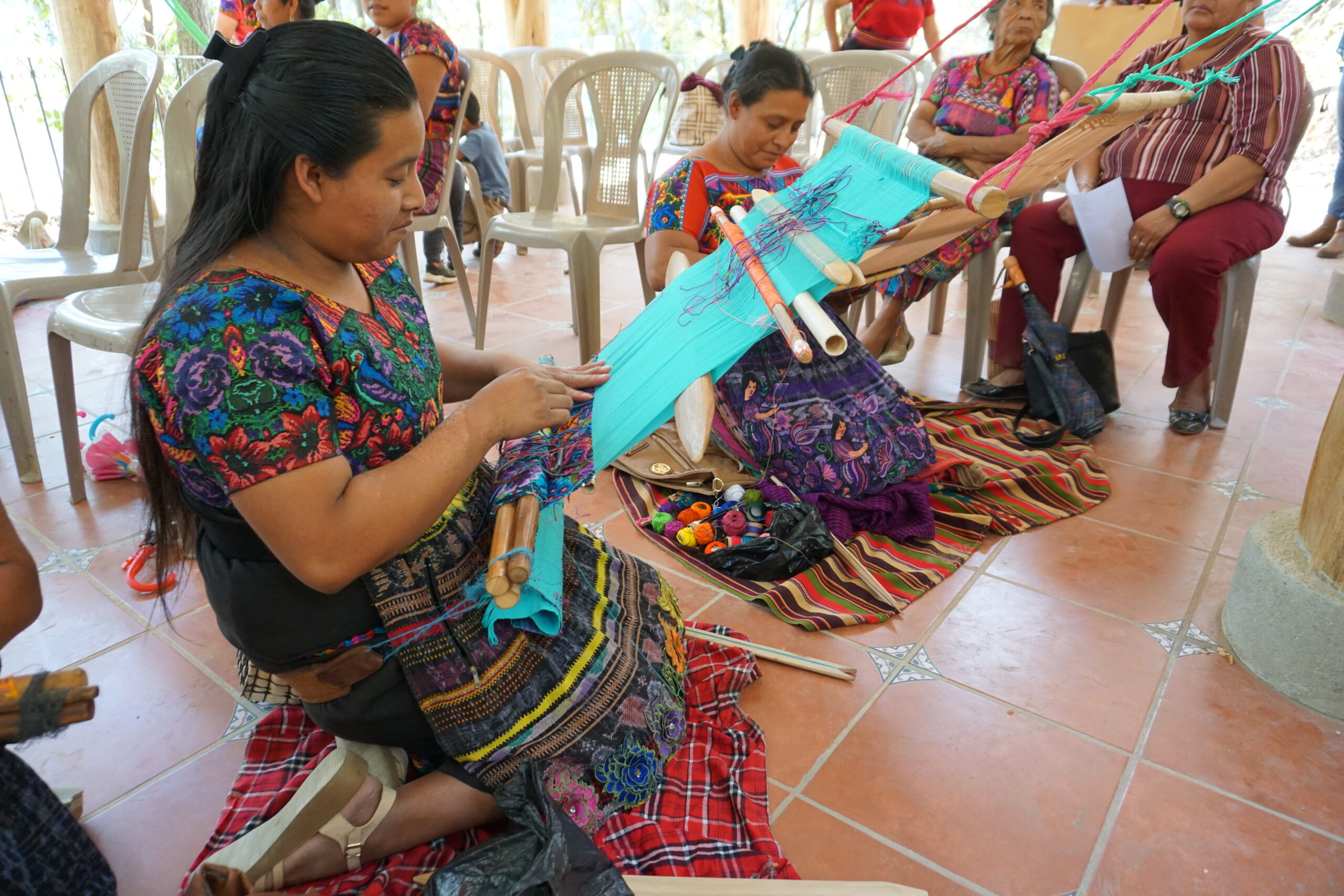 These women also benefit directly from the sewing machines we ship alongside our bicycles. While they continue using traditional techniques, the machines supplement their work, allowing them to expand production and grow their income.
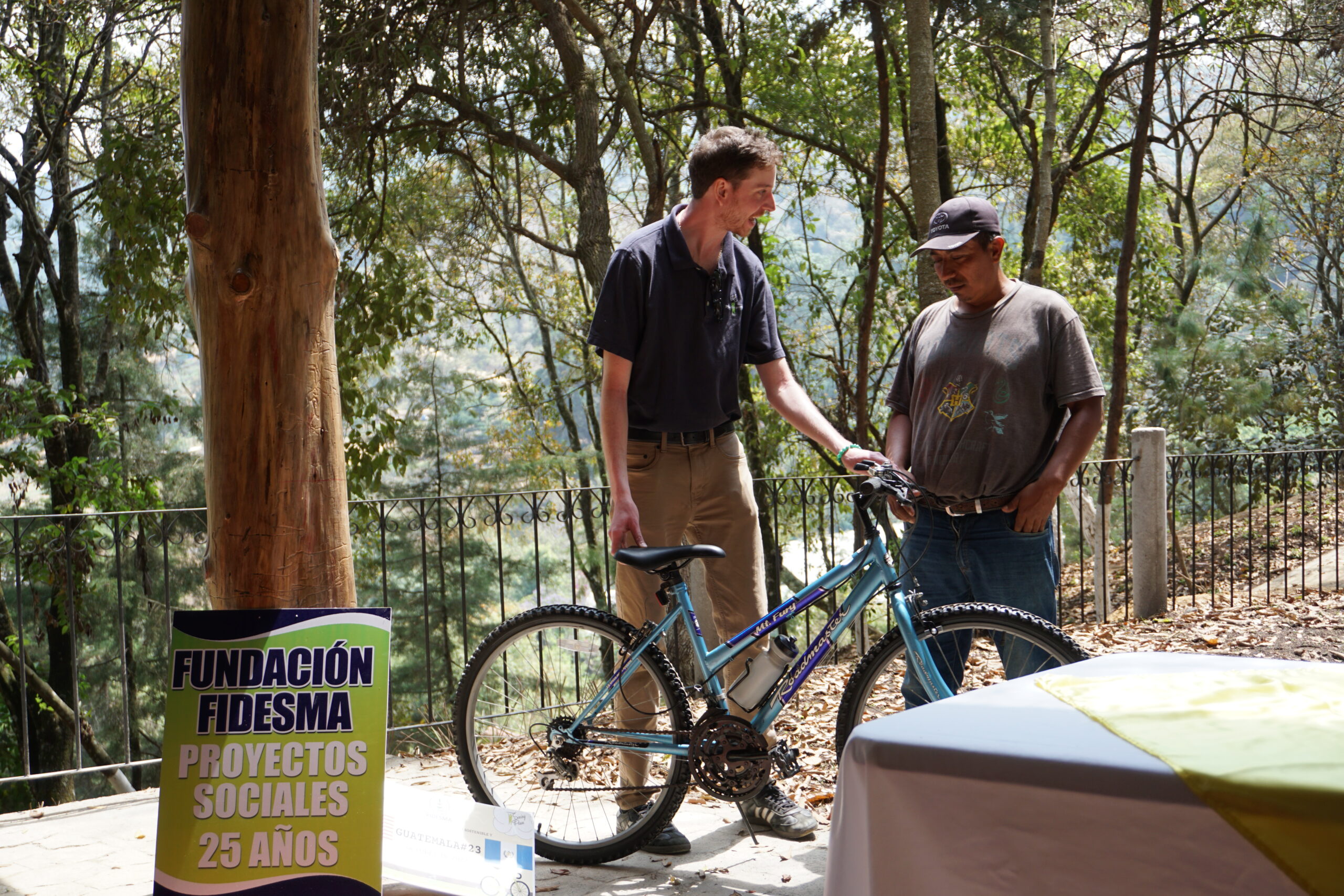 At the ceremony, we also had the privilege of donating a bicycle to a local farmer who had been struggling to make ends meet. Identified by FIDESMA for his strong work ethic and long walks to work each day, he was selected to receive a donated bike. Having the opportunity to see him accept the gift and ride away was a deeply moving reminder of why we do what we do.
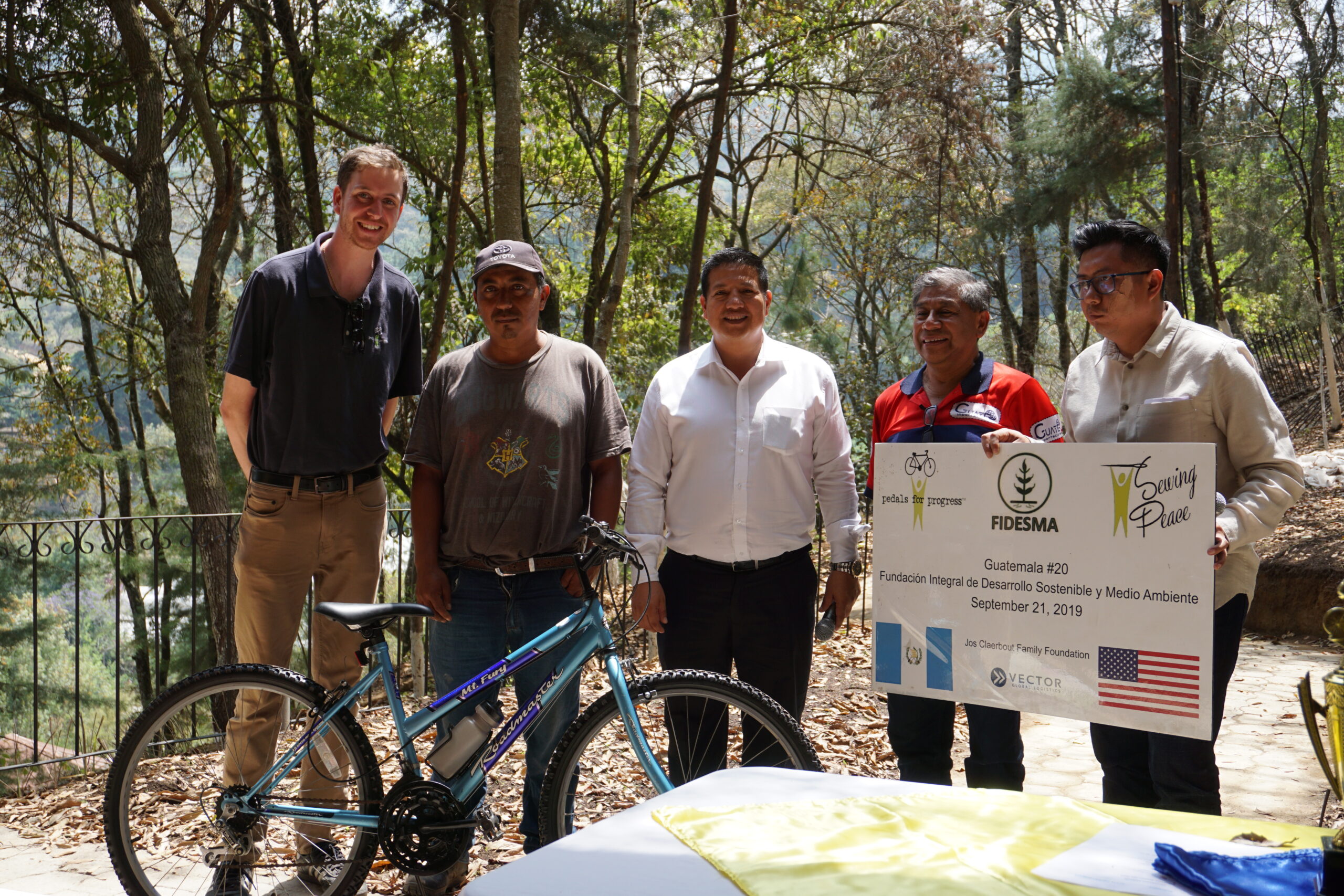 Stories like these remind us that a bicycle or sewing machine can be an important tool for a pathway to opportunity. With each shipment, we’re not just delivering aid; we’re supporting organizations like FIDESMA that are deeply rooted in their communities and building better lives. Thank you for your continued support.
Sierra Leone 2025: Village Care Initiatives
Spring 2025 Newsletter
In Sierra Leone, our newest Sewing Peace partnership with Village Care Initiatives has officially launched, educating women on how to sew using donated machines from donors like you. By donating machines directly to community outreach centers like Village Care Initiatives, we can educate people while providing the tools necessary to put this education into action.
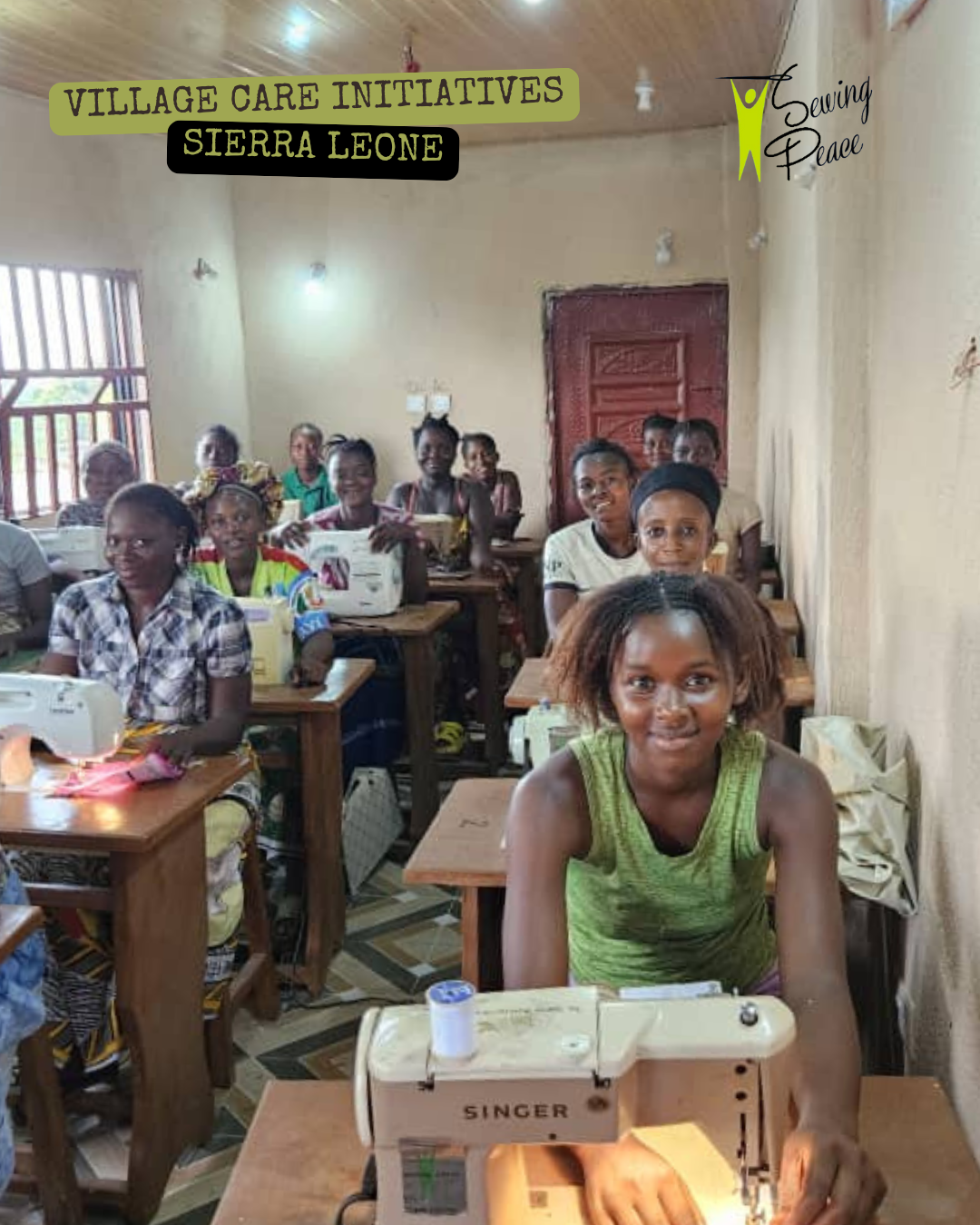 Village Care Initiative is spearheading basic sewing instruction bolstered by education in hygiene, sanitation, and self-care guided by WASH. WASH (Water, Sanitation, and Hygiene) is a comprehensive approach aimed at ensuring universal access to safe drinking water, adequate sanitation facilities, and proper hygiene practices.
Program director Shed Jah on how his program is tackling these issues: “We strive to provide comprehensive WASH programming in the communities we serve based on the unique needs of each community. Whether it is a project that provides all aspects of WASH – from improved water access, upgraded sanitation services, and hygiene education in schools and healthcare facilities to menstrual hygiene management – or simply one or two of these components, all our projects are sustainable, and the communities are able to independently support the resources and programs we provide.
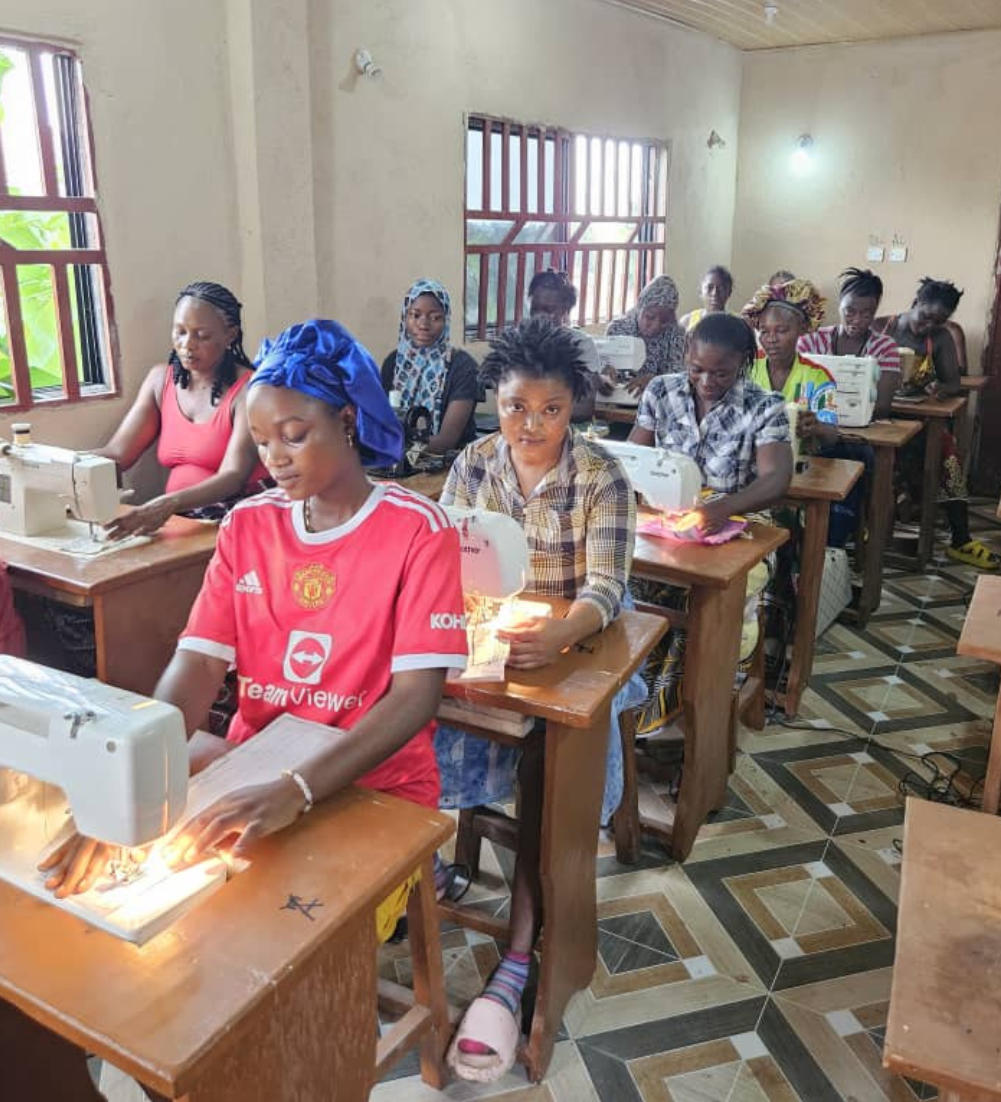 Many of our community projects include an income-generation component around the small-scale manufacturing of WASH-related products such as eco-soap or reusable menstrual hygiene pads. Often, these products are difficult to find or people simply can’t afford them. By teaching community members how to produce these products, we not only ensure that hygiene materials are available to them, but that they can also be sold for household income and donated back into the community programs.”
Thank you to all our donors and supporters who are key in procuring these sewing machines that are changing the lives of women in Sierra Leone and their local communities.
Twenty-Five Years of Collections in Vermont
By Alan Schultz
Fall 2023 Newsletter
Twenty-five years ago, a young boy infatuated with mountain biking was 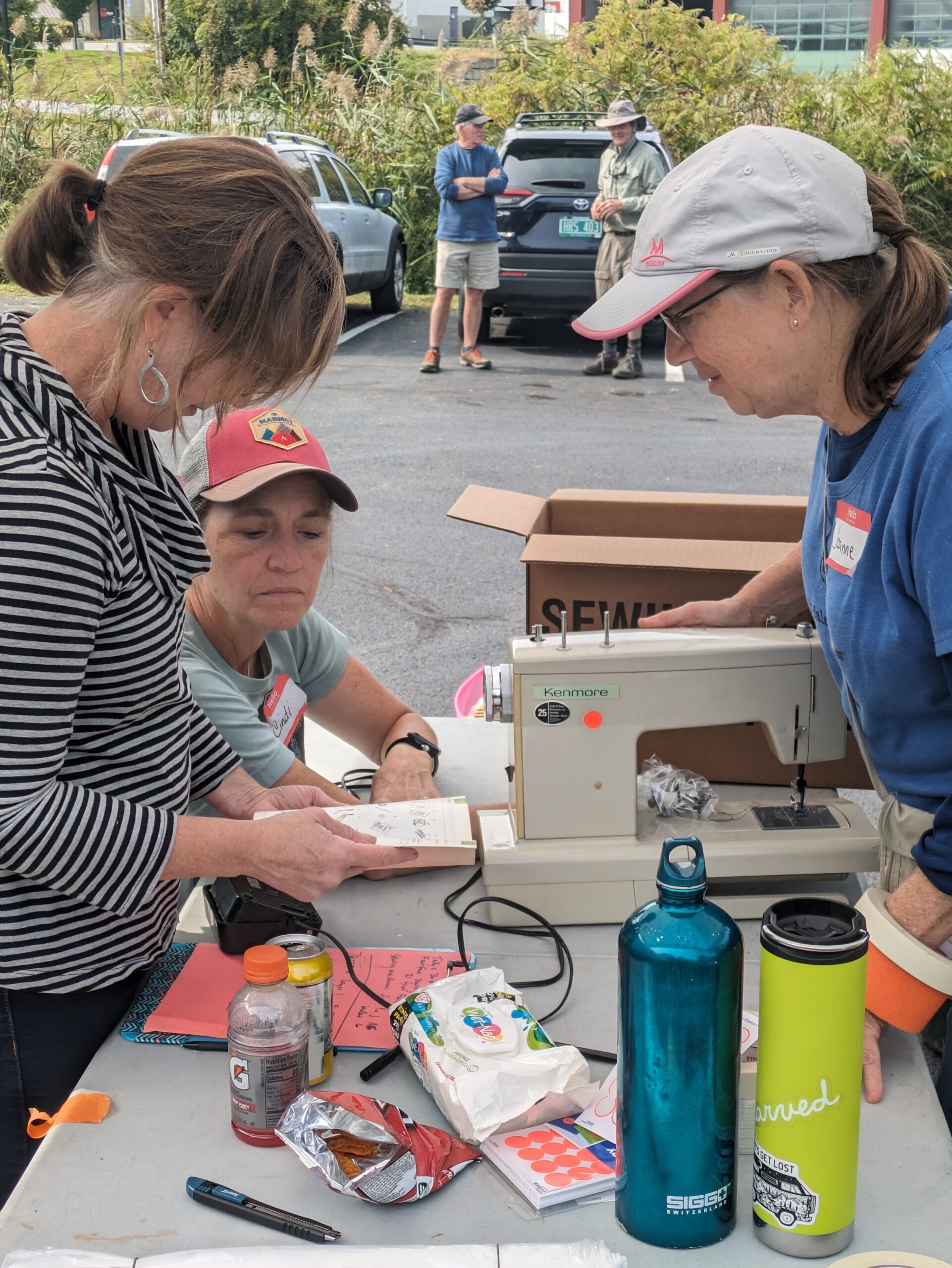 reading Dirt Rag magazine and saw an article about how mountain bikes could help health care workers access remote villages in the developing world, enabling them to help more patients quickly and efficiently. His mother had lived in South Africa as a child and traveled to El Salvador throughout her life. He saw a common ground and showed her the piece. Joanne, the mother in question, sat with the thought for a year and found Pedals for Progress and reached out at just the right time.
As fate would have it, Dorsey Hogg, who had served in the Peace Corps in Botswana, had also reached out to Pedals for Progress after hearing about the organization through the Long Island Returned Peace Corps Volunteers. Dorsey wanted to take a shot at running a collection.
Joanne and Dorsey met and decided to join forces and take on the crazy idea of running a collection in their home state. The problem was that P4P could not afford to transport the bikes three hundred miles from Vermont to P4P-HQ in New Jersey.
The two seasoned travelers view time and distance differently than most people and saw this obstacle as a mere speedbump. Through friends, family, significant others, and neighbors they assembled a small team with the common bond of spending time outside of the United States and a desire to continue to help those less fortunate. Some of the first to join included Matt, who had also served in Botswana, Bob and Paula in Kenya, and Paul in rural Chile; the team tackled the distance between VT and NJ with ease.
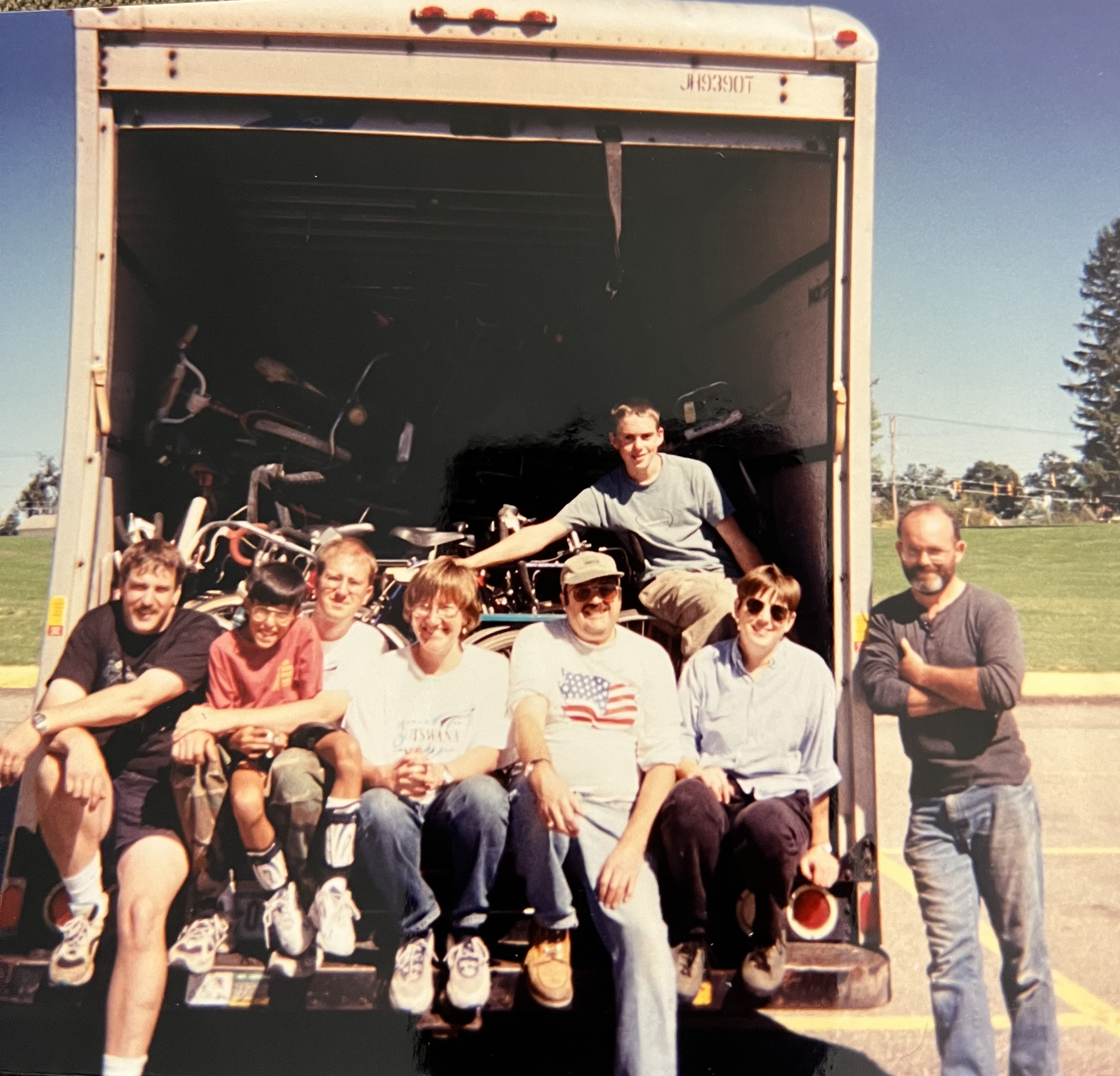
The group came together as the Green Mountain Returned Peace Corps Volunteers (GMRPCV) and held their first collection in 1999 at Burlington High School. The team collected a staggering 138 bikes for their very first collection! With a 26-foot U-Haul rented and ready to go, Matt drove the bicycles to New Jersey with Dorsey following in her car to give him a ride back to Vermont.
Satisfied with their efforts and a job well done, the team decided to do it again! The second year they collected 83 bikes, with Dorsey and Matt making the trip. Year three, after another 114 bikes, Paul took a shot at driving the truck down and then took a train back up to Vermont. Lightning striking three times in a row, they knew they were onto something grand, but the long drives became expensive and tiresome.
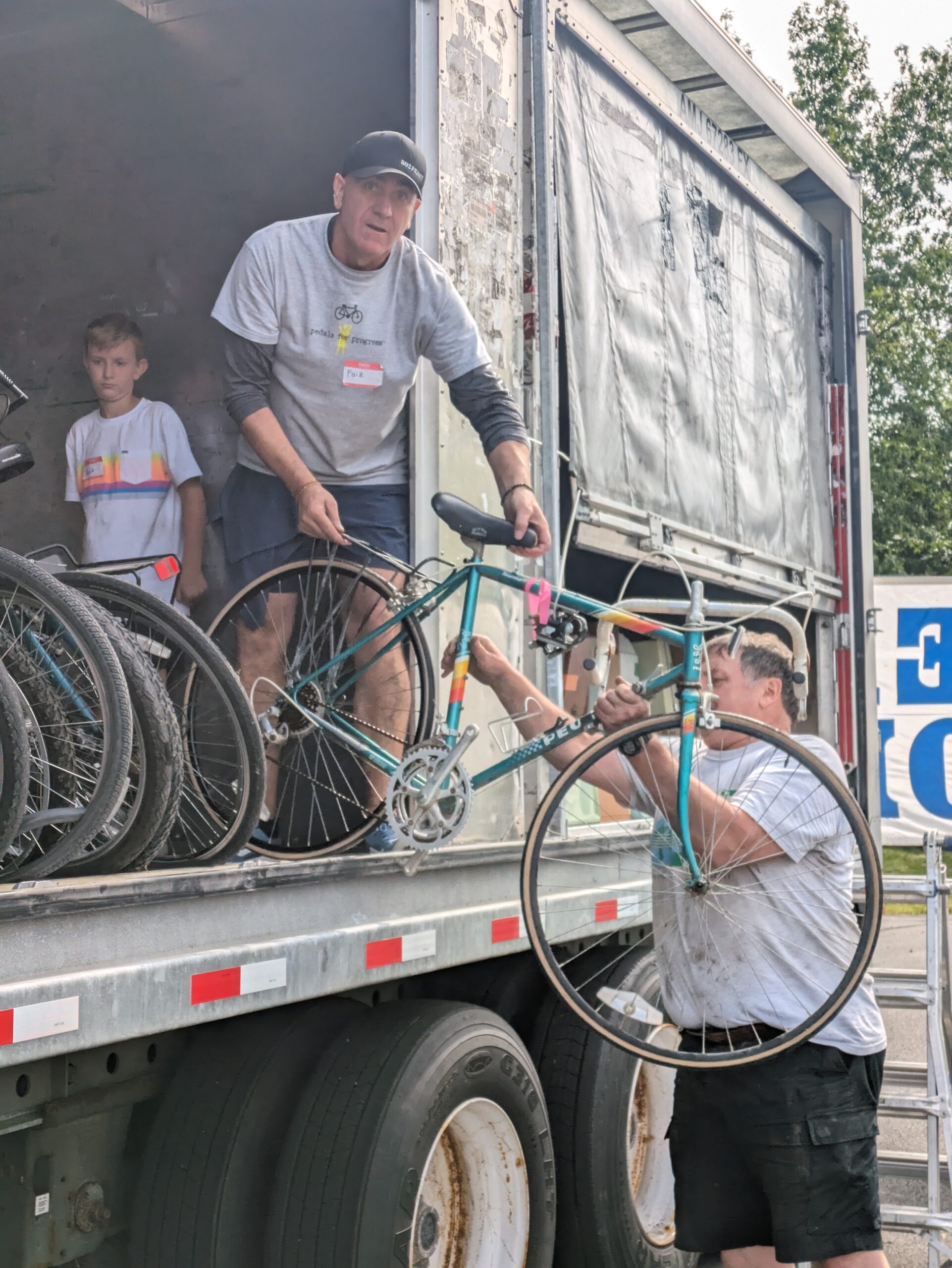 During year four, partnering with the Williston/Essex Rotary Club, the distance between VT and NJ suddenly closed. The Rotary Club had a member who handled shipping for IBM. Diligently working her magic, she found someone at FedEx to agree to ship containers at no cost on a space-available basis. The local FedEx office in Vermont has been stalwart in their support ever since, through numerous changes in branch managers and leadership. Just over twenty years later, it has developed into a tradition that has lifted the burden of logistics, while helping hundreds of people every year along the way.
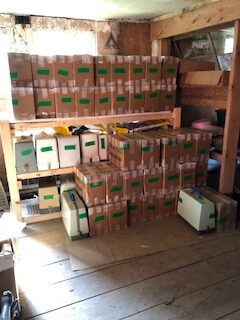
With this key factor in place that offered sustainability to the project, the GMRPCV in Vermont steadily picked up the pace and grew its collection efforts year after year. They have built partnerships with local bike shops participating in bike swaps, held auxiliary collections in smaller areas to maximize their collection efforts, recruited local recycling agencies that provide important financial support, local rotary clubs, student groups, and solid waste groups that all pitch in when they can. The core team has also donated their own time and efforts to fundraising, refurbishing machines, and getting the word out about their collections and our cause through televised news appearances. It goes without saying that the list of volunteers and time spent in 25 years of collections is LONG.
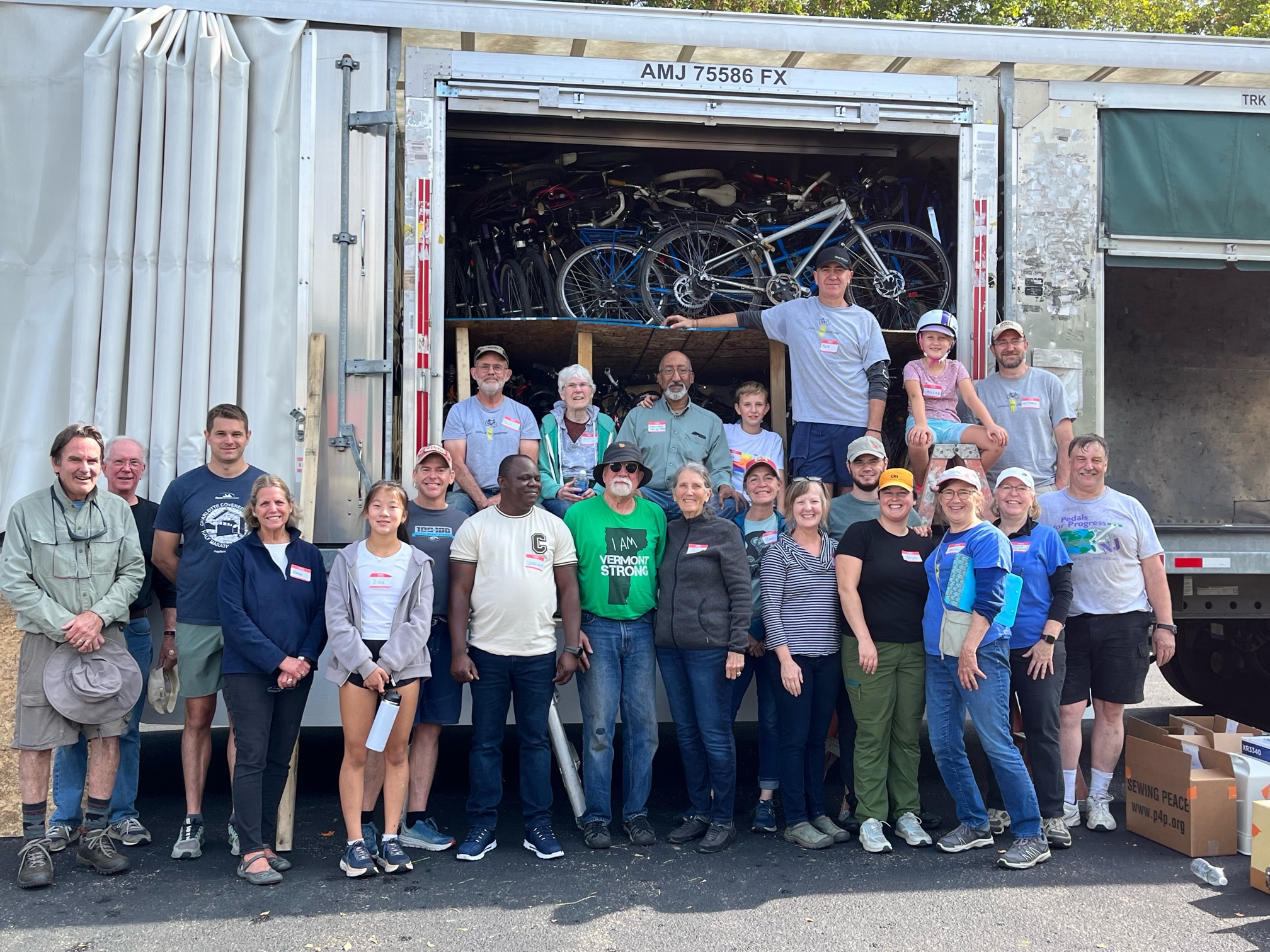
We at Pedals for Progress simply want to say thank you. Thank you to Dorsey, Joanne, and the rest of the team in Vermont that have been helping with our mission for twenty-five years. Knocking it out of the park again, for their 25th Anniversary with P4P, they collected 225 bikes and 127 sewing machines on September 23rd! With this achievement, over the twenty five years of collections, they have collected a staggering 4,900 bikes and 1150 sewing machines that have been shipped around the world. From larger cities like Tirana, Albania, to small villages in rural Togo, these items have drastically changed the lives of thousands of individuals that now have the freedom and mobility to have fair shot at life.
There are hundreds of stories to be told about the team in Vermont. Without fail, there are always a couple interesting stories that come out of each collection. Take for example this small time-capsule that was donated to them this year.
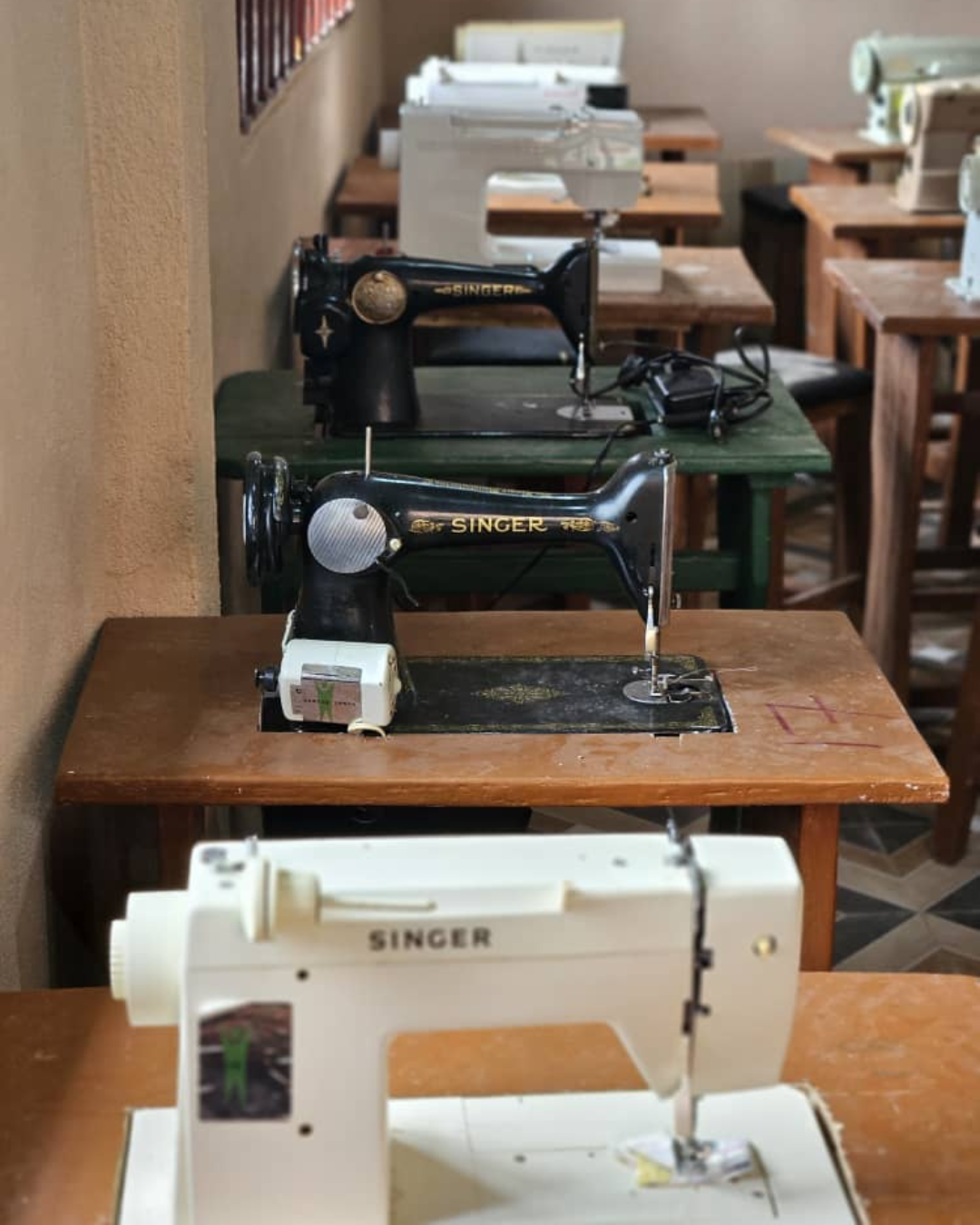
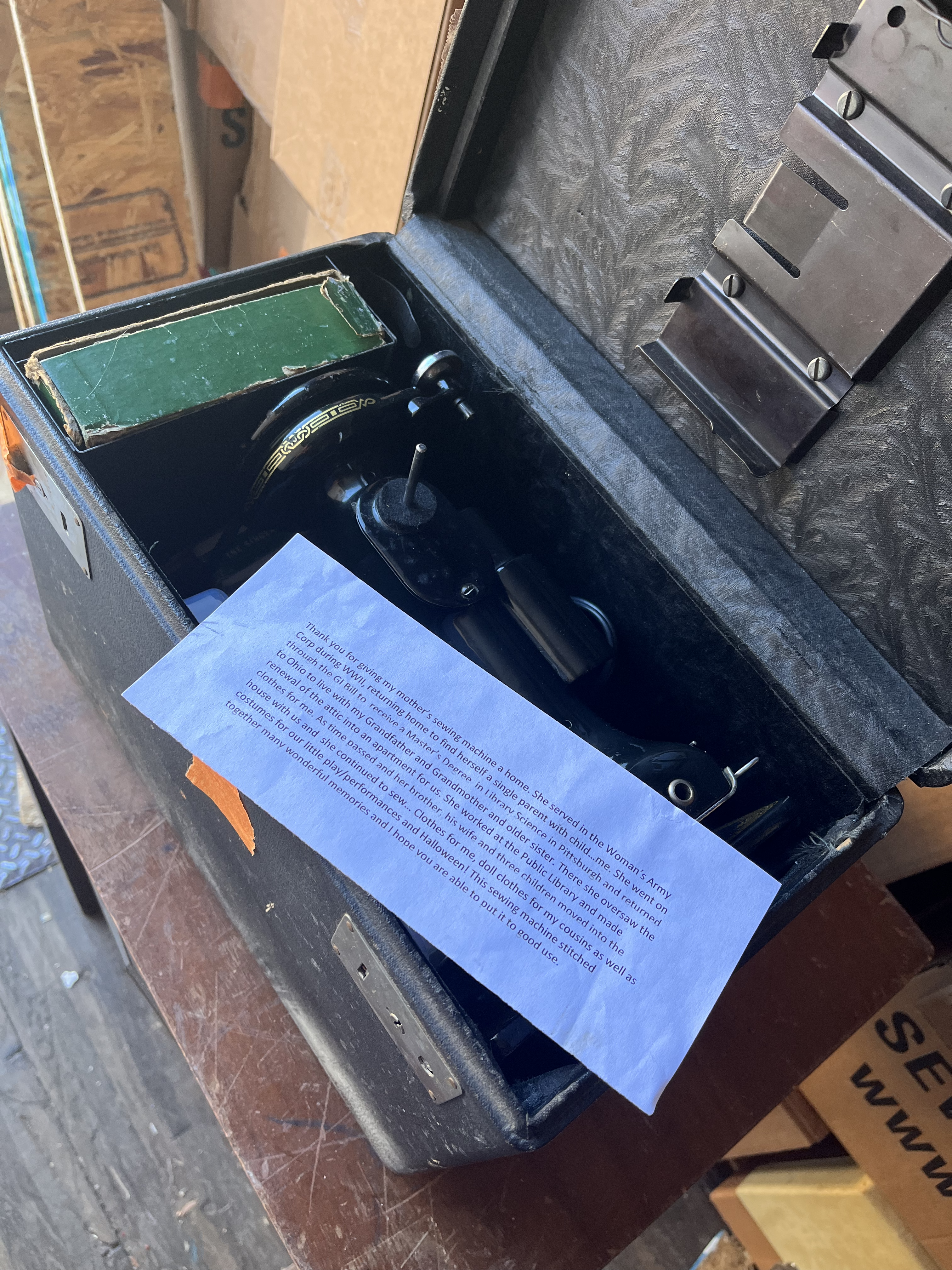
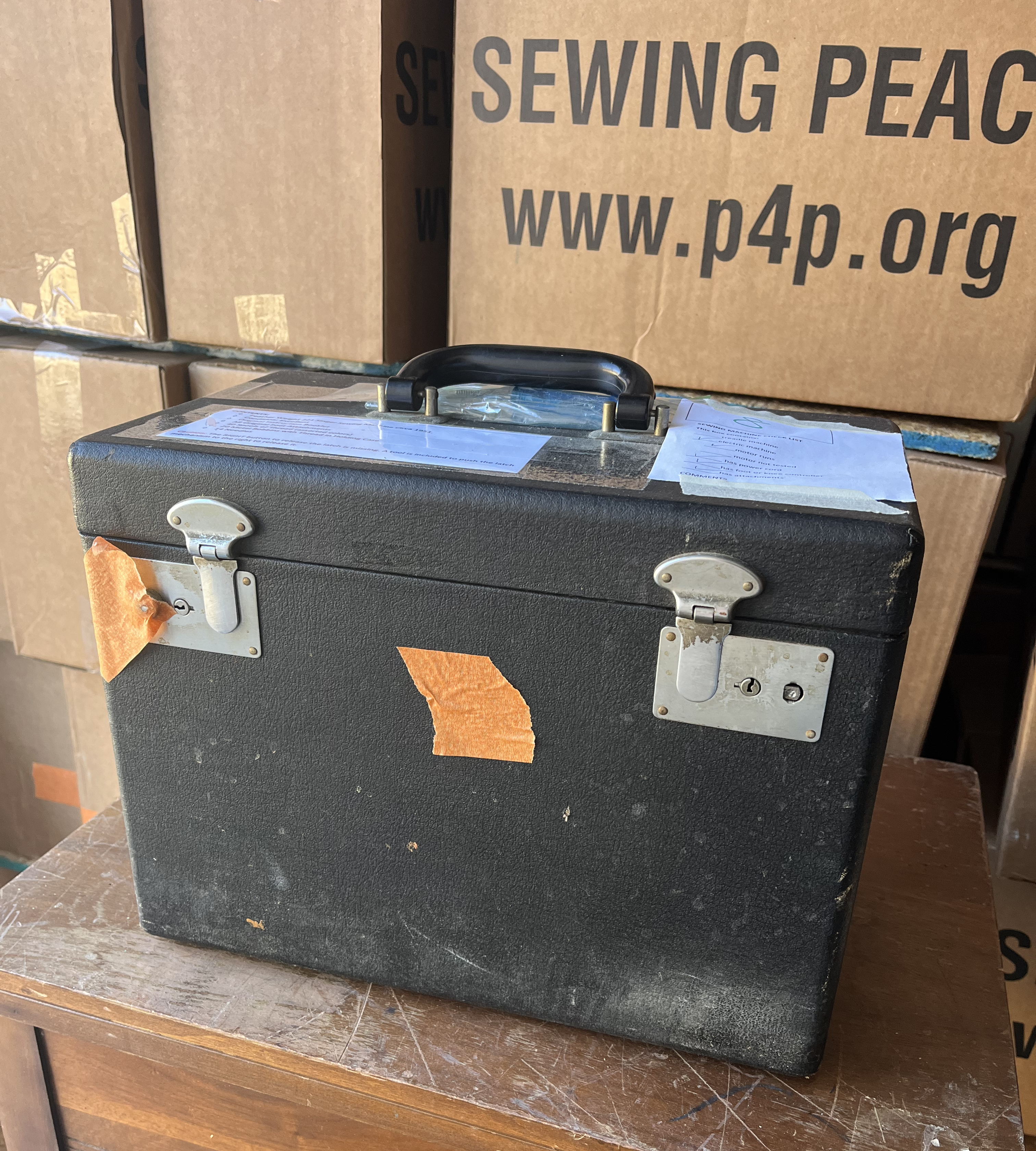 This Singer Featherweight was donated by an unknown individual at this year’s collection. The VT team checks each sewing machine and assesses its condition to help us identify machines that may need to be serviced once they get to New Jersey. Inside this inconspicuous black box there was this note.
Thank you for giving my mother’s sewing machine a new home. She served in the Woman’s Army Corp during WWII, returning home to find herself a single parent with child — me. She went on through the GI Bill to receive a master’s degree in library science in Pittsburgh and returned to Ohio to live with my grandfather and grandmother and older sister.
There she oversaw the renewal of the attic into an apartment for us. She worked at the public library and made clothes for me. As time passed and her brother, his wife and three children moved in the house with us and she continued to sew — clothes for me, doll clothes for my cousins as well as costumes for our little play/performances and Halloween! This sewing machine stitched together many wonderful memories and I hope you are able to put it to good use.
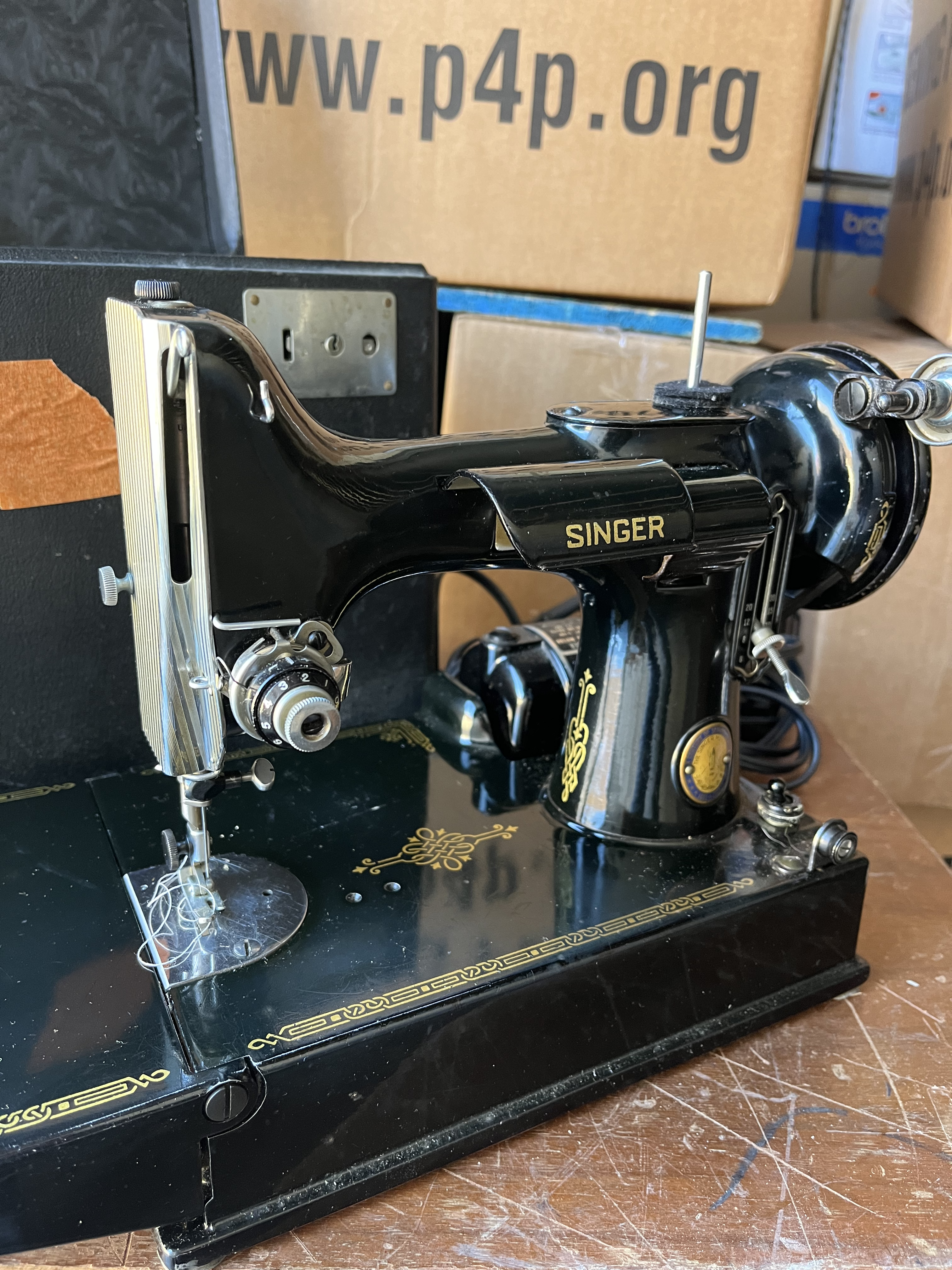 We will be doing exactly that, putting this machine to good use by sending it to a partner program abroad. While this story of a sentimental machine that represents a lifetime of stories is specific to one person, the overall sentiment is still a very real theme today. We’ve reported on a multitude of women in situations like this. Whether to people displaced by war, bearing a child alone, or supporting a house full of family members, we aim to provide machines to create change. Machines like this small Singer can provide a financial bedrock through a business endeavor or simply brighten the day of a child wanting a costume. No matter what is being made, our aim is that the result is one of progress and peace.
Distribution of Sewing Machines in Arusha, Tanzania, Fall 2023
By Norbert Mbwiliza
Fall 2023 Newsletter
Date: July 7, 2023
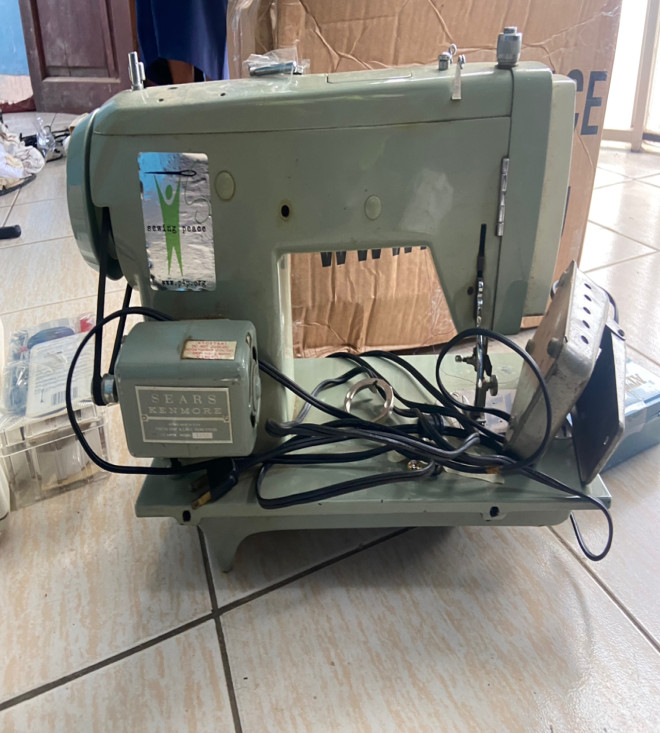 Introduction: This development report provides an overview of the distribution process and impact assessment of sewing machines that were received from a donor for rural areas in Arusha, Tanzania.
The objective was to empower individuals in these communities, particularly women, with the means to start or expand their sewing businesses, thereby contributing to their economic and social development.
Distribution Process:
- Needs Assessment: Prior to the distribution, a comprehensive needs assessment was conducted in collaboration with local authorities, community leaders, and relevant stakeholders to identify the target beneficiaries and assess the demand for sewing machines.
- Selection Criteria: A set of selection criteria were established to ensure that the machines reached those who would benefit the most.
The criteria included factors such as income level, sewing skills, and willingness to commit to using the machines for income-generating activities. - Training Program: To maximize the impact of the sewing machines, a training program was developed to provide beneficiaries with basic sewing skills, machine operation, maintenance, and entrepreneurship training. Local trainers were engaged to conduct the training sessions.
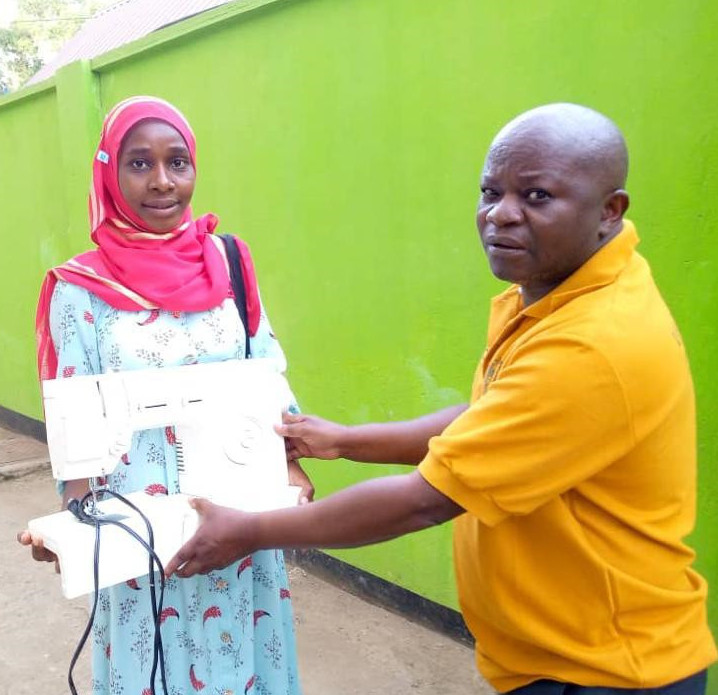
- Distribution: The sewing machines were distributed in a transparent and equitable manner, following the selection criteria. Distribution events were organized in collaboration with local community centers or village assemblies to ensure community participation and accountability.
Impact Assessment:
- Economic Empowerment: The distribution of sewing machines has had a significant economic impact on the beneficiaries. Many individuals, particularly women, have been able to start their own tailoring businesses, generate income, and improve their financial stability. The machines have enabled them to offer sewing services to the community, create employment opportunities, and contribute to the local economy.
- Skills Development: The training provided alongside the distribution of sewing machines has enhanced the beneficiaries’ sewing skills and knowledge. They have acquired technical expertise in operating and maintaining the machines, leading to increased efficiency and quality of their work. This has also fostered a sense of self-reliance and confidence among the beneficiaries.
- Social Impact: The distribution of sewing machines has had positive social implications in the rural areas of Arusha. Women, in particular, have gained increased recognition and respect within their communities as entrepreneurs and providers. The improved economic conditions have also contributed to a higher standard of living, allowing families to access better education, healthcare, and other essential services.
Challenges Faced:
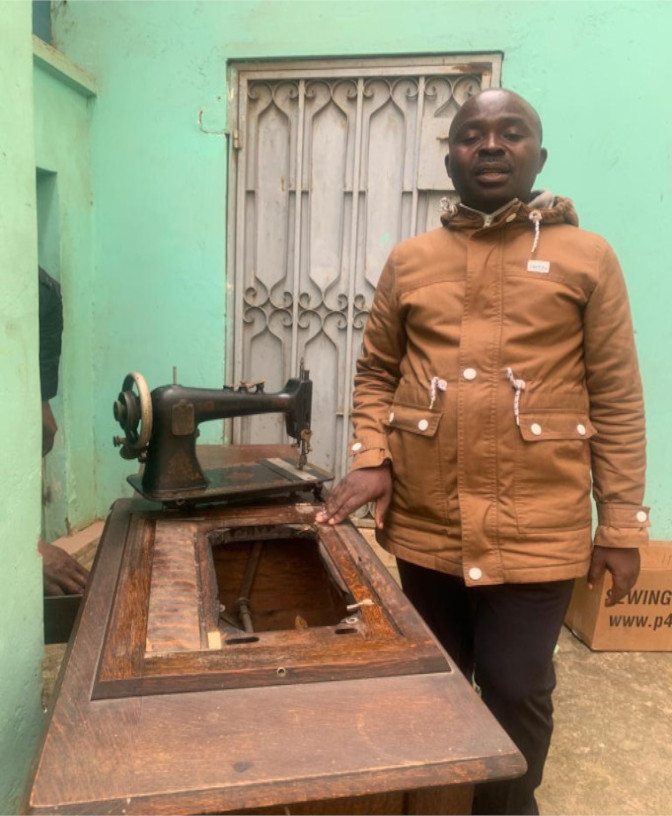
- Limited Access to Electricity: In some rural areas, access to reliable electricity remains a challenge, affecting the operation of the sewing machines. Efforts were made to address this issue by exploring alternative power sources such as solar energy or setting up community charging stations.
- Sustainability: Ensuring the sustainability of the sewing businesses in the long term has been a challenge. Ongoing support and mentorship programs are crucial to help the beneficiaries overcome obstacles, adapt to market demands, and expand their businesses.
Conclusion: The distribution of sewing machines in rural areas of Arusha, Tanzania, has made a significant impact on the economic empowerment and social development of the beneficiaries.
Through increased access to sewing machines and relevant training, individuals, particularly women, have been able to start their own businesses, generate income, and improve their overall well-being. Ongoing support and sustainability efforts are necessary to further strengthen the impact and create a lasting change in these communities.