Category Archives: bicycles

Report from Tanzania, Fall 2019

By Norbert E. Mbwiliza
Fall 2019 Newsletter

[The 2019 spring newsletter described the ordeal of getting a container through the import process in Tanzania after the original destination organization went missing. Norbert E. Mbwiliza, the head of our newest partner organization in Tanzania, The Norbert and Friends Missions, battled tenaciously to get the container to his headquarters in Arusha.

Here are Norbert’s comments on their bicycle program and a few short notes from people who have gotten bikes or sewing machines.]

Our bicycle distribution was very successful and productive in Tanzania. In rural areas where low-quality bikes are the norm, P4P bicycles have earned a superior reputation. Healthcare groups, development organizations, farmers, and individuals sought to purchase our bicycles for their programs and personal use. This market demand led us to create P4P as a social enterprise subsidiary of The Norbert and Friends Missions that sells directly to those in need of reliable transportation.

There are many benefits in combining our philanthropic endeavors with an innovative social enterprise strategy: it is scalable and multiplies our organizational impact; it diversifies our revenue stream and provides funding for programs; it improves the efficiencies and cost structure of our education, healthcare, and economic development initiatives; and it creates a sustainable quality bicycle infrastructure in Tanzania.

The Norbert and Friends Missions has since built programs to provide specially designed, locally assembled bicycles for students, healthcare workers and entrepreneurs across Tanzania. While the bicycles themselves help individuals conquer distance and increase their carrying capacity, The Norbert and Friends Missions through its special P4P Program has also created new economic opportunities by training field mechanics and employing bike assemblers to support our local programs.

The P4P Bicycle Program in Tanzania has had several positive effects:

  • Capacity, time, and distance: Riding a bicycle is faster and easier than walking. In fact, you transport 5x more and travel 4x faster. Also, you reach 4x further compared to walking.
  • Education: A bicycle helps children to reach school faster, be more punctual and arrive fresher. A bicycle also makes a long school journey safer, particularly for girls, increasing enrollment and attendance rates. At the end of the day, more time also means more free time for homework and leisure.
  • Women’s empowerment: The Norbert and Friends Missions trains young girls to become bicycle mechanics. They serve as role models for other women to become independent entrepreneurs. Women and girls suffer disproportionately from poor transport and mobility opportunities. With a bicycle, women and girls can start their own business, perform better at school, and face a brighter future.
  • Business and income: Bicycles have the power to enable new business opportunities, increase business productivity, increase opportunities for trade or increase the delivery of extension services. This leads to new opportunities to generate regular income for households. People who use bikes can save money because there is no need to pay for gas or transportation.
  • Healthcare: Being a fast and reliable mode of transport, bicycles improve access by the community to healthcare centers and access by health workers to the community. Riding a bicycle of course also gives our peoples legs of steel, improves their wellbeing and keeps them fit!
  • Environment: A bicycle is quiet as a mouse and causes zero emissions.

Here are notes from some of the people who have benefited from our programs.

Agripina
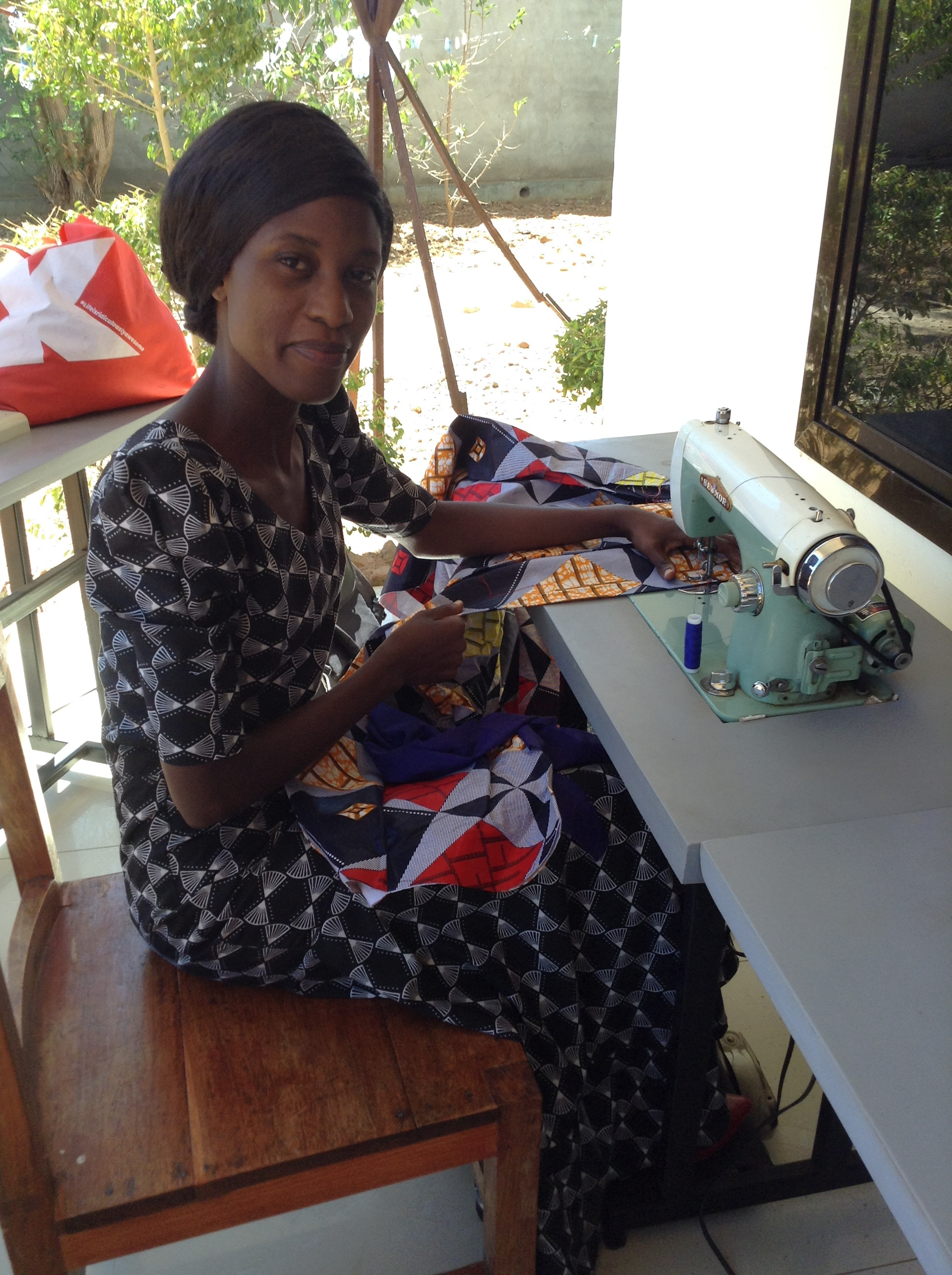
I always remember P4P because if not for them what do you think a girl like me would do??? Imagine that I — Miss Agripina — was very unemployed. P4P through The Norbert and Friends Missions has created employment for many young people and I am one of them. Now I find life a lot easier. I urge P4P donors to continue to fund this project in Tanzania through The Norbert and Friends Missions. For every P4P container, at least 400 people get support from a bicycle or sewing machine. In the youth group, most are girls who would have trouble finding safe and legal work without a sewing machine.
Benedeth

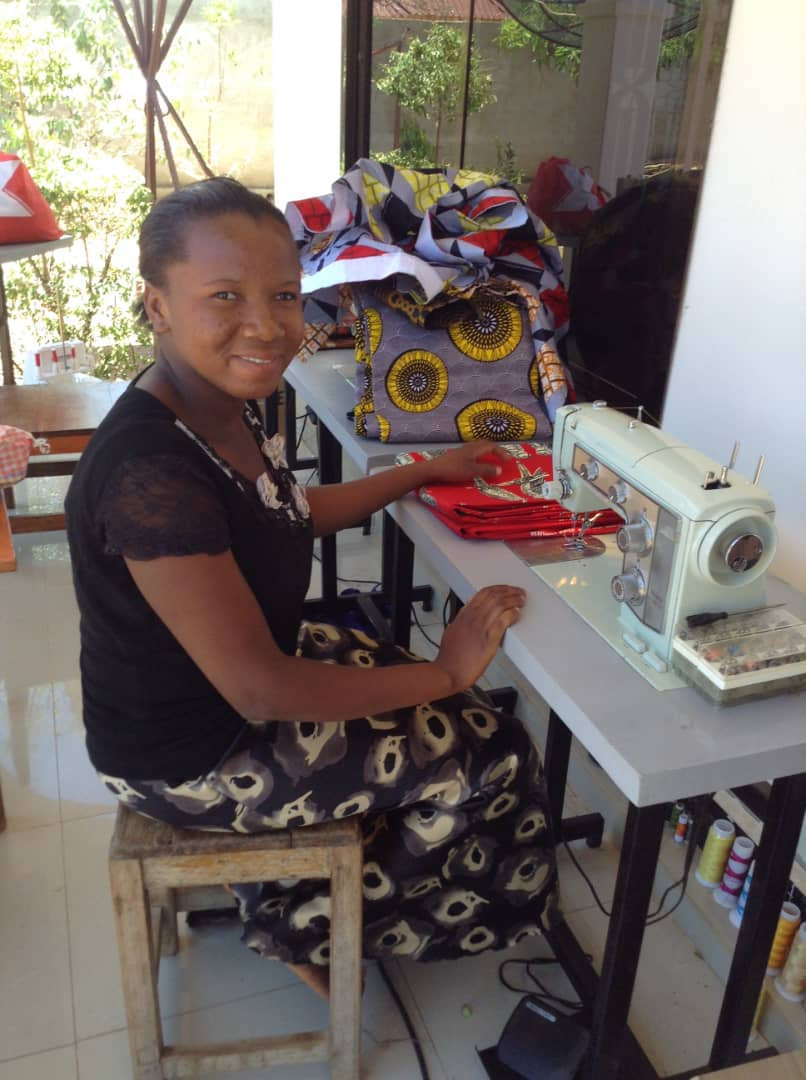
My name is Benadeth Hamisi. I am very grateful to the P4P project of The Norbert and Friends Missions for enabling me to get a sewing machine. Now I can support myself and earn my own income. Thank God. Because I work, I have avoided groups that can get me in trouble. God bless and protect you. I feel a cry of JOY.
Jackson

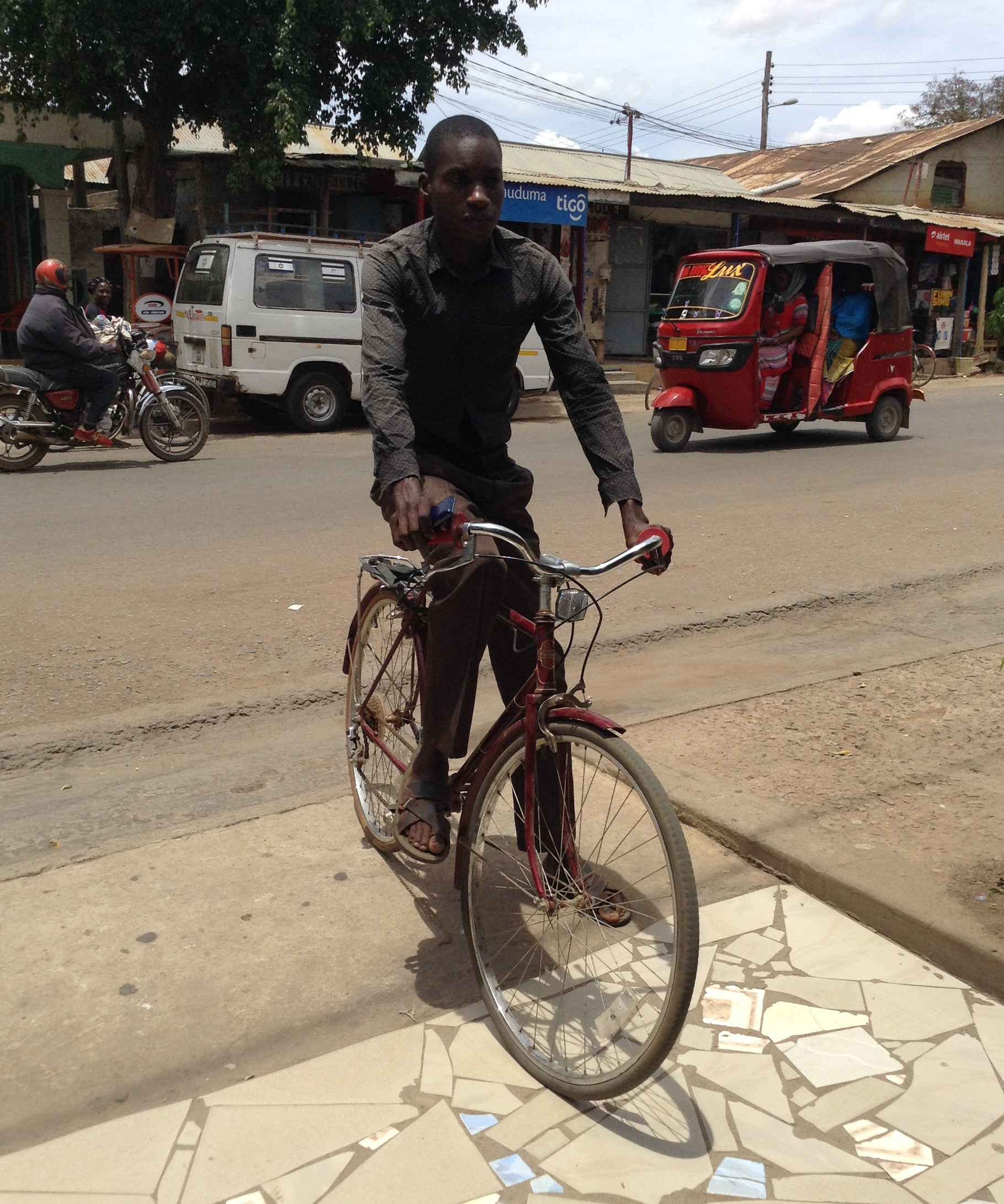
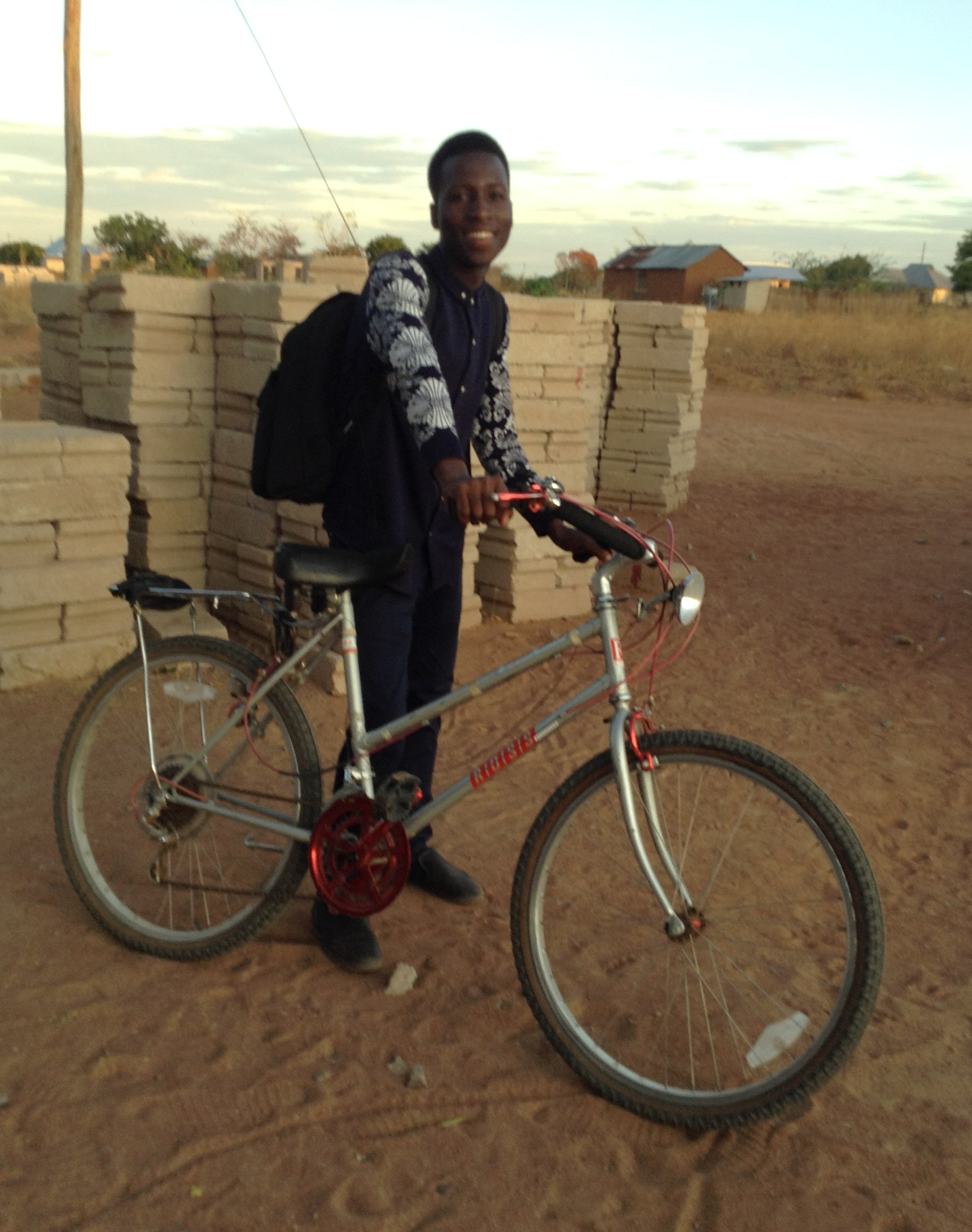
Hello my friends. My name is Jackson Nestory. You see me here laughing because since I got this bike I can be at my brick-masonry job and take part in various social activities fearlessly. The bike has become a great tool for me because I when I’m not using the bike I can rent it to someone who wants to pay me money. Life has been great for me. Thanks to P4P and The Norbert Friends Missions for your help.
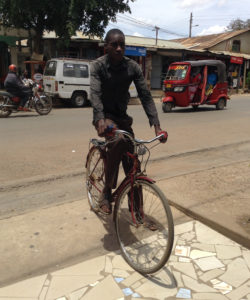
Joseph

My name is Joseph Shija. I own a small business. As a businessman I see success because I arrive at work on time and I am not tired of traveling around many places. I enjoy my work and my community. I thank the servants of God for giving me this bike and for God’s blessing. The P4P project in Tanzania has become the voice of the voiceless. Thank you The Norbert and Friends Missions.

Suzana
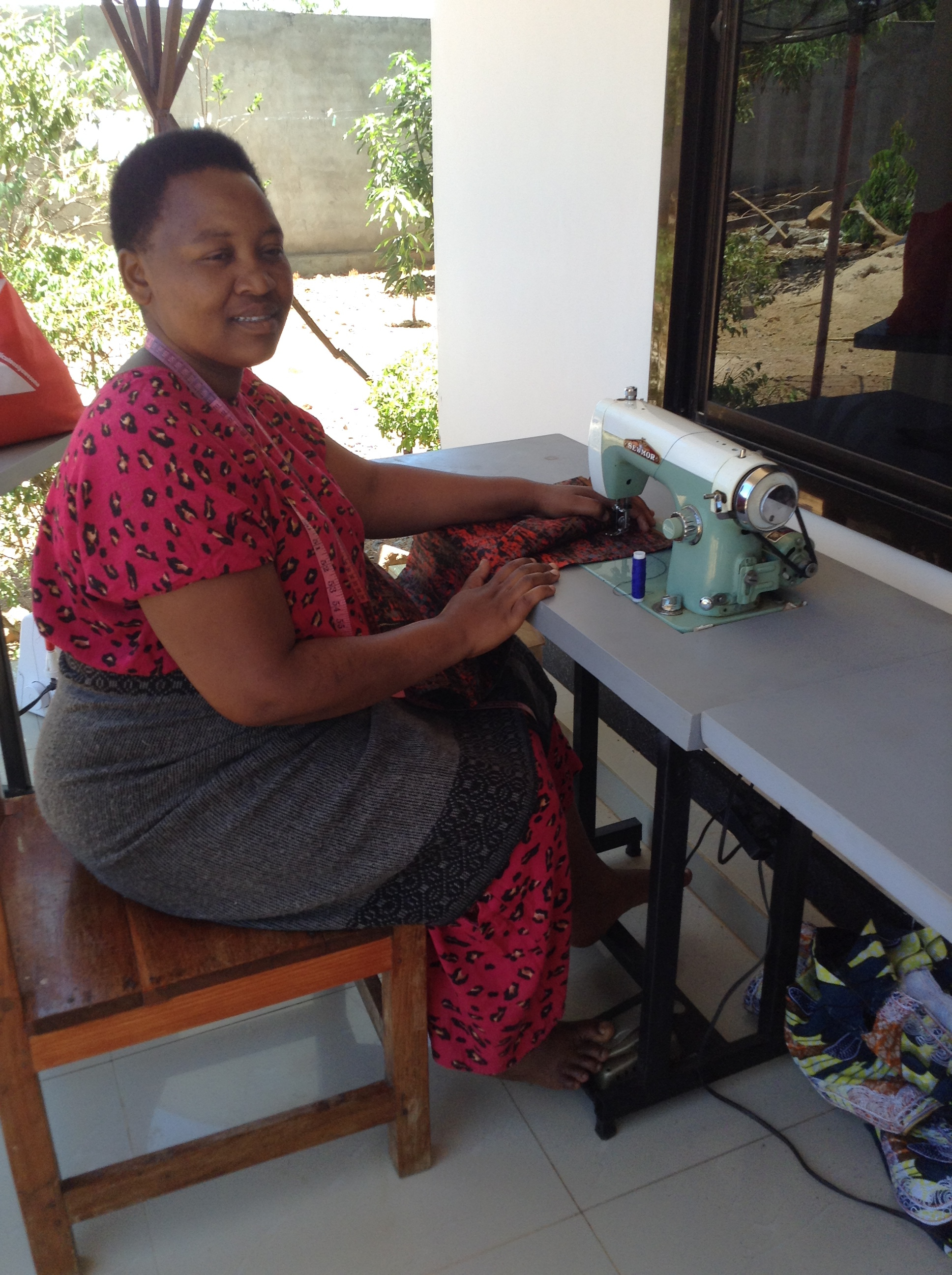
Hello. I’m called Susana. I’m a family mom. Do you know why I have a smile??? It is because P4P has changed my life. May I tell you something wonderful that has happened to me: I was unemployed, but after I got a sewing machine from The Norbert and Friends Missions I am self-employed and can take care of my family using my own income. The P4P project through The Norbert and Friends Missions has changed the lives of hundreds of people.
Wilson

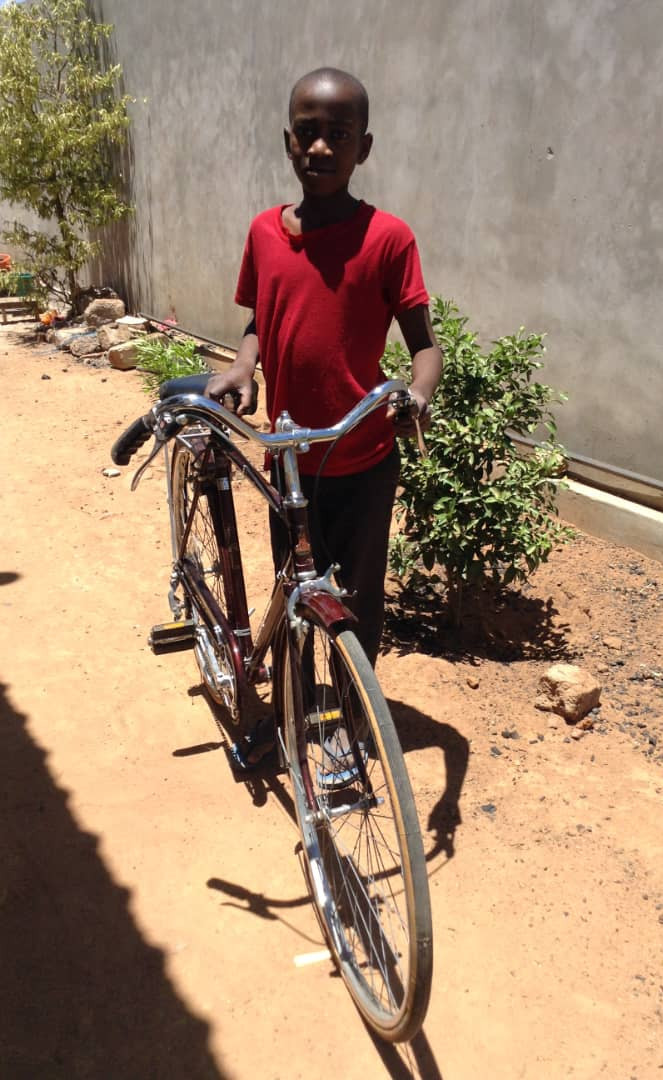
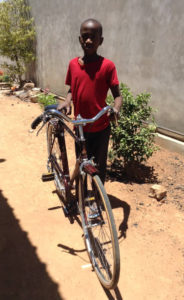
My name is Wilson Metusera. I thank God for being given this bike. When I was told that I was offered a free bike I was very surprised and couldn’t believe it. I’ve been getting up early to attend school for long walks. By God’s grace a P4P project was launched here in Nzega and I got cycling support. Now I can attend school, my attendance has improved, and my performance has improved. I am so happy for P4P in the USA and The Norbert and Friends Missions for showing compassion to the poor like us.
Cycling for the future of Kosovo

GoBike
Fall 2019 Newsletter

Getting there …

Since the beginning of the partnership with Pedals for Progress in early 2018, GoBike LLC from Kosovo has had a second successful summer of bike sales. The summer season opened in March 2019, and closed for the autumn/winter in October 2019 due to temperature drops. GoBike, as a young start-up, continues to work on building its image and reputation as the bike place in Kosovo’s capital, Prishtina.

As a country of around 2 million inhabitants, Kosovo has the youngest population in Europe. More than 65% of the population are younger than 30 years old, whilst internet penetration rate is 88.8%. Taking advantage of this fact, GoBike’s marketing strategy was entirely reliant on social media. The benefit of this approach is also that social media is free, a key factor for GoBike at its early stage of existence. GoBike now numbers 1200 followers on Facebook, and 3800 on Instagram, two platforms where most customers hear about GoBike.

Whilst in the first season in 2018 GoBike was concentrated on sales, this season, in 2019, GoBike worked hard to build bike-renting services, and put bikes to good use to people and to the environment.

Cycling Schools

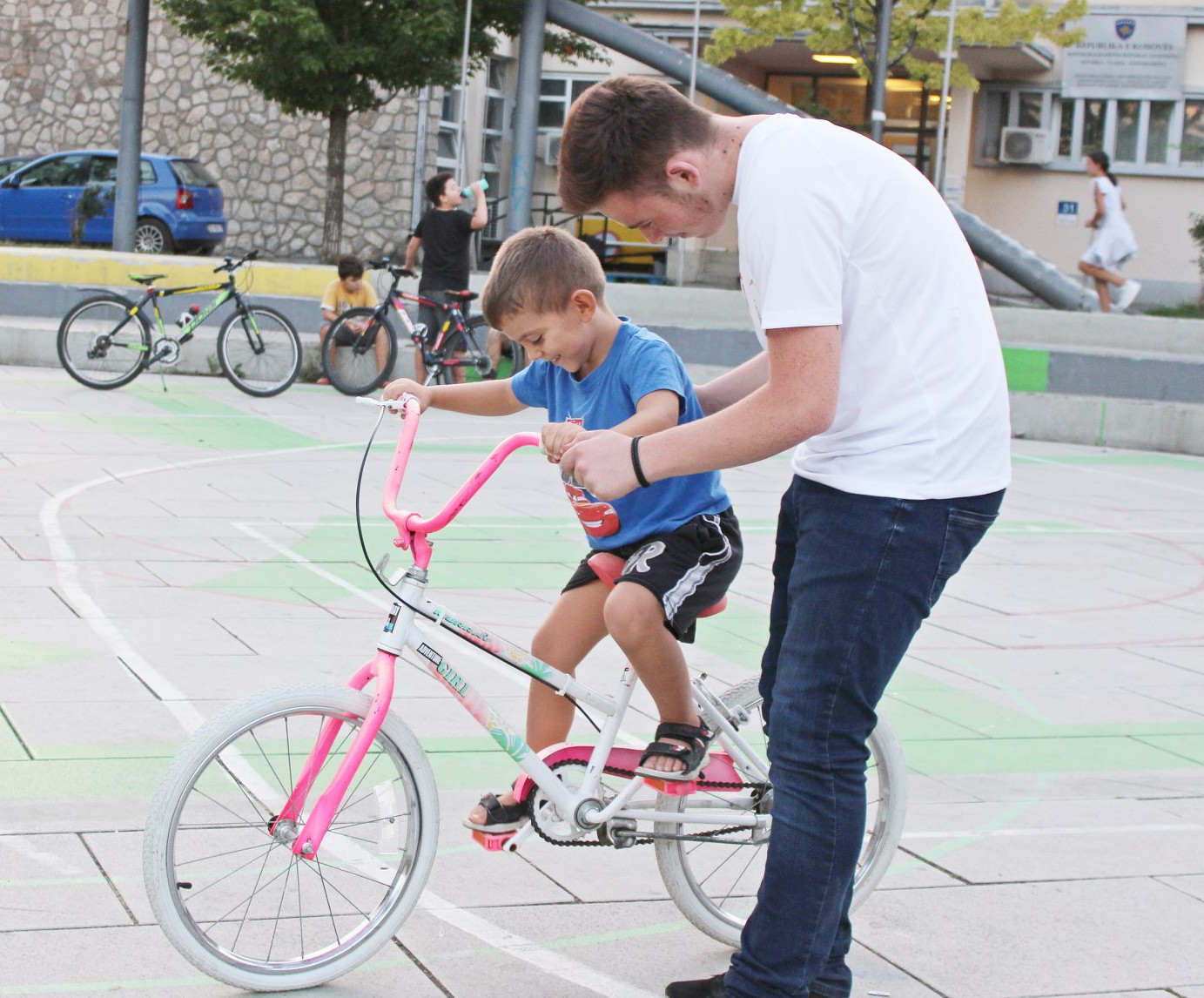
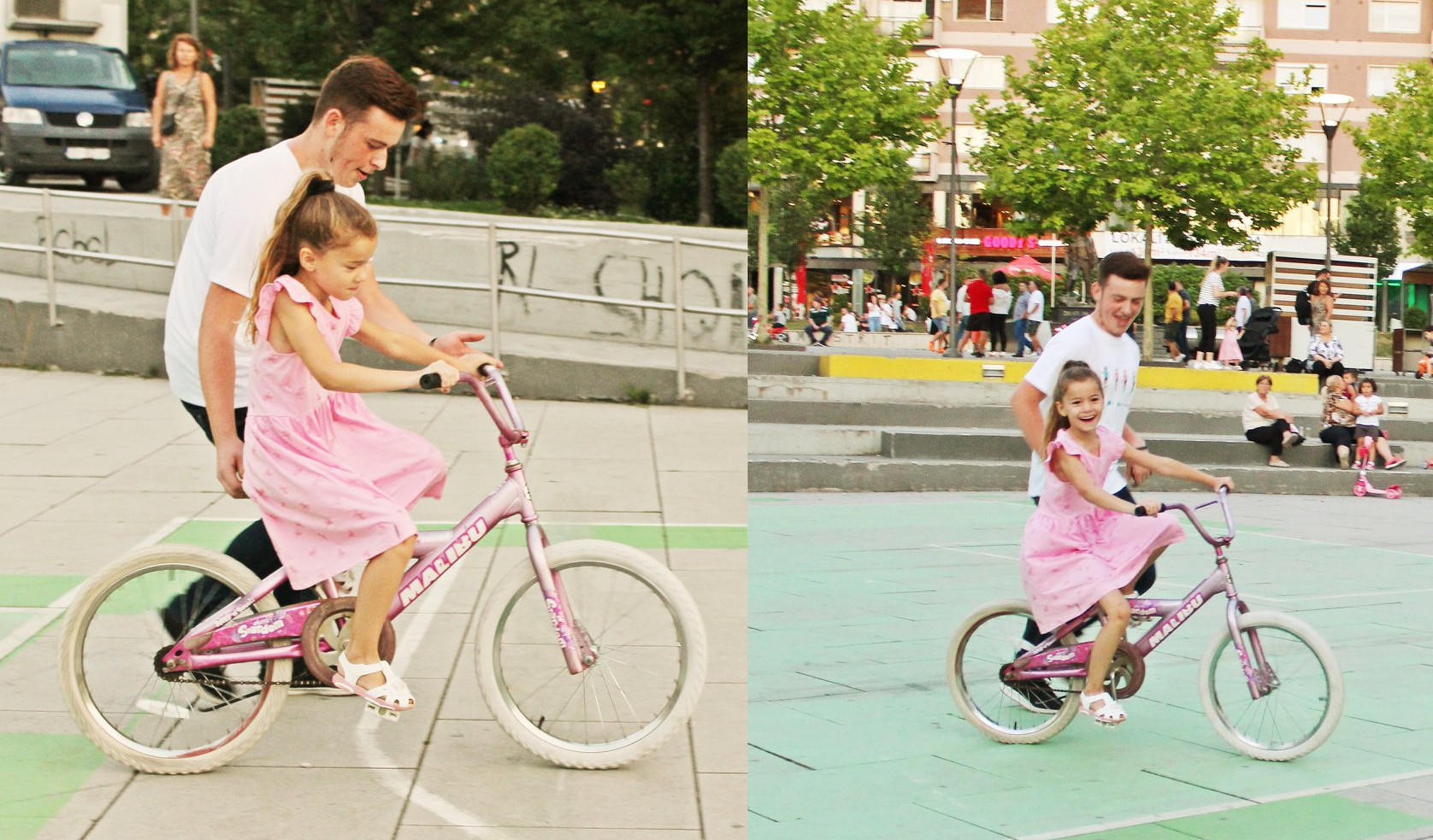
As Prishtina is often one of world’s most polluted cities — due to dense traffic and 100% reliance on coal-produced electricity — encouraging people to cycle is vital for the environment. To this end, since June 2019, GoBike teamed up with a local youth non-governmental organization AYA ‘Pjetër Bogdani’ to organize Cycling Schools and teach people how to ride a bike. Cycling Schools were quite popular. One can never have enough of such events, as the demand was high, particularly amongst children.

Cycling Schools operated in downtown Pristina and were free of charge. Whilst our teams helped every interested person balance and pedal, we gave particular attention to little girls, for whom parents often neglect this important milestone in their lives — learning to ride a bicycle, be free, and grow their independence. GoBike can only hope that through these activities we can contribute to growing the cycling community of Pristina; help young girls and boys grow independent; provide a cycling experience to the adults who have never experienced cycling before; and reduce carbon emissions by promoting cycling as a more sustainable way of transport.

Cycling Champion

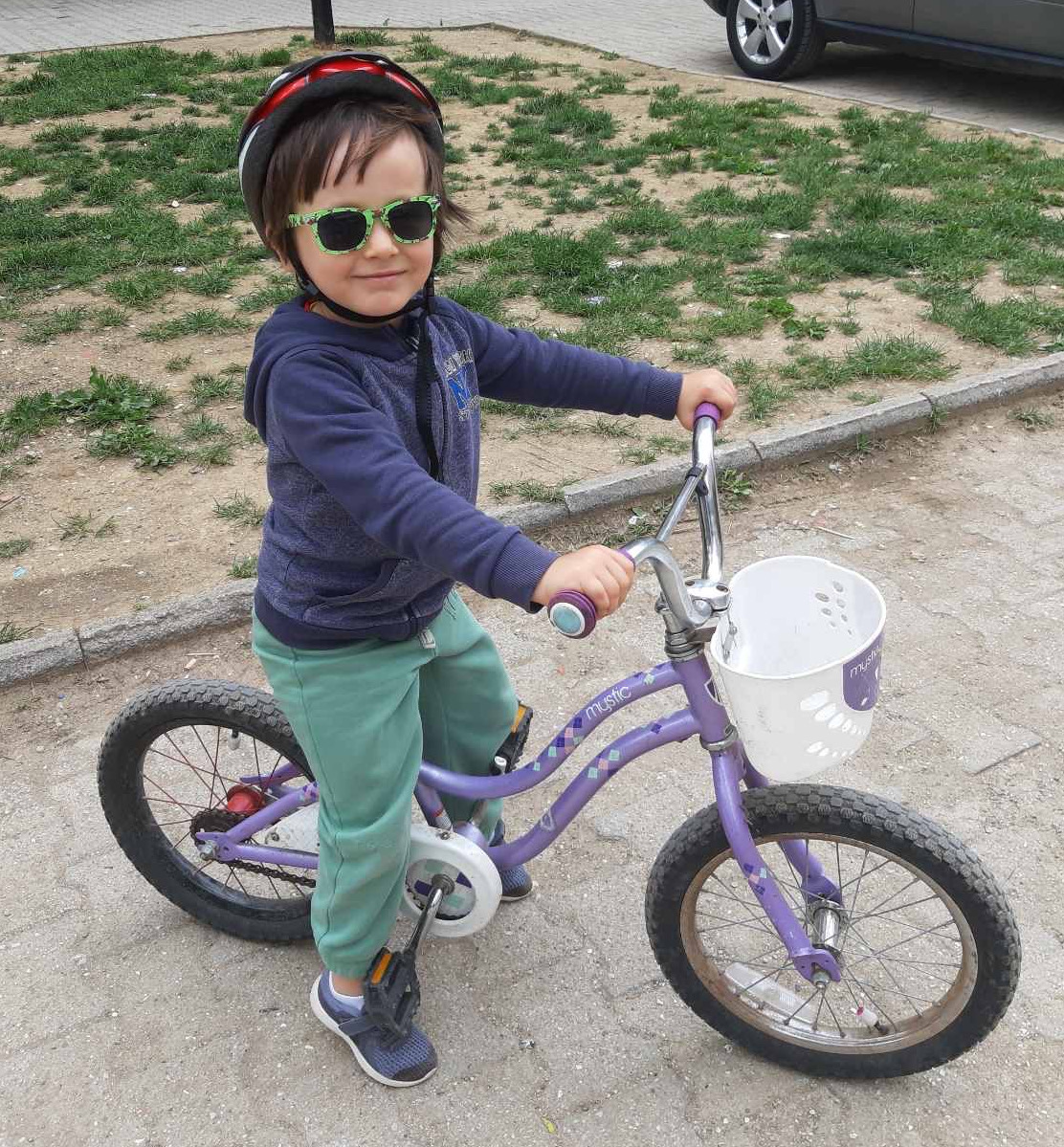
Anel is a customer GoBike will never forget. Indeed, he will never forget GoBike either, as GoBike is now firmly part of his life’s story.

Anel is 4 years old. When he walked into the GoBike shop with his father in late March 2019 to purchase a bike, he had never cycled without the aid of side wheels. However, with the grit and determination of a child, he chose a bike he liked that had no side wheels. He knew what he was doing. He hopped on it, started pedaling and wobbling, but feeling confident by the presence and help of his father. He did a few rounds with assistance, asked to be released, carried on pedaling, and did not stop cycling the whole summer. His happy face is the best reward for GoBike.

Vietnam 2019: the story of Chau Thi Huynh Huong

Fall 2019 Newsletter

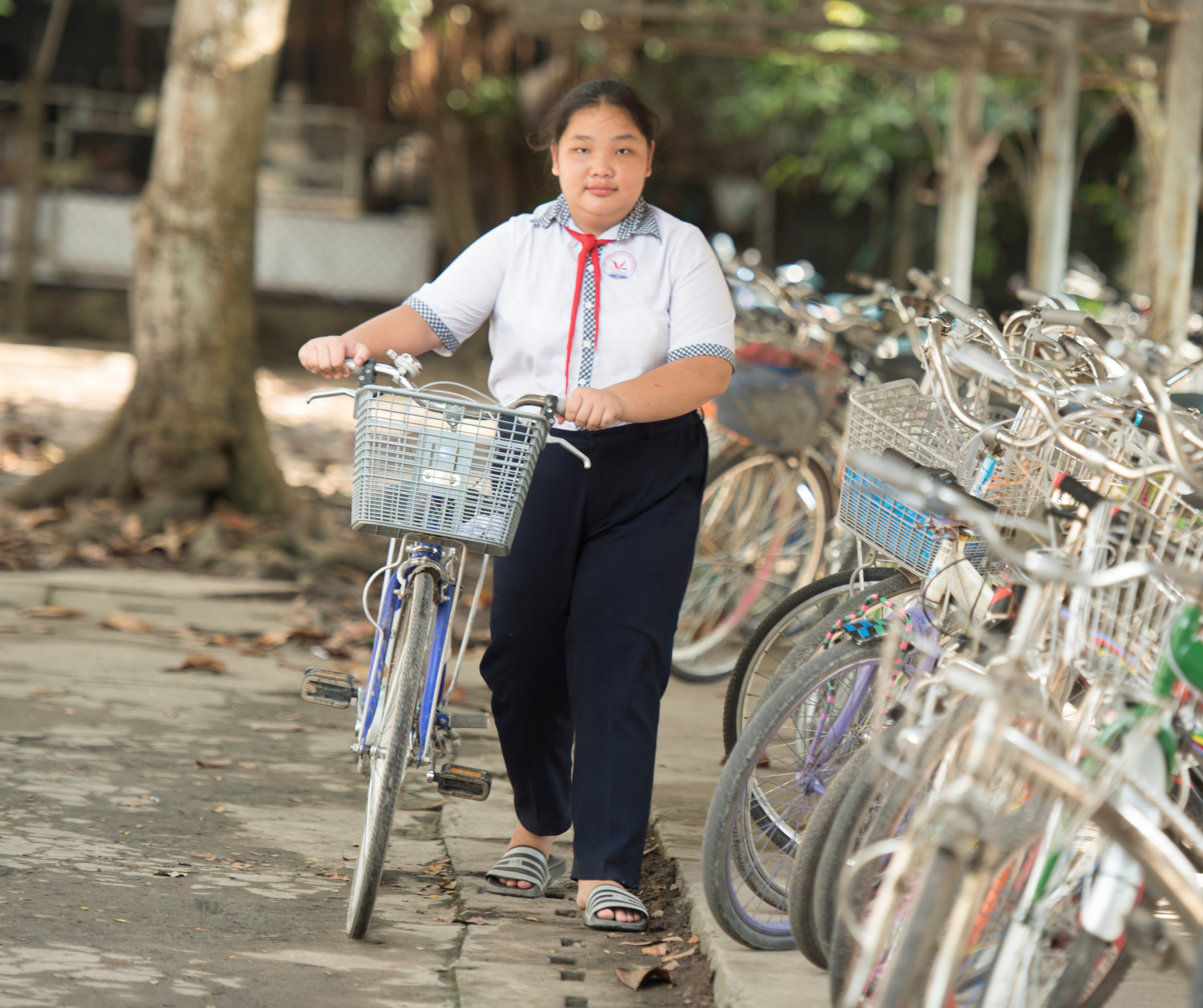
Chau Thi Huynh Huong was born in 2008 into a poor family in a remote rural village in the Mekong Delta, 200 km west of Ho Chi Minh city, Vietnam. With no land and no high school education, her parents are day-workers with no stable jobs or income.  The two old coconut trees by their dilapidated house are the only charming sights nearby. Her parents go to work from dusk to dawn to make ends meet. But at low season they cannot afford to pay all the living expenses of the family. Understanding her family’s circumstances, Huong often told her parents that she wanted to leave school to help them to earn income and to save the cost of her education, but they never agreed. Her parents told her that they had not had enough money to afford higher education for themselves, and that’s why they are so poor today.  

One day in 2017, when Huong was at school, she was told by her teacher that she needed to leave school immediately to go to the hospital because her mother had a serious motorcycle accident. After six months in the hospital, her mother was sent home but she needed a wheelchair to get around.

Recently, Huong has been doing all of the housework and taking care of her mother: changing her clothes, bathing her, and preparing her daily meals. Her father was offered a job as a security guard at a school nearby, earning a better income than before. 

Huong was on Dariu’s waiting list for a bicycle. The Dariu Foundation is the P4P partner agency in Vietnam. When the container of bikes arrived from Pedals for Progress in 2017, she was among the first girls to get a bike. Since the day she got her bike she got to school faster, saving time to help her family and attending class with better spirit. Her teacher has seen obvious changes in her attitude and feels happy about it. Besides, with the new bike, she can also run errands, such as buying poultry-feed, without waiting for her father to get home. 

The bicycle has played an important role in Huong’s and her family’s daily life, and also brought her more joy and motivation for going to school.

Postscript to the 2018 GMRPCVs FedEx Shipment

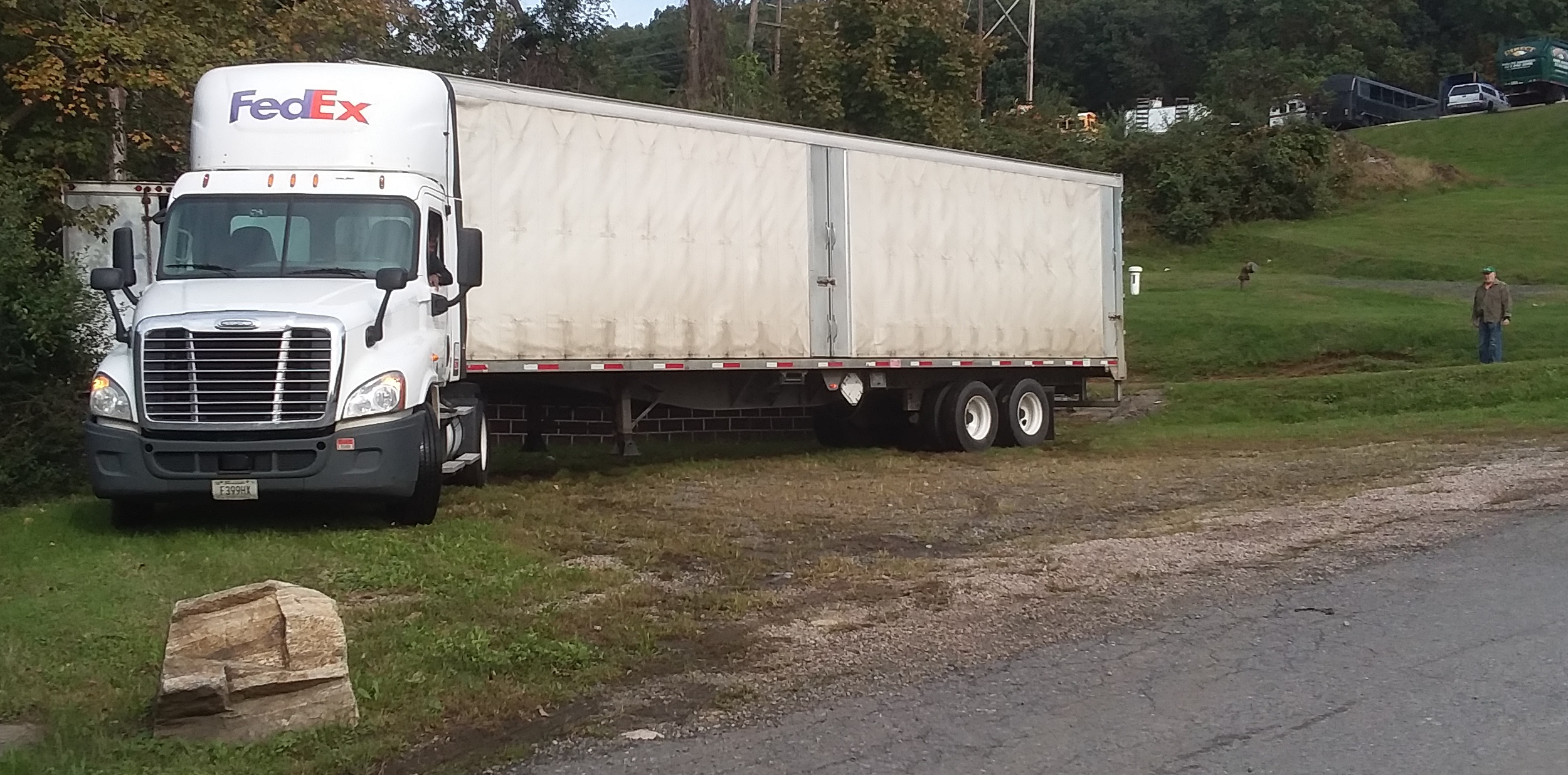
On October 16, 2018, the FedEx truck from the Green Mountain Returned Peace Corps Volunteers got to the P4P trailers in Glen Gardner, New Jersey.


We had our regular driver and he is highly skilled. We were perfectly happy with his first try to park the truck next to our loading dock, but he was not. He wanted to be closer to the dock to make the unloading easier.

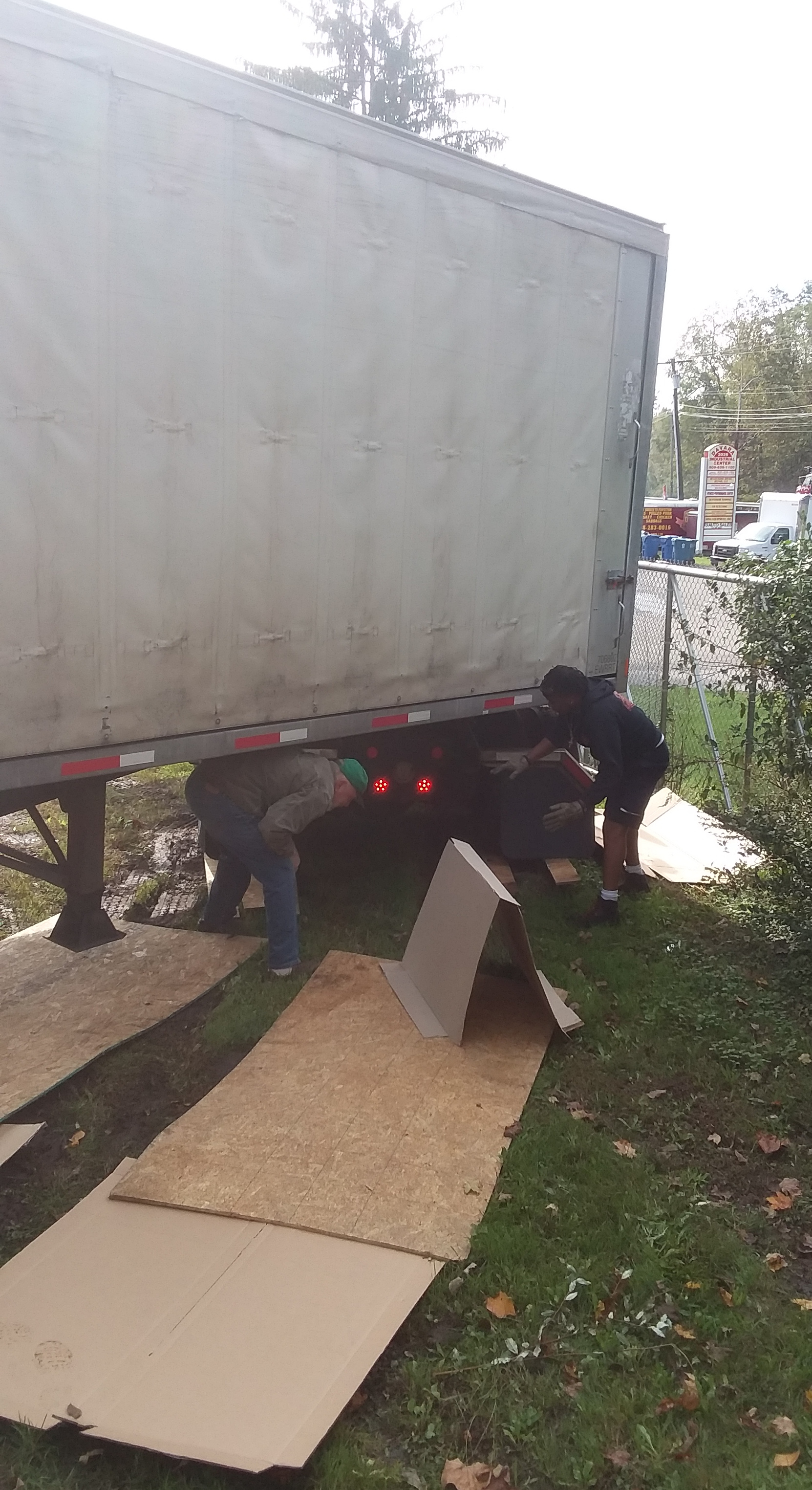
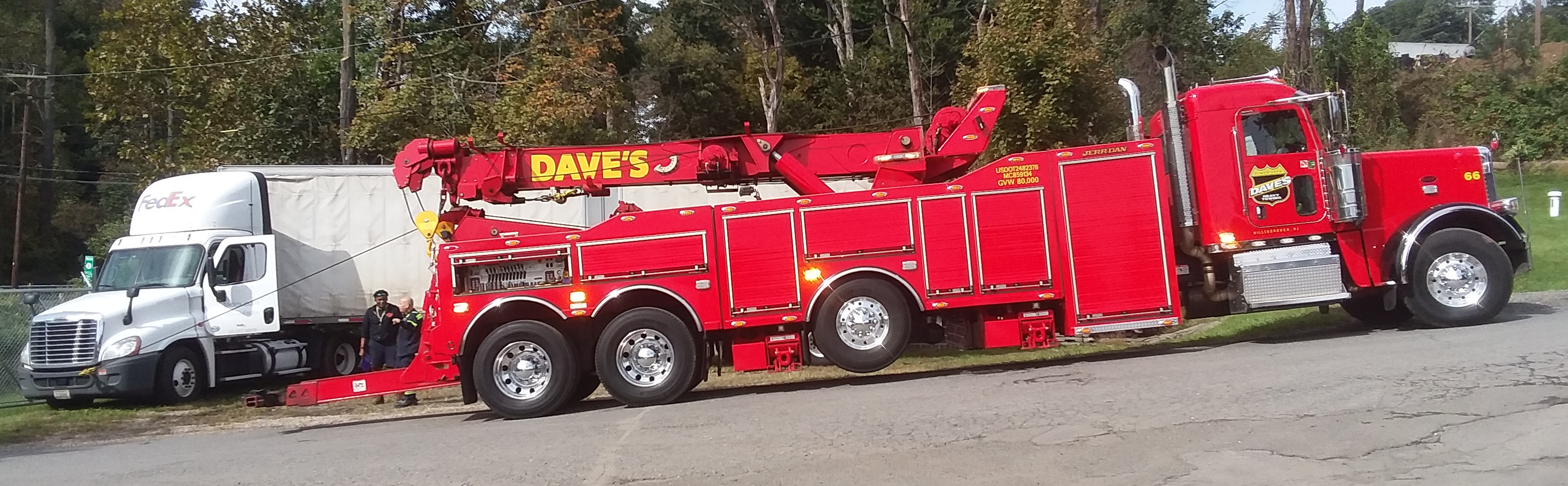
When he tried to get closer, though, he got stuck in a hidden low muddy spot in front of the trailers—wheels spinning, mud flying, truck not moving. I was sure that getting the stuck tractor-trailer out would be a huge problem.


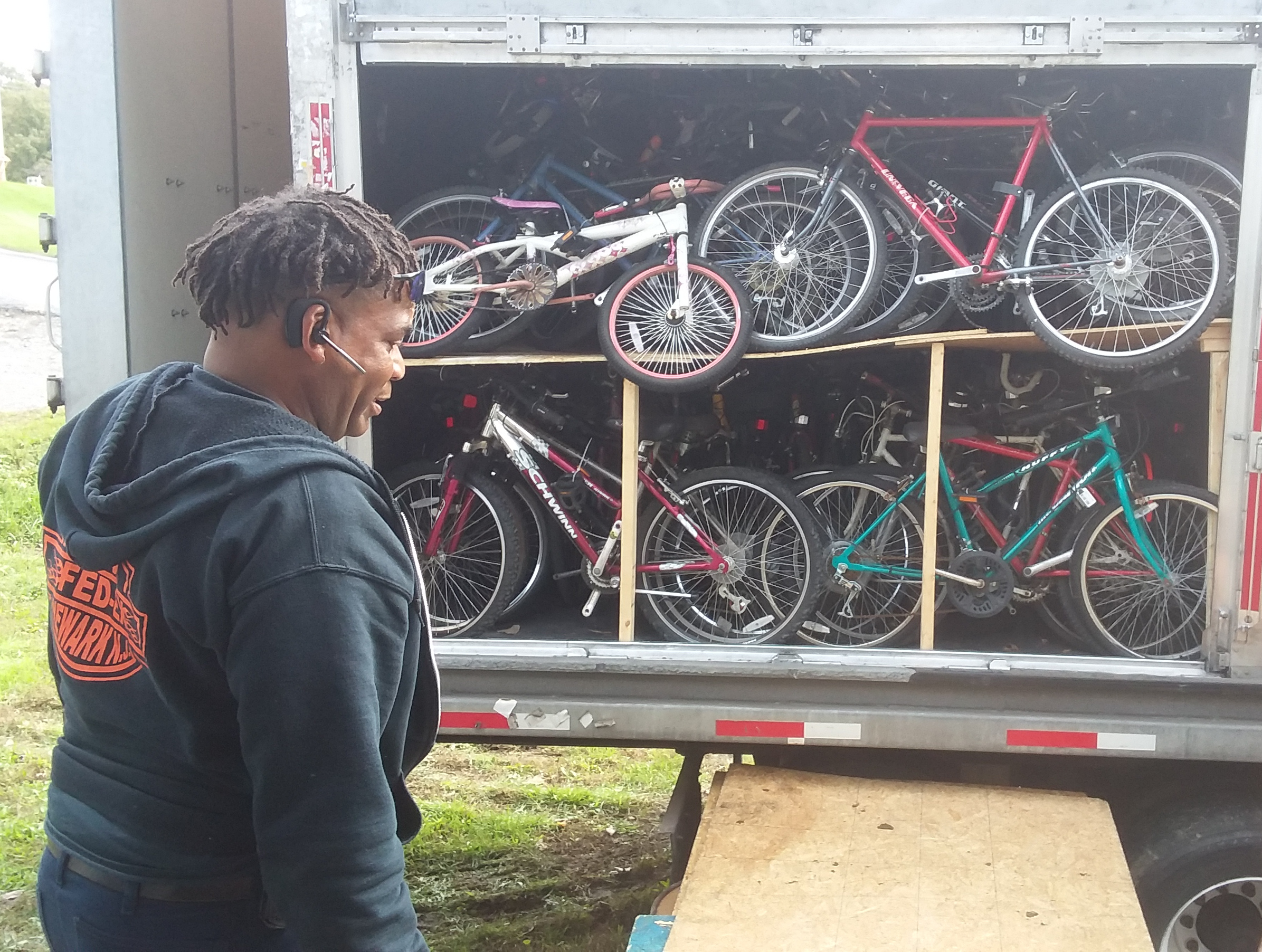
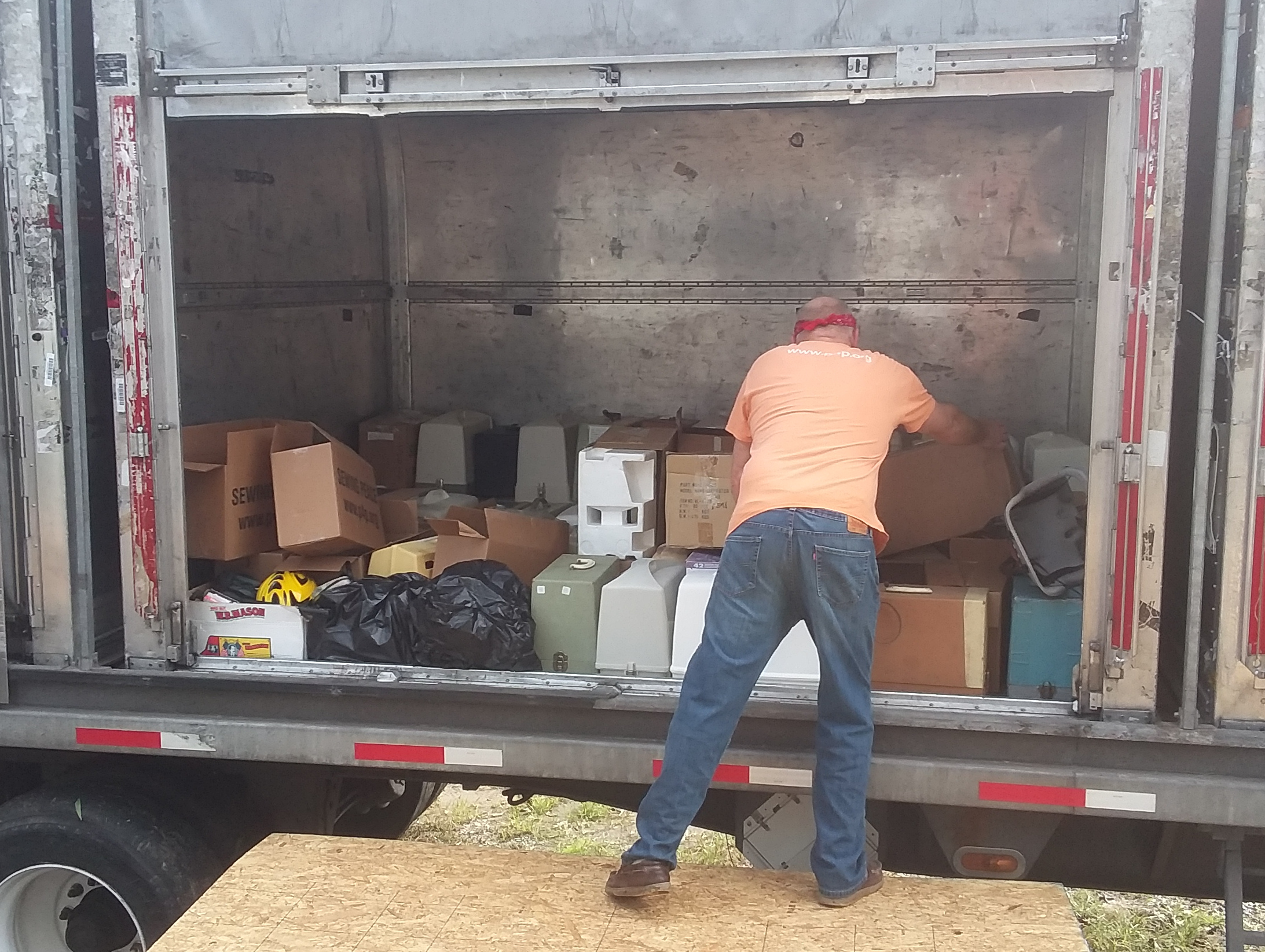
Unloading FedEx truckIn the meantime, we unloaded the 4 FedEx canisters: 193 bikes and 75 sewing machines.

The driver called a local towing company and the biggest tow truck I have ever seen showed up. The two drivers chatted amiably for a few minutes. Then the tow-truck driver hooked up a cable to the FedEx truck, flipped a lever on the tow track, and winched the FedEx truck to the asphalt in about 15 seconds. The tow truck never moved. What problem?


Nicaragua 2018: a Pause in Our Longest-running Program

Fall 2018 InGear

1. A 27-Year Partnership

 
By Dave Schweidenback

In the 1970s and 1980s there was a civil war in Nicaragua. Violence and destruction were widespread. The warring sides would burn the crops of their enemies, so hunger was also widespread. Many bridges and roads were impassable.


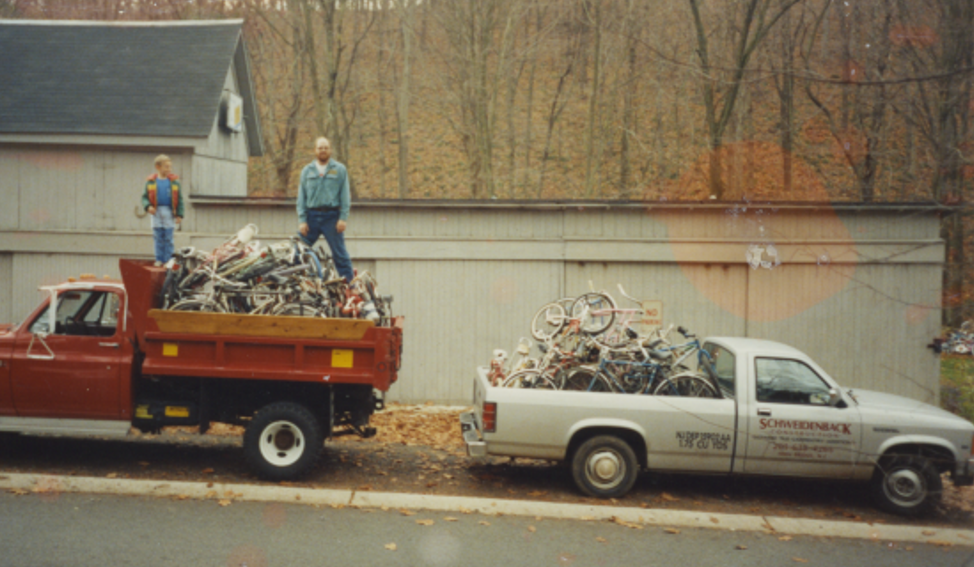
U.S. religious groups were sending humanitarian aid such as food and medical supplies to Nicaragua. A couple of these groups were in New Jersey, including a group at the United Methodist Church in Plainfield. I asked if I could put some of my bikes into the containers they were shipping to Nicaragua. That’s how our first bikes went to Nicaragua in 1991.

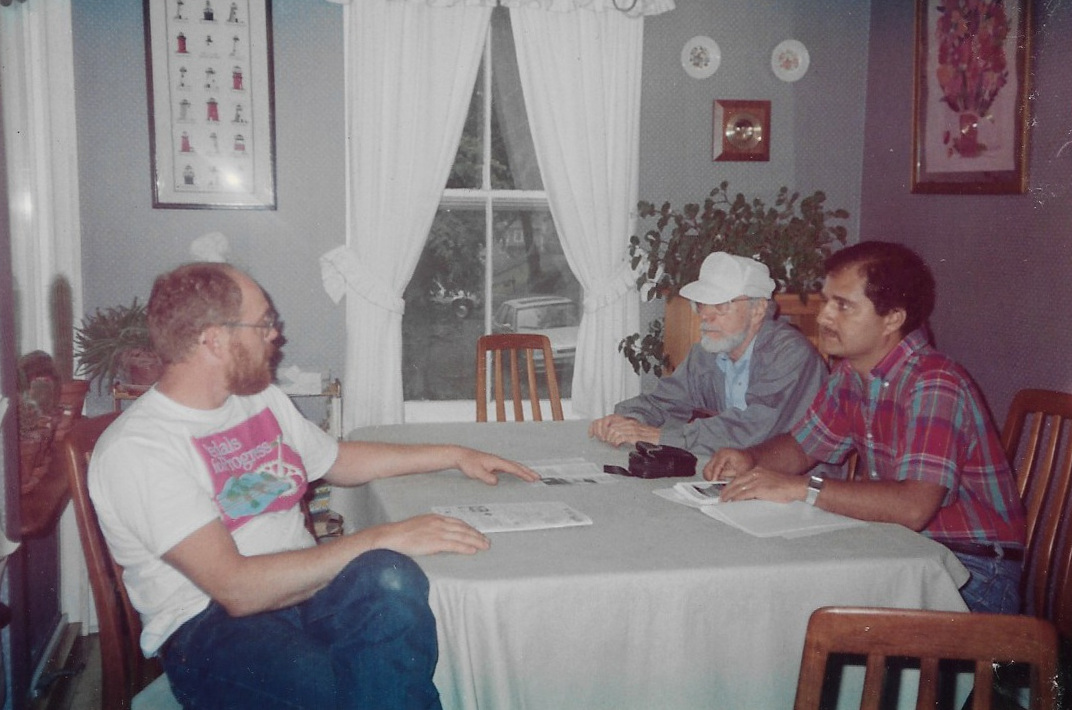
After a few of these containers had been shipped, the church groups invited their Nicaraguan partners to a meeting in New Jersey to talk about our projects. One of the Nicaraguans was Wilfredo Santana, head of the Association for the Community Development of Rivas, a town in southwestern Nicaragua. Wilfredo was talking to the group about his programs and the shipments from the U.S. and he said, “Forget all that other stuff, just send us bikes.” Gasps all around. The roads and bridges were in such bad shape, and gasoline was so scarce, that a bike was an incredible advantage in Nicaragua at that time.

The group had a picnic where I had a chance to talk with Wilfredo. He said that he didn’t have any money for the first shipment, but that if I could ship him a container of bikes at no charge, he could make enough money on the bikes to pay for the next shipment. Each shipment would pay for the next, and this could go on indefinitely. This was the origin of what we call the revolving fund idea, which we have used ever since.

To ramp up my production and to have more control over where I sent bikes, I was determined to make P4P-only shipments, independent of the other groups that were sending aid to Nicaragua. I went to the SeaLand shipping company and told them that if they would donate the cost of the first shipment, I would become a long-term customer. They made the shipment at no charge and I became a long-term customer. Since then, it has sometimes been a struggle to fund the first shipment to a new partner. But we’re still in business, we’ve shipped more than 155,000 bikes, and we’re still using our revolving funds to pay most of our international shipping costs.

End of an Era

There are several reasons a program might end: the local market for bikes can become saturated; the business might not be well run or might lose key people; the government might impose prohibitive import rules or fees; the local economy might collapse. Despite all these unhappy possibilities, our P4P program in Nicaragua has had an amazing run.

Between 1992 and 2016, we sent more than 40,000 bicycles to Nicaragua, including more than 20,000 to Rivas. Now seems like a good time to pause the program. Demand for our bikes is down because we’ve shipped so many and because of the terrible political and economic times in Nicaragua in 2018.

Given the right circumstances, we may revive the EcoBici program down the road. For now, though, we’re making the Rivas program inactive. Goodbye for now and good luck to our good friends in Nicaragua.


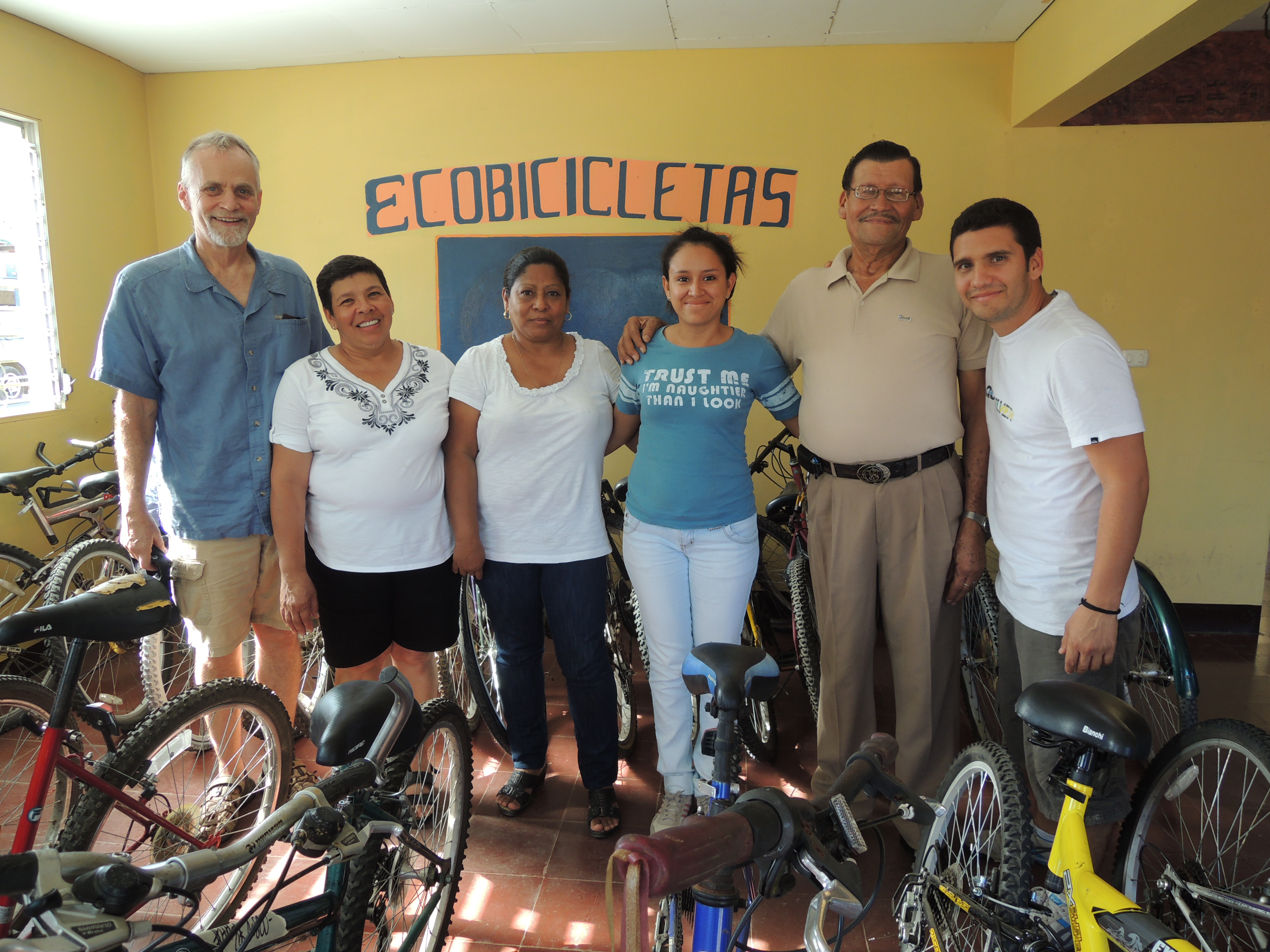
Gary with EcoBici Staff, February 2014

2. ECOBICI, Rivas, Nicaragua

 
By Wilfredo Santana


In the 1990s, after the war in Nicaragua, the impact on Rivas of the arrival of bicycles was very great. The country was economically destroyed, public transport was insufficient, and the unemployment rate was high. So for people with scarce resources it was extraordinarily helpful when we started selling bikes at modest prices. We call our bike business EcoBicicletas, EcoBici for short.

Our organization, the Association for the Community Development of Rivas, developed several programs in Rivas and the nearby communities of Veracruz, Buenos Aires, La Chocolata, and Tola. Our programs benefited single mothers, mothers who lost their children or husbands in the war, teachers, and workers. We had programs to build rope pumps for water wells, transport drinking water, build latrines, and build roofs for houses.

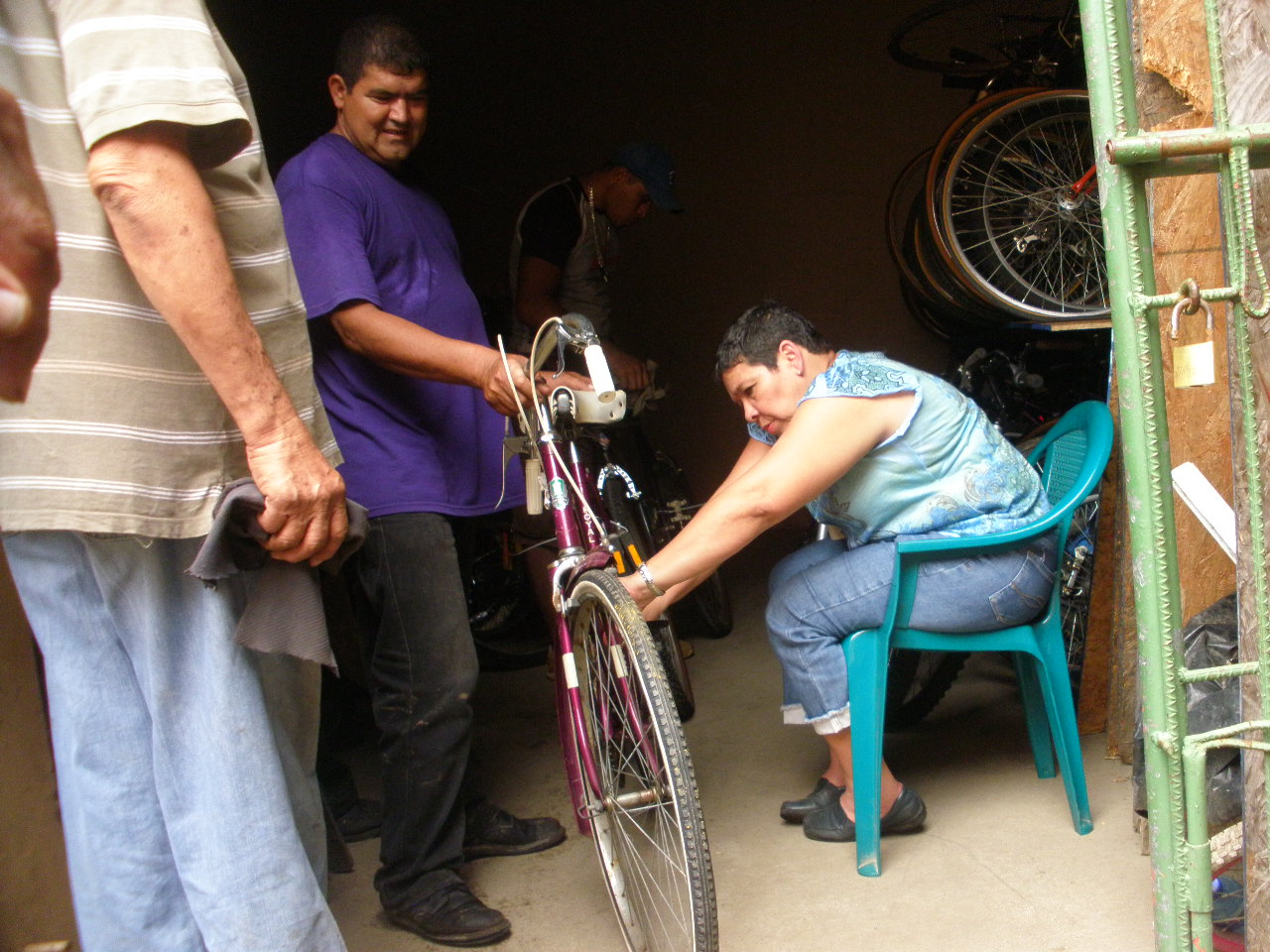
We established bike shops where we sold and repaired bikes and bike parts, and we trained bike mechanics to work in the shops.

Rivas has become somewhat more prosperous over the last couple of decades, so the use of motorcycles and autos has increased. We do not have the same demand for bikes that we had years ago, but we still sell many bikes, mostly to young people, women, and some elderly people. And the bicycle is still an economical means of transport for many.

Besides providing affordable transportation to thousands of adults and children in Nicaragua, EcoBicicletas has, for almost three decades, offered steady jobs for the three women who run the organization.

Now, in late 2018, Nicaragua is in the middle of a socio-economic crisis, including violence in the streets. The deterioration of the economy has impacted the sales of bicycles to such a degree that we fear for the survival of our business. We hope that the situation will normalize and the pace of product sales will resume.