Every year, Sewing Peace & Pedals for Progress collect hundreds of sewing machines that we ship overseas. Most are in very good working order but there are many that need tuning. Someone who is handy with small gadgets could be of great assistance. If necessary we will train you to make minor repairs of sewing machines. Your help would allow us to reach hundreds more people annually. Please contact Dave at dschweidenback@gmail.com or (908) 638-8893 for more information.
Category Archives: Sewing Partners
Shifting Gears: Pedals for Progress and Sewing Peace Keep the Spirit of Economic Development Afloat
by Patricia Hamill
Fall 2016 InGear
Adaptability, resilience and initiative. These are the key factors that define success in the world of the NGO and that are the very foundation of Pedals for Progress (P4P), a small, but internationally active nonprofit. Founded in 1991 by David this undertaking was not intended to be part of a charity effort, but a leg up for the economically disadvantaged. Over the last 25 years, P4P has searched out communities in the developing world and connected them with access to employment and self-sufficiency by providing them with sewing machines, bicycles and maintenance parts.
To date, more than 145,000 bicycles and 3,200 sewing machines have been shipped to P4P’s nonprofit partners in more than 40 countries including Nicaragua, Guatemala, Ghana, Albania, and Fiji, and the numbers continue to grow as collections are scheduled year round. The partners in these countries arrange the pick up and delivery of the shipments, and they often serve as an ongoing center of support and education for those who purchase the bikes and sewing machines.
It is important to our philosophy of self-empowerment that people maintain a sense of self-reliance and initiative. Recipients of the bicycles and sewing machines that P4P collects and ships are required to purchase them. While the amount may be minimal, we feel that paying for affordable and low-maintenance access to employment offers a long-term solution to poverty. The recipients can earn their own way and take pride in their improved lifestyles. But what are the challenges of such an undertaking? When dealing with the bicycles, there are large containers to ship, customs to navigate, delivery to arrange at the recipients’ location and reliable partners to connect with so that this endeavor remains untouched by mismanagement. These obstacles are among the reasons why P4P is now expanding its focus and putting sewing machines at the front of the list of shipping priorities.
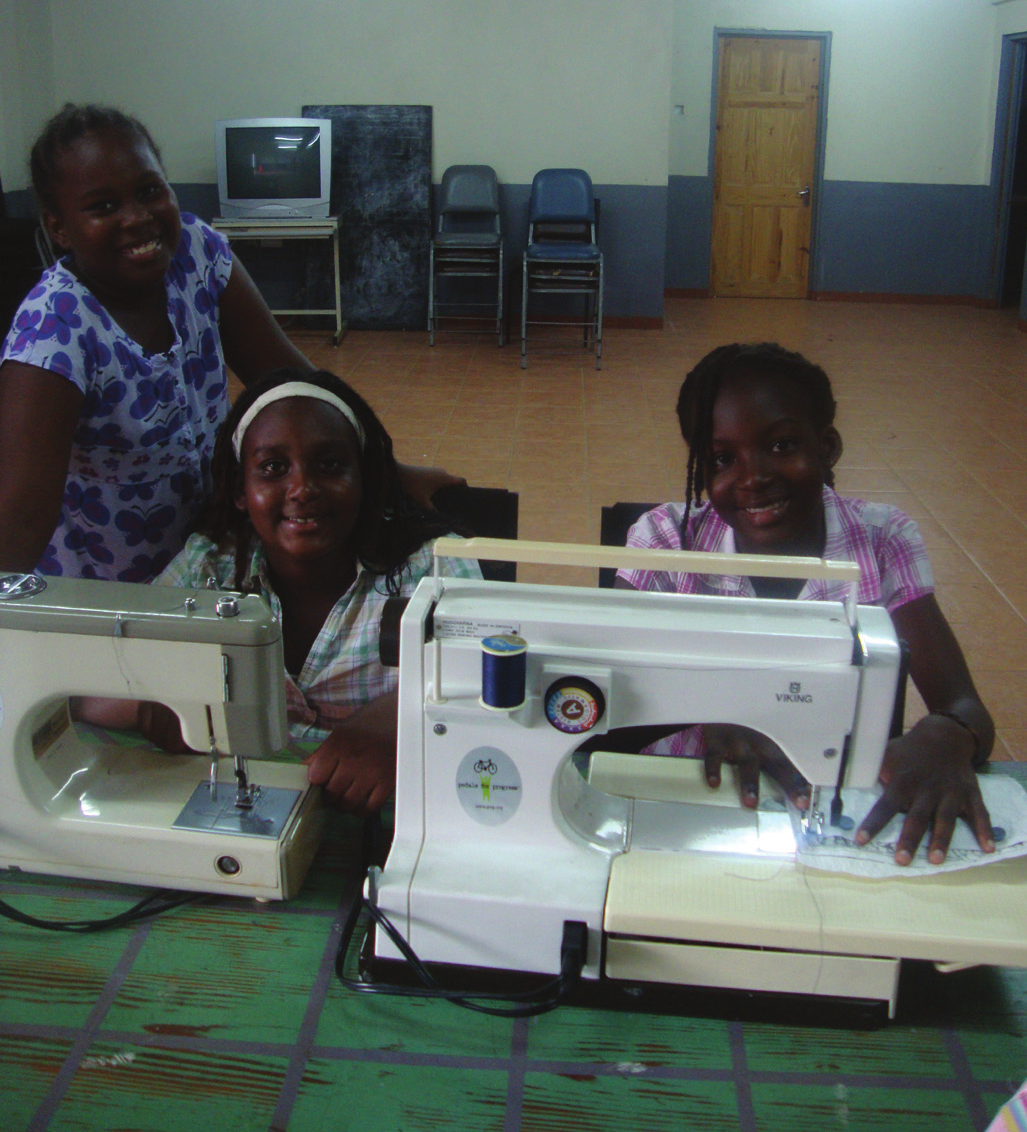 Our sewing machine collections are under the auspices of Sewing Peace—still a part of P4P, but independent all the same. The shipping itself is less expensive and that enables Sewing Peace to allocate more funds towards outreach: We can stack the sewing machines on pallets and transport them in smaller vehicles once at their destination. Usually 20 or 30 machines are enough to fully supply a co-op or school without our needing to resupply. Sewing machines are practical because they are also technologically appropriate to the locations where they are distributed.
There are several success stories from long-term and new partnerships formed over the years. One such fortuitous relationship is with the Foundation for the Environment and Sustainable Development (FIDESMA). Located in Guatemala, this organization runs economic development programs that enable locals to learn a variety of skills such as computer use and more efficient methods of agriculture. FIDESMA is able to make use of the bicycles and sewing machines in two ways. First, those who purchase these enhance their earning power by accessing employment in more remote areas or by setting up their own sewing businesses right in their own homes. Then the income from the sales enables FIDESMA to continue to fund its programs and keep the classes running. This system of reciprocity is much more desirable than the cycle of poverty that exists so pervasively in this region.
The Barrouallie Secondary School on the island of St. Vincent is the fortunate institution that welcomed a dedicated Peace Corps Volunteer who was familiar with P4P’s work. She arranged for 20 sewing machines to add to the school’s vocational curriculum. These particular machines are strictly for educational purposes rather than commercial, but the skills these Vincentian students take away with them will help them avoid work in banana production and the insecurity that comes with crop diseases and other negative effects on prices. Tourism is a growing industry on the island, but there are only so many jobs to go around. The sewing machines do not rely on seasons or market values to function reliably.
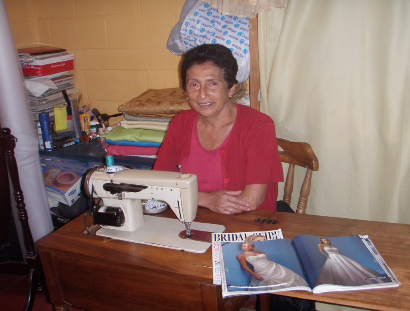 As bicycle donations dwindle in the face of a reduction in consumer spending and an increase in their value as scrap metal, it has become immensely important that P4P maintain its momentum and continue its mission uninterrupted. What Sewing Peace hopes to accomplish, in the spirit of P4P, is to connect with many more people who can provide and store unwanted sewing machines domestically and may have ideas and suggestions as to where Sewing Peace can expand their footprint in the world.
Making changes after 25 successful years can be difficult for some, but P4P was founded on challenge and filling a need. Pedals for Progress and Sewing Peace embrace the evolution that must happen to keep the spirit of economic stability alive. The needs of the poor stay the same but how they are met must evolve and this NGO is not losing any momentum shifting gears and running smoothly ahead. As the saying goes, “A rising tide lifts all boats.”
[Patricia Hamill, M.A., is the founder of Heron Moon Press and an adjunct faculty member at Pace University and Southern New Hampshire University specializing in Composition Studies. She is a freelance writer and editor who regularly contributes to “InGear,” the newsletter of Pedals for Progress. Her blog on writing and mindful living can be found at HeronMoon.com.]
Bula Vinaka from Fiji
Spring 2016 InGear
My name is Percival Epeli Navolo and I reside on the beautiful tropical land known as the Fiji Islands.
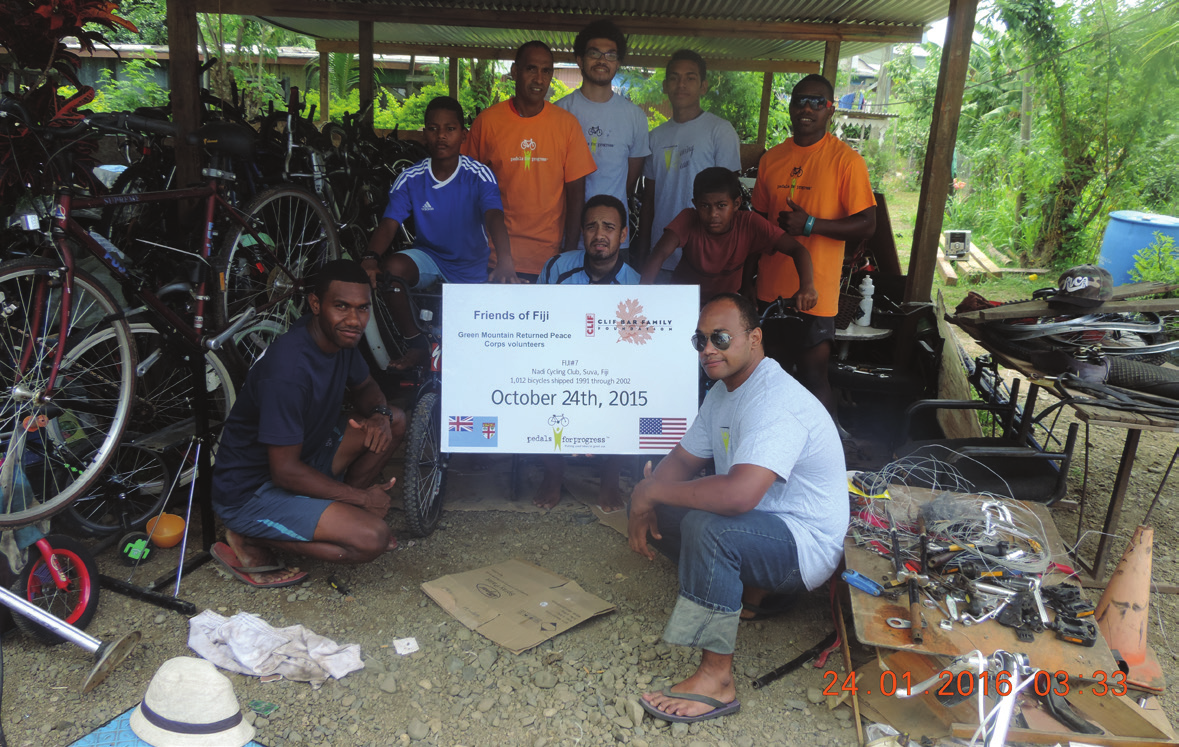 Life here on the Island has not fully modernized in certain areas compared to larger countries and many of us live day to day. Here on the Island income levels are low and many do not have the privilege of high-level education, so they cannot get good jobs. Still they have the capacity and capability of man and will power. I have involved myself in the sport of cycling for 30 years and have seen the benefits the sport brings, physically, mentally and environmentally. With the firm boosting support from the NGO organizations Pedals for Progress and Friends of Fiji, many Fijians now have a milestone opportunity to have their lives transformed.
I am formerly the president for a nationally recognised club known as the Nadi Cycling Club. We just got a 40-foot container provided by Pedals for Progress, Friends of Fiji, Green Mountain Peace Corps Volunteers, and Clif Bar Family Foundation. The container had 440 various species of bicycles and 68 perfectly operabable sewing machines.
With these materials the club can now fulfill our 3 basic goals:
- Help unemployed youths avoid violence, and instead train them in the field of bike mechanics, the bicycle trade, and the development of the sport in the country.
- Provide inexpensive, good-quality bicycles to low-income earners who need transportation to distant job locations. Besides giving them efficient transportation, bikes also help maintain their physical fitness.
- And most importantly, advocate a more environmentally friendly mode of transportation, to lessen the release of harmful gases into the atmosphere, reducing damage to the ozone layer.
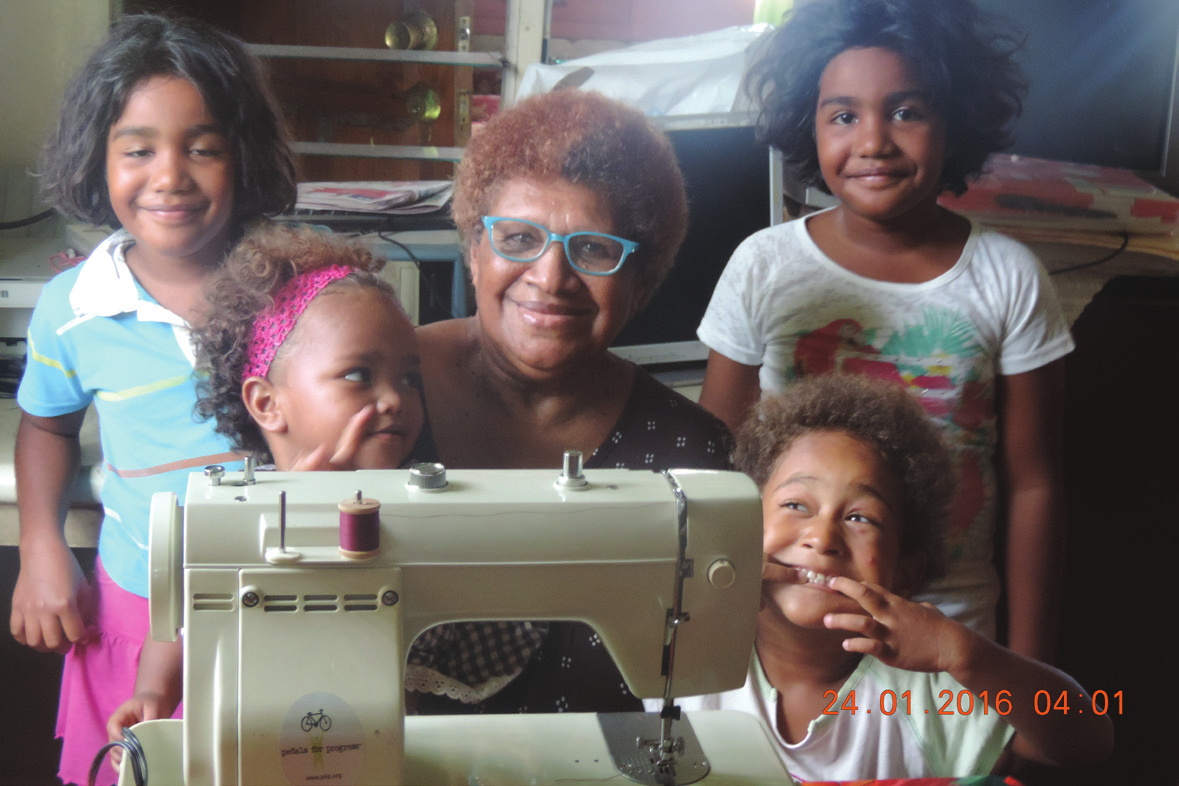 We believe that each individual effort can make a difference. We were also blessed to have the first-hand privilege of helping unemployed widows who struggle to put food on their tables to feed their little young loved ones. With a source of income, these talented ladies can now use these sewing machines and sell garments they sew. Though it may not be hundreds or millions a day, the lovely smiles of relief on their faces gave us a humble relief that it was more than enough.
So we encourage all the donors and volunteers who have contributed to making a difference in individual lives all over the world to continue their hand in creating smiles and happiness.
So from the Nadi Cycling Club here in the Fiji Islands, we would like to convey a Big Vinaka Vakalevu to Pedals for Progress, Friends of Fiji, Clif Bar Family Foundation, Green Mountain Returned Peace Corps Volunteers and all the contributors for their extensive support in helping us here in the Fiji Islands move forward towards a better tomorrow.
FIDESMA report, January 2016
by Margarita Caté de Catú, President of FIDESMA, Guatemala
From December 1999 through 2015, we have received from Pedals For Progress 16 containers with 8,160 bikes and 400 sewing machines, which have directly benefited more than 8,560 people and their families.
The program has brought important benefits to our organization, to our communities, and to the country of Guatemala as a whole.
In San Andrés Itzapa, Chimaltenango, Guatemala, we face many problems: lack of employment, lack of opportunities for women, lack of education about the environment. Children suffer from malnutrition and lack of education and job training.
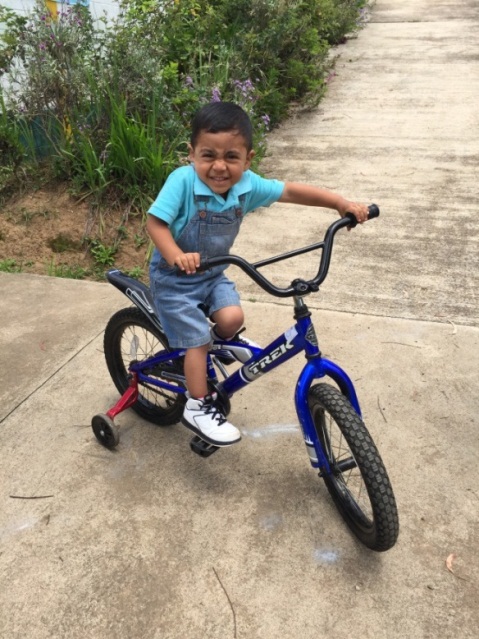 But the FIDESMA/Pedals project gives kids and adults the chance to buy a bike to get around faster to school and to work, and to get some exercise, all without polluting the environment. As we have heard many times over the years, bicycles help people with their jobs. As examples consider the administrative staff of the foundation: a secretary, an accountant, a salesman, and a mechanic. With the help of their bikes, they all earn salaries that support their families.
Likewise our sewing machines benefit many families. Groups of women artisans work every day to earn a living and buy food for their children.
Besides its bicycle and sewing machine programs, FIDESMA generates funds for the maintenance and operation of the organization, for creating jobs, and for supporting social service projects. For example, we run one project for children and young people with disabilities, and another project that provides medical equipment, medicine, and basic food to the project’s medical clinics. Another project provides teaching materials to schools.
We also provide support groups for the training of women in areas such as these:
- crafts
- farming
- participatory citizenship
- dressmaking
- baking
- food packaging
- welding
Directly and indirectly, FIDESMA has benefited more than 20,000 people across the country of Guatemala, which is why we are grateful to Pedals for Progress and especially its president David Schweindenback for the selfless support extended to us for the last 16 years.
[To see a recent photo album from Guatemala, click here.]
2015 Guatemala Photo Album
[Margarita Caté de Catú, President of FIDESMA, our partner in Guatemala, sent in a report on their recent activities. Click here to see her report. She also sent lots of great photos. Here they are.]
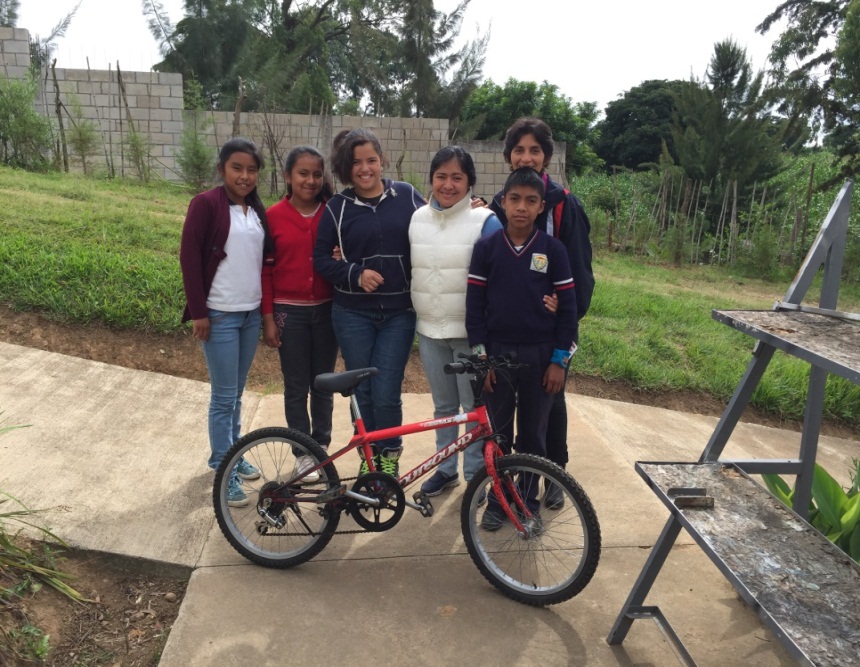
Sixth-Grade Raffle
We donated bicycles for a sixth grade raffle to raise funds to buy uniforms and equipment for their soccer and basketball teams.
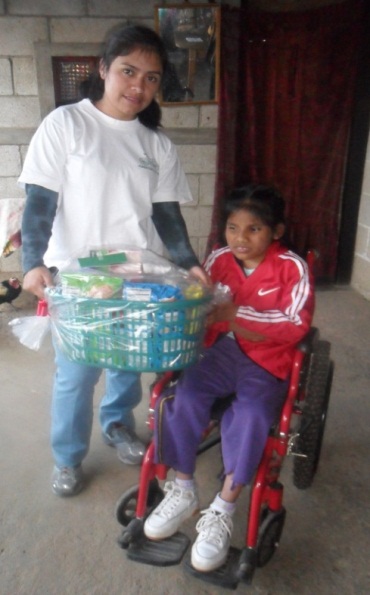
Children and Youth with Disabilities
We deliver groceries to children and youth with disabilities.
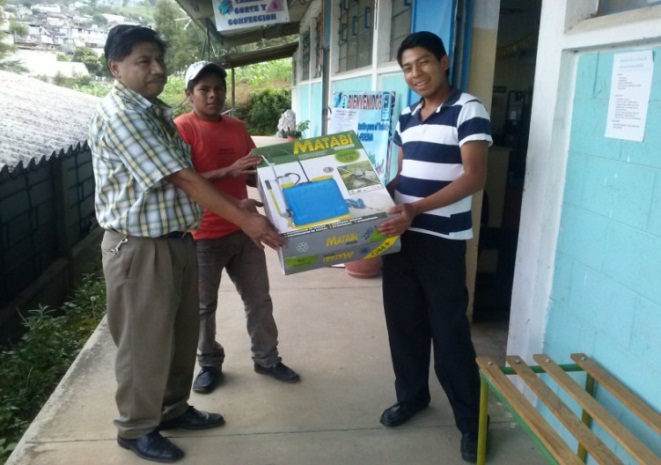
Community Banks
We promote community banks and training for small businesses.

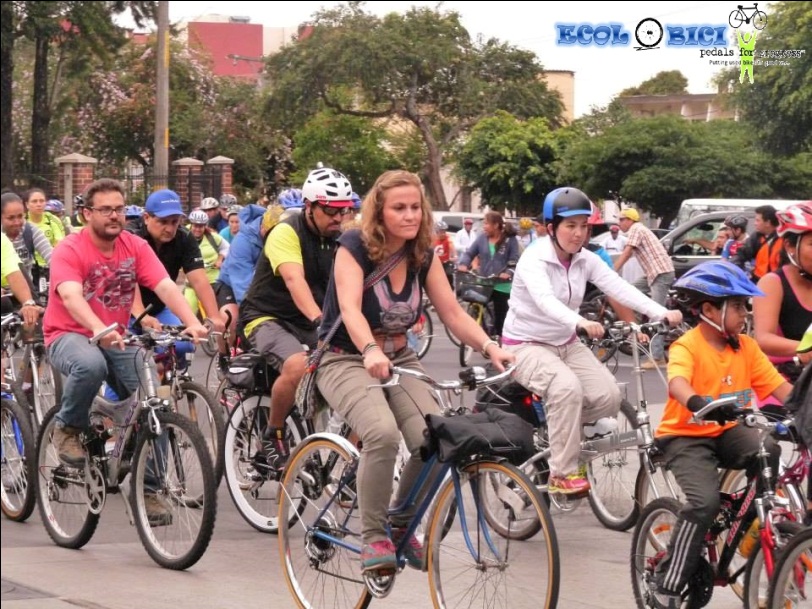
Ecolobici
Ecolobici, our bicycle program, provides and promotes bicycles for men, women, and children of all ages.
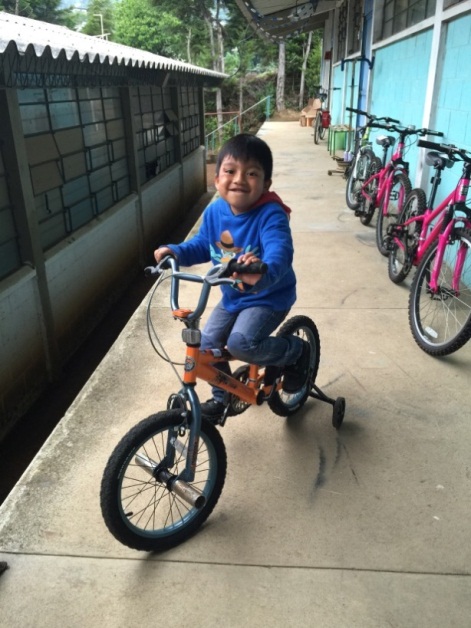
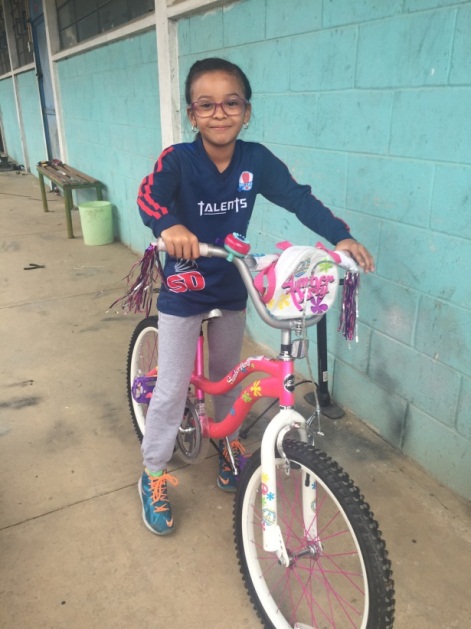
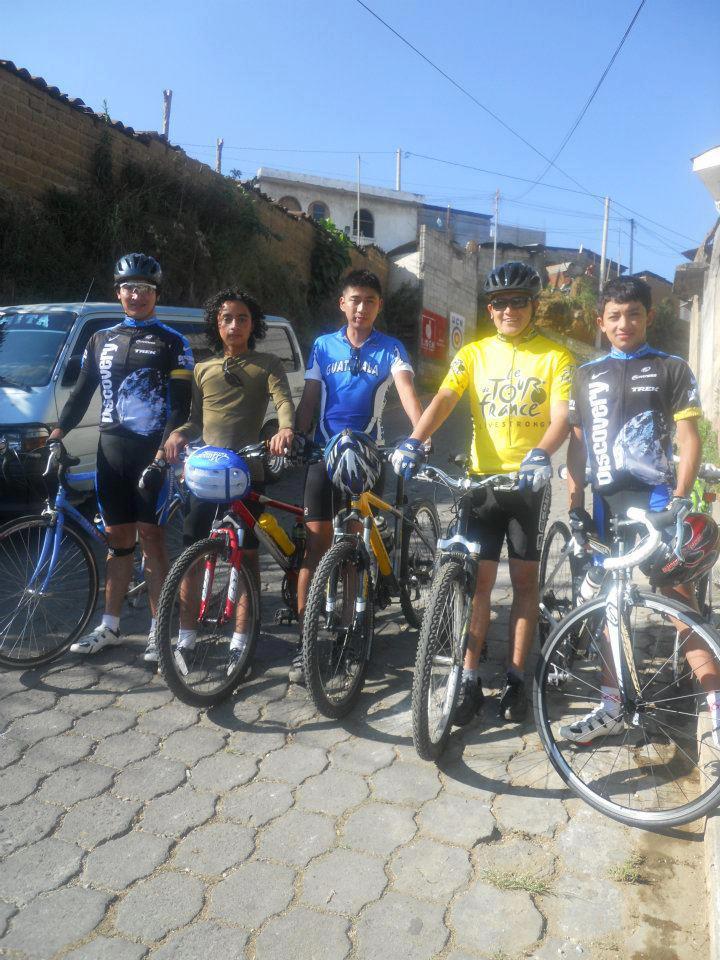
We organize cycling events.
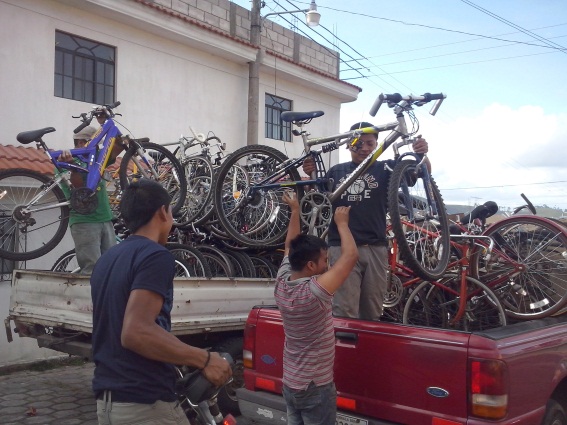
We bring bikes to surrounding communities.
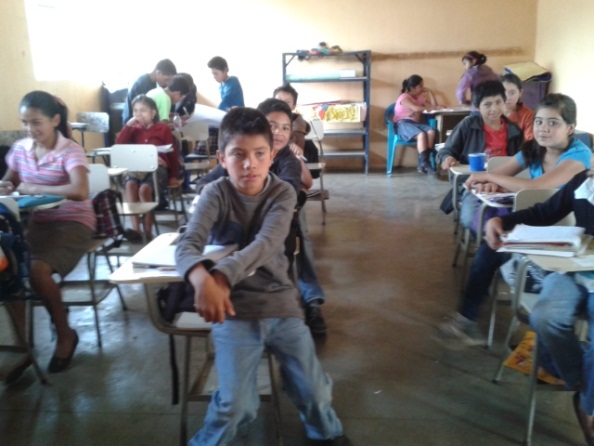
Schools
We provide teaching materials to schools.
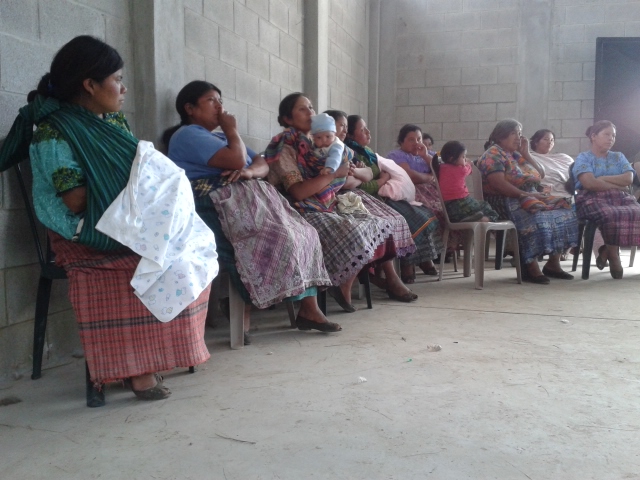
Women’s Programs
We provide several programs for women.
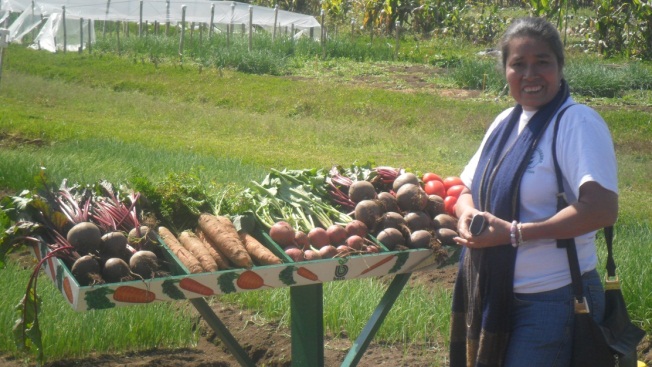
Farming
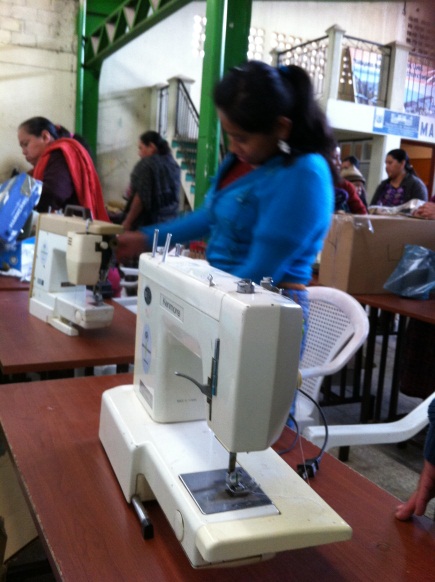
Dressmaking
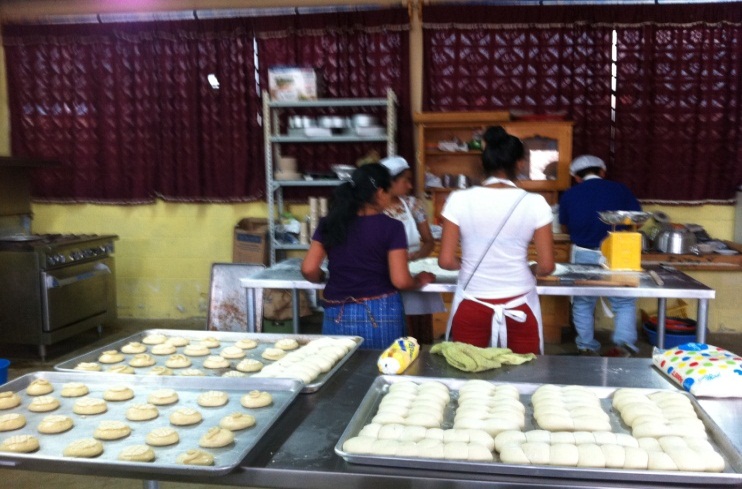
Baking
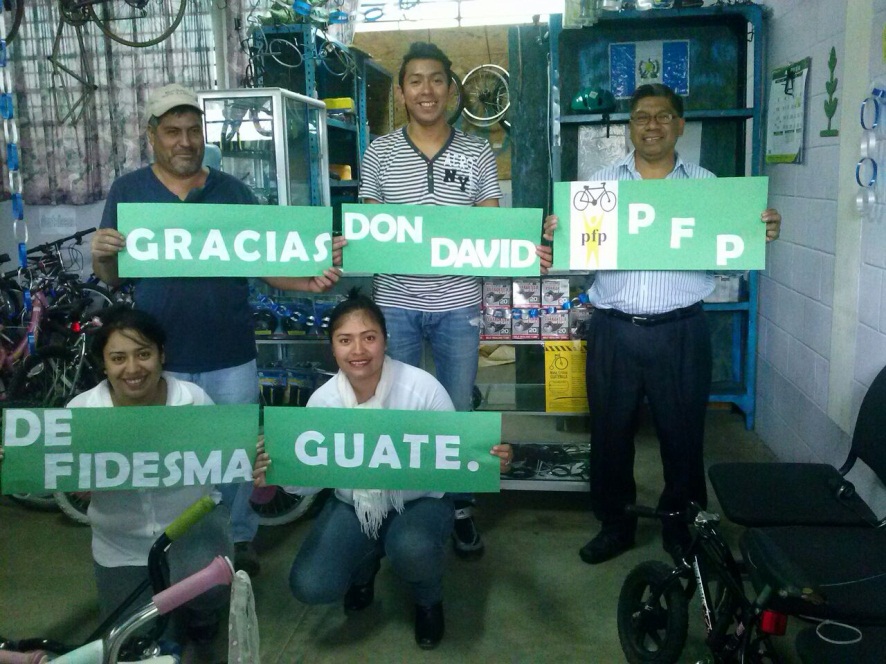
Gracias, Pedals for Progress!
2015 Update from Tanzania
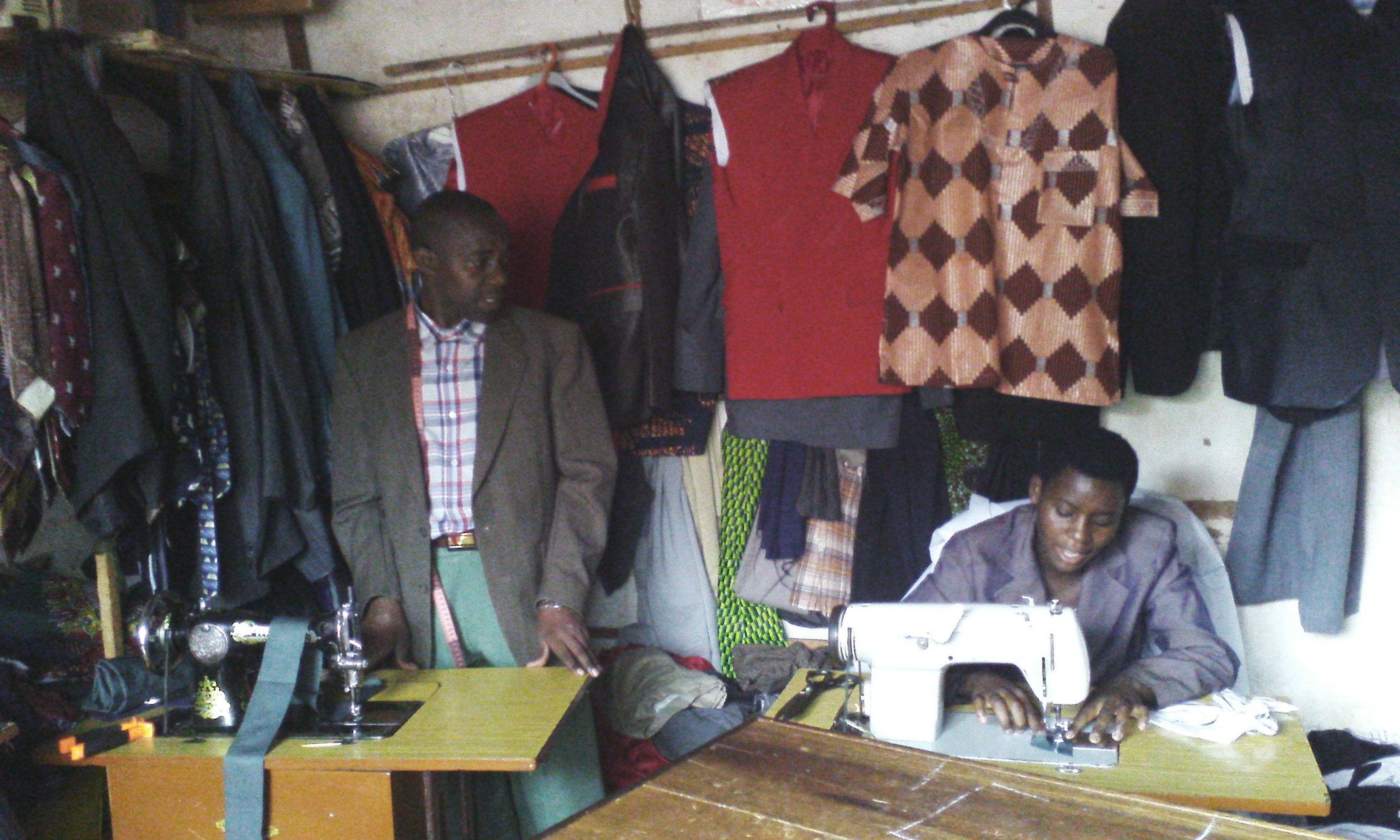
[In 2013 and 2014, P4P shipped its first two pallets of sewing machines to Dar Es Salaam, Tanzania. In November of 2015, we got this update from Mr. Jonathan Mulokozi of Community Support Mission, our partner there.]
Dear David,
Here is our work report.
We sold 35 sewing machines, each for 100,000 Tanzania shillings (about $46 U.S.). These sales cover our shipping and port charges, so we can use the rest of the machines to make a profit.
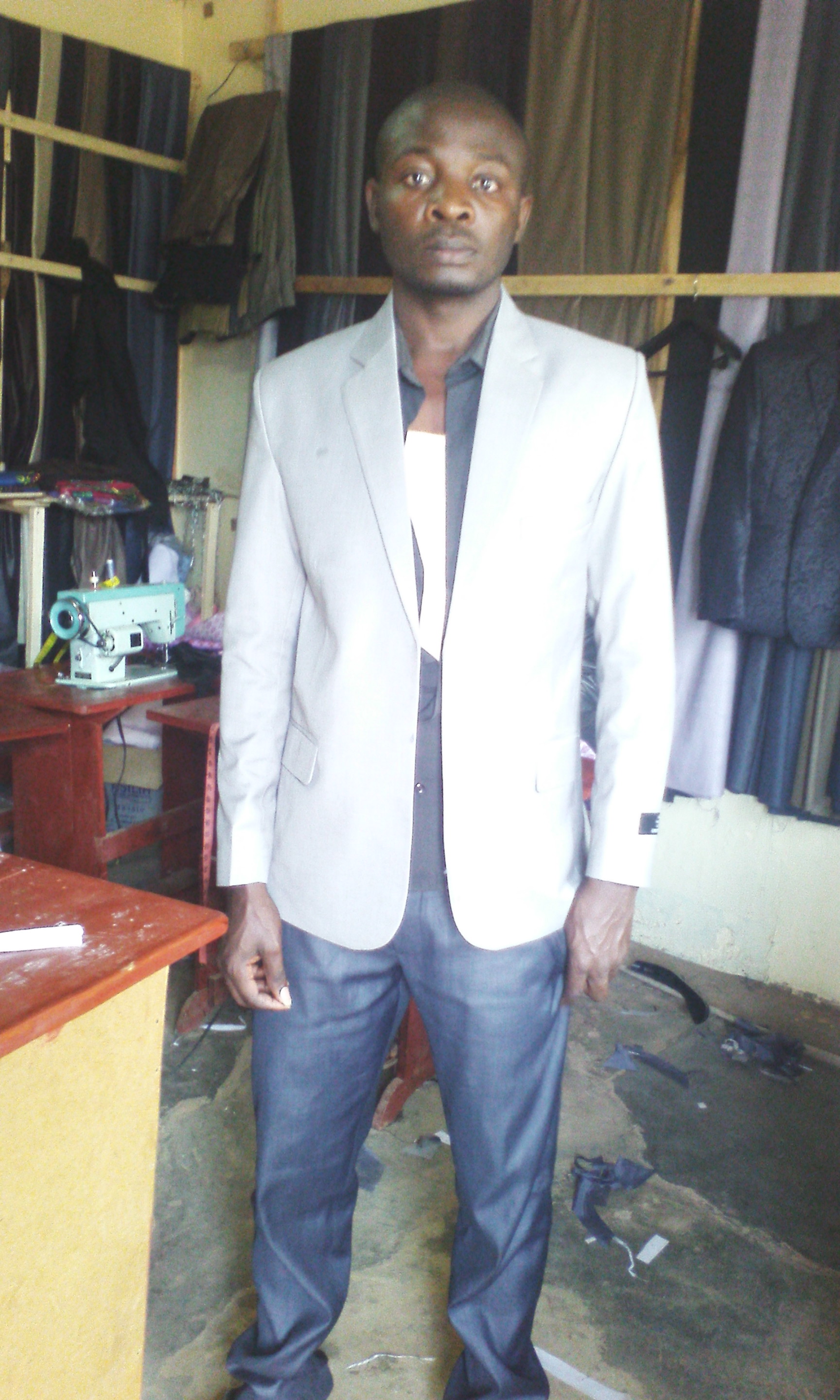 We sold 10 of the other machines to a Member of Parliament in the Mbeya region, where she distributed the machines to women’s groups.
We use other machines in the three new sewing and training centers we opened in Karagwe. We employ 3 technicians to teach tailoring, and we have 6 students. Our main customers are primary schools and secondary schools. From the sale of clothes we make, we made 2,100,000 Tanzania shillings (about $1000 U.S.).
With income from the sewing centers plus a donation from the Edinburgh Global Partnerships, we bought a corn milling machine. With this machine we make Grade A Super Maize Flour.
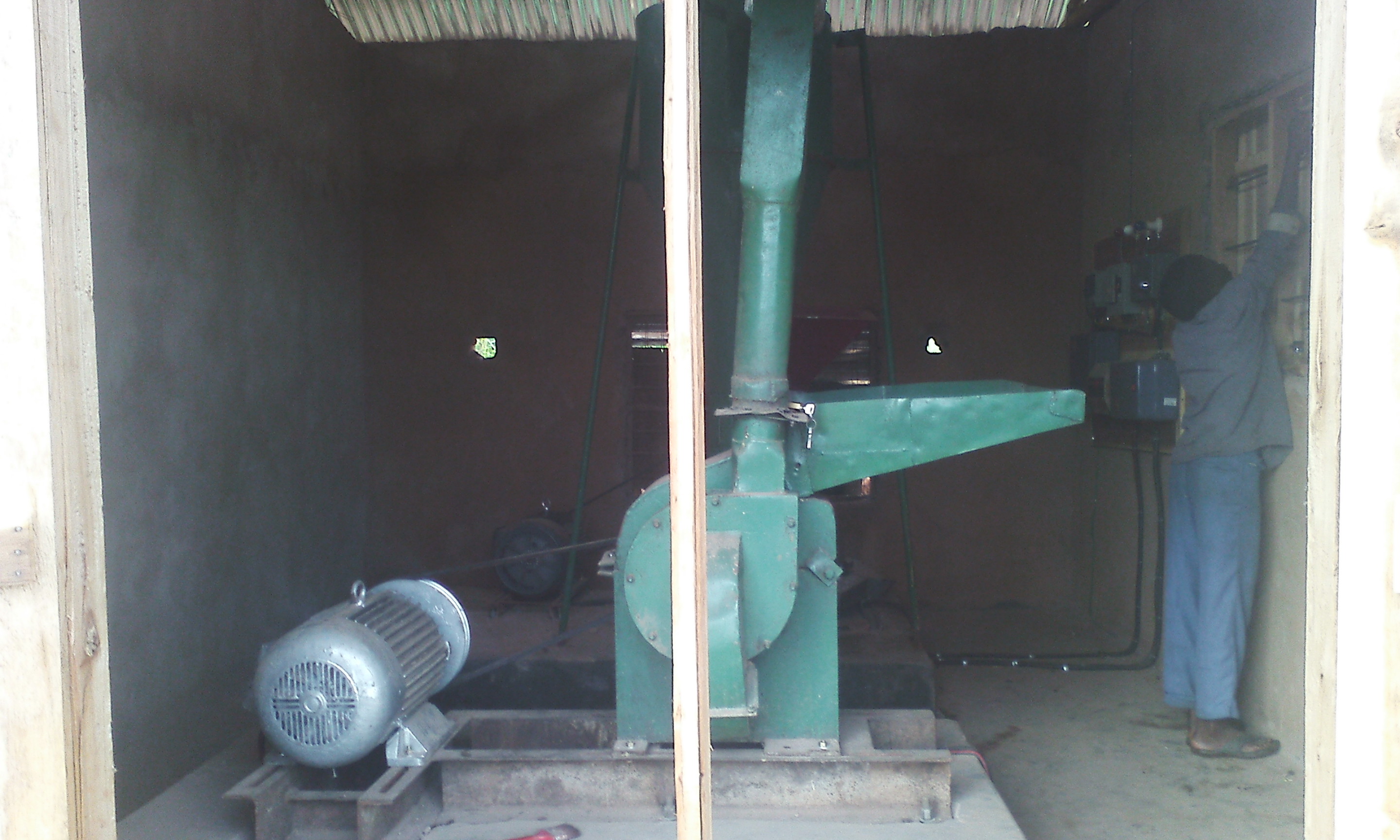 Because we did not have a proper power source for the milling machine, we completed a separate project to supply it with electricity. The electricity project involved running new power lines to our machine from the main power line from Uganda to Tanzania. With the new power, ten local families have electricity for the first time.
We hope that you will be able to send more sewing machines by early 2016, and that we will have enough funds to get more bicycles and sewing machines after that.
Thanks.
Mr. Jonathan Mulokozi
CSM Tanzania, East Africa
Fall 2015
Loading a Container for Albania
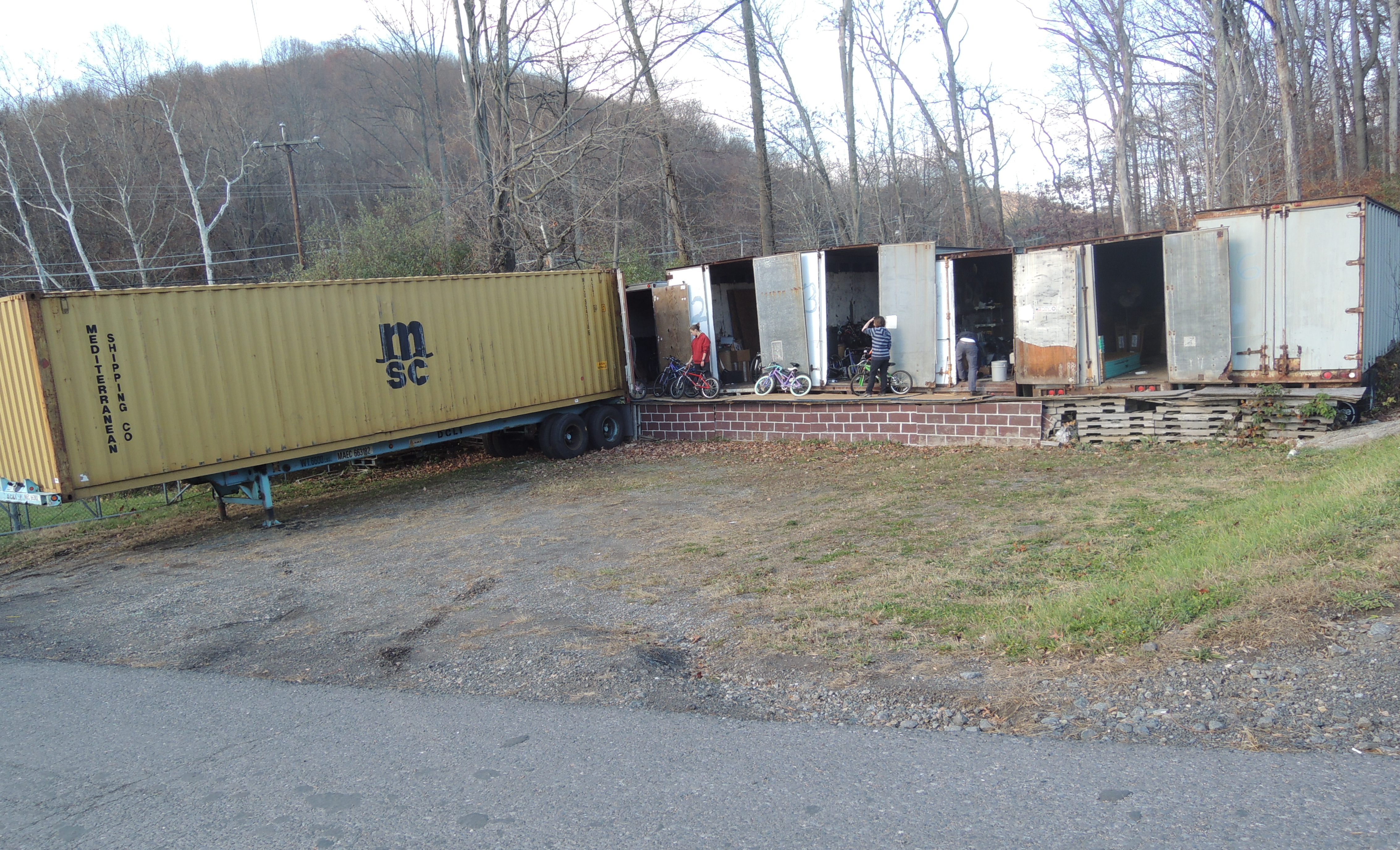 On Saturday, 14 November 2015, a beefed up P4P crew loaded the eighth container bound for EcoVolis, our partner in Albania.
Loading is one of the P4P activities that happens behind the scenes, and the loading is a marvel to behold. These loadings take a combination of long experience, mechanical engineering, spatial awareness, young backs and muscles, brute strength, stamina, pizza, and the luck of the draw on what we have to load.
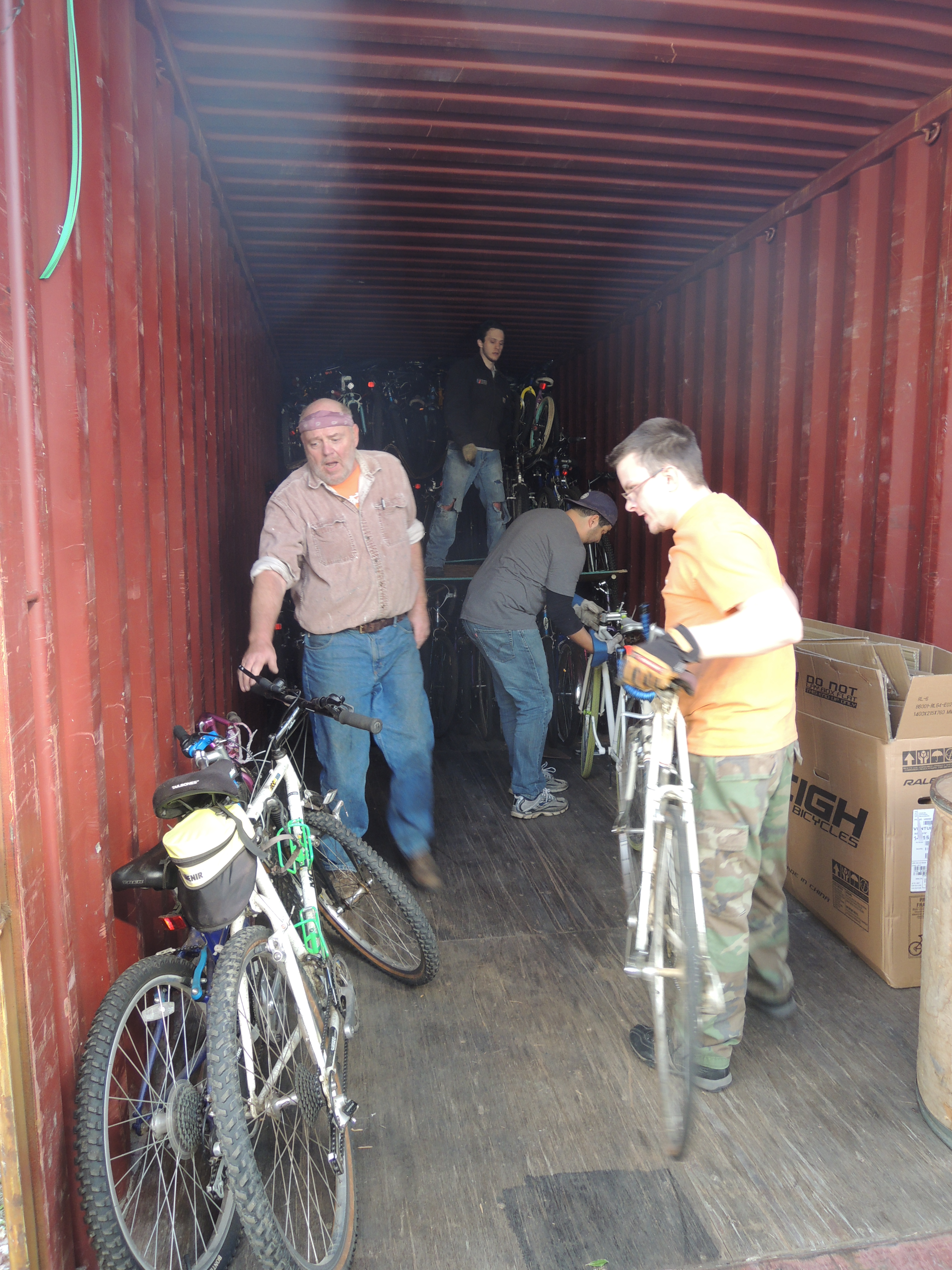 Containers are not built to fit bicycles, so there are delicate geometric calculations on what goes where. Adult bikes are our primary product, but we always have kids’ bikes, too, of several different sizes, each with its own personal preferences about where and how it wants to be loaded. We use plywood and cardboard to stack and separate the bikes. We use whatever parts and tools we have to fill the nooks and crannies in the rows of bikes.
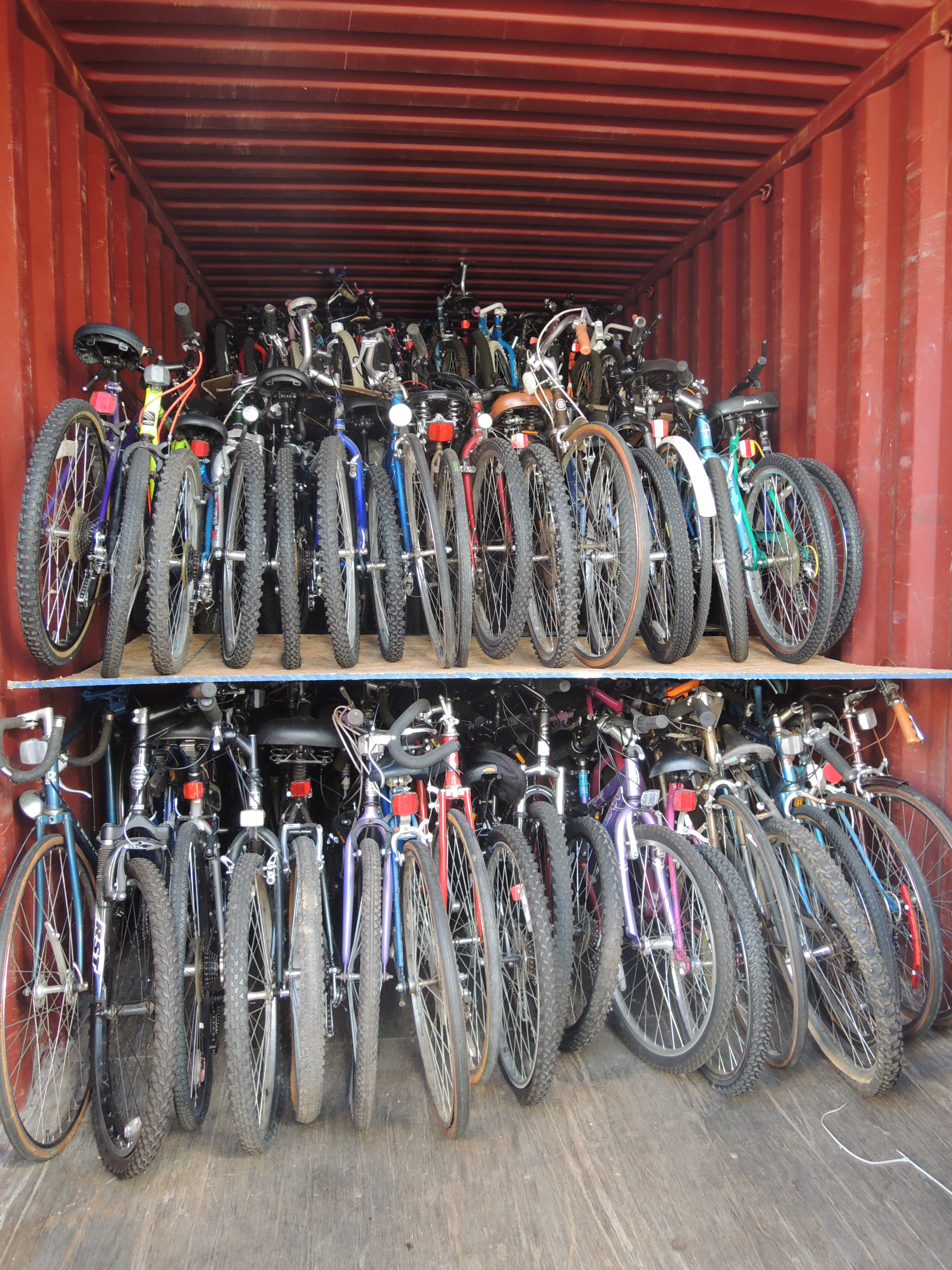 Cost of shipping is the same no matter what the container weighs, so the idea is to pack it as full as possible. Dave’s guidelines for processing bikes are very specific: pedals off, handlebars turned sideways and down, seat lowered – we aim to make the bike as narrow and as short as possible.
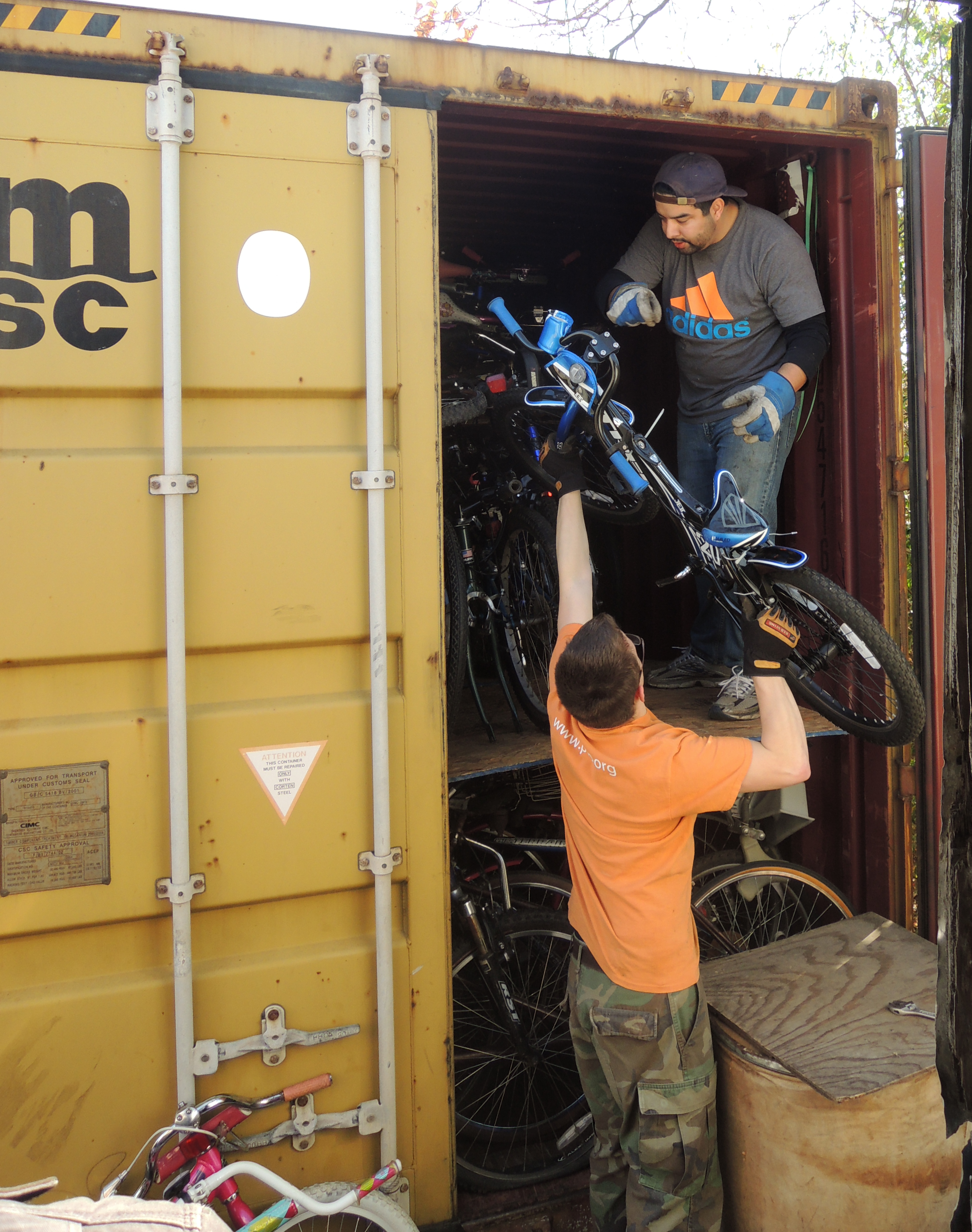 A completely empty trailer is a daunting sight, but it starts to fill up pretty quickly. When all was said and done, here’s what went into the Albania container on Saturday: 483 bikes, 34 sewing machines, 10 wheels, 20 tires, 8 baskets, and 1 child bike-seat.
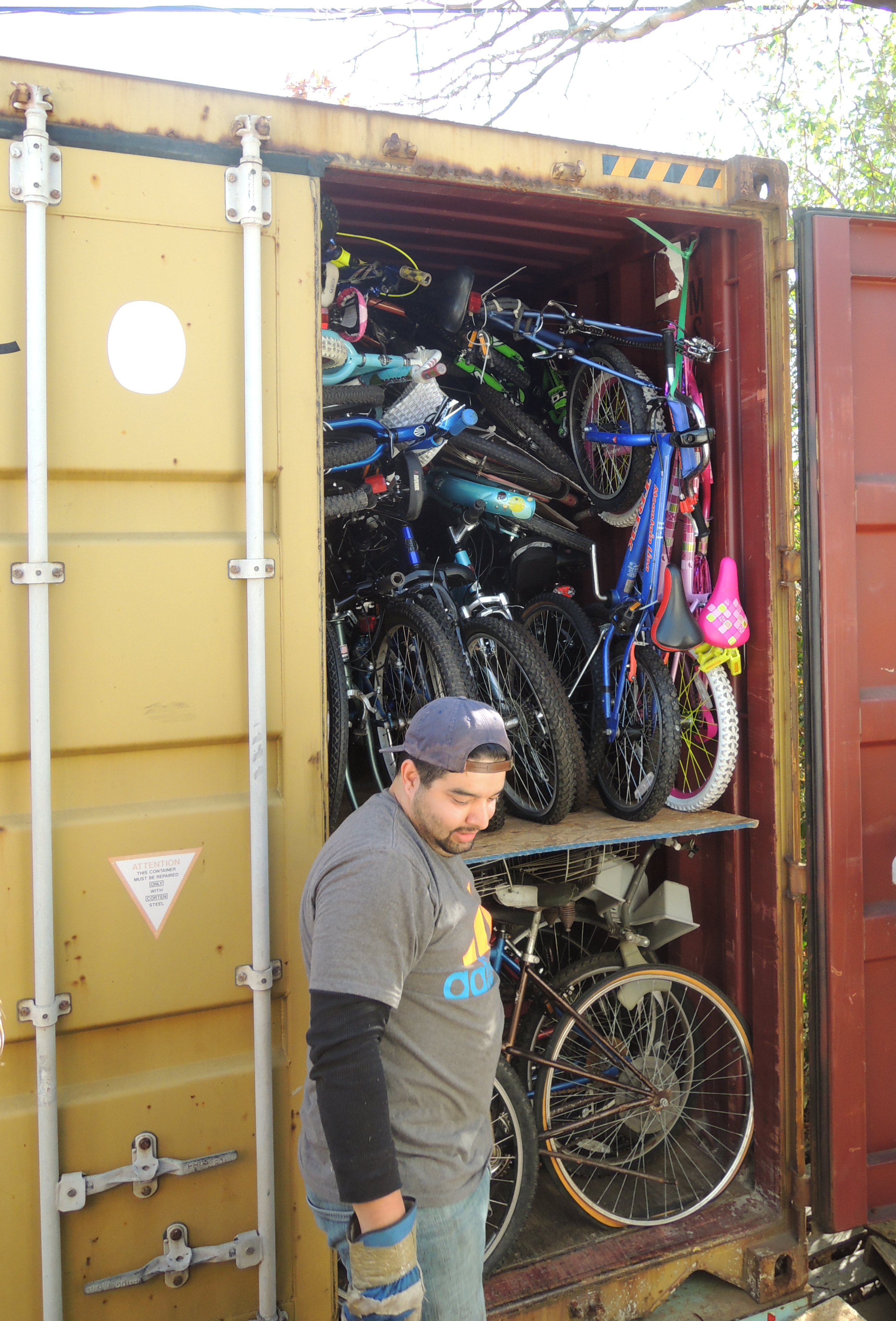 Those were the larger items. The smaller items went into 43 gym bags that get stuffed wherever they fit: 31 sets of pedals, 7 sets of training wheels, 1 socket toolkit, 1 pump, 13 helmets, 3 saddles, 2 handlebar bags, 6 sets of pegs, 5 inner tubes, 2 brake assemblies, 2 handfuls of nuts and bolts, and 1 chain-breaking tool.
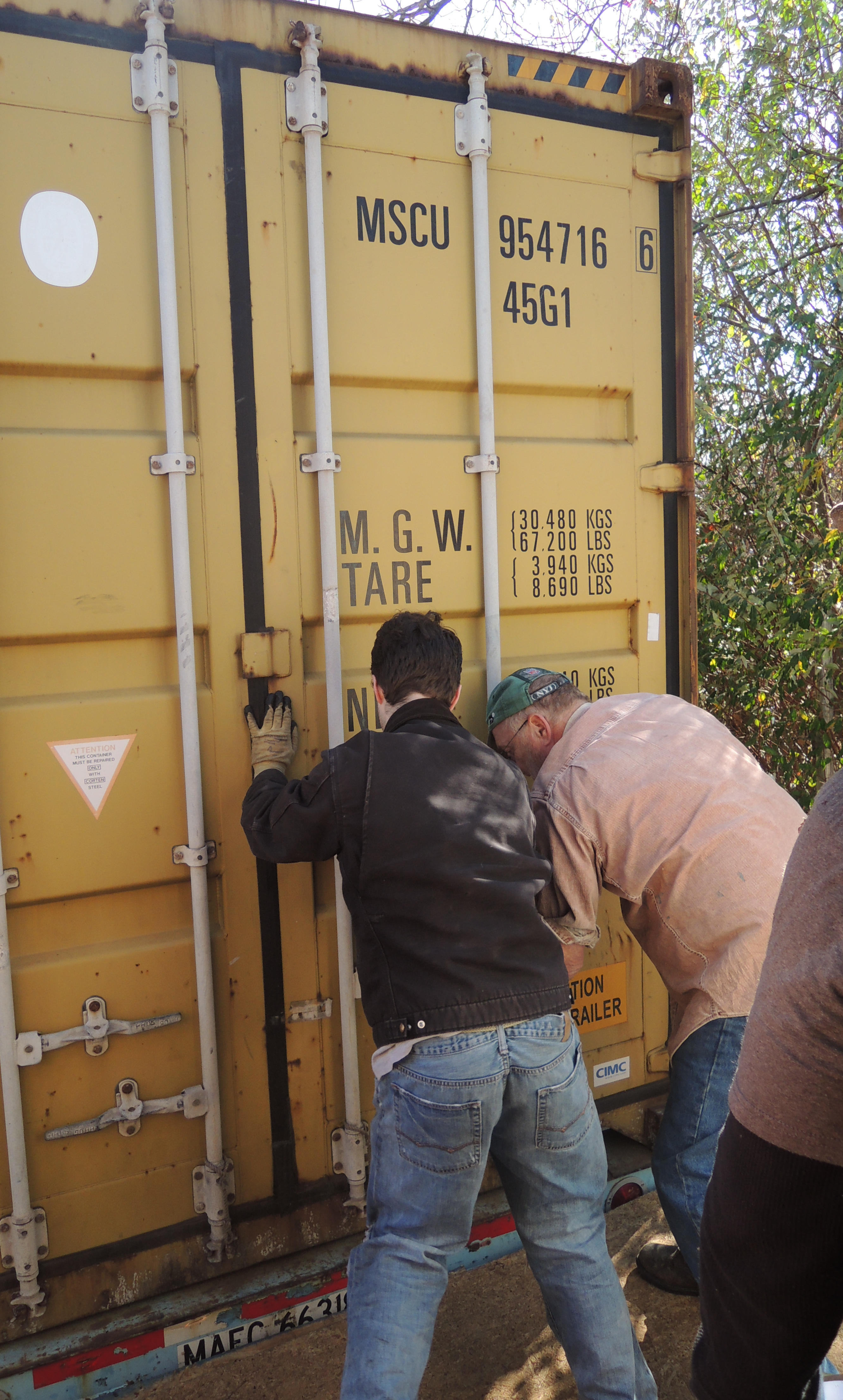 As Dave says, there’s no good way to finish the packing. We pack the left side all the way, then shut one of the two rear doors. Then we fill every remaining cubic millimeter in a way, we hope, that won’t cause a huge landslide when the container is opened. Our partners have learned to open the doors gingerly on arrival!
Letter from Fiji
Bula Vinaka, Greetings from Fiji
Between 1993 and 2002 we were lucky enough to receive six shipments totaling 1012 bicycles from Pedals for Progress. We were very successful reaching at-risk youth, teaching them basic mechanics and instilling in them a love for cycling.
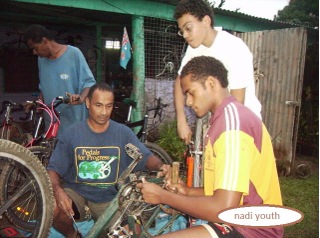 Due to a variety of reasons both personal and political I was not able to keep the program going. Now I hope to reinvigorate the program for the benefit of all Fijians and have petitioned Pedals for Progress for our sixth shipment of bicycles.
The beautiful Fiji Islands are well known for their unique tropical scenery, tasty food, and eco-friendly life-style, but Fiji is still a developing country. Systems and life-style aren’t diverse compared to other countries.
To help establish a solid foundation I would like to introduce cycling as a major event.
The program I would like to highlight mainly targets unemployed youth and settlers in rural areas. As an example, consider our sugar cane farmers. Many travel quite a distance to their work fields, working long hours and earning a gross salary of $100 U.S. a week.
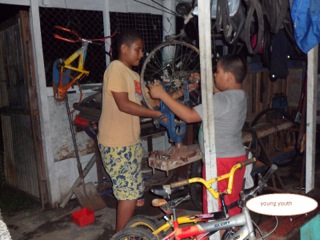 As a volunteer, I live day by day and cover expenses with my own earnings. I do not receive government grants nor have any major sponsors, but due to my love of cycling, I do my best to maintain the bikes. I conduct workshops on topics such as the importance of healthy living, safety and fitness, reasons for cycling, rules of the road, and cycling skills and techniques. I have average turnouts and a good number of trainees and cyclists but do not have enough equipment.
We have very dedicated youths who hold great pride in this sport, but cannot afford bicycles. Receiving another container will give some employment to the youth who are studying mechanics by rebuilding the bikes for the general population, fulfill the needs of the youth who wish to compete on bicycles and also grant mobility to many workers who need basic transportation. Now that Pedals for Progress also ships sewing machines, this would give valuable work opportunities to even more people. It is my ardent hope that the people of the United States will once more aid me in helping my fellow countrymen by donating bicycles and sewing machines so that I can receive a container this autumn.
Vinaka Vakalevu
Percival Epeli Navolo
Looking for a few good volunteers
You know Pedals for Progress (www.p4p.org) because we have had great success recycling used American bicycles from the greater New York City / Philadelphia area. In fact we have collected and shipped more than 150,000 bikes to developing nations to spur economic growth. What you might not know is we have a sideline which we hope will become almost as important. We have shipped over 4000 sewing machines!
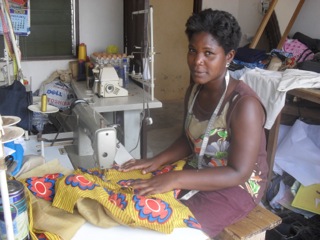
While a bicycle will get an individual to work, to school, to play and generally improve their life, a sewing machine is a job in a box. The personal elimination of poverty requires employment. P4P has long had in its mission to create economic opportunity. The bicycle is not a handout; you still have to pedal to make it successful. Likewise a good portable sewing machine gives certain individuals the ability to immediately earn income.
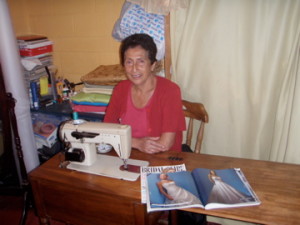
We have a very specific plan for collecting bicycles—one-day, three-hour events—and we do collect many sewing machines at our bicycle collections. But we need an alternative cost-effective way to more successfully harvest the sewing machines sitting in closets and to do it year round.
P4P would like to assemble a cadre of people who could serve as local collection points in an ongoing collection of sewing machines. If we could find some volunteers who could save up to 20 sewing machines in the corner of their garage, it’s then cost-effective to send out the truck to pick them up. I tell our partners overseas that P4P is item-rich cash-poor and it is true. In many ways we work as a trucking company and need to be mindful of all of the transportation costs from the time we get a sewing machine from the donor until it is delivered to a recipient overseas.
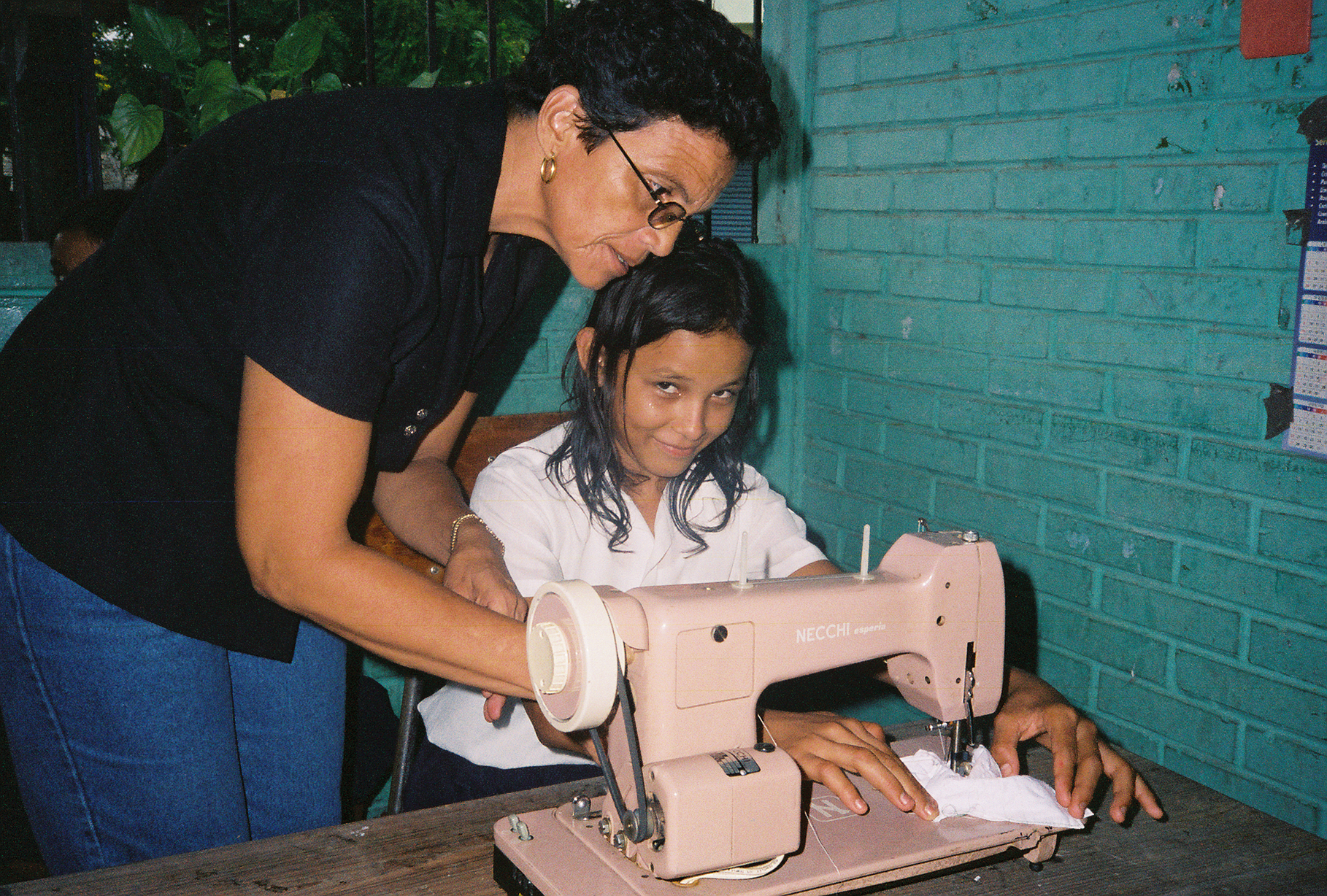
Our bicycle collections are limited to just the months during the spring and fall. Once we have a large number of sewing machine collection points we will be able to be fully operational 12 months of year. P4P will still collect bicycles only six months a year in the same way we have in the past, but if we run sewing machine collections independently of bike collections we hope to get to 1000 sewing machines per year starting in 2017, which would be a threefold increase in sewing machine production.
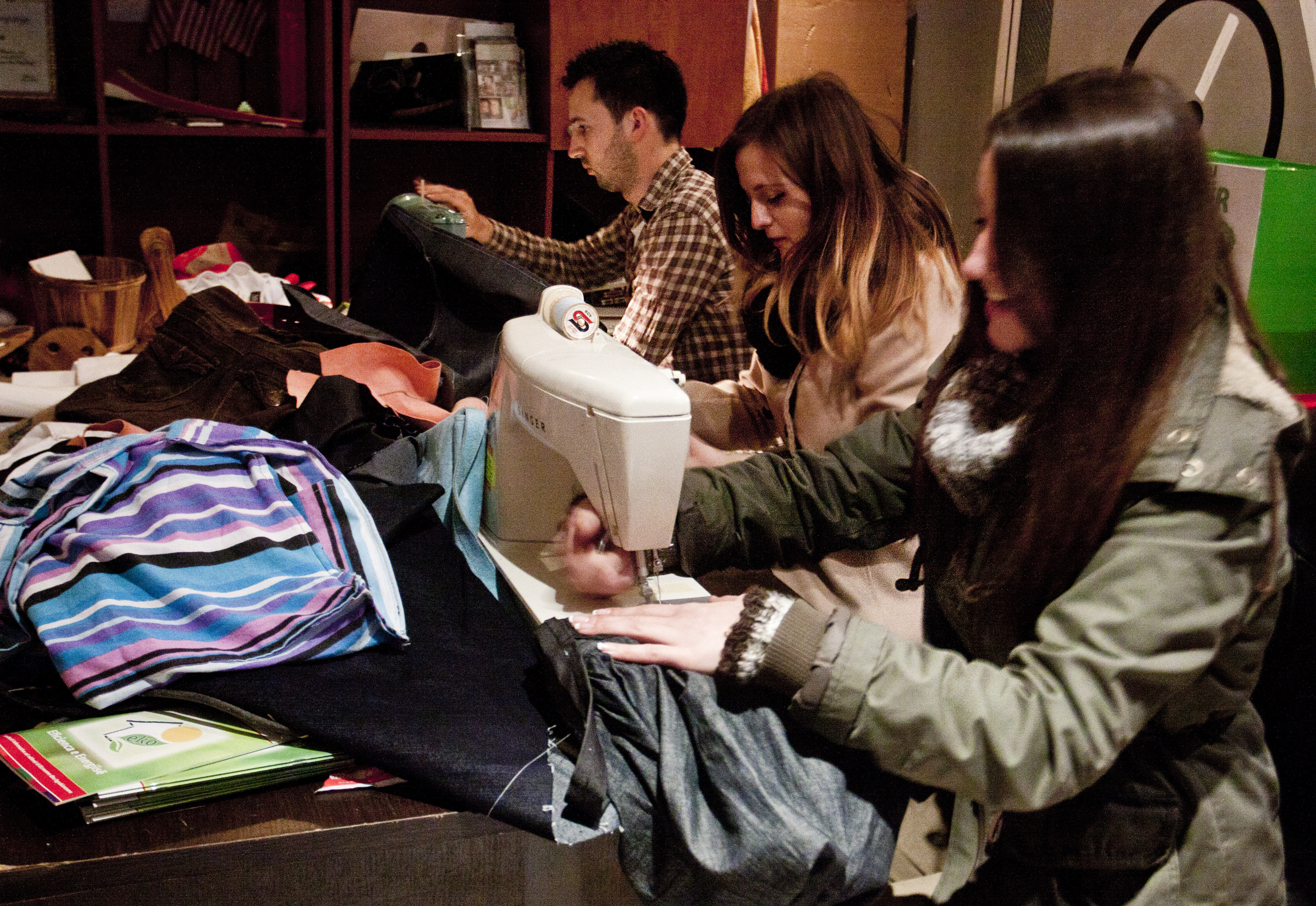
We will also need more tinkerers, to help clean up and refurbish the machines as they come in. If you have a little space and are willing to help please contact Dave at dschweidenback@gmail.com or 908-638-8893.