Category Archives: Sewing Partners

Guatemala Update

Spring 2015 InGear

San Jose Artesanas

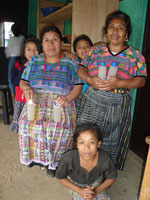
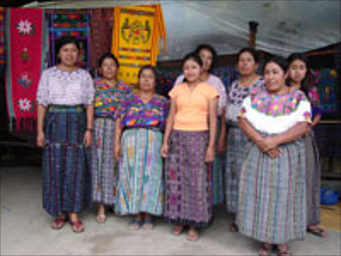
There is a small town in Cimaltenango, a department of Guatemala, where a group of 17 housewives and mothers have changed their fortunes. San José Poaquil is an isolated area and the residents of this municipality have little opportunity for economic and educational improvement. Still, one particular woman named Marta had the initiative to work for change. Under her guidance, the local women learned the craft of sewing and began to create and market blouses that are typical of their region.
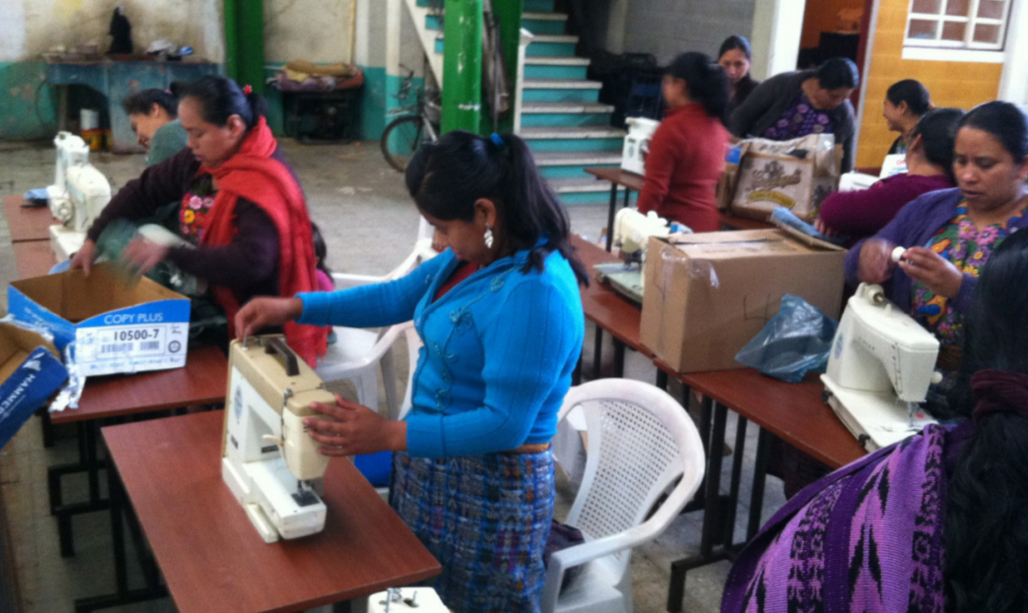
San Jose Poaquil, Guatemala

They began with only one sewing machine to share among them. The success of the sales of these blouses enabled them to save enough so that they, through FIDESMA and P4P, could acquire more machines. Each blouse brings in about Q50.00 or Q100.00 (Guatemalan Quetzals), which is enough to improve their ability to get better food and other important resources for their families, which consist of anywhere from 3 to 9 children. Access to these sewing machines will eventually lead to long-term opportunities as these women continue to establish themselves as artists and businesswomen.

Abner Ottoniel Siquinajay Popol
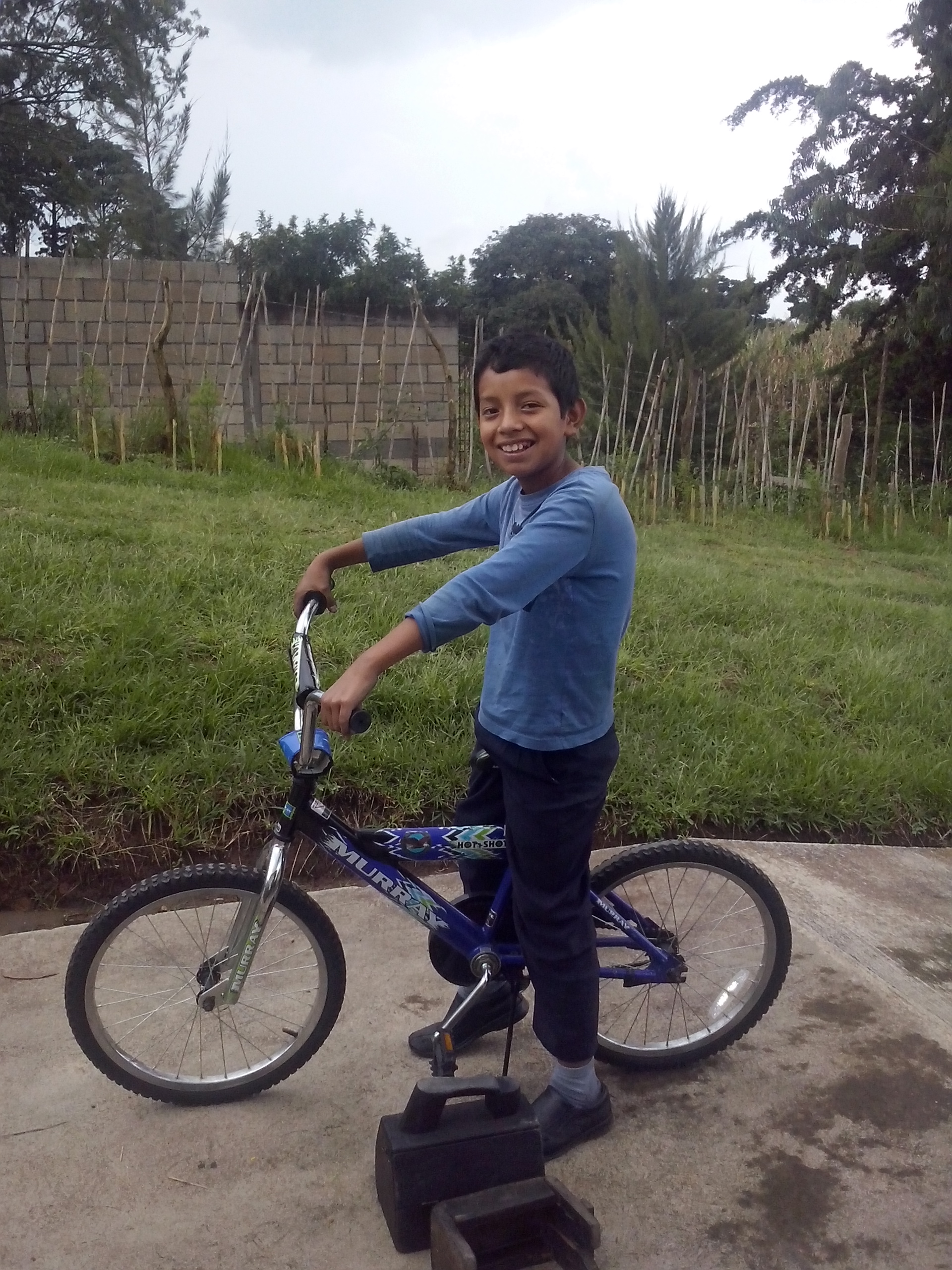
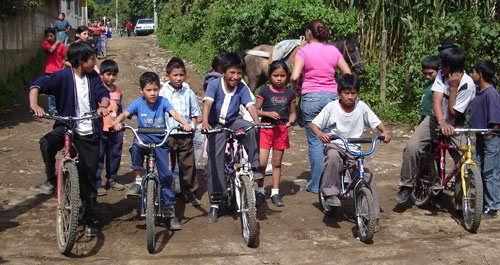
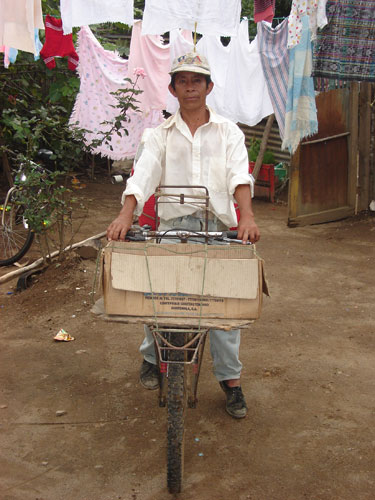
Abner on his bicycle

Abner has a small family since his father abandoned them when he was only eight months old and his older brother was two years old. The child’s mother, whose name is Reyna Elizabeth Siquinajay, works in a tortilla company, where she earns very little and not enough to pay for the education of her children. Therefore Abner has worked as a shoeshine boy since he was 7 years old. He works during the evenings in the park and in the different houses of the village. Abner received the donation of a BMX bike from the FIDESMA Foundation to increase his mobility so that he could complete more work in his evenings. With support from Pedal for Progress, FIDESMA has received 15 containers of bicycles, parts, and sewing machines for sale since 1999. Most of the bicycles and sewing machines are sold at low cost; however occasionally for cases like Abner’s the bicycle is donated. It is a special case of a child working in the evenings to pay for school in the morning at the National Urban Mixed School September 15. It is admirable that a human being at such a young age can take responsibility and desire to excel as this boy of just 12 years, whose dream is to some day graduate Master of Primary Education.

Costa Rica Update

Spring 2015 InGear

Carlos making his daily drop off

Carlos Camacho lives at the bottom of the hamlet in Dulce Nombre de Coronado, Costa Rica. He works in the workshop of a flag factory located near Coronado. He put a basket on his bicycle so he could begin to deliver vegetables and fruit to some of the families that are along his route on his way to work. Some of the fruit and vegetables are from his own garden and others he buys the day before. He manages to generate a little income while he is commuting, which he puts towards the cost of his five-year-old daughter’s education. The bicycle allows him to manage to drop off the vegetables and fruit to several households on his way to work.


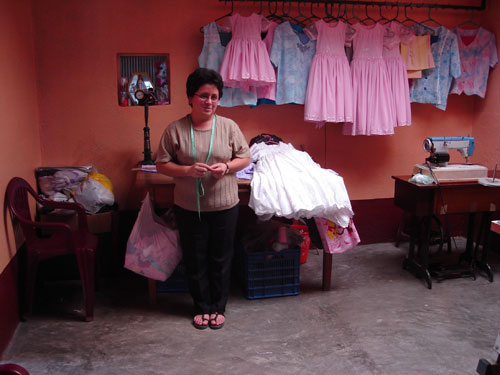
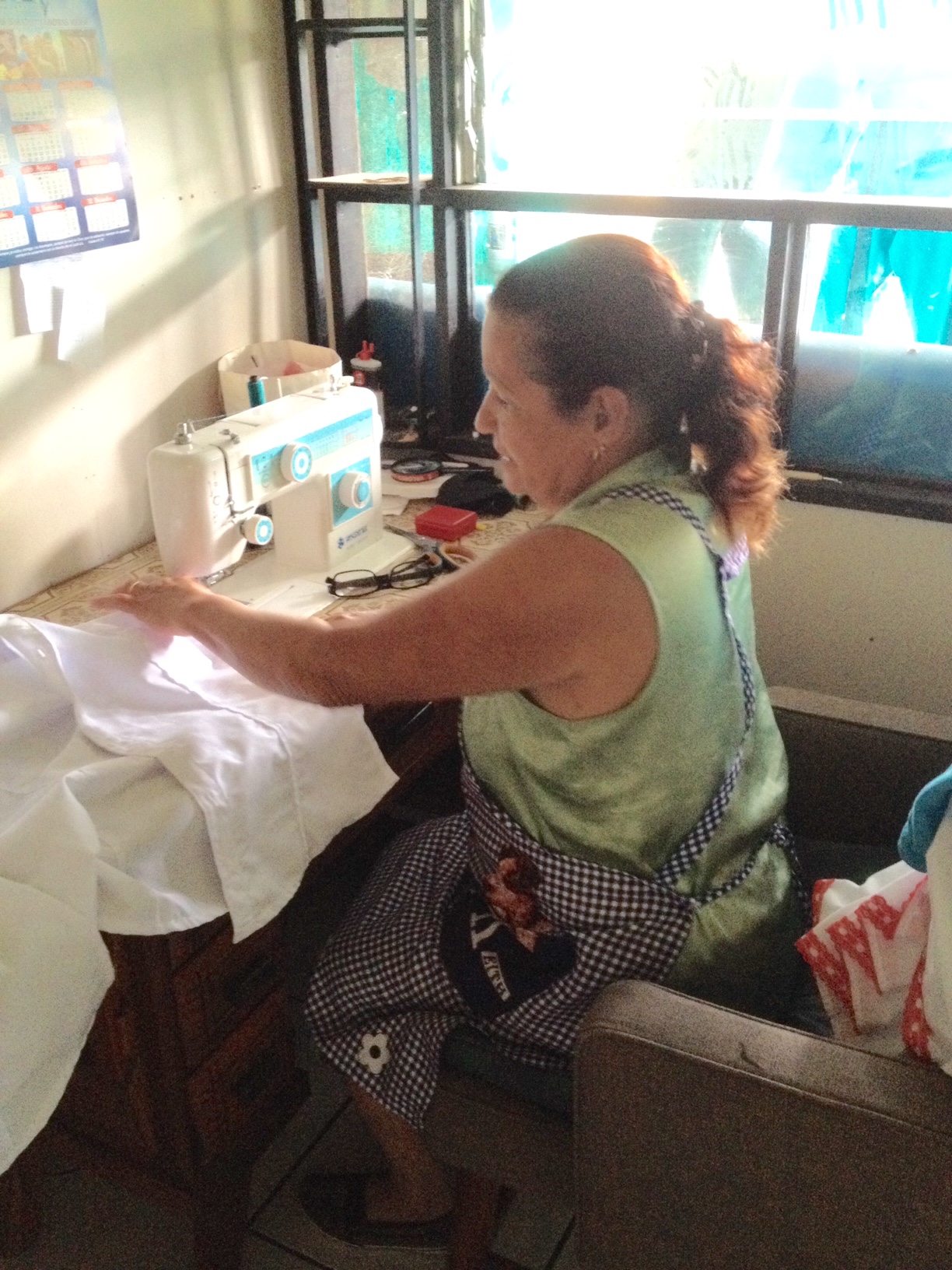
Martha working in her house

Martha Bejarano raised her daughter alone doing needlework. She lives in Aguas Zarcas of Ciudad Quesada, Costa Rica, in a very humble village. At great cost she is sending her daughter to school to become a professional, so now she is caring for her granddaughter. The daughter gave her a better P4P sewing machine with more stitches, so she can be more productive while her granddaughter is at school. She now lives much happier because one needs to save. She learned to operate the new machine almost immediately and it is allowing her to be more productive and do more work. Now her dream is to improve the kitchen and the refrigerator of her humble cottage with the added income she is earning.


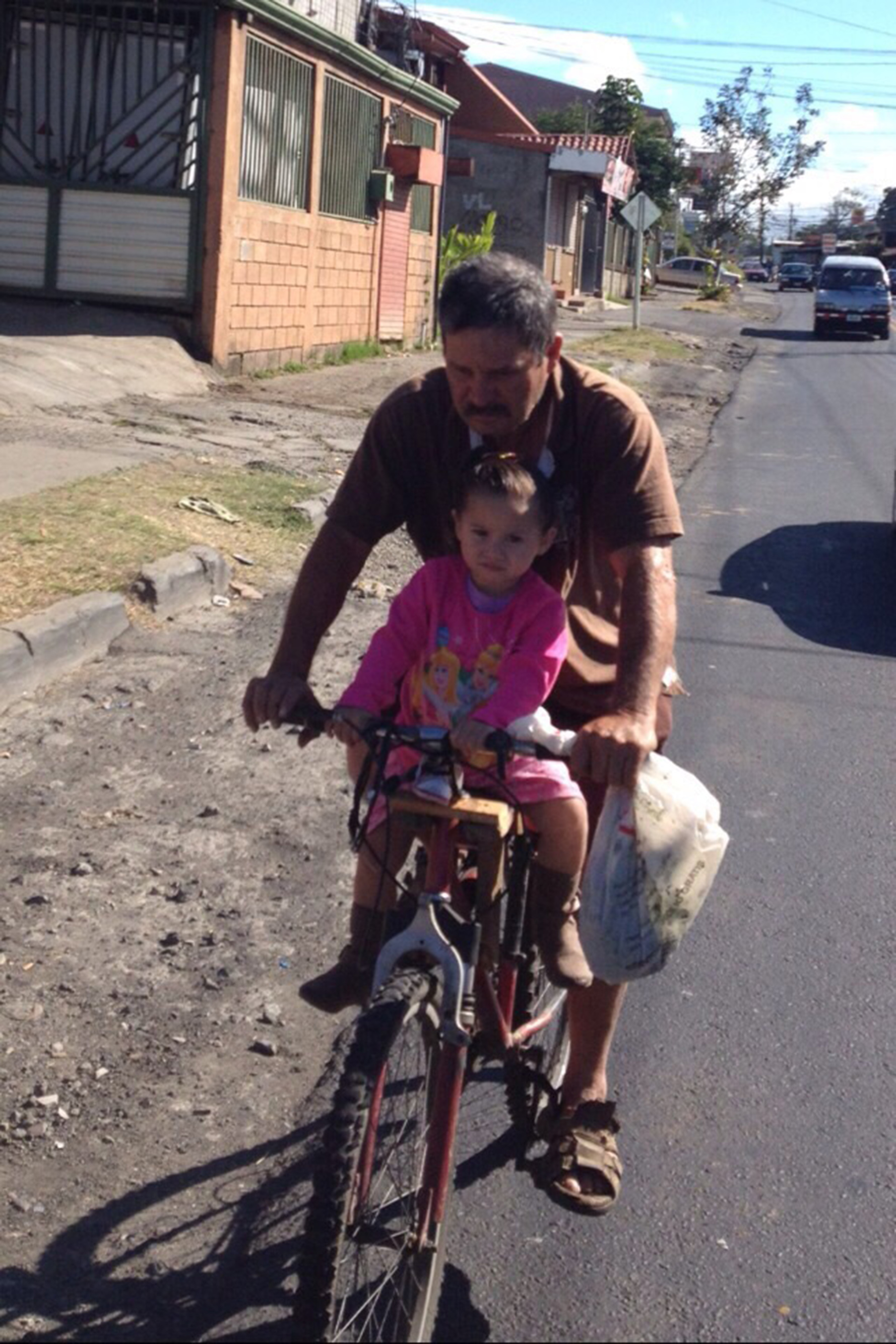
Javier and daughter on their daily ride

Javier Baldivia and his family live in the district of Los Guidos in the heavily populated canton (much like a county) of Desamparados, Costa Rica. In this urban environment, Javier and his wife work hard to maintain a steady income in order to afford both the basics for the family and school for their older two children. Construction is his main occupation but, as in many places, the work varies as much as the demand. He waits for his boss to let him know where and when to be at a job and needs to be able to get to the assigned location as quickly as possible.

Not only does he compete with Costa Ricans for work, but he must also contend with the enormous influx of other Nicaraguans looking for a better life and steady wages. The ownership of a single bicycle has enabled Javier to remain reliable and, thus, competitive in a congested world of surplus able bodies. As a bonus, on weekend mornings, he can also make use of his bicycle to run errands for the family, such as shopping with his daughter at a “Pulpería” to buy cheese and bread for their breakfast.

As our American cities embrace bicycle commuting and sharing as a new (much needed) trend, people like Javier have known for some time that two wheels mean much more than less traffic and good exercise. Bicycles are the most economical and efficient tool for many people of many incomes to keep their families secure and their environment healthy.

Albania Update

by Ened Mato
Spring 2015 InGear

It has been a frenzy driven period for us. In between the activities we are organizing many society projects and we are preparing for many more.

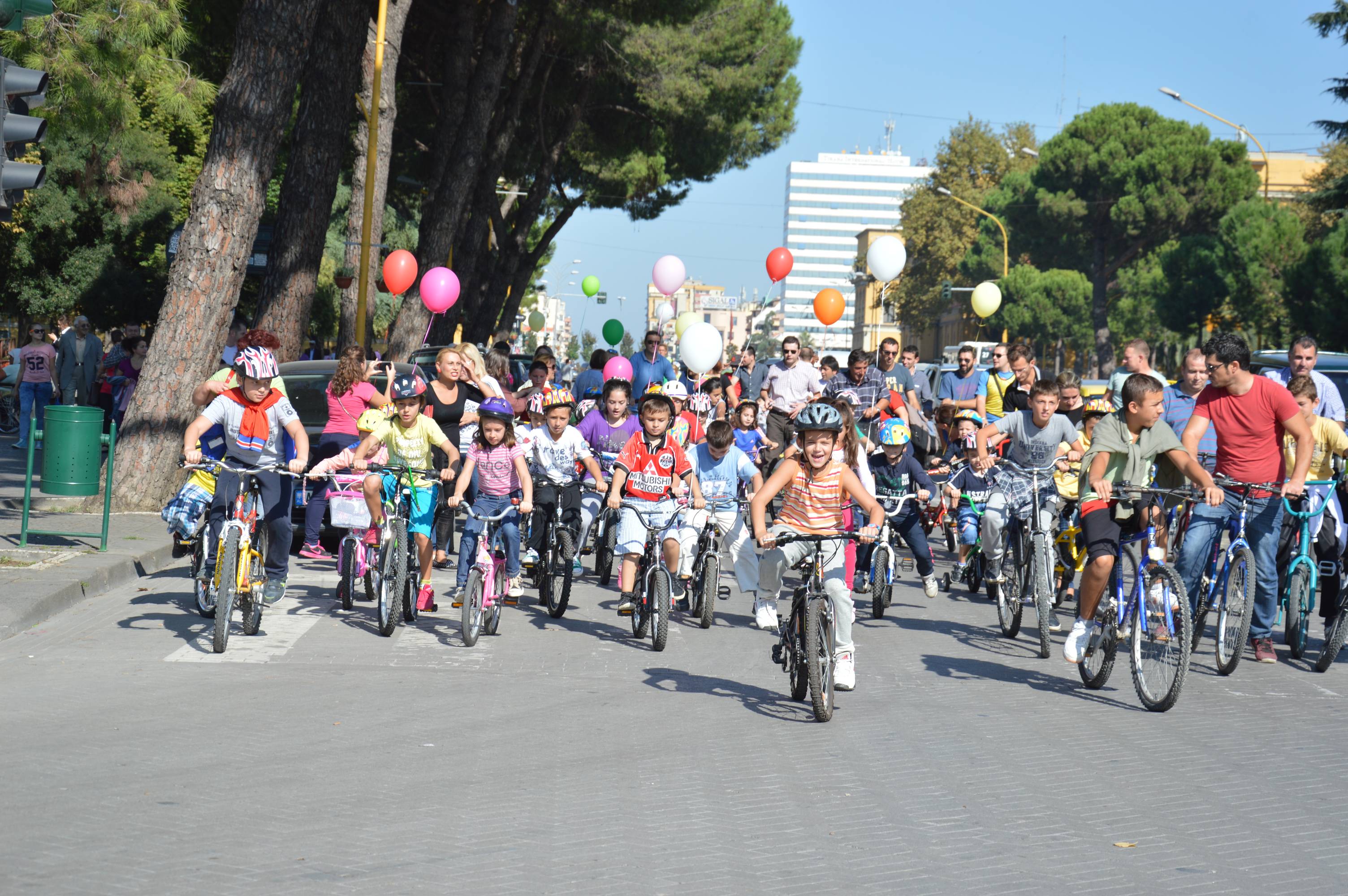
Kidical Mass ride in Tirana

I am more than happy to tell you about Kidical Mass, which is a younger version of Critical Mass, and it has been a success for parents and children alike. The weather here is also very harsh on bikers but as soon as it gets a bit warmer and a bit less rainy we will return with this project as it was a wonderful occasion for parents to spend time with their children while doing something fun along the way. There was a significant participation in our last events in the year 2014 and we are constantly told how eagerly people await the return of these events in 2015. Participation was enabled by the many and many children’s bikes you sent us, and we really hope to draw attention to these bikes because not only they are (probably) the most entertaining gifts for a child but also the healthiest.

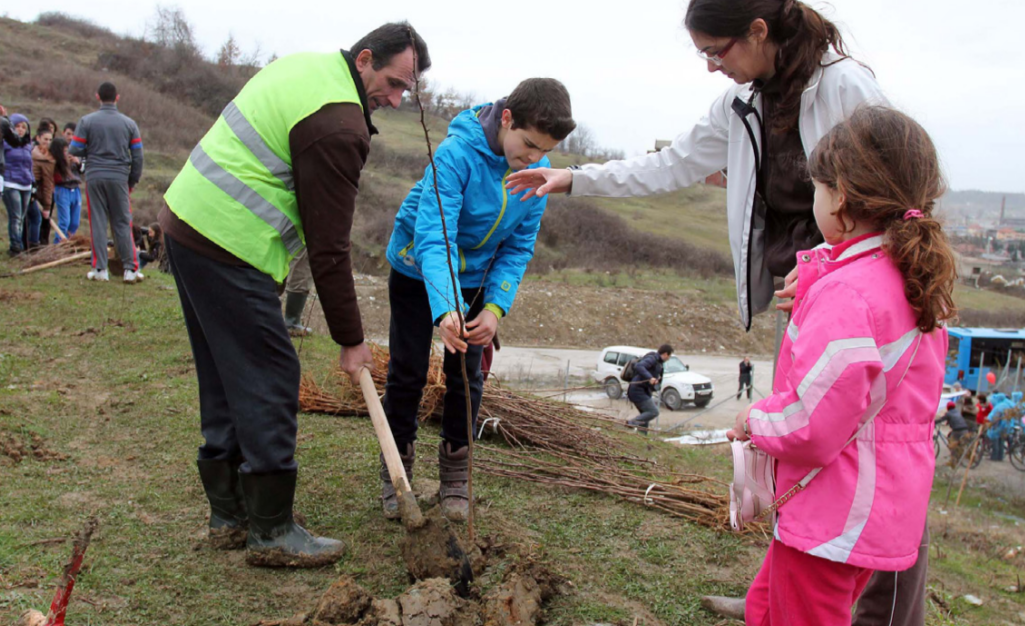
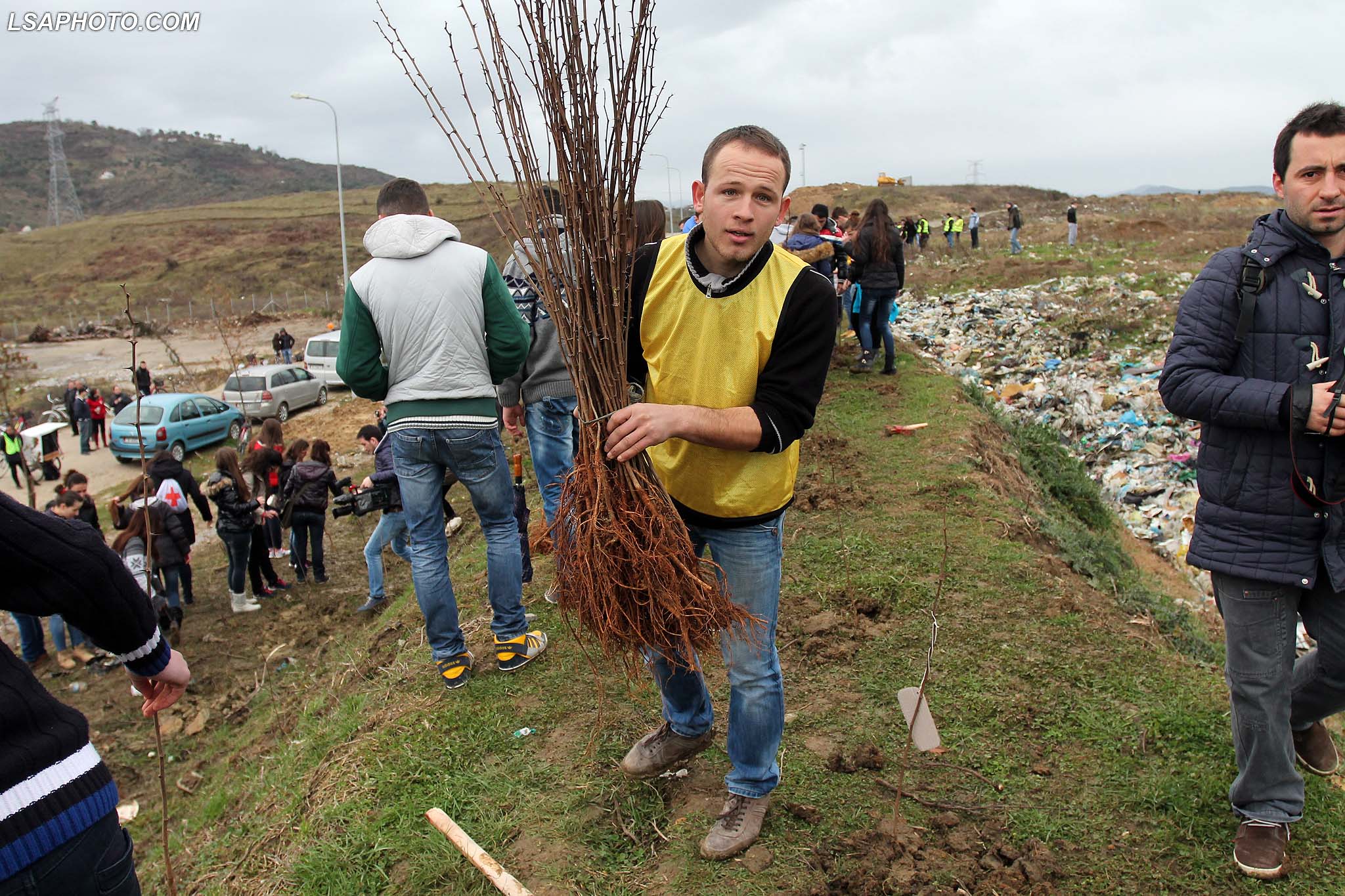
Planting trees at a local landfill in Albania

I must thank you for the sewing machines. We are currently putting them to use in a small project for a small economic empowerment of families in the north of Albania, where conditions are difficult to live and survive. As soon as we get some results and individual perspectives of the project, I’ll let you know and maybe we can include those in the newsletter.
2015springAlbaniaPlantingTreesOnePerson

Also I want to tell you of a very important project for us. We are currently totally engaged to make it work. With the sales of the last 2 months from the bikes (and of months ahead) we are working to plant 1000 trees near a landfill site called Sharra, with the hope of a better environment for the adjacent villages and the general area where the fumes from the landfill make living hard. “Plant Your Tree” and Ecovolis have the motivation to make this work. Phase One is three days away with a first step of 1000 trees, and based on the participation we get we are going to plan and go all the way until we hit the target of 1500 trees (and who knows how many more later). Soon enough I’ll have some photographic material to send to you so you can also give impressions and include it in the newsletter.

There have also been smaller scaled projects but with a considerable success upon drawing attention of the public towards a greener living in general and biking in a more specific manner.

Best regards,
Ened

Dave’s Job This Weekend

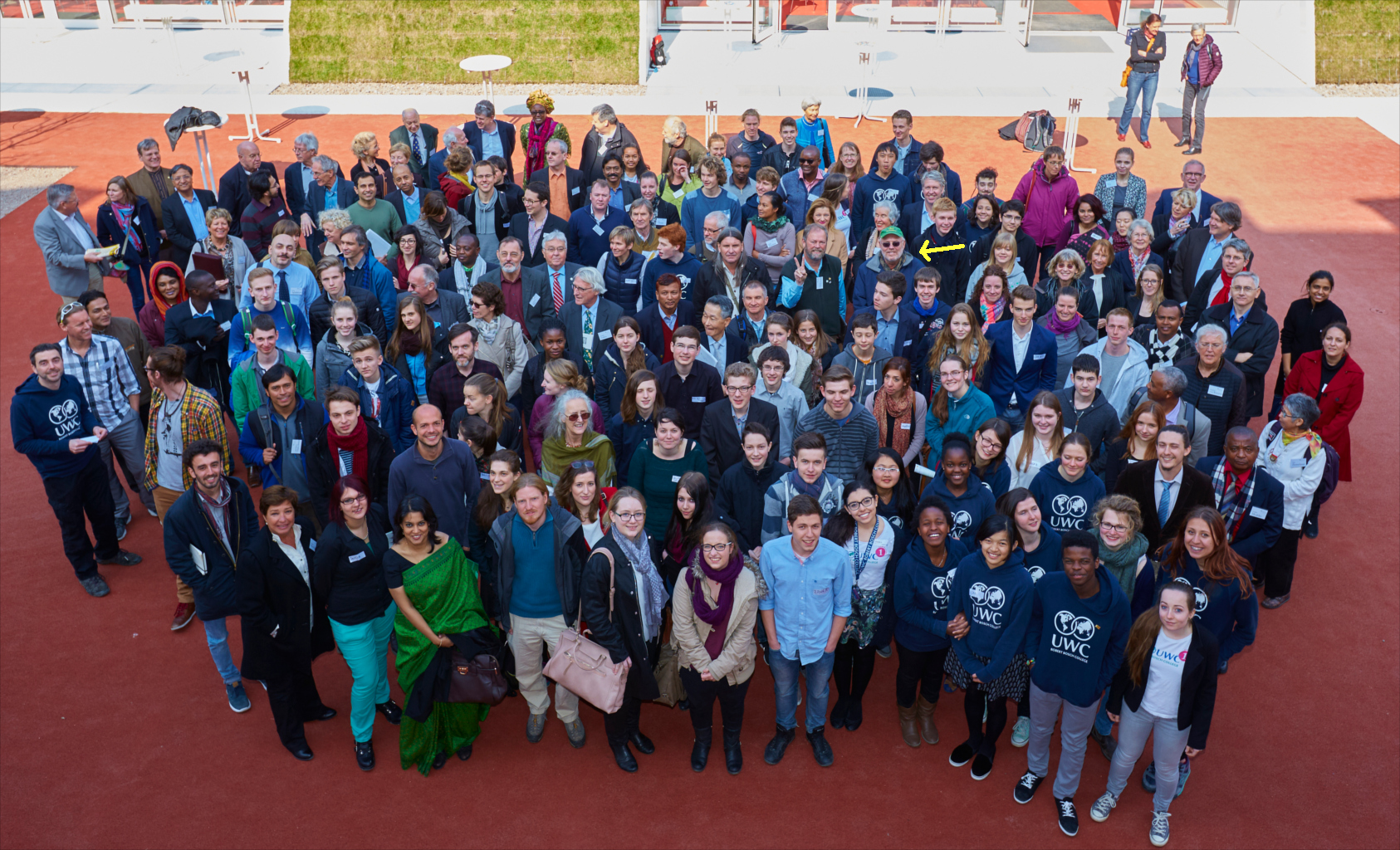
On the weekend of 12 – 15 March 2015, Dave attended the 4th International Convention of Environmental Laureates of the European Environment Foundation in Freiburg, Germany. Click here for more information about the convention.


ICEL2015


Update from 2018

At the March 2015 convention Dave met Samson Tsegaye, Ethiopia Country Director for Stiftung Solarenergie—Solar Energy Foundation. Samson and Dave hatched the plot to ship sewing machines to Ethiopia.

Logistical issues and Ethiopia import laws slowed our progress, but in July 2017 we shipped 72 sewing machines to Ethiopia. In fall 2018 the training program began. And in December 2018 we got a report on the completion of the program.

FIDESMA: P4P Partner in Guatemala

fidesmaLogo

FIDESMA is the Fundación Integral de Desarrollo Sostenible y Medio Ambiente, Foundation for Sustainable Development and the Environment. With headquarters in San Andrés Itzapa, Chimaltenango, Guatemala, FIDESMA was founded in 1998 and has five major programs: agricultural micro-credit, natural medicine, job skills and training, bicycles and environmental conservation, and health and special education for people with physical disabilities.

FIDESMA was started when Margarita Caté de Catú, the current president of FIDESMA, wanted to organize against the problems facing her community. Ms. Caté de Catú and 150 other women struggled to create the foundation with financial support from the Leadership Council.

This non-profit organization is non-political and non-religious and therefore the majority of our financial assistance comes from other non-profit organizations. Our primary role in Guatemala lies in development. FIDESMA helps the community become more self-sustainable and for this reason we distribute financial assistance (in our micro-credit program) and show the community prospective job opportunities. We hope that they will then be able to have their own business, thereby contributing to the rest of the Guatemalan economy.

 
Bike Race at the grade school in San Andrés Itzapa in honor of
Guatemalan Independence Day with bikes from FIDESMA!


FIDESMA is one of fifteen organizations of FEDENMURG (la Federación de Mujeres Rurales de Guatemala), a national, democratic association that promotes social development. The women members fight for the rights of rural women throughout Guatemala, along with bringing awareness to the preservation of the environment.

fidesmaGuatemala_lourdeslg

The FIDESMA sewing course teaches women how to make all types of clothing. Lourdes Santiso Salizar was one of the first graduates of the sewing course in 1999 and now has her own women’s clothing business specializing in wedding gowns. Click here to see a report on Lourdes from the Fall 2006 InGear newsletter.

fidesmaGuatemala_shampoosm

FIDESMA’s natural products courses teach local women how to use natural plants to make shampoo and soap to sell in the local market. Grupo Mujeres Integrados en Accion has 10 members that work weekly to make aloe shampoo and soap. Ana Maria Guch is one member who is a widow with 8 children who supports her family from the sale of their natural products. Click here to read more about the shampoo production process.

fall2006GuatDSC01314mujeresMayaSmallColor

The Mujeres Maya (Mayan Women) Kaqchiqoel from Santa Caterina Barahona received a micro-loan from FIDESMA in 2001 to start their traditional weaving business. Click here to read a 2006 InGear article about the Mujeres Maya. Click here to read more and see samples of their work.

DSC01215smBikeBox

Jorge Luis of San Andrés Itzapa uses his bicycle from FIDESMA to sell ice cream in the outlying villages. He averages about 20km everday on his bicycle riding from 5am to 5pm. He is able to support his wife and 7 children from the money he makes selling ice cream. Click here to see more of his story.

P4P’s 100,000th bicycle went to FIDESMA in 2006! Click here to read more about the bike, its journey, and Mateo Patzan, the happy recipient.

P4P’s 150,000th bicycle went to FIDESMA in 2017!! Click here for the whole story.

International Relief & Development Organization: Our Work in Georgia

IRDlogo
After a decade of independence following the collapse of the Soviet Union, the southern Caucasus region — Georgia, Armenia and Azerbaijan — continues to face economic difficulties and the risk of renewed conflict and internal strife. Specifically, conflict between Armenia and Azerbaijan over the disputed area of Nagorno-Karabakh, and secessionist movements in the Georgian regions of Abkhazia and south Ossetia have created more than 900,000 refugees and internally displaced persons (IDPs) in the Caucasus.

In response to this growing humanitarian crisis and rapid decline in living standards, IRD began operations in this country in 1999. Some highlights of our work include:

  • Rural Enterprise Support — Assistance to farmers and other rural entrepreneurs to improve the quality of their lives by increasing their incomes;
  • Health Care — Emergency distribution of pharmaceutical and medical supplies, training for medical professionals and construction of medical facilities;
  • Emergency Survival Aid — Distributing food parcels, hygiene kits, school kits, blankets, tools and seeds to refugees, IDPs and local vulnerable populations;
  • Repatriation and Reintegration — Providing direct assistance to IDPs and refugees through direct food and clothing distributions and income generation opportunities; and
  • NGO Capacity Building — Providing small grants and management assistance to local NGOs to help them improve and expand community services.

Retrieved from http://www.ird.org/our-work/by-region/europe/georgia on 1 November 2014 by the Internet Archive WayBackMachine.

International Relief & Development (IRD) website.