Category Archives: Sewing Partners

Robert Musil’s Sewing Machine: from New York to Togo

By Dave Schweidenback
Fall 2019 Newsletter
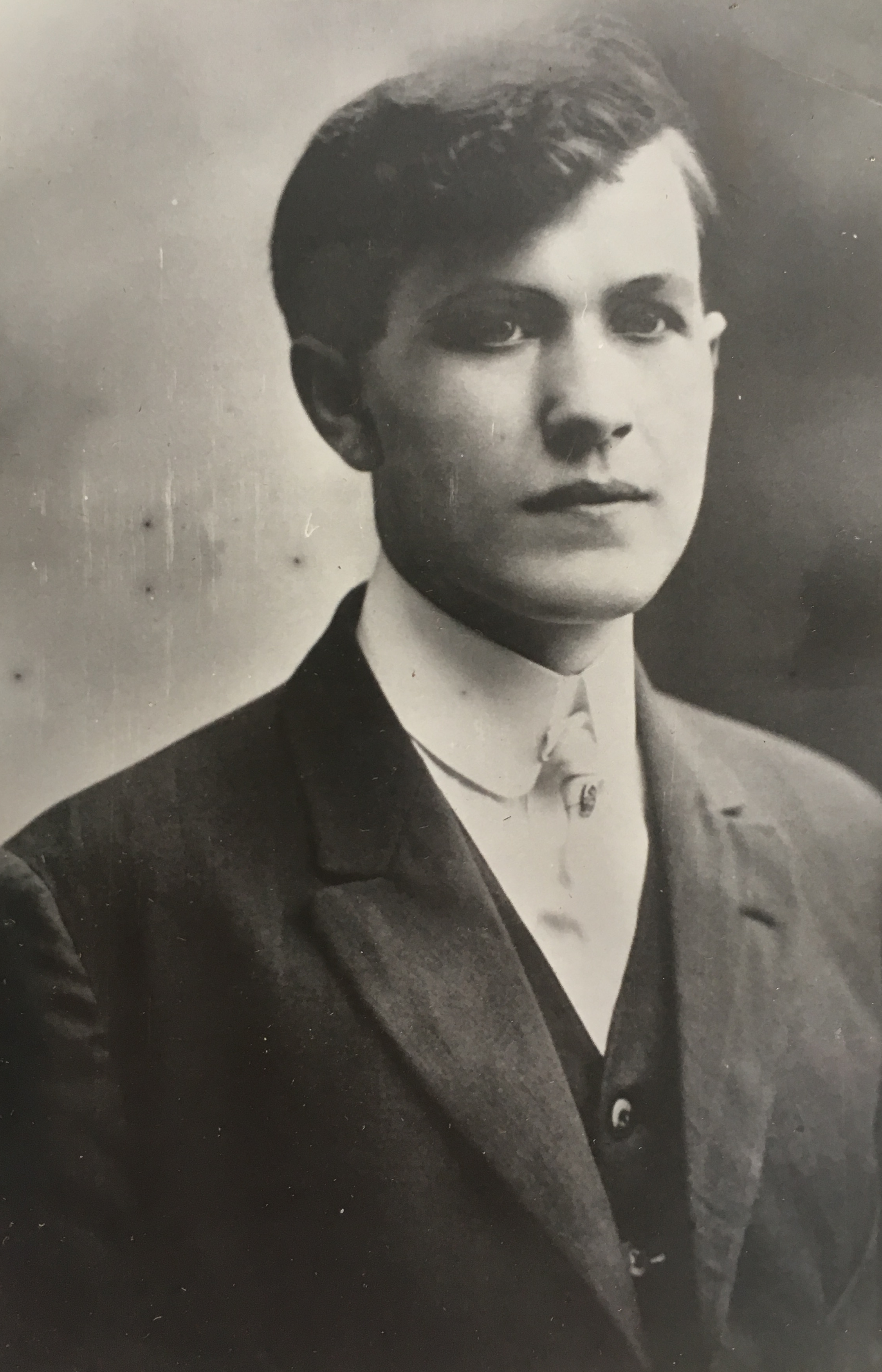
Robert Musil

Robert Musil, 23 years old, left Krizanow, Moravia (now the Czech Republic), in October 1910. His sister Fanny Vogel had previously emigrated to the U.S. and she and her German husband sponsored Robert’s trip. He traveled north to Bremen in Germany and embarked for the U.S.

He arrived at Ellis Island November 17, 1910, looking for a new life and greater opportunity. Like most immigrants he was not looking for a handout but rather to become a creative part of his new country. He was ready to work. Robert was a tailor, made a living his whole life sewing. He is an American success story of how immigrants enrich America. In 1912, Robert married another Czech, Bozina Ourednik. They had two daughters, born in 1914 and 1917.
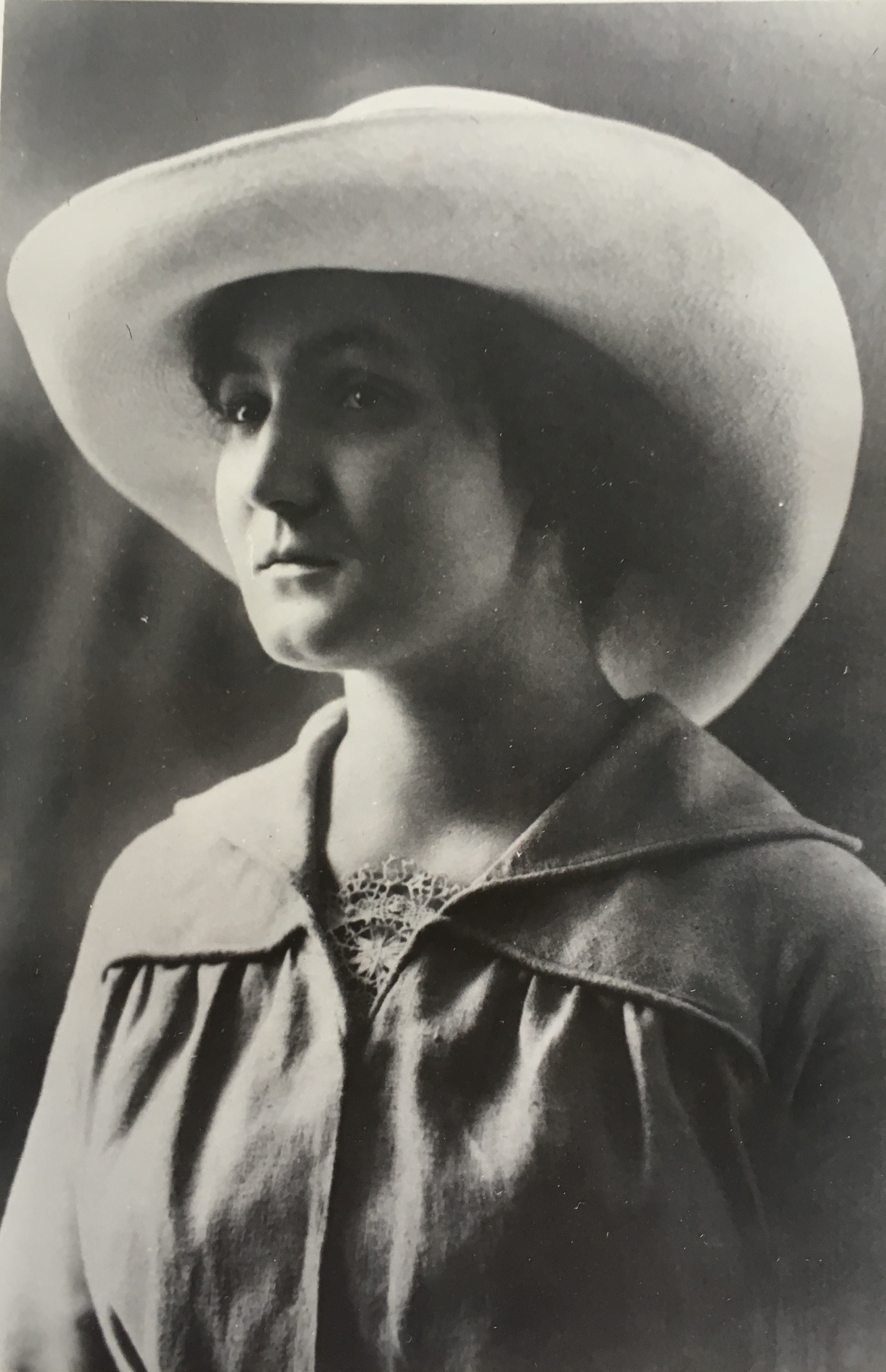
Bozina Ourednik

Robert was an entrepreneur who supported his family through hard work and great skill. He bought himself a new 1912 Singer manual sewing machine and went to work. In New Rochelle, New York, he worked out of the front parlor of his home where he had a large triple mirror so his clients could see themselves in the custom-made dresses and suits he made. He basically had only a half-dozen wealthy customers, for whom he made evening gowns, suits, and coats.

Robert passed away in 1960. His sewing machine stood idle, finally ending up in his granddaughter’s garage, a family heirloom but what to do with it? The 1912 Singer was waiting for a new life somewhere, ready to go back to work. All these years later his granddaughter, Betsy Richards, still had the sewing machine packed away in her garage. After learning of the mission of Sewing Peace, Betsy decided the best thing to do with it was to donate it so someone else could make a living with that high-quality machine made in the U.S.
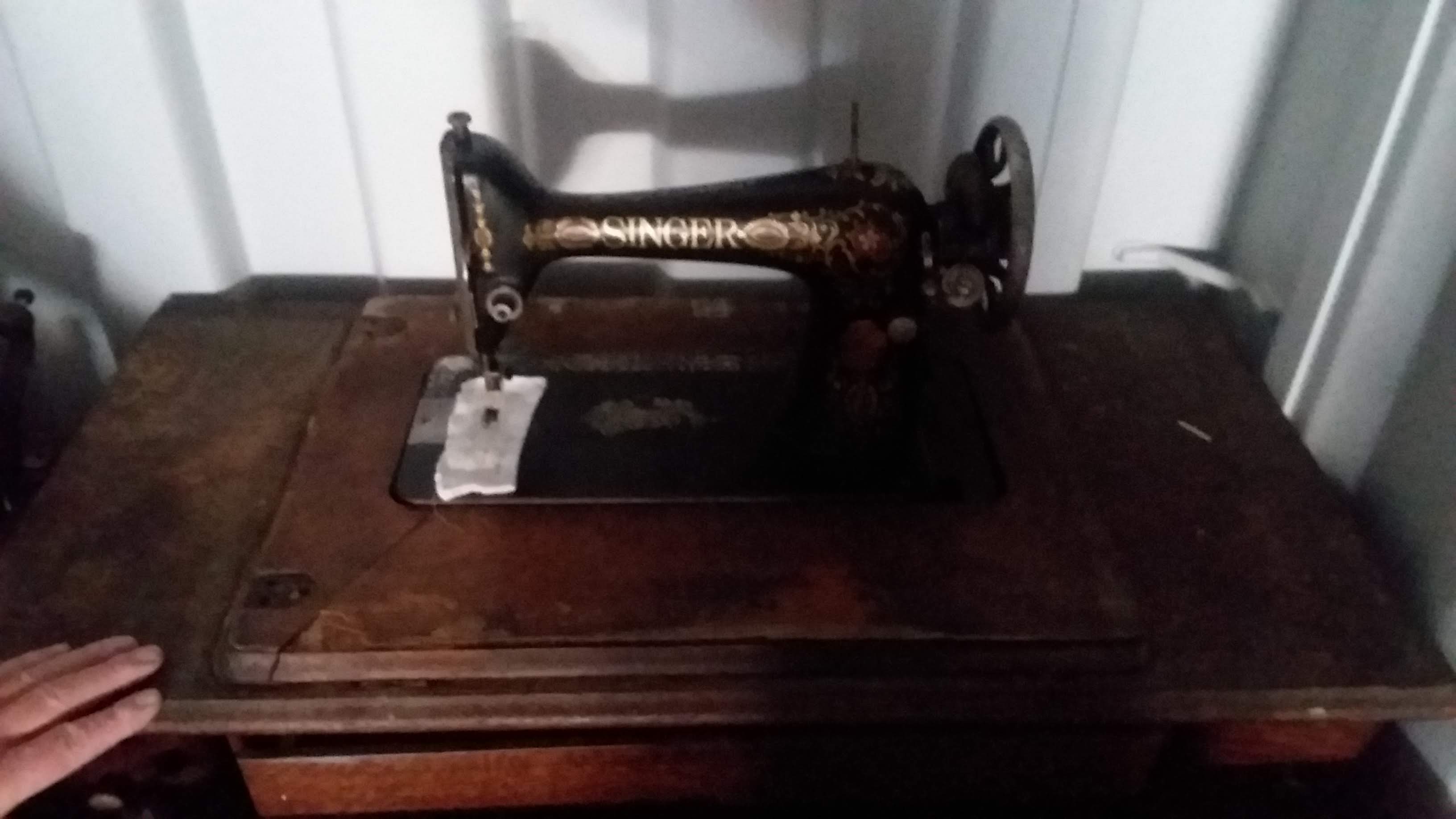
Robert Musil’s 1912 Singer Treadle Machine

In comes Anne Fitzgerald, sewing machine collector extraordinaire. Betsey found Anne because the P4P/SP collection was announced in the local newspaper. On October 5th, 2019, Anne brought the sewing machine to the P4P/SP collection at the Asbury United Methodist Church in Croton-on-Hudson, New York. The collection was sponsored by the Croton Lay Interfaith Council.
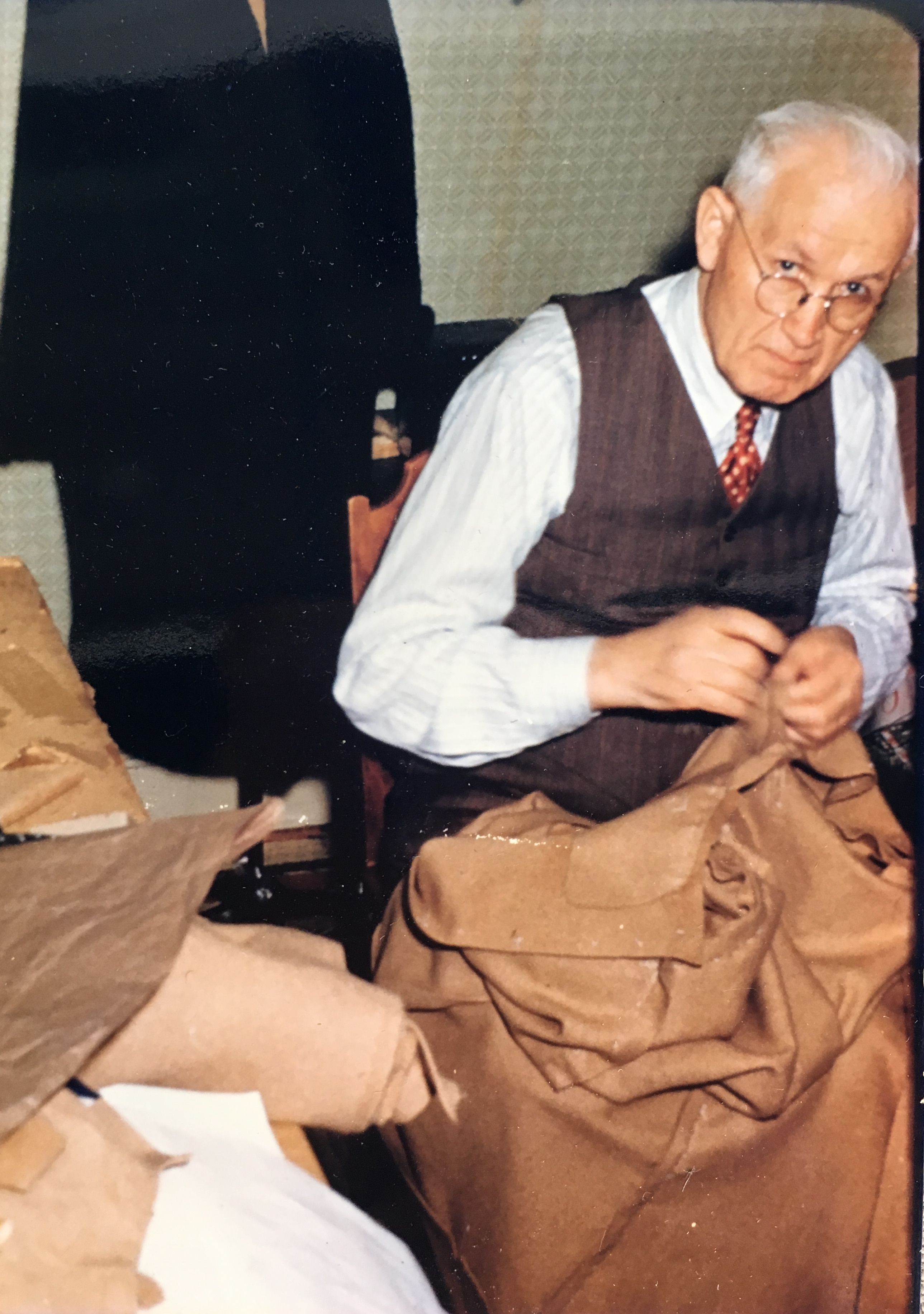
Robert Musil

Gary, our V.P. and collection coordinator, went to that collection and brought that sewing machine back to the warehouse. Then Dennis our tinkerer did some minor maintenance on the machine. It is now working beautifully!

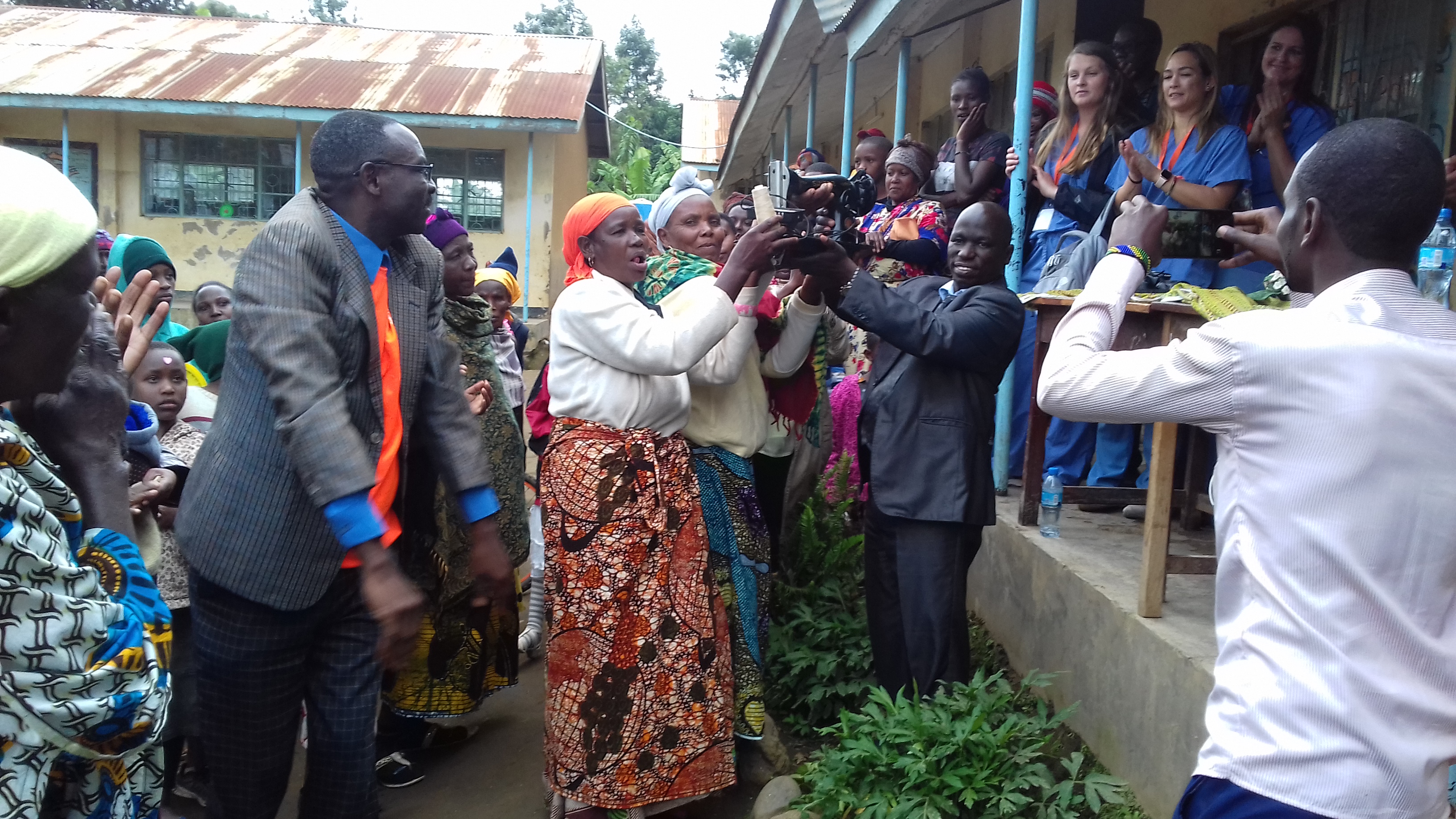
Robert Musil’s sewing machine shipped to DRVR, our partner in Togo, West Africa, on October 26, 2019. Previously, DRVR had received only one shipment of sewing machines. But with the generous support of the Clif Bar Family Foundation, DRVR is now a bicycle program as well as a sewing program. We hope to be able to trail along to the final destination of Robert’s machine and bring you the conclusion of the story in our 2020 spring newsletter. [Here is that story.]

Sewing Machines in Uganda, August 2019

Dear David,

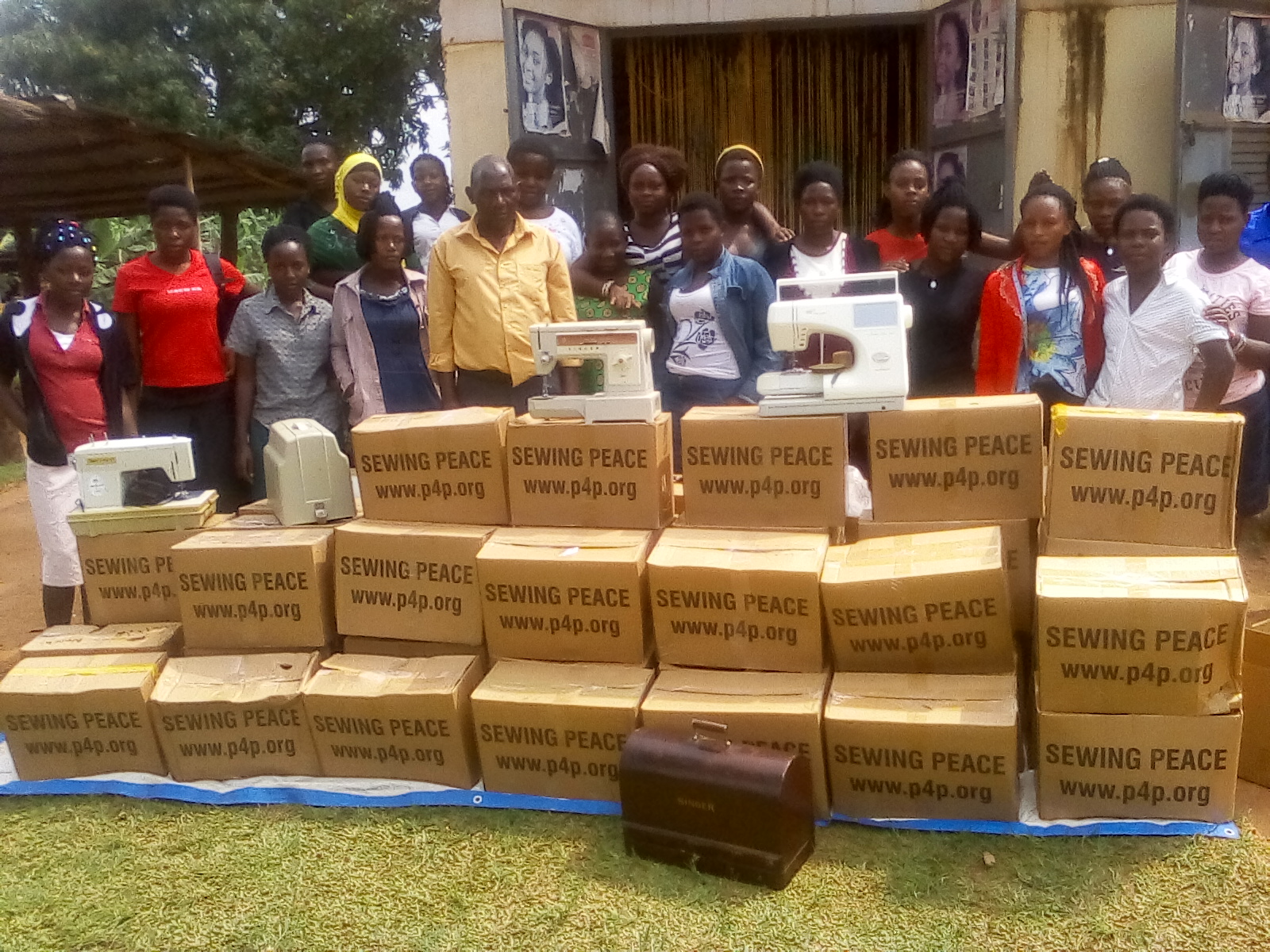
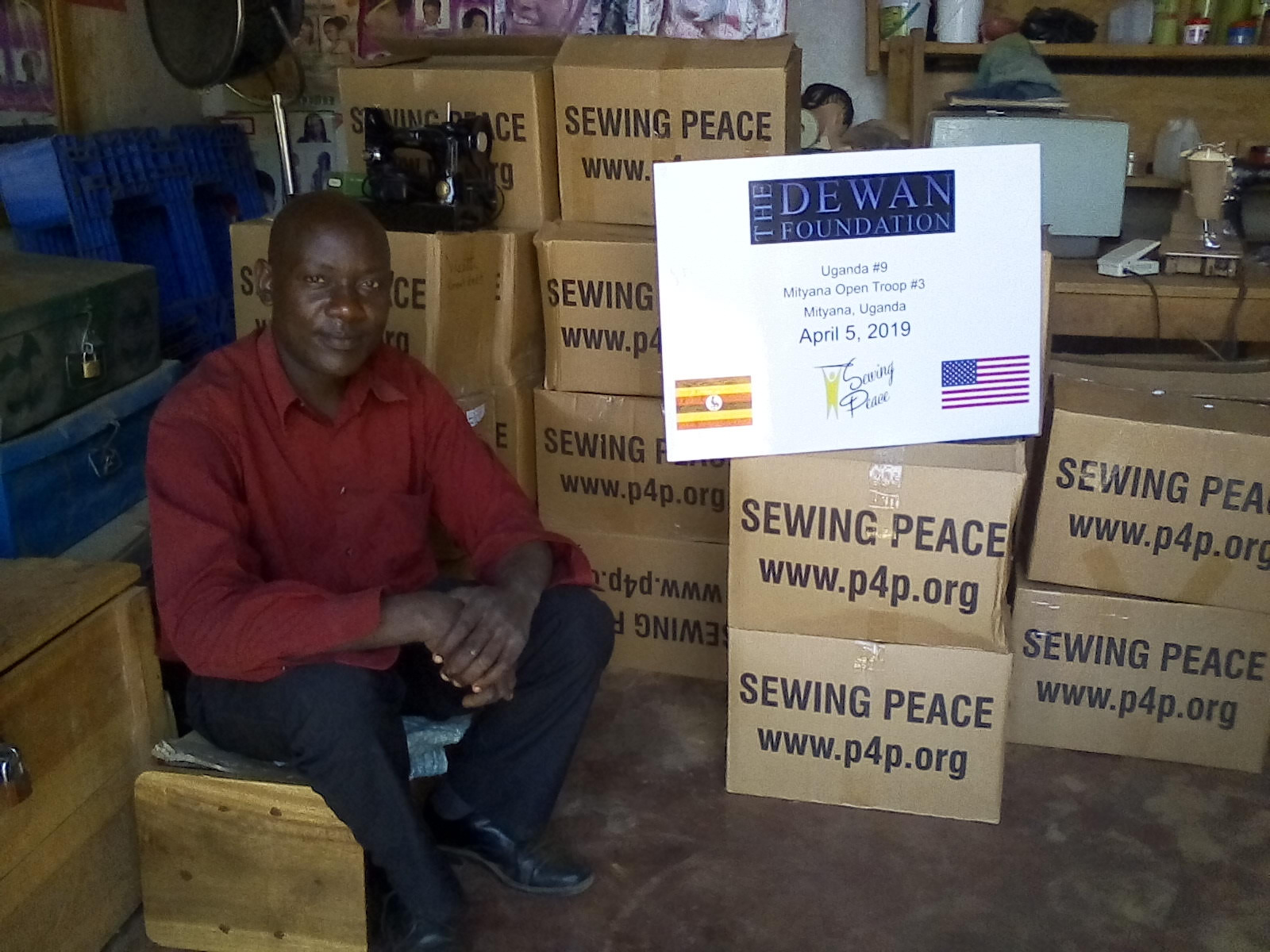
Hope you are fine. Today, 20 August 2019, we have received 73 sewing machines which are so nice and attractive.

Among them we see overlocking machines and Baby Lock machines, 2 sergers, and a hook for embroidery machines.

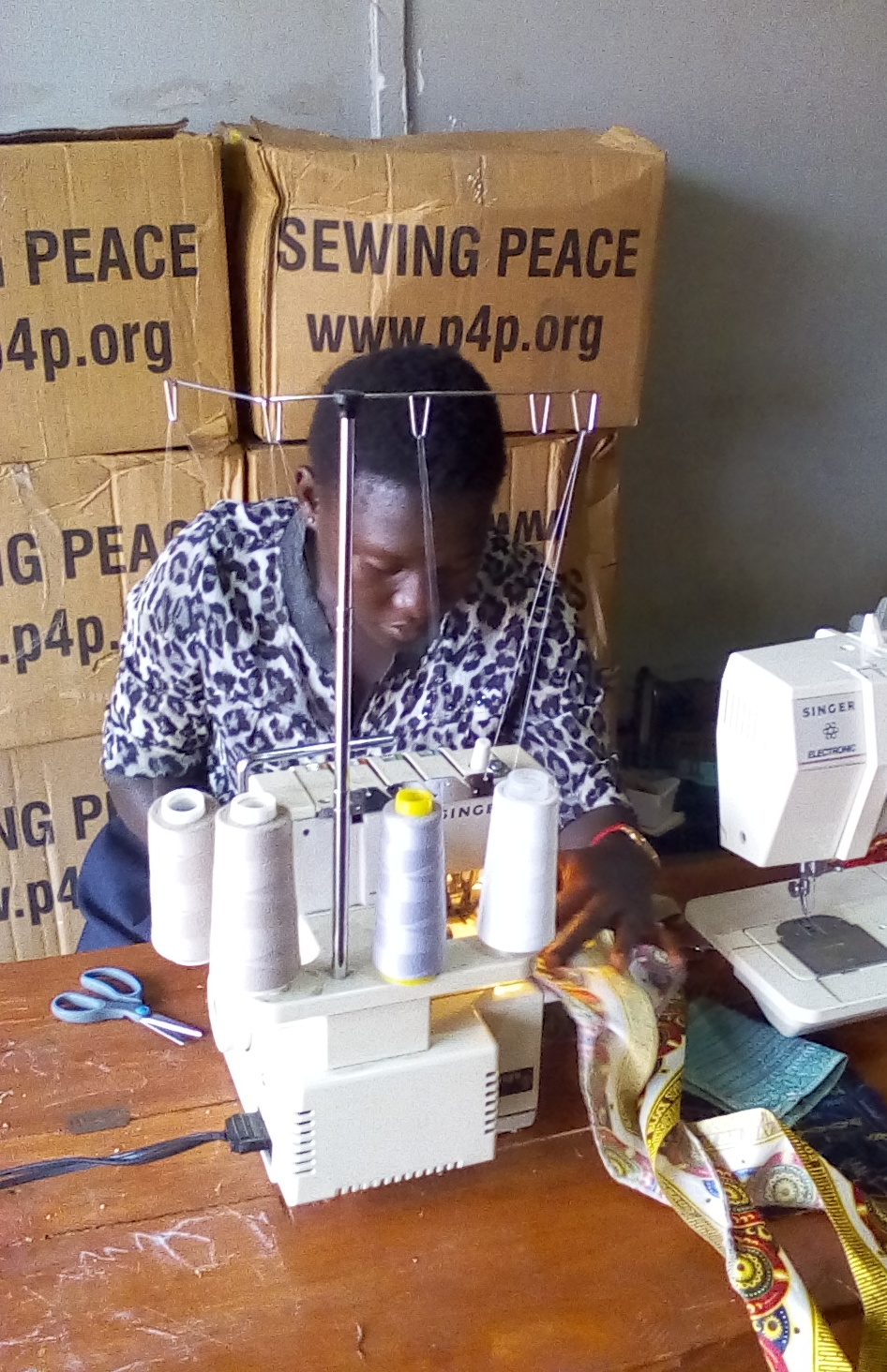
The machines have been wrapped in a very unique way from the U.S.A.

I once again extend our sincere thanks to you, the Dewan Foundation, the volunteers involved in refurbishing the sewing machines, and to all those who kindly donated such nice machines to us.

Pass on our warm regards and thanks please.

Yours,
Mathew Yawe
Executive Director, Mityana Open Troop Foundation

Uganda: Report from the Mityana Open Troop Foundation, January–April 2019

By Mathew Yawe, Executive Director
Spring 2019 Newsletter

BackGround

The Mityana Open Troop Foundation was started in 1997 by a group of Boy Scouts who had been affected by socio-economic issues leading to their dropping out of school. Others had been affected by HIV/AIDS due to loss of their relatives and guardians. The initiative started as a community program by raising awareness of the HIV/AIDS scourge. We held talk shows on health. We promoted environmental protection, child nutrition in risky communities, food security, support and education to vulnerable people, and functional adult learning among those who cannot read.

The high school drop-out rate caused by socio-economic factors and the nature of the Ugandan education system, which emphasizes theory, resulted in a high youth unemployment rate: 64%. Crime rates among youths in Uganda, specifically in the Mityana area, were high.

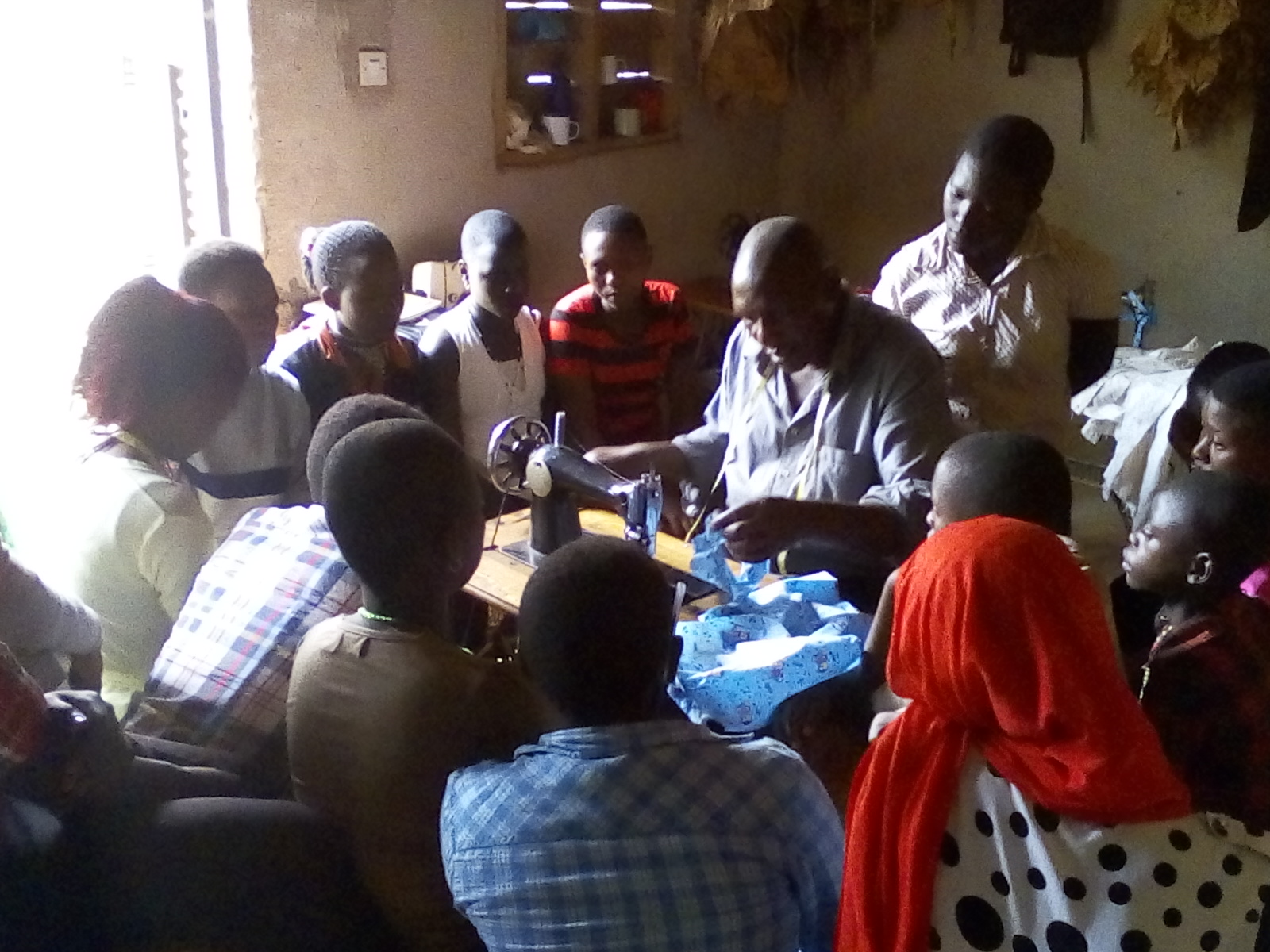
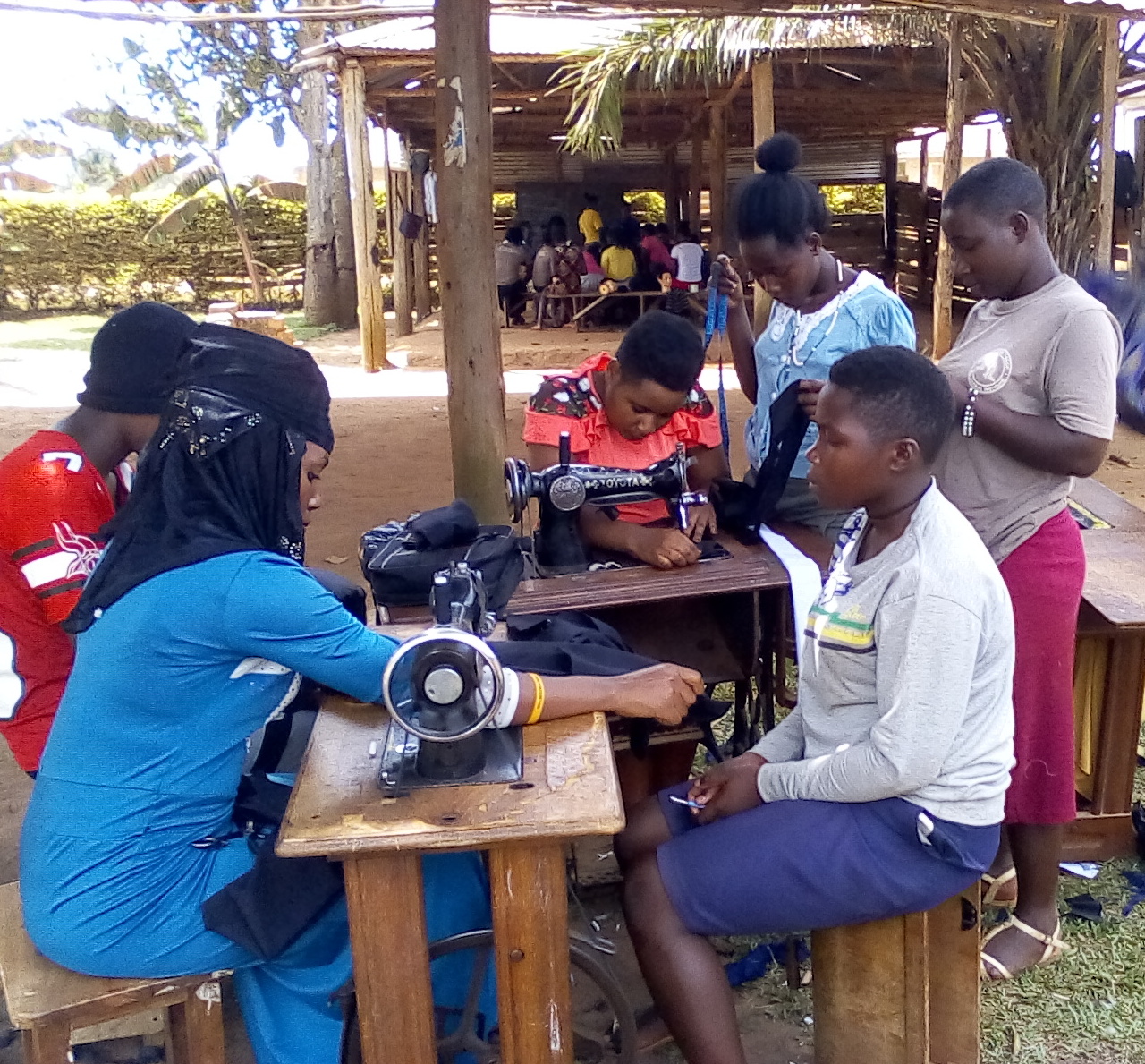
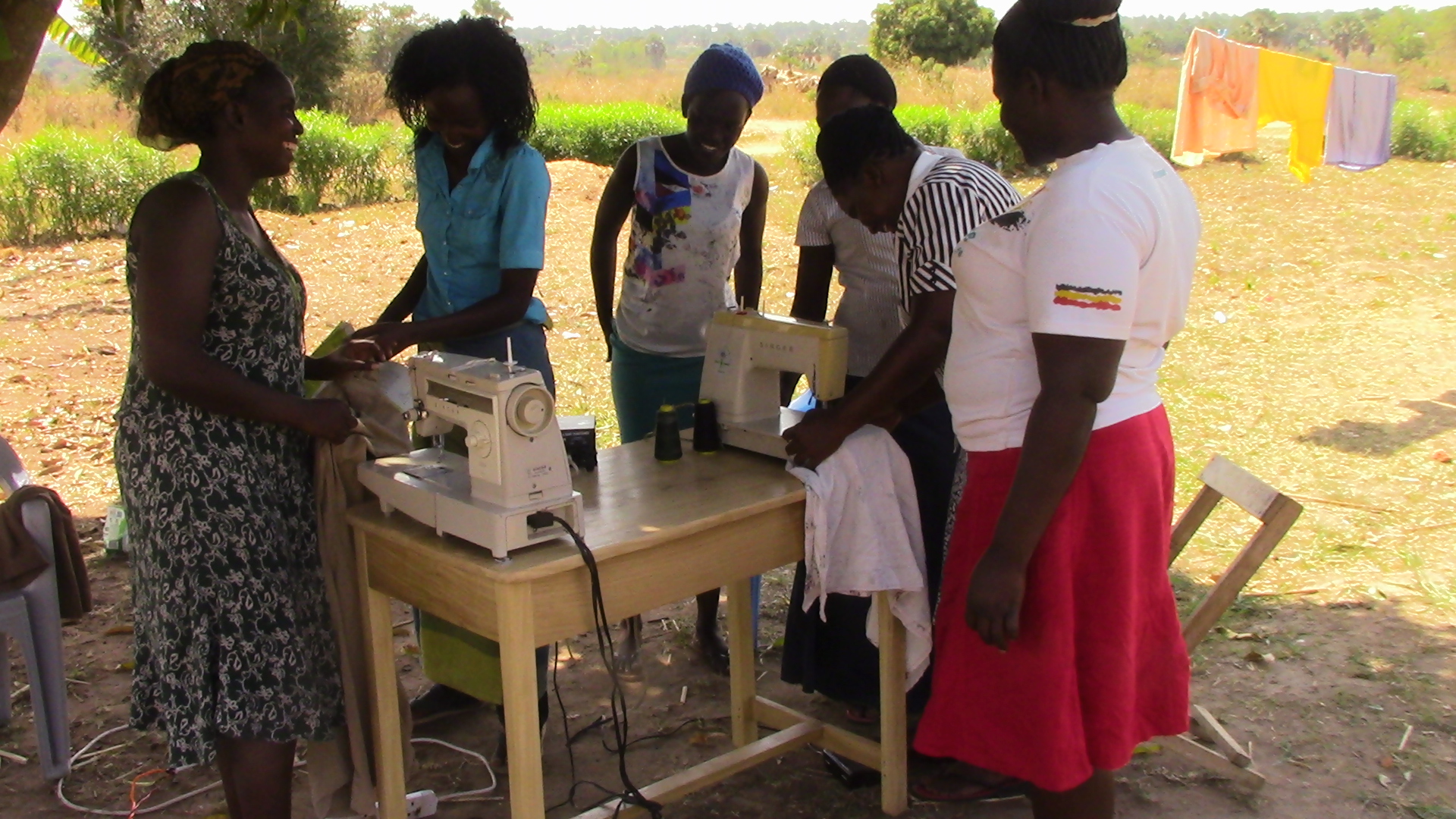
Sewing class in Uganda
Because of these concerns, our organization started a Vocational Skill Training project in 2007 to recruit vulnerable youths. With support from partner organizations in the U.K., we started working with parents and other members of the community to mobilize unemployed youths in Mityana who had interests in acquiring vocational skills. We recruited school dropouts who didn’t complete their studies because they couldn’t afford school fees. We recruited girls who dropped out of school due to unwanted pregnancies. We also advocated for girls who were sex workers to abandon that activity and join our project. The project is currently recruiting single mothers and disadvantaged youths to be trained in:

  • tailoring, designing, and fashion
  • hair dressing, beauty, and weaving
  • carpentry and joinery
  • motor vehicle mechanics (parts 1, 2, and 3)
  • crop and agriculture skills
  • languages (English and Luganda), writing, speaking and
    algebra

Each course takes 2 years. At graduation, trainees are awarded certificates along with start-up tools or sewing machines to enable them to go into the market and start their own businesses.

Mission

Empower marginalized vulnerable youths, orphans, and women through vocational skills acquisition and promoting better standards of living.

Aim

To reduce unemployment and over dependency among the marginalized groups of people.

Objectives

Mityana Open Troop Foundation aims at achieving the following objectives:

  • Create community awareness on sexually transmitted infections.
  • Create a conducive educational atmosphere by fully equipping the vocational project with all the necessary training tools/machines along with working materials.
  • Help vulnerable children attain education by sponsorship and scholastic material support.
  • Develop, promote, and educate children about nutrition.
  • Construct shelters for the poor, elderly, widows, and orphans.
  • Provide start-up tools to all who graduate from our program, to enable them to start their own businesses.

Achievements

  • During the training period of January – April 2019, we recruited 85 new trainees, for a current total of 112. In November 2018, 71 trainees graduated and left a big gap at the training centre!
  • Sewing Peace, our sewing machine partner, managed to approach The Dewan Foundation and asked them to kindly sponsor the shipping of 2 pallets to our Vocational Project in Uganda.
  • The project has conducted training in all the courses mentioned above.
  • Project trainees participated in athletic competitions and did well.
  • Project trainees participated in a debate on the topic, “How can one overcome AIDS?”
  • Project trainees together with scouts volunteered in clearing brush
    around the well that is the village water source.
  • The project with support of Mr. Nino Ardizzi and Ms. Madison Ardizzi of Canada began construction of a wooden poultry house, where trainees will learn poultry farming, though the house has not yet been roofed and completed.

Appreciations

  • Many thanks go to Sewing Peace, for donating us nice sewing machines, which have really made a great change in our communities and made possible the sewing training workshop at our project. Initially the machine-to-student ratio was 1 to 5 trainees; now each trainee has a machine. We praise Mr. David Schwiedenback for always caring for our project. We also thank all volunteers involved in refurbishing the sewing machines and the sewing machine donors.
  • We extend many thanks to The Dewan Foundation for having kindly funded the shipping of sewing machine pallets to our vocational project in Uganda. Please continue with your kind spirit; we appreciate your great care.
  • The project extends many thanks to Mr. Nino Ardizzi and Ms. Madison of Canada for supporting us in constructing a poultry house, though it is not yet completed.
  • We thank the Government of Uganda, through its Ministry of Education and Sports, for always sponsoring 50 disadvantaged youths at our vocational project.
  • Thanks go to Kolping Mityana Womens project, which sponsors some 15 orphans at our vocational project. The funds from the Ugandan Government and from Kolping have supported paying the instructors and providing meals for our trainees.

Challenges

  • Insufficient classroom space has Very Very much affected our programs, as we must sometimes train outside, where it is not safe when it rains and where it can be extremely hot. Lack of classroom space also forces us to limit the number of trainees who can enroll in our programs.
  • We charge little tuition for our training, but unfortunately some still cannot afford it! As a result, the project sometimes cannot pay instructors on time or provide meals for trainees.
  • It is a challenge for us to pay shipping costs and Ugandan import fees for the sewing machines donated to us by Sewing Peace.

Future Plan / Way Forward

  • Construct a 2-classroom block to accommodate all potential trainees.
  • Continue to get sewing machines shipments from Sewing Peace.
  • Partner with and visit other U.S., Canadian, U.K., and other organizations and other vocational training programs to learn how they operate and how they sustain their institutions.

Conclusion

On behalf of the Mityana Open Troop Foundation, I conclude by thanking once again whoever has supported us financially and in-kind, and those who have worked tirelessly towards the development of our project. Thank you very much.

Collecting Sewing Machines for Sewing Peace, 2019

Spring 2019 Newsletter

[Editor’s note: this is a report from one of our very best sewing machine collectors, who wishes to remain anonymous. The dozens of machines we get every year from this volunteer arrive clean and in perfect working condition.]

I am the recycling coordinator for a solid waste management district.  I work with five transfer stations, three of which collect used sewing machines for me.

The collection of sewing machines here is a group effort. The employees at the transfer stations keep an eye out for sewing machines and set them aside for me to pick up. Plus, of course, we have generous donors who not only provide the machines but also throw in thread, extra needles, bobbins, pins, etc. The older machines are my favorites; I’ve been working on one that is 81 years old and came with its original manual. It’s a trooper.

The process of collecting and shipping the machines has evolved over the years. In addition to cleaning, oiling, and testing the machines, I now make drawstring bags to hold sewing notions, sew dust covers, cut out and embroider felt pin-holders, and put together sewing kits for each machine. And there’s my long-suffering husband, who has accepted the annexation of an entire room in our house for the Sewing Peace project.

My hobby has become a labor of love for people I will never meet but feel very connected to through a shared appreciation for sewing machines. I am very grateful to have the opportunity to contribute to Sewing Peace’s wonderful mission.


2019: Sewing machines for women locked in blood feuds in northern Albania

By the EcoVolis Team
Spring 2019 Newsletter

The Kanun of Lek Dukagjini is a set of traditional Albanian laws originally codified in the 15th century. The Kanun includes laws on religion, family, work, and honor, including laws sanctioning murder in blood feuds. Blood-taking or retaliation has affected many families — including women, mothers, and children — in the Malësia e Madhe and Shkodër regions of Albania. Under Kanun, affected families have no right to leave their homes, under penalty of death.

Today Kanun affects over 106 families, 83 convicted of Kanun crimes. Though Kanun-sanctioned violence is illegal in Albania, the state is still ineffective in dealing with it.


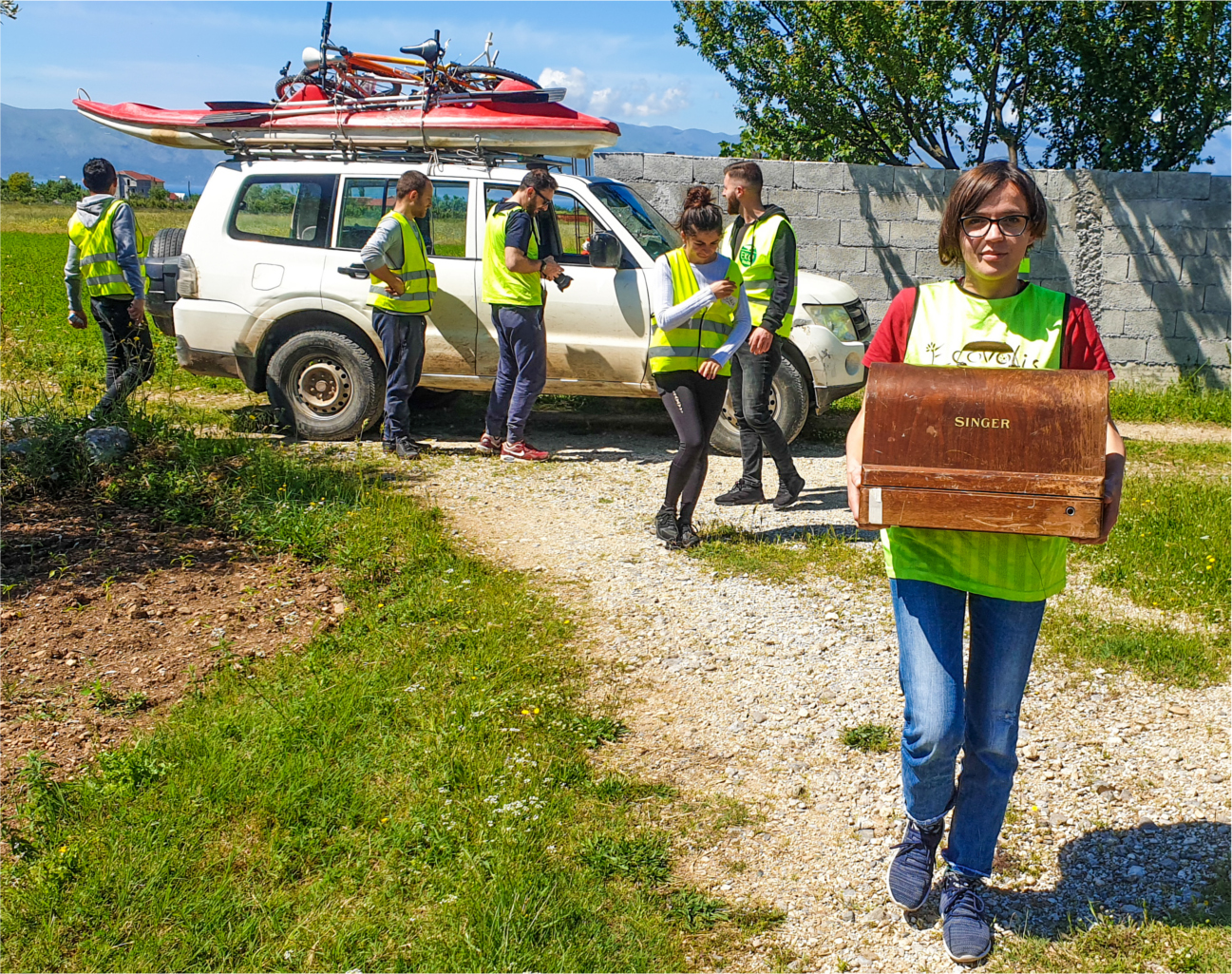
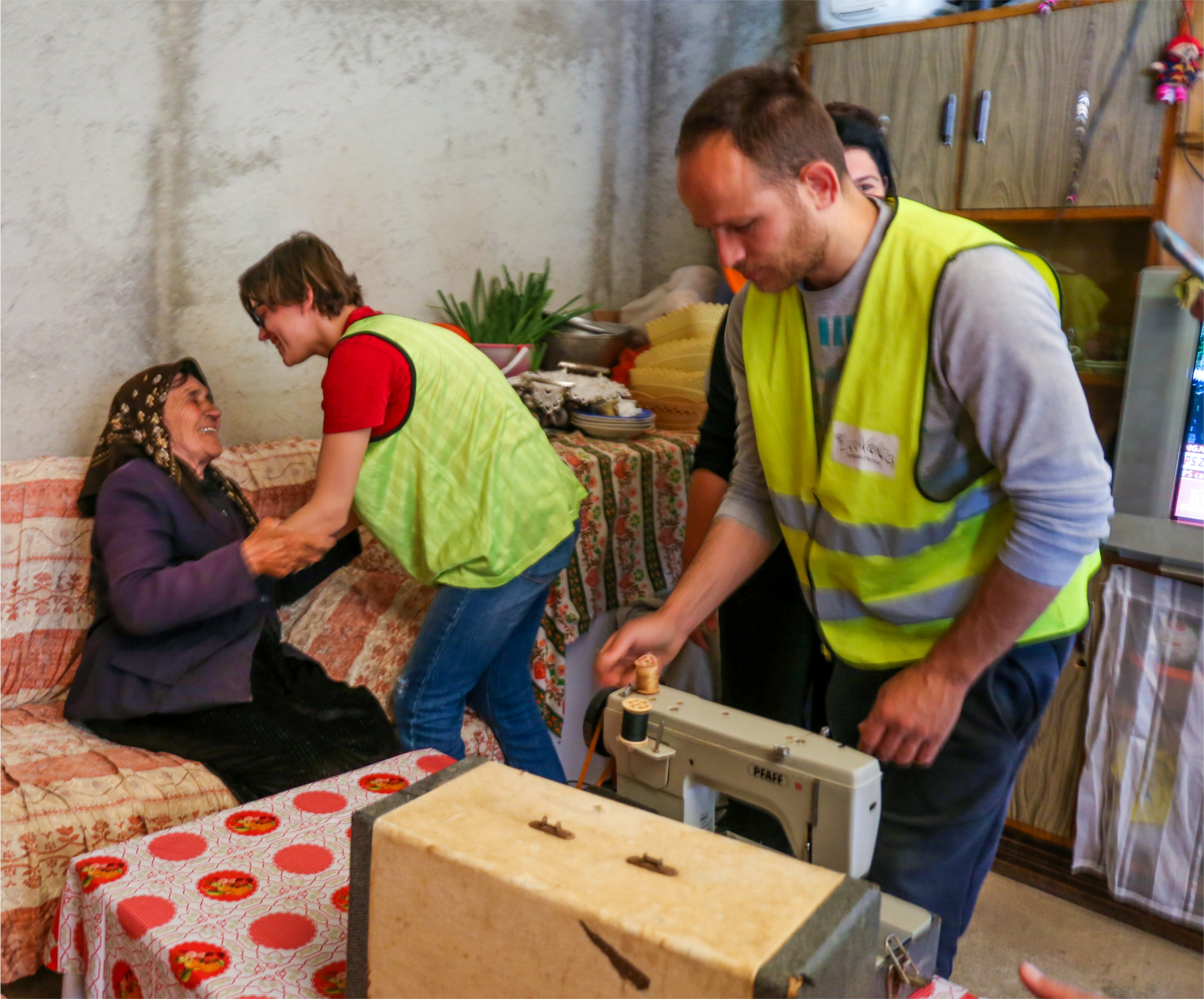
PASS/Ecovolis undertook a house-to-house campaign to donate dozens of sewing machines to women of these families. On May 13, 2019, we brought sewing machines to the confined households in Malësia e Madhe. We had the opportunity to hear about the hardships of living with their isolation: the poverty, the inability to work and support children, the inability of children to go to school and to have a normal childhood.

“It’s impossible,” says Anjeza, a mother of four, “raising the children, keeping the family locked up without any support or job opportunities. We do not know how our destiny will go.”

PASS has raised concerns about these families several times. In the fall 2015 P4P newsletter, we decribed the effect of Kanun on children’s lives. Children are not allowed to leave their family property, so they may be deprived of school and education. PASS visited several of these families to donate bicycles that children can ride at least in their yards.

Together with Sewing Peace we believe we have given some hope for dozens of women in an impossible situation. As always, thanks to P4P/SP for this opportunity!

[ PASS/Ecovolis facebook post on the sewing machine project (in Albanian, but with lots of photos)]

January 2019: Serendipity in Uganda


Carolyn Colella of GlobeWater & Solar (GWS) of Princeton, New Jersey, just contacted us regarding a water project in Soroti, Uganda. GWS developed a solar-powered water pump that they plan to ship to Soroti.

During the planning of the water project, Andrew Auruku, the GWS contact in Uganda, mentioned that he needed a couple of sewing machines. There is a pressing need in the community for someone to be able to produce sanitary pads for women.

Carolyn had heard of Pedals for Progress and Sewing Peace. She called us and asked if we could help get a couple of sewing machines for Andrew.

Uganda is a landlocked country. Shipping anything there is not only super expensive; it’s also extremely difficult. It’s expensive because of ocean shipping, overland shipping that costs even more, and import taxes and fees. It’s difficult because of logistical and bureaucratic overhead.


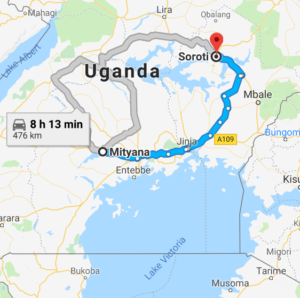
By incredible good fortune, Sewing Peace has a partner in Uganda, the Open Troop Foundation in Mityana, which is about 300 miles from Soroti — not terribly close in terms of Ugandan travel but a lot closer than New Jersey! We contacted Mathew Yawe, our contact in Mityana, and asked him if he still had some sewing machines available from the last shipment. He did!

We put Mathew in touch with Carolyn from GWS. She arranged for the transportation costs and then put Matthew in contact with Andrew in Soroti. Mathew arranged to have two sewing machines and a step-down converter delivered to Soroti by bus the next day. Another win-win!

[Our latest news from Mathew in Uganda is this report on the graduation ceremony of 18 November 2018.]

Ethiopia Training Report, December 2018


Dear David,

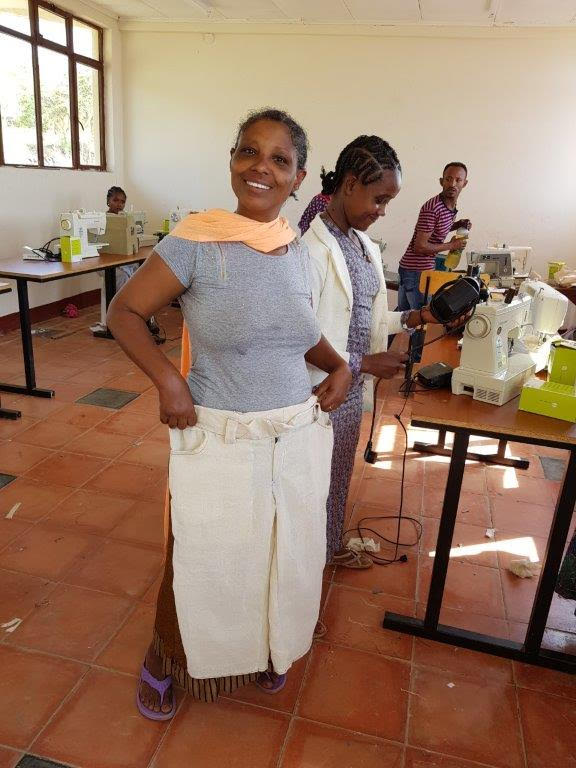
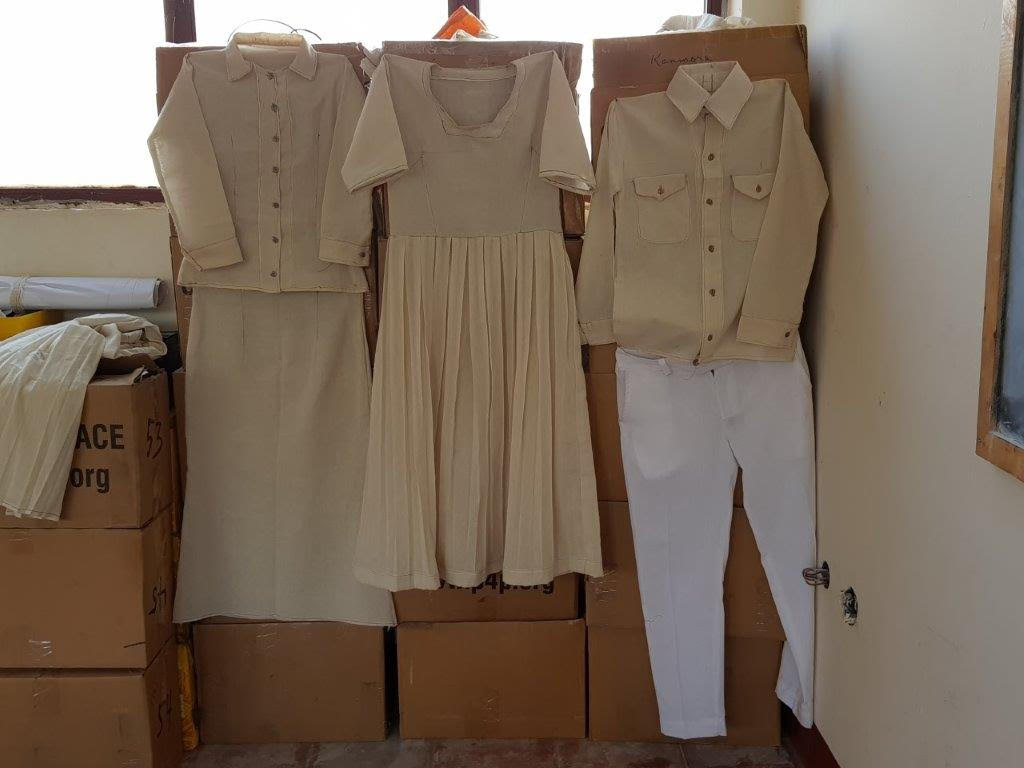
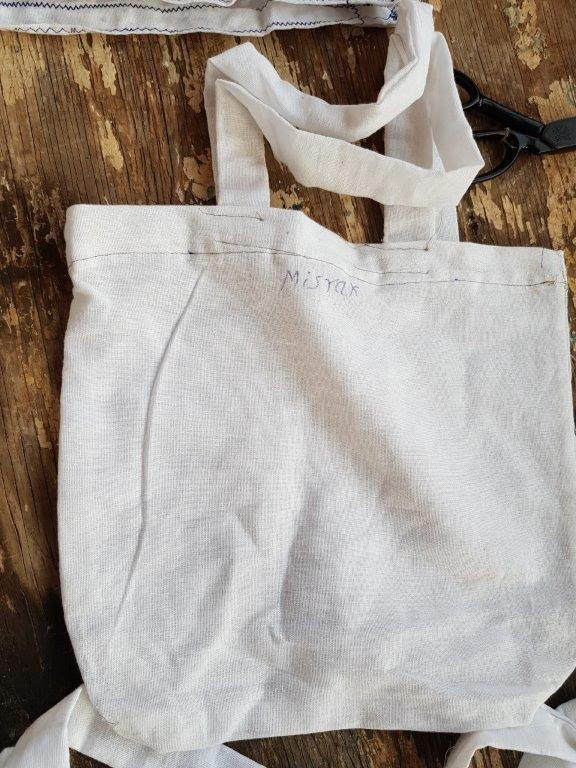
This is to inform you that we finalized the second round of training for the women in our program. Look what they did after only 21 days of training.

I thank you again for your great support.

Best Regards,
Samson Tsegaye, Ethiopia Country Director
Stiftung Solarenergie—Solar Energy Foundation
11 December 2018


This report is an update to two earlier reports: