Category Archives: Sewing Partners

Collecting Sewing Machines for Sewing Peace, 2019

Spring 2019 Newsletter

[Editor’s note: this is a report from one of our very best sewing machine collectors, who wishes to remain anonymous. The dozens of machines we get every year from this volunteer arrive clean and in perfect working condition.]

I am the recycling coordinator for a solid waste management district.  I work with five transfer stations, three of which collect used sewing machines for me.

The collection of sewing machines here is a group effort. The employees at the transfer stations keep an eye out for sewing machines and set them aside for me to pick up. Plus, of course, we have generous donors who not only provide the machines but also throw in thread, extra needles, bobbins, pins, etc. The older machines are my favorites; I’ve been working on one that is 81 years old and came with its original manual. It’s a trooper.

The process of collecting and shipping the machines has evolved over the years. In addition to cleaning, oiling, and testing the machines, I now make drawstring bags to hold sewing notions, sew dust covers, cut out and embroider felt pin-holders, and put together sewing kits for each machine. And there’s my long-suffering husband, who has accepted the annexation of an entire room in our house for the Sewing Peace project.

My hobby has become a labor of love for people I will never meet but feel very connected to through a shared appreciation for sewing machines. I am very grateful to have the opportunity to contribute to Sewing Peace’s wonderful mission.


2019: Sewing machines for women locked in blood feuds in northern Albania

By the EcoVolis Team
Spring 2019 Newsletter

The Kanun of Lek Dukagjini is a set of traditional Albanian laws originally codified in the 15th century. The Kanun includes laws on religion, family, work, and honor, including laws sanctioning murder in blood feuds. Blood-taking or retaliation has affected many families — including women, mothers, and children — in the Malësia e Madhe and Shkodër regions of Albania. Under Kanun, affected families have no right to leave their homes, under penalty of death.

Today Kanun affects over 106 families, 83 convicted of Kanun crimes. Though Kanun-sanctioned violence is illegal in Albania, the state is still ineffective in dealing with it.


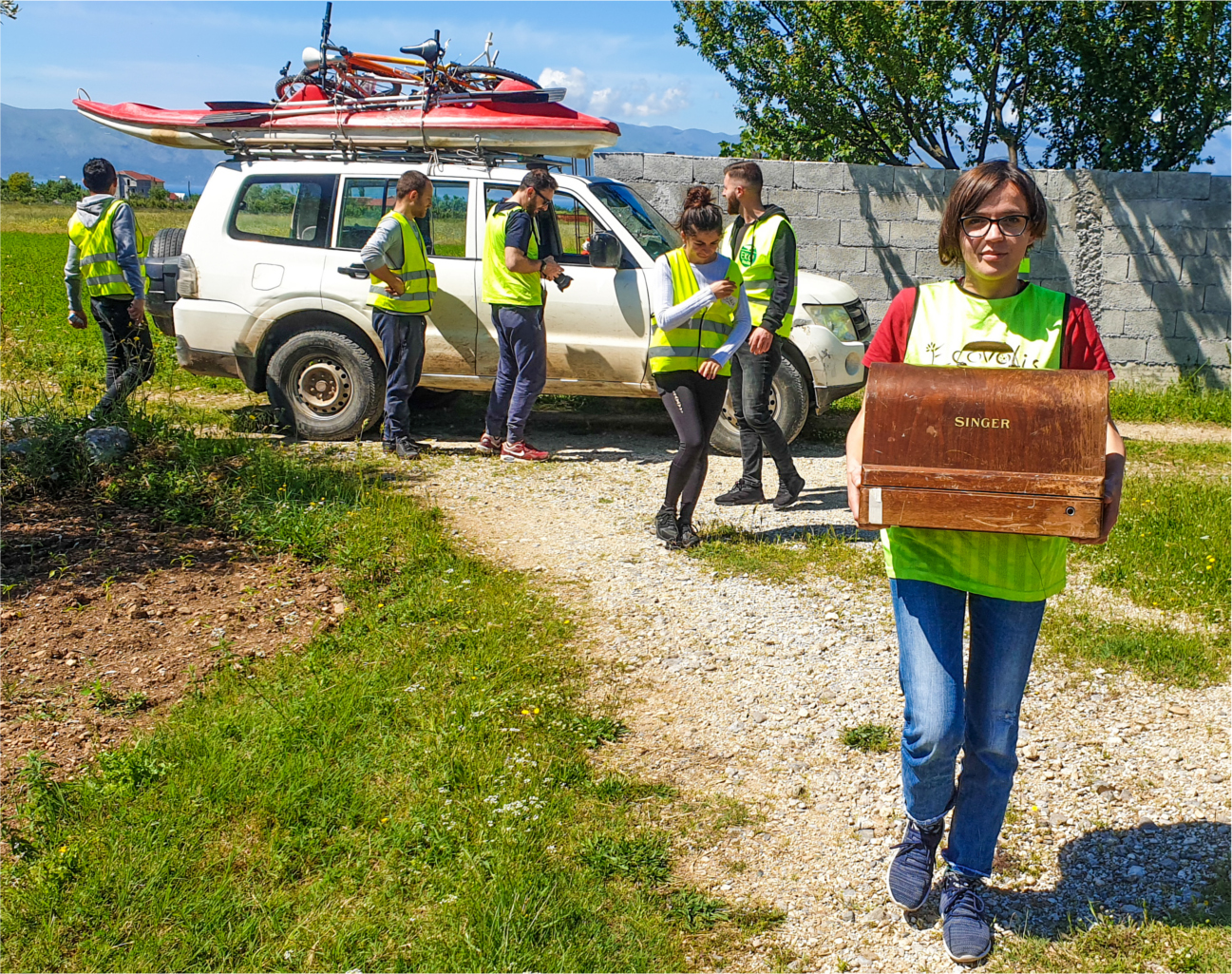
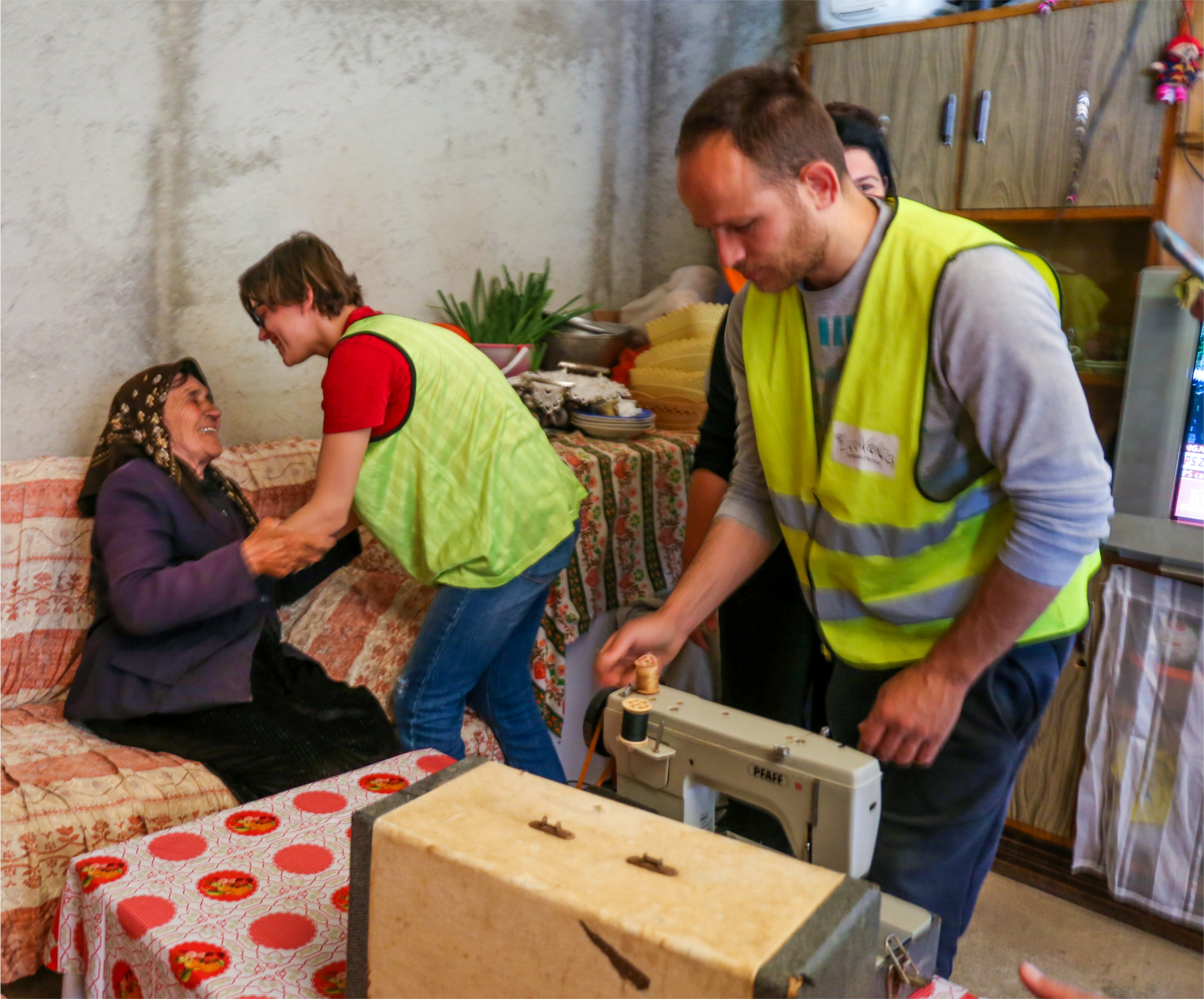
PASS/Ecovolis undertook a house-to-house campaign to donate dozens of sewing machines to women of these families. On May 13, 2019, we brought sewing machines to the confined households in Malësia e Madhe. We had the opportunity to hear about the hardships of living with their isolation: the poverty, the inability to work and support children, the inability of children to go to school and to have a normal childhood.

“It’s impossible,” says Anjeza, a mother of four, “raising the children, keeping the family locked up without any support or job opportunities. We do not know how our destiny will go.”

PASS has raised concerns about these families several times. In the fall 2015 P4P newsletter, we decribed the effect of Kanun on children’s lives. Children are not allowed to leave their family property, so they may be deprived of school and education. PASS visited several of these families to donate bicycles that children can ride at least in their yards.

Together with Sewing Peace we believe we have given some hope for dozens of women in an impossible situation. As always, thanks to P4P/SP for this opportunity!

[ PASS/Ecovolis facebook post on the sewing machine project (in Albanian, but with lots of photos)]

January 2019: Serendipity in Uganda


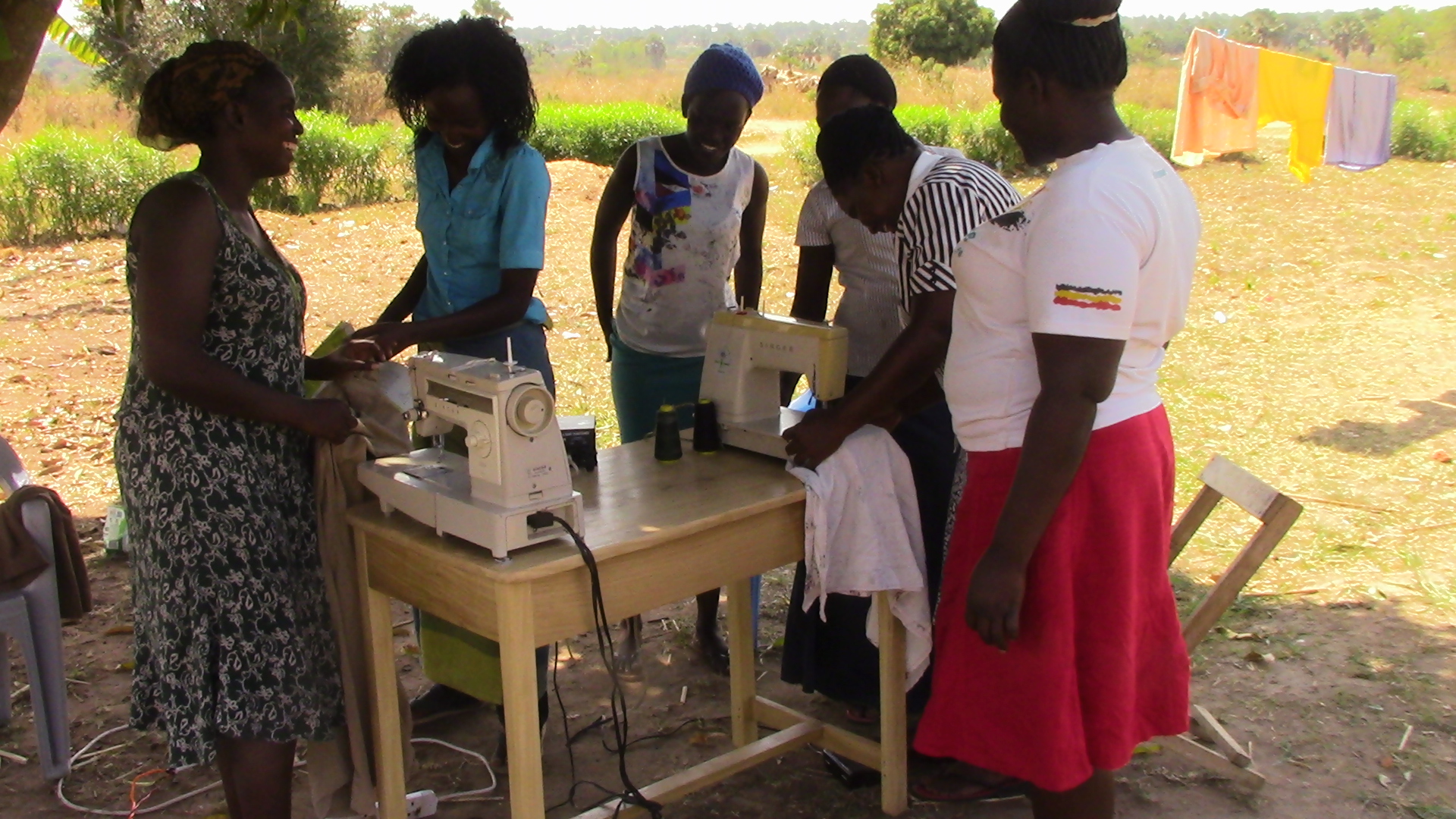
Carolyn Colella of GlobeWater & Solar (GWS) of Princeton, New Jersey, just contacted us regarding a water project in Soroti, Uganda. GWS developed a solar-powered water pump that they plan to ship to Soroti.

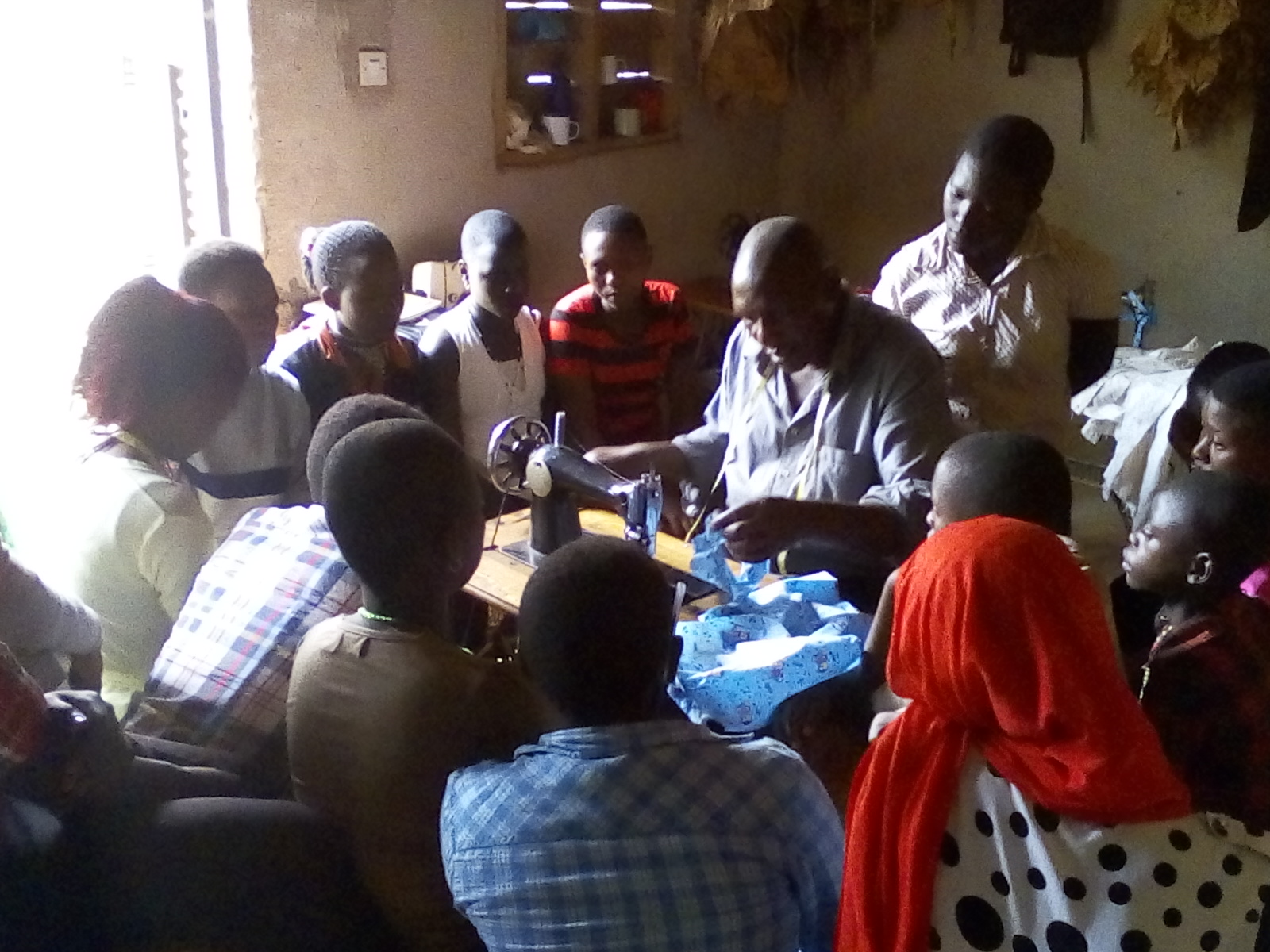
During the planning of the water project, Andrew Auruku, the GWS contact in Uganda, mentioned that he needed a couple of sewing machines. There is a pressing need in the community for someone to be able to produce sanitary pads for women.

Carolyn had heard of Pedals for Progress and Sewing Peace. She called us and asked if we could help get a couple of sewing machines for Andrew.

Uganda is a landlocked country. Shipping anything there is not only super expensive; it’s also extremely difficult. It’s expensive because of ocean shipping, overland shipping that costs even more, and import taxes and fees. It’s difficult because of logistical and bureaucratic overhead.


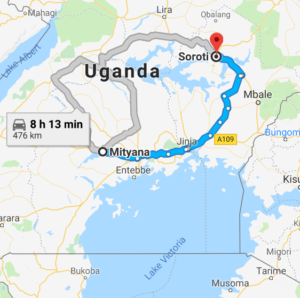
By incredible good fortune, Sewing Peace has a partner in Uganda, the Open Troop Foundation in Mityana, which is about 300 miles from Soroti — not terribly close in terms of Ugandan travel but a lot closer than New Jersey! We contacted Mathew Yawe, our contact in Mityana, and asked him if he still had some sewing machines available from the last shipment. He did!

We put Mathew in touch with Carolyn from GWS. She arranged for the transportation costs and then put Matthew in contact with Andrew in Soroti. Mathew arranged to have two sewing machines and a step-down converter delivered to Soroti by bus the next day. Another win-win!

[Our latest news from Mathew in Uganda is this report on the graduation ceremony of 18 November 2018.]

Ethiopia Training Report, December 2018


Dear David,

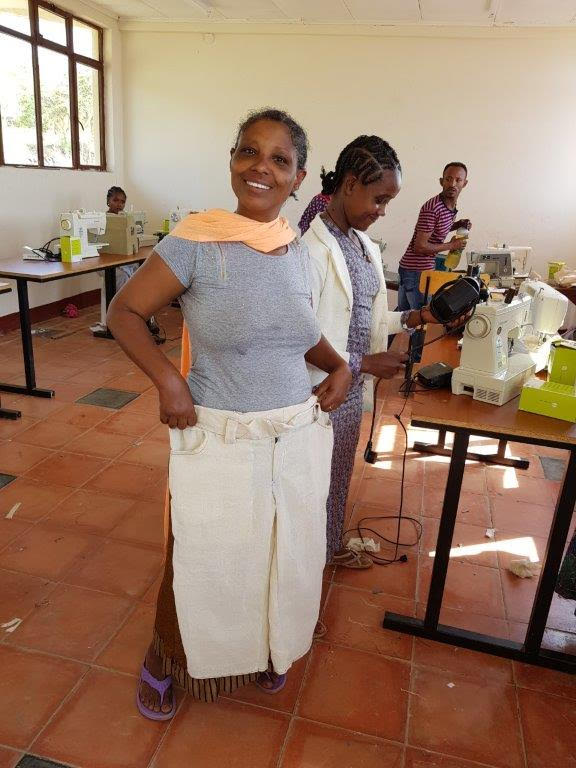
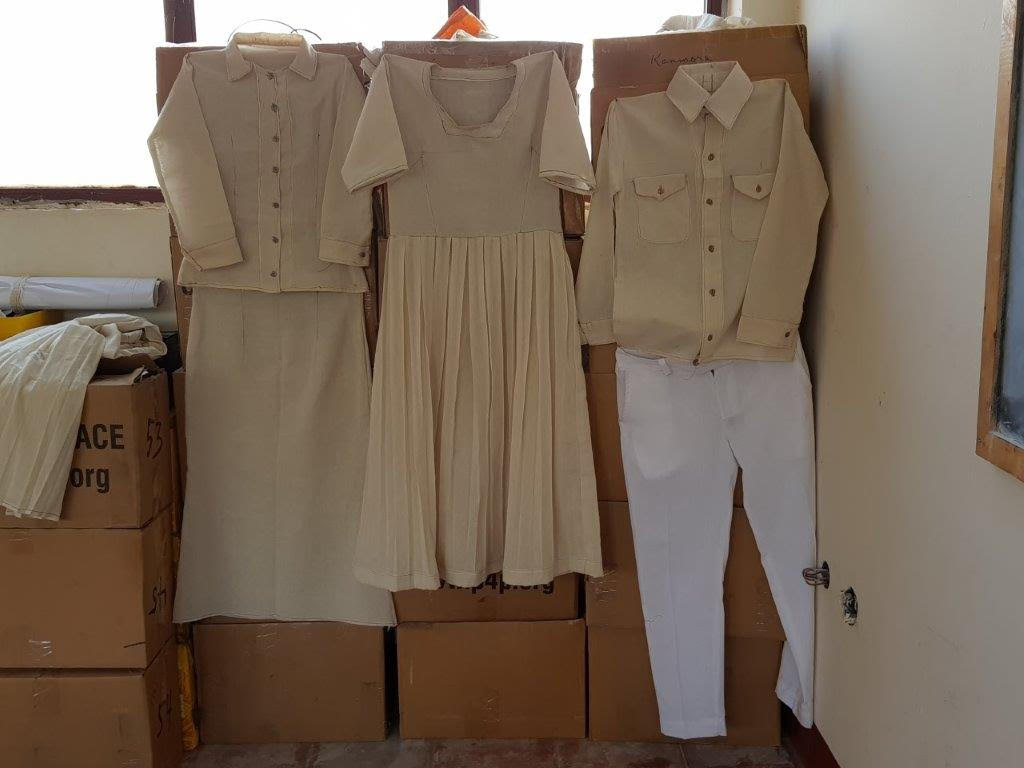
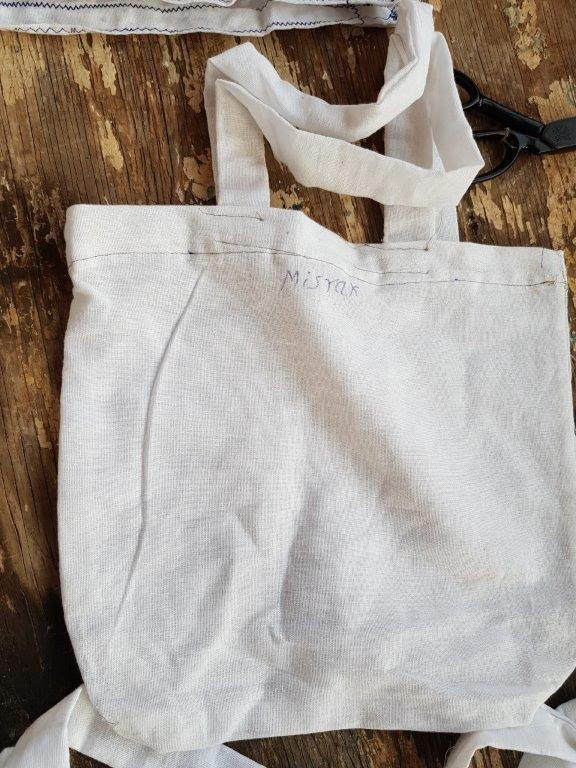
This is to inform you that we finalized the second round of training for the women in our program. Look what they did after only 21 days of training.

I thank you again for your great support.

Best Regards,
Samson Tsegaye, Ethiopia Country Director
Stiftung Solarenergie—Solar Energy Foundation
11 December 2018


This report is an update to two earlier reports:

Uganda: Mityana Open Troop Foundation Graduation, 18 November 2018

By Mathew Yawe, Executive Director, Mityana Open Troop Foundation
Fall 2018 InStitch

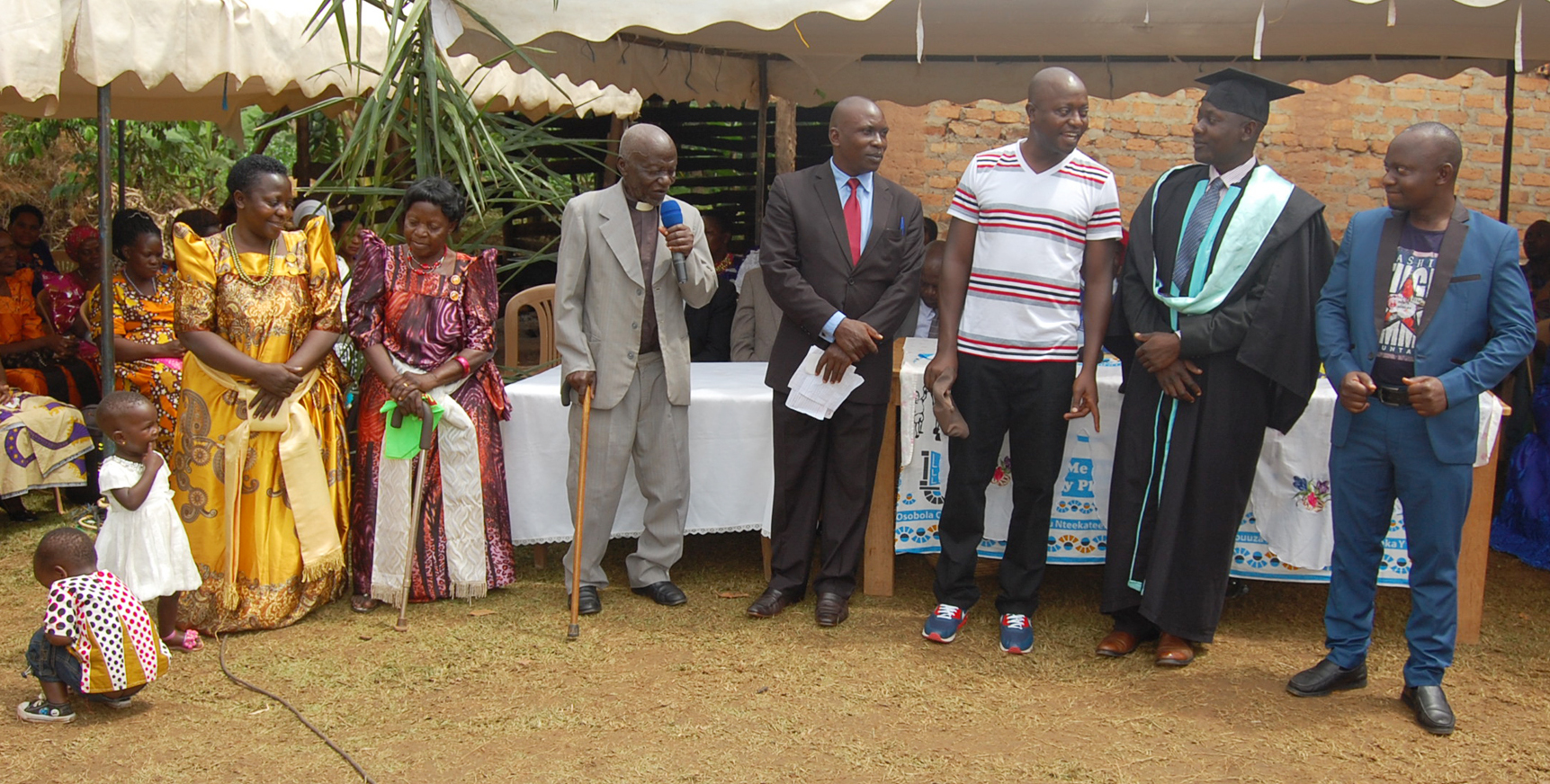
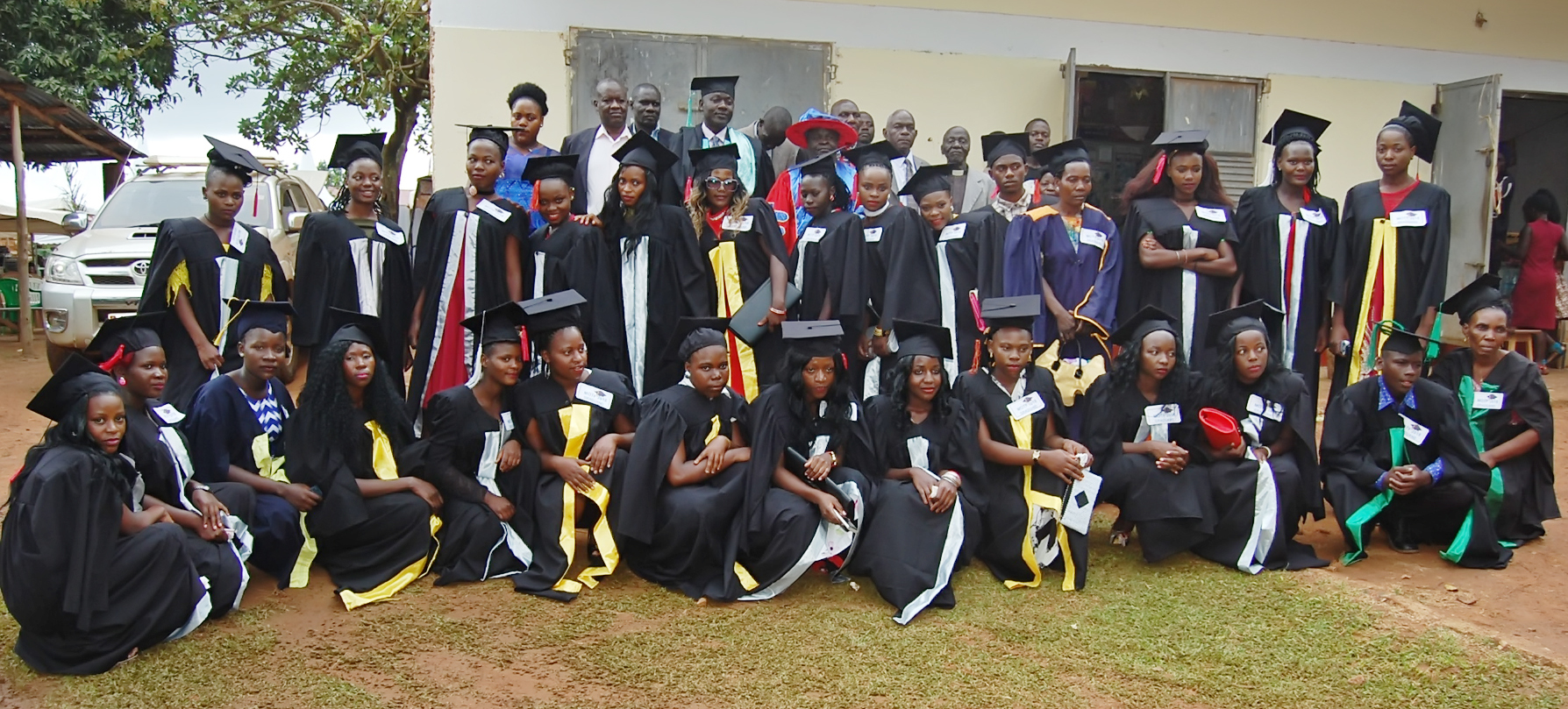
The Mityana Open Troop Foundation held this year’s graduation on 18 November 2018. Robinson Nsumba Lyazzi, the director of Basic Education, Uganda Ministry of Education, presided over the graduation and commissioned 71 graduates:

  • 28 in sewing/tailoring
  • 40 in hair dressing & weaving
  • 3 in motor vehicle mechanics


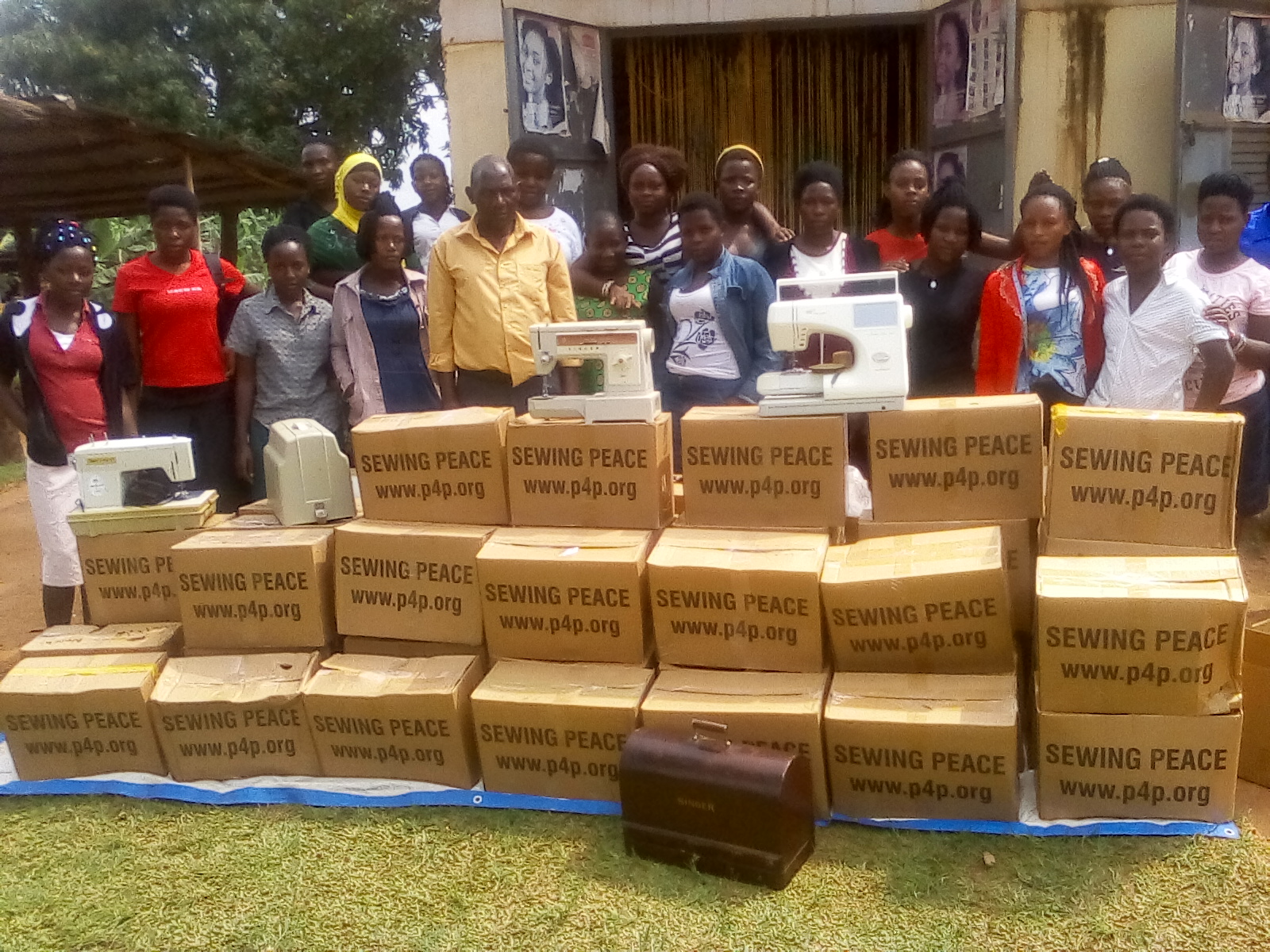
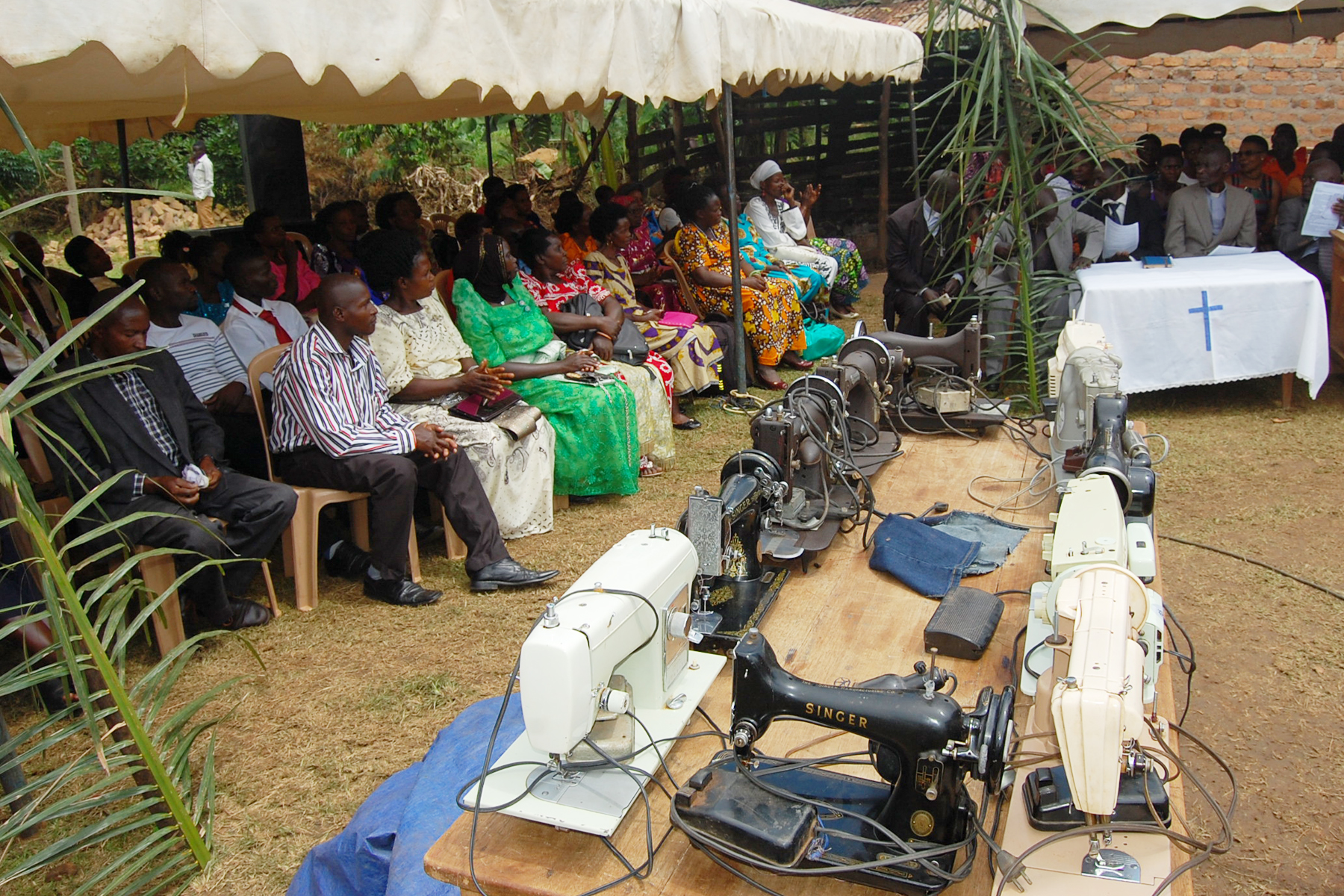
All graduates were awarded certificates and each sewing graduate was given a nice sewing machine from Sewing Peace U.S.A. The function was witnessed by over 600 guests, trainee parents, and government officials.

Achievements:

  • Conducted the 7th Project Graduation Ceremony and commissioned 71 trainees.
  • Completed the construction of the Girls dormitories / hostels, with funds from selling some of the sewing machines from Sewing Peace U.S.A.
  • Opened a shop in our town, where we are selling sewing machines and bikes from Pedals for Progress / Sewing Peace U.S.A.
  • Started this year training Agriculture lessons, at our project.
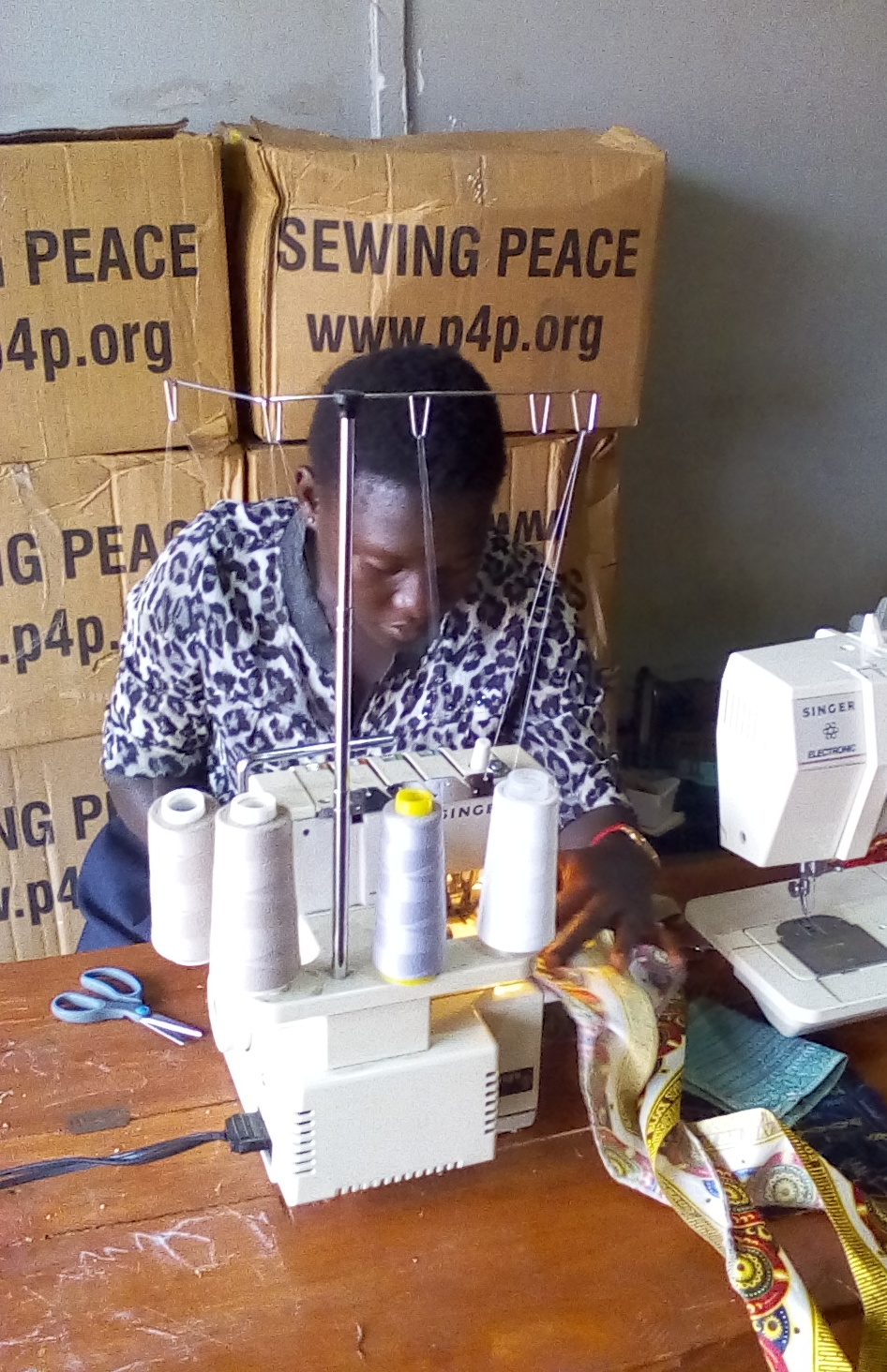
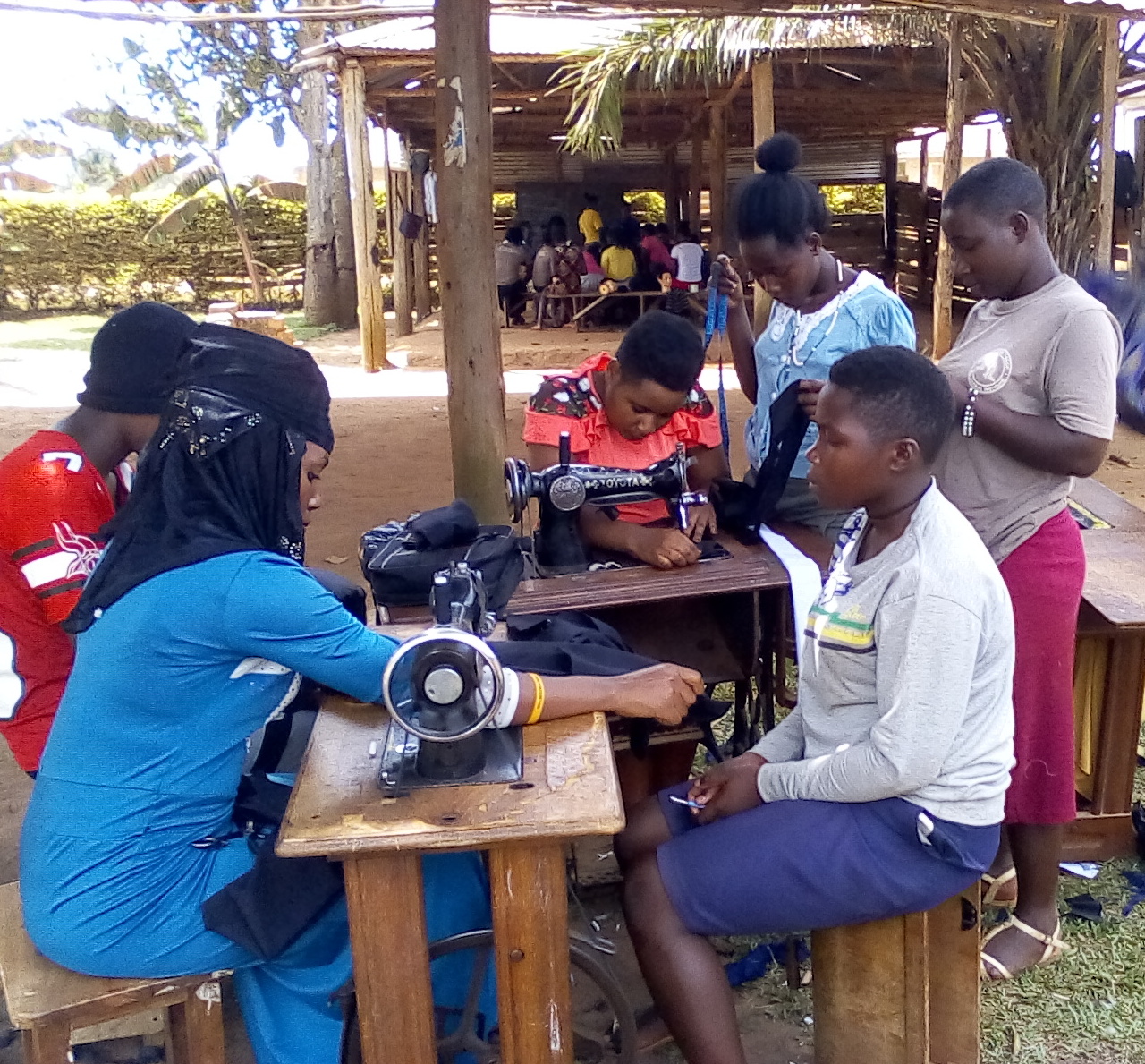
  • The Sewing department is well equipped with sewing machines from Sewing Peace. We experience mechanical problems every day, as learners operate the machines the other way round! But we call the servicing man to repair them, and we are trying to train our youths to fix them when problems arise.

Challenges:

  • Insufficient classrooms at the vocational project! The one existing room (10 ft by 20 ft) can’t accommodate the large number of trainees. Some trainees in the tailoring/sewing class study under tree shelters, while the hair dressers study in the outdoor shelter, where they get soaked when it rains, as there is nowhere to go!!!
  • It is still a challenge to raise shipping costs and pay customs charges for the sewing machines from Sewing Peace. That’s why we have to sell some of them to the communities to enable us cover the shipping costs and customs charges.
  • The project shop where we sell our sewing machines and other sewing services lacks an embroidery machine that can design school badges and name tags. In our district, including the surrounding 6 district, there is no embroidery machine, yet there are many schools that have to travel over 80km to Kampala in search of embroidering services.

Appreciations:

  • Many thanks goes to Mr. David Schweidenback, Pedals For Progress / Sewing Peace, and all its donors, for sending sewing machines of high quality. These machines have allowed us to have one machine per student for hands-on training in our sewing workshop, whereas previously we had one machine per 5 students. Furthermore, the donated sewing machines have supported project activities, such as paying some teachers, completing the construction of a girls’ hostel, and start-up tools for the project graduates. Please, Long Live Pedals For Progress / Sewing Peace.
  • We extend our thanks always to Mr. Christopher James Eldridge, who supports a number of activities at our project.
  • We thank the Government of Uganda, Ministry of Education & Sports, for having sponsored some disadvantaged youths in our programs.
  • Thanks go to Kolping Mityana Women’s project, Namutamba Child Development Program, and Fields of Life for sending orphans and vulnerable children to our vocational project.

Way Forward:

  • Constructing at least 2 classroom block, to accommodate more trainees, and to store tools.
  • Acquiring an embroidering machine, which can help generate income towards sustaining project activities.
  • Starting poultry farming, as chickens are rare and expensive in Uganda, yet need little space and produce profits quickly. We are also looking forward to introducing a chick hatchery machine to supply the 7 surrounding districts.

In conclusion, I especially thank very much Pedals For Progress, who made this year’s Vocational Graduation Ceremony colorful, by having donated many nice sewing machines, which we gave to the graduates. We extend thanks to all U.S. donors and volunteers involved in donating and refurbishing the sewing machines. Our trainees use the machines to generate income for food, housing, and medical care. These machines offer a new life and a better future for our trainees and their families.

Finally, I thank all those who have supported the Mityana Open Troop activities this year, especially Mr. Christopher James Eldridge, the Government of Uganda, and charities sponsoring orphans at our project.

God Bless You All.


Postscript to the 2018 GMRPCVs FedEx Shipment

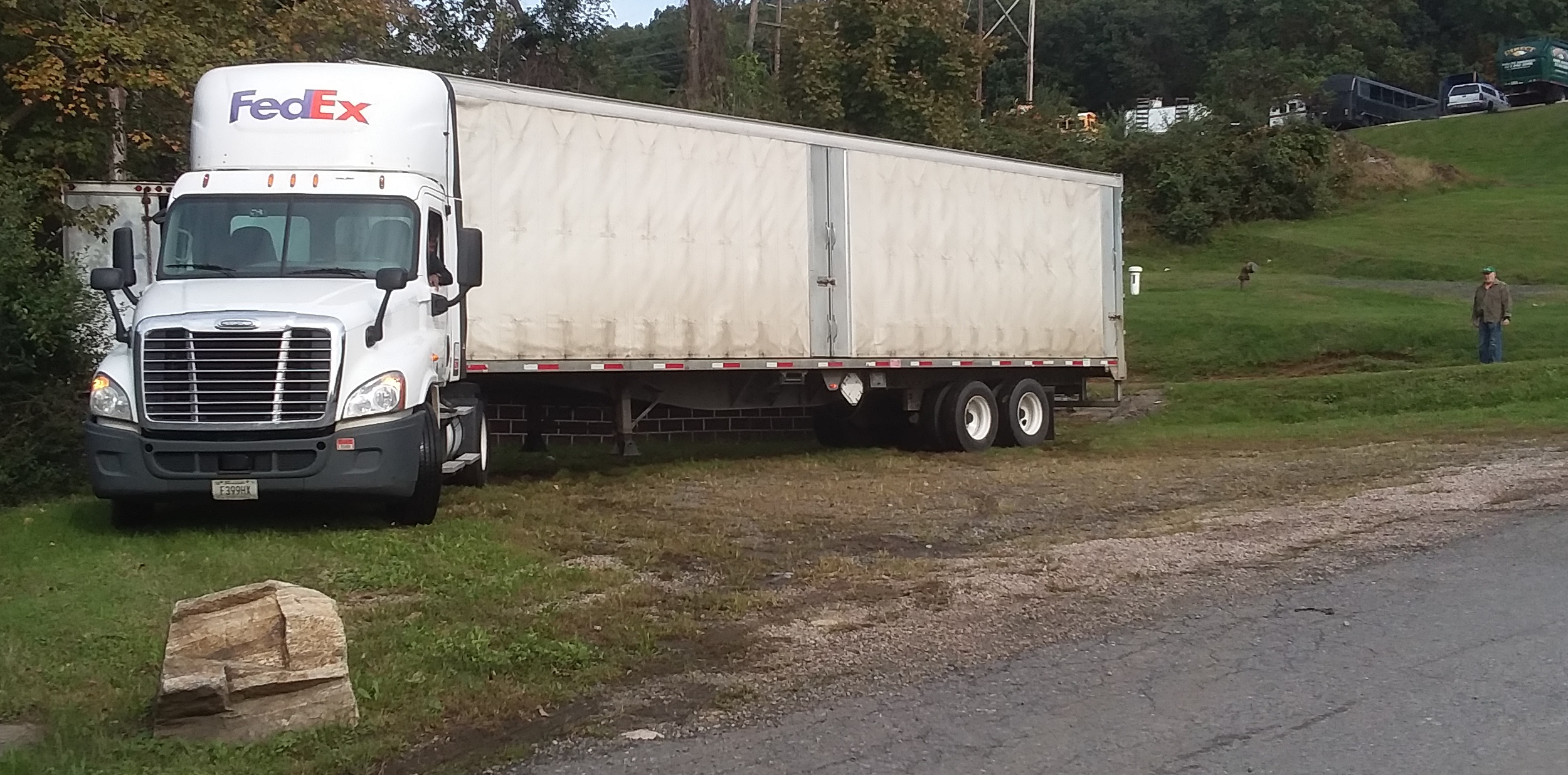
On October 16, 2018, the FedEx truck from the Green Mountain Returned Peace Corps Volunteers got to the P4P trailers in Glen Gardner, New Jersey.


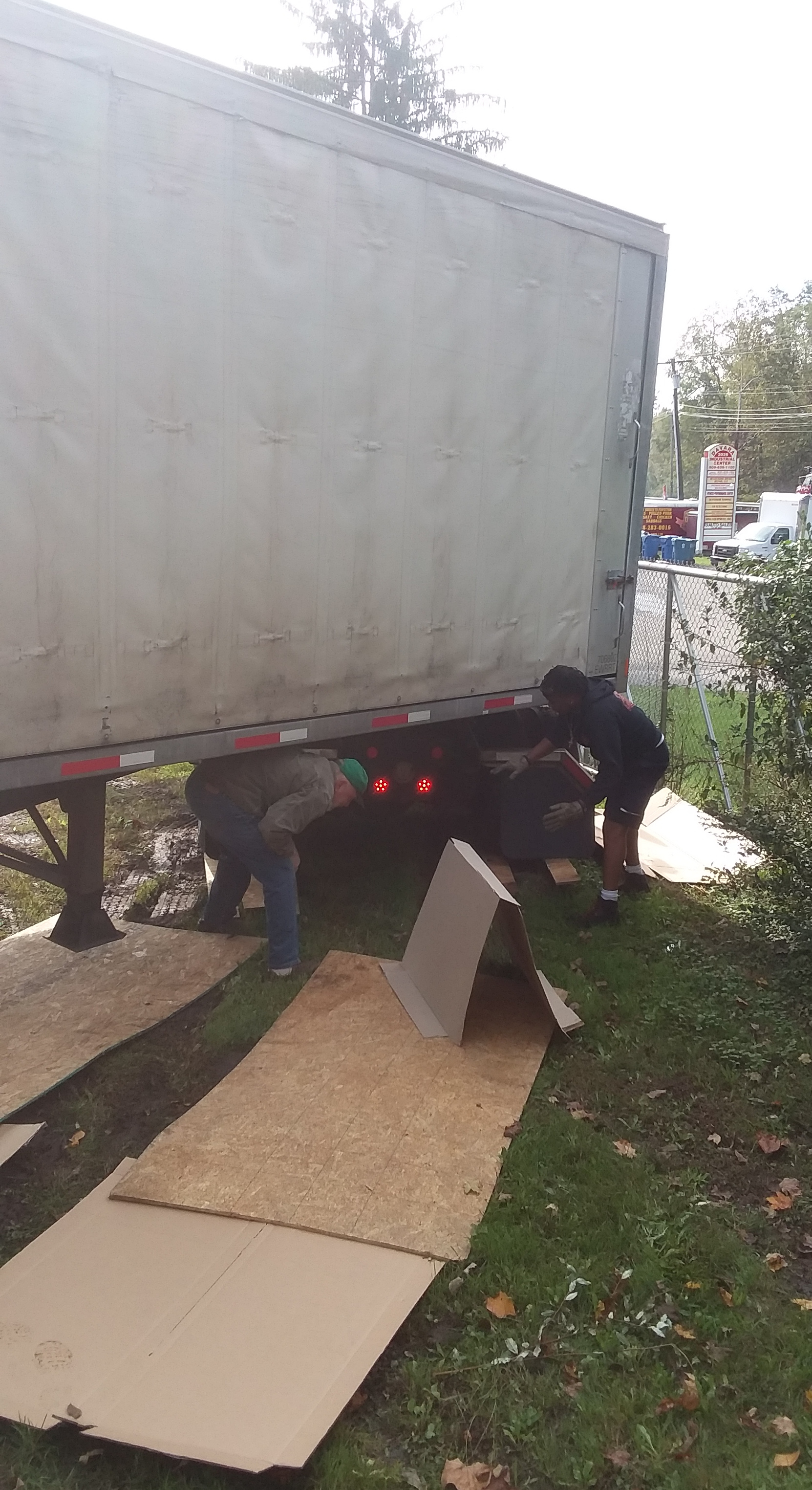
We had our regular driver and he is highly skilled. We were perfectly happy with his first try to park the truck next to our loading dock, but he was not. He wanted to be closer to the dock to make the unloading easier.

When he tried to get closer, though, he got stuck in a hidden low muddy spot in front of the trailers—wheels spinning, mud flying, truck not moving. I was sure that getting the stuck tractor-trailer out would be a huge problem.


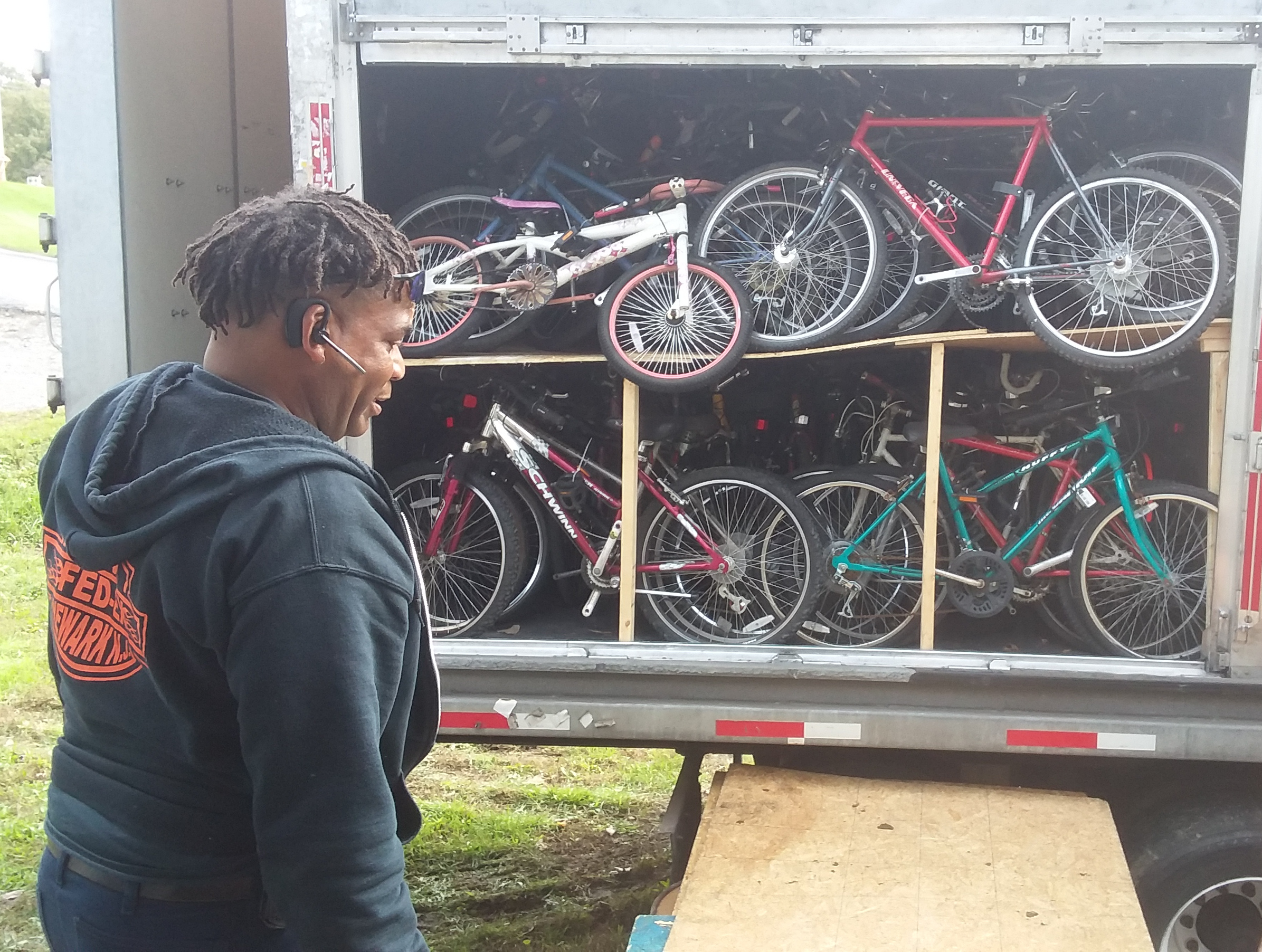
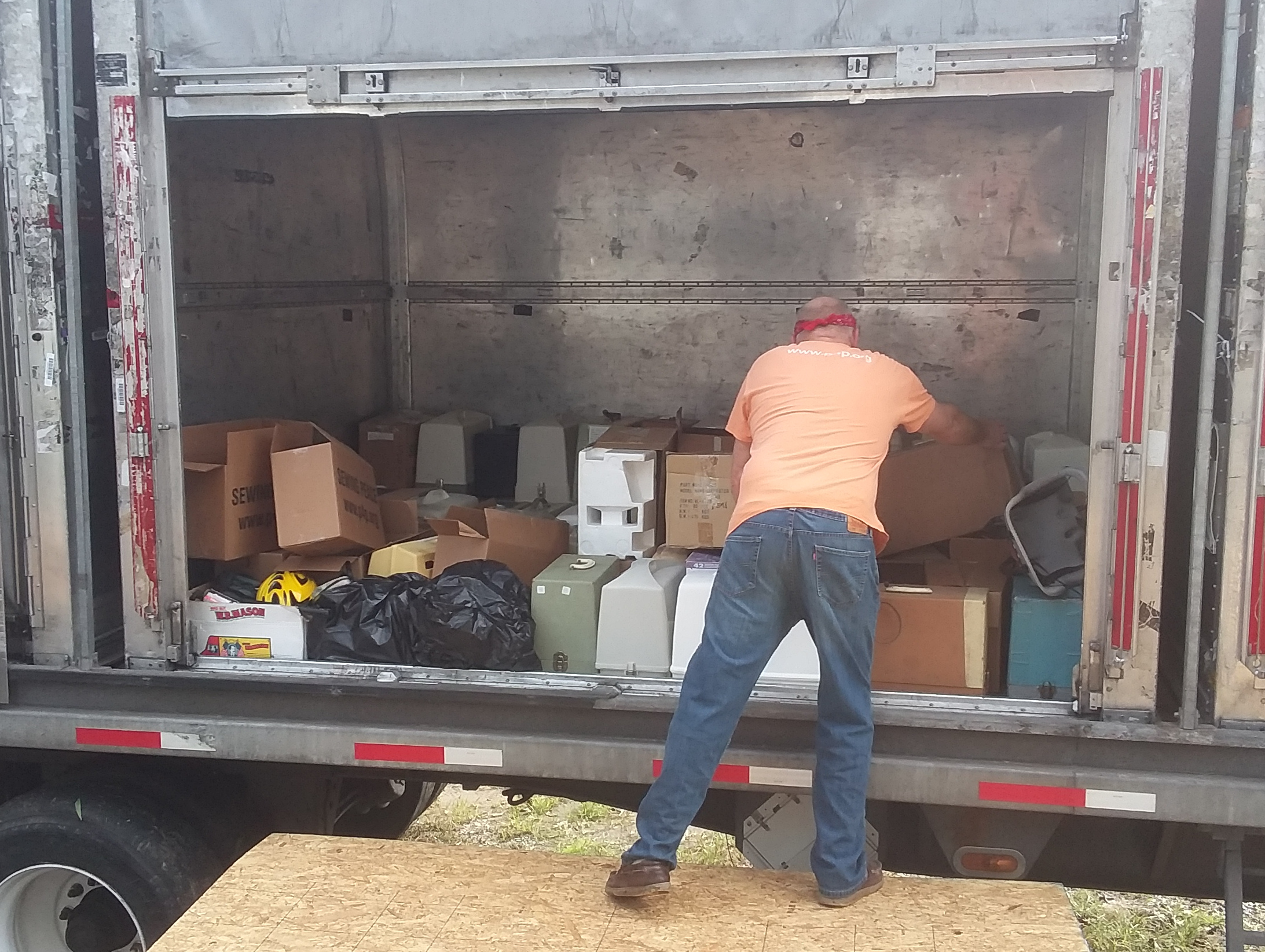
Unloading FedEx truckIn the meantime, we unloaded the 4 FedEx canisters: 193 bikes and 75 sewing machines.

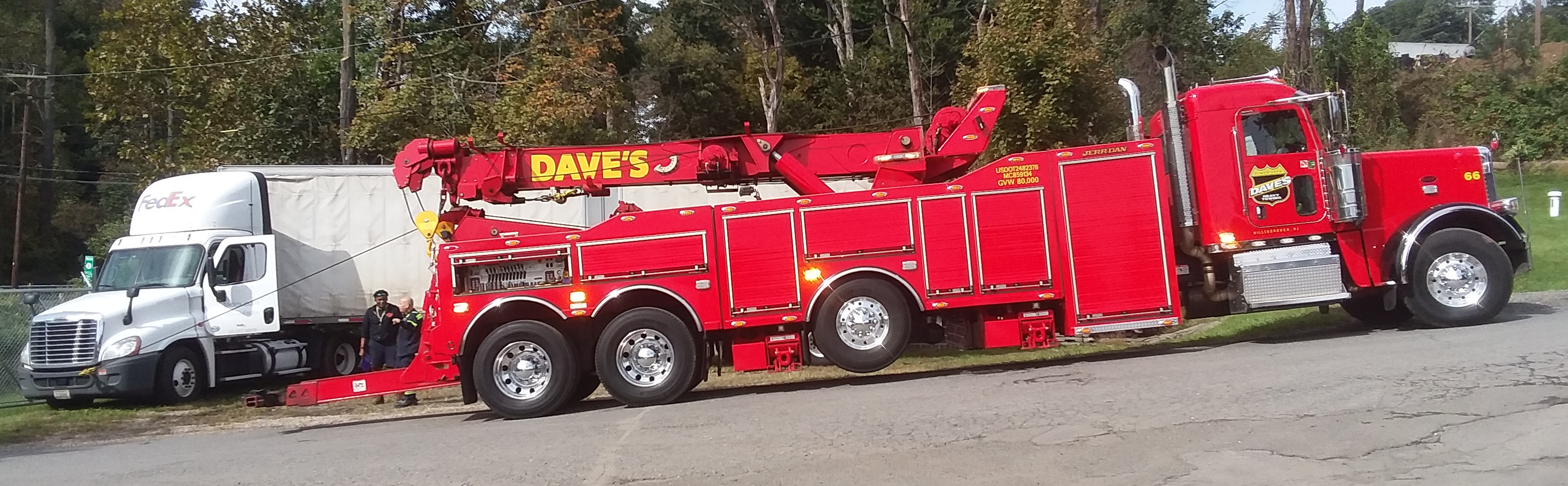
The driver called a local towing company and the biggest tow truck I have ever seen showed up. The two drivers chatted amiably for a few minutes. Then the tow-truck driver hooked up a cable to the FedEx truck, flipped a lever on the tow track, and winched the FedEx truck to the asphalt in about 15 seconds. The tow truck never moved. What problem?


Report from Vermont, Fall 2018

By Joanne Heidkamp
Fall 2018 InGear/InStitch

[The partnership between the Green Mountain Returned Peace Corps Volunteers and P4P goes waaaaay back. They started their P4P collections in 1999. Twelve years later, they wrote this Recipe for Collecting Bikes. In 2014, they collected their 3000th bike. Now, in fall 2018, they sent us another truckload of bikes and sewing machines. Here’s the report.]


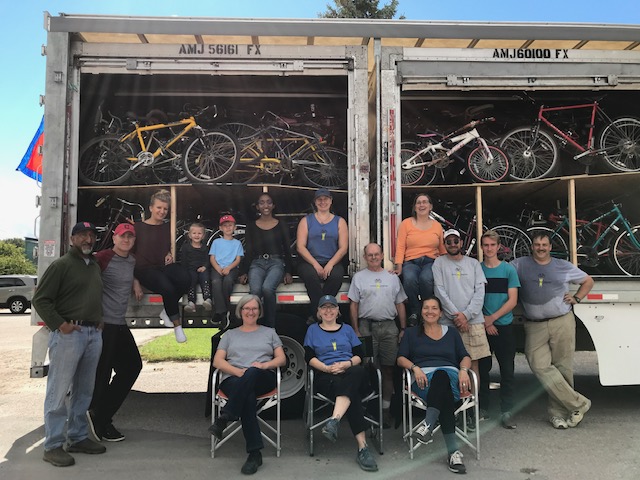
Our 2018 collection on Saturday September 29th was successful. We loaded 193 bikes and 75 sewing machines into 4 FedEx containers.

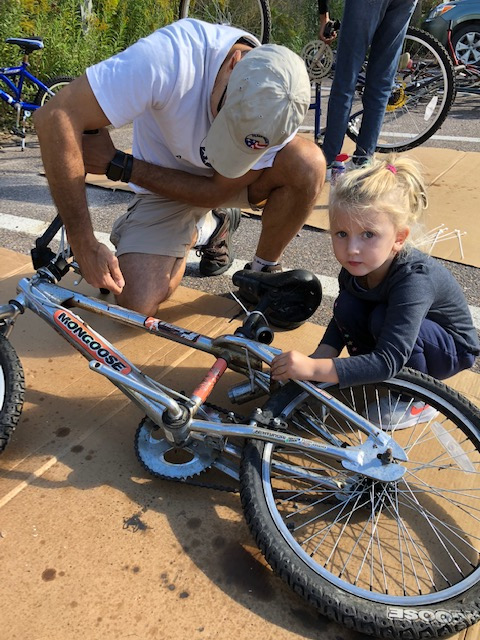
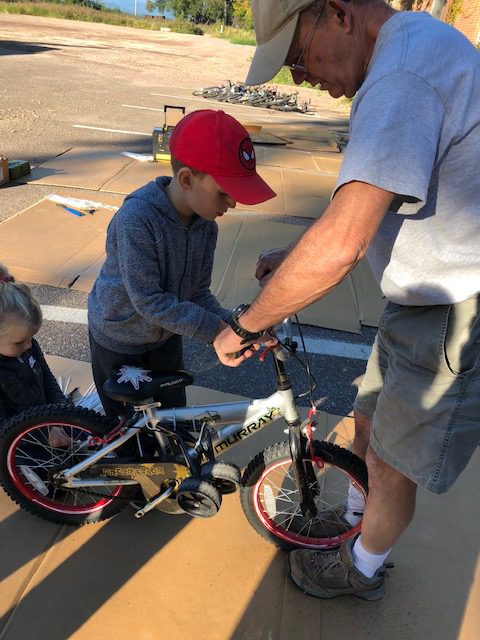
The two miniature bike mechanics Noah (age 5) and Melek (age 3) arrived at 8:30 a.m. to donate Noah’s outgrown bike. They stayed on, with their parents, until we closed up the truck at 1:30. They never stopped working. They strapped pedals to the frames, they greeted people bringing bikes and sewing machines, and they looked everyone straight in the eye and said, “Will you be donating $10 for shipping by check or with cash?” Quite a few people ended up donating extra.

Unfortunately, the quality of bikes is down this year. About 100 of the bikes came from some rural churches that held mini-collections—even after we eliminated the bikes with obvious rust, there are still quite a few marginal bikes in the load.

We are also feeling the impact of Old Spokes Home, a local bike shop plus non-profit that has expanded considerably in the past couple of years. They hold several big collections a year. At this point they are probably skimming 500–800 high-quality bikes a year from the local donation pool. It’s hard for us to compete with their impressive local accomplishments in providing transportation and skills to local teens, refugees, people who can’t drive or don’t have cars, guys on parole, etc. It’s an excellent project. They have donated bikes to P4P when they have a surplus. They get bikes from college campuses in the spring, and from local police departments—both are sources we can not tap into because we don’t have storage, and we don’t want to have to fundraise the $10 per bike.

We also loaded 4 cases of brand new bicycle seats donated by Terry Bicycles, a women-focused bike clothing and accessories company located in Burlington. Our contact at Terry is Colin Sturgess, the operations manager. Colin was the manager at FedEx who first provided us free shipping to New Jersey, back around 2000. He saw our truck in the KMart parking lot last year and left a note sending good wishes. We followed up, and this year he invited us to do outreach at Terry’s annual tent sale in August, and made the offer of donated bike seats as well.

The quality of the sewing machines is up. Half of the machines were collected by Mary O’Brien in Springfield, who checks each one carefully before turning them over to us. The other half came in on Saturday—a lot of nice 1980s portables in their own cases, as well as several Bernina overlock sergers, which are fantastic for sewing knits. We also loaded a 1930s Singer with a knee controller.

Mary O’Brien works in solid waste management for the Southern Windsor County Regional Planning Commission, southeast of Burlington. She has been collecting sewing machines for us since 2014. This year she collected 36 machines that she had individually tested. The solid waste district covers the $10 per item. We are in awe of her!


2018 Success Story from Uganda: Agnes Nakabuye

By Mathew Yawe
Fall 2018 InStitch


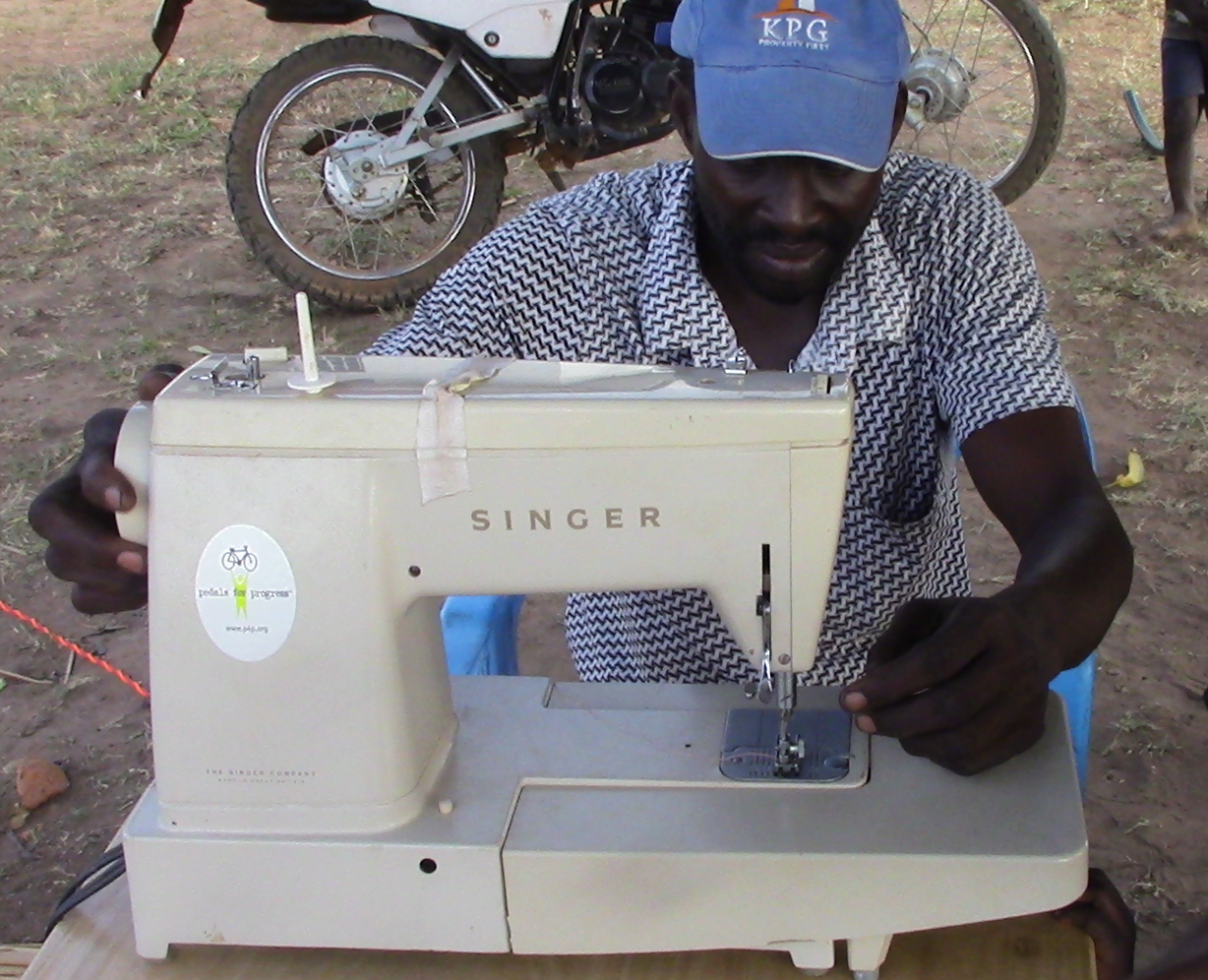
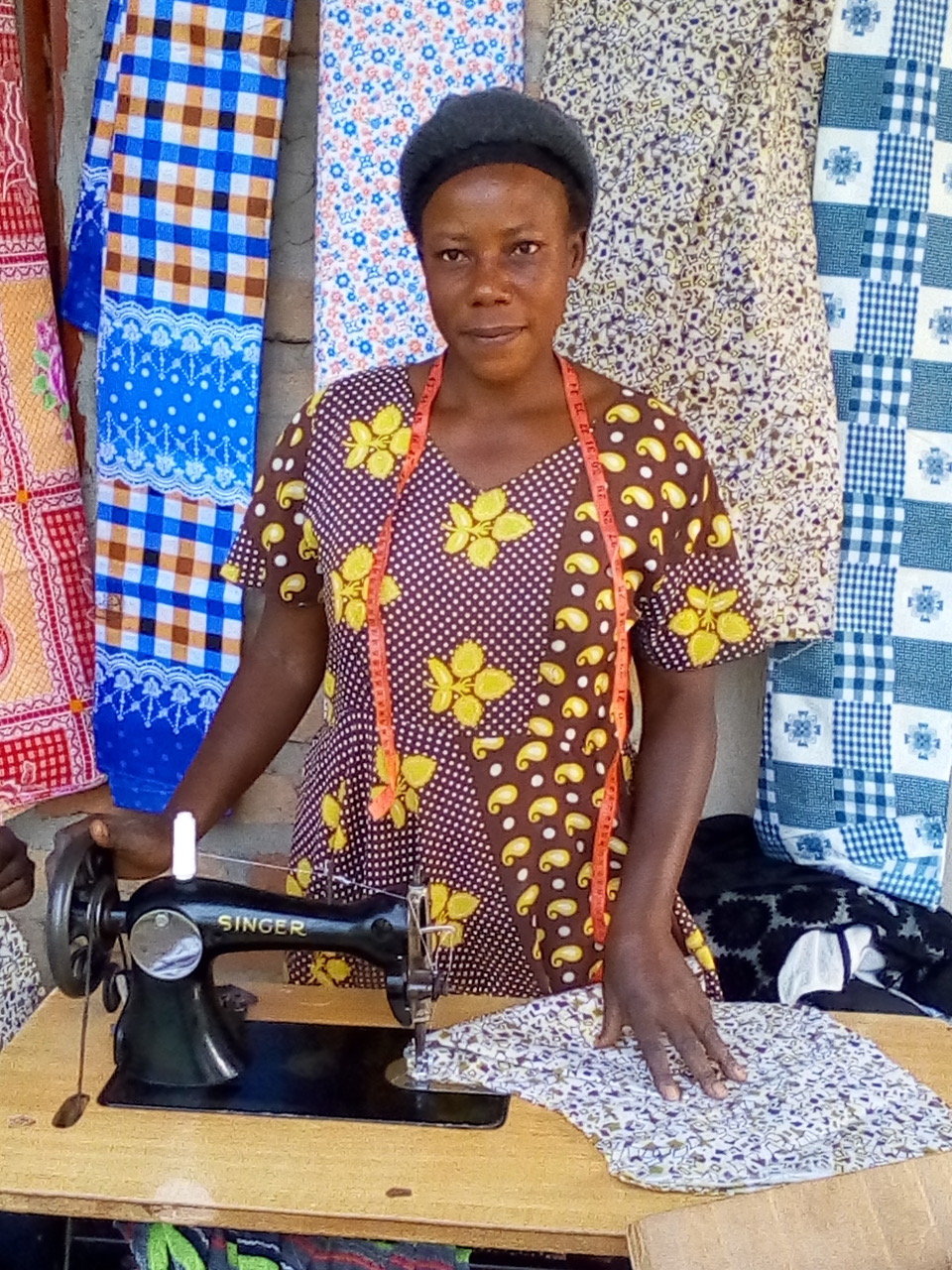
Agnes Nakabuye is a 38-year-old widow and single mother of 4. Our vocational project sponsored her 2 years of training in sewing, tailoring, and fashion design. At the end of her 2-year course, the project gave her at no cost a manual Singer sewing machine from Sewing Peace.

For her business, Agnes hired a space on the veranda in our town of Mityana for U.S. $5.40 per month. She earns daily U.S. $2 to $4 selling second-hand clothes, fitting and repairing clothes, and making school uniforms.

Agnes has managed to save money for renting the room where her family lives, for buying food and medication, and for paying school fees for three of her children. Her first-born is 18 years old in senior six; her second-born is 15 years old in senior four; her third-born is 13 years old in senior one; and the last born, 9 years old, dropped out of school in primary six because Agnes could not afford the school fees.

Agnes has several challenges, and several hopes and dreams for the future.

  • She would like to expand her business, so she would like to be able to afford more material for her tailoring.
  • She would like to be able to afford a better sewing machine: one that can work on tougher fabrics and that has overlocking capability.
  • She would like to be able to rent a shop where she can safely store her customers’ clothes and her sewing machine. As of now, every day she must carry the machine and her materials between her room and her space on the veranda!
  • Ideally, she would like to be able to afford her own property, where she could build a house, grow food, and start a poultry-farming project.

Besides running our training programs, the Mityana Open Troop Foundation has also set up a sewing-machine shop in Mityana Town where schools and tailors can buy high-quality sewing machines at reasonable prices. The profits from the shop help pay our instructors and shipping costs.

We extend our sincere thanks to Sewing Peace for providing the machines that we use in our training programs, that we provide to our graduates in starting their own businesses, and that we sell in our shop to make our organization successful.

Fall 2018: New Partner in Tanzania: the Matabaiki Olere Organization

By Giza Mdoe
Fall 2018 InGear/InStitch

[In October 2018, P4P shipped a container with 469 bikes and 119 sewing machines to our new partner in Tanzania, the Matabaiki Olere Organization. Giza Mdoe is our contact there. Here he introduces himself, his region, and his plans for two projects: one with sewing machines and one with bikes.]


The Matabaiki Olere Organization is based in the town of Arusha, Tanzania. Arusha is a tourist hub, 60 miles from Kilimanjaro, the highest mountain in Africa, and 100 miles from the Serengeti Plains and the Ngorongoro Crater, the world’s largest caldera, home to the world’s only tree-climbing lions. The Ngorongoro Conservation Area also contains the Olduvai Gorge, one of the most important paleoanthropological sites in the world.

I grew up in Kenya, where I was raised by a foster family. They live in Boston now.

Sewing-machine Project: Fabrics of Society (FOST)

 
Fabrics of Society (FOST) is a project for training single mothers in sewing, tailoring, design, and marketing.


The sewing machines will all go into a production line for various items to be sold in country and exported, including to the U.S. At the moment I enroll school drop-outs who are single mothers. We have five sewing machines and the women make sandals as well as clothes. In this country when a girl gets pregnant in school she is expelled and is not allowed back into school even after her child is born, worsening the cycle of poverty.

The girls learn to use the machines free of charge. They take a percentage of the sales. We donate books and supplies to local schools where our girls give testimonials to help with awareness.

Depending on availability of sewing machines and trainers, FOST aims to enroll 180 women in the training program and 20 tailors (who have previous experience). We will hire 2 teachers and 3 training assistants.

The trainees will attend 3-hour classes 3 times a week. The training is done in 4 stages, each lasting 3 months with each stage marking a specific level of proficiency. A small enrolment fee is charged to give the members a sense of responsibility and ownership.

The initiative is done in partnership with VETA, the Tanzanian Vocational Education and Training Authority, who will issue certificates of achievements to the graduates. The project will start in Dar es Salaam and then move to other regions.

Besides technical training in tailoring, the initiative provides basic life skills in health, nutrition and sanitation. Focus is family planning as well as the importance of pre- and post-natal clinics, breastfeeding, balanced diets and personal hygiene.

Bicycle Project: Watu wa Delivery (WWD)


Watu wa Delivery (WWD) is Swahili for “delivery people”. It is designed to create employment for impoverished youth in urban areas. Employees will use bicycles to deliver food to urban residential areas and mail to commercial centers.

I expect to put at least 200 bikes into the delivery business project and sell the rest to raise the U.S. $6000 for our next shipment. Since I have never done such a project before I don’t know how long it will take but am assuming a couple of months.

The program will begin in Mbeya, which has a large population of urban unemployed youth.

The initiative will hire a delivery crew of 1500 and a dispatch and maintenance crew of 500. We will establish 50 Dispatch Centres. Each Dispatch Centre will have 10 bikes and each bike will be assigned between 2 and 3 delivery persons to work half- and full-day shifts according to their availability.

WWD will also establish telecom, internet, and networking services. Examples of these services are low-cost mobile calls and texts, marketing for sellers, a mobile app and a WWD website for buying, selling, and customer rating of sellers.

Besides job-specific activities, WWD will conduct monthly outreach programs for youth providing education on sexual health, drug abuse, youth rights, hygiene, health and nutrition, environment, vocational training and accelerated learning options.