Category Archives: Sewing Partners

Report from Kenya, Fall 2018

By Tom Ademba
Fall 2018 InStitch

[In March 2018 Sewing Peace made its first shipment to Aid the Needy in Homa Bay, located on the eastern shore of Lake Victoria in Western Kenya. The shipment of 72 sewing machines arrived in June. It was funded in part by the William and Helen Mazer Foundation of New Jersey.]


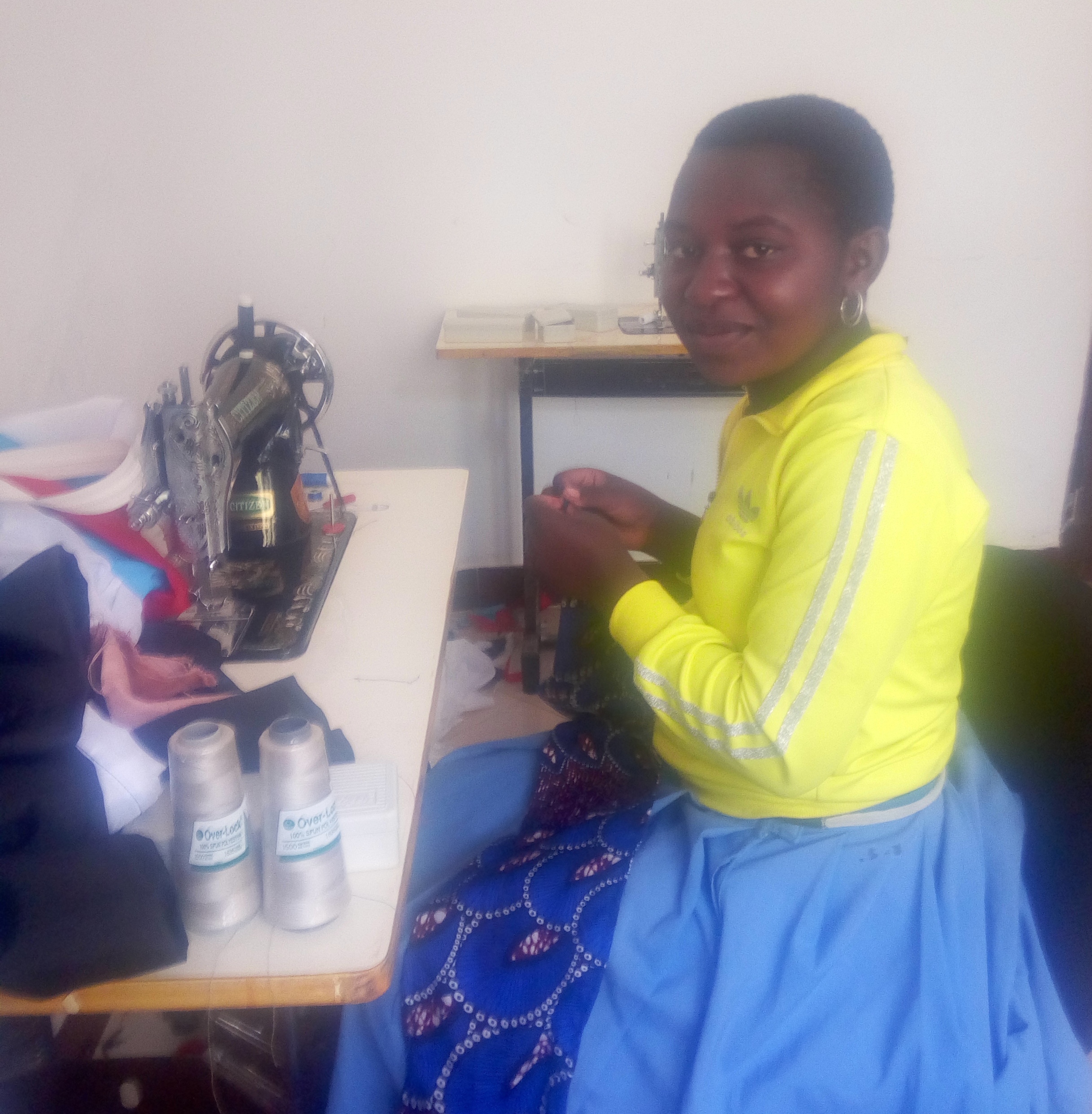
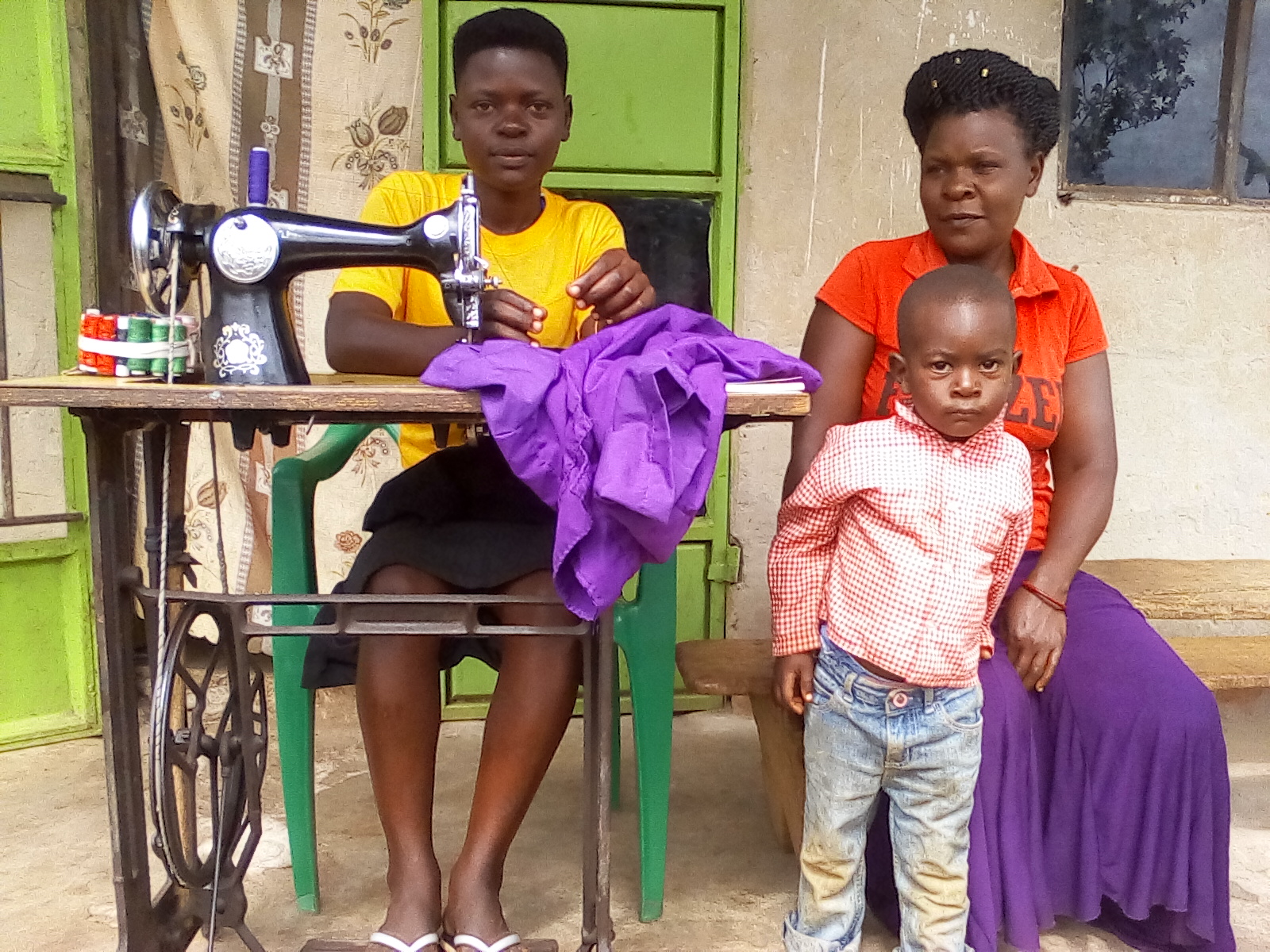
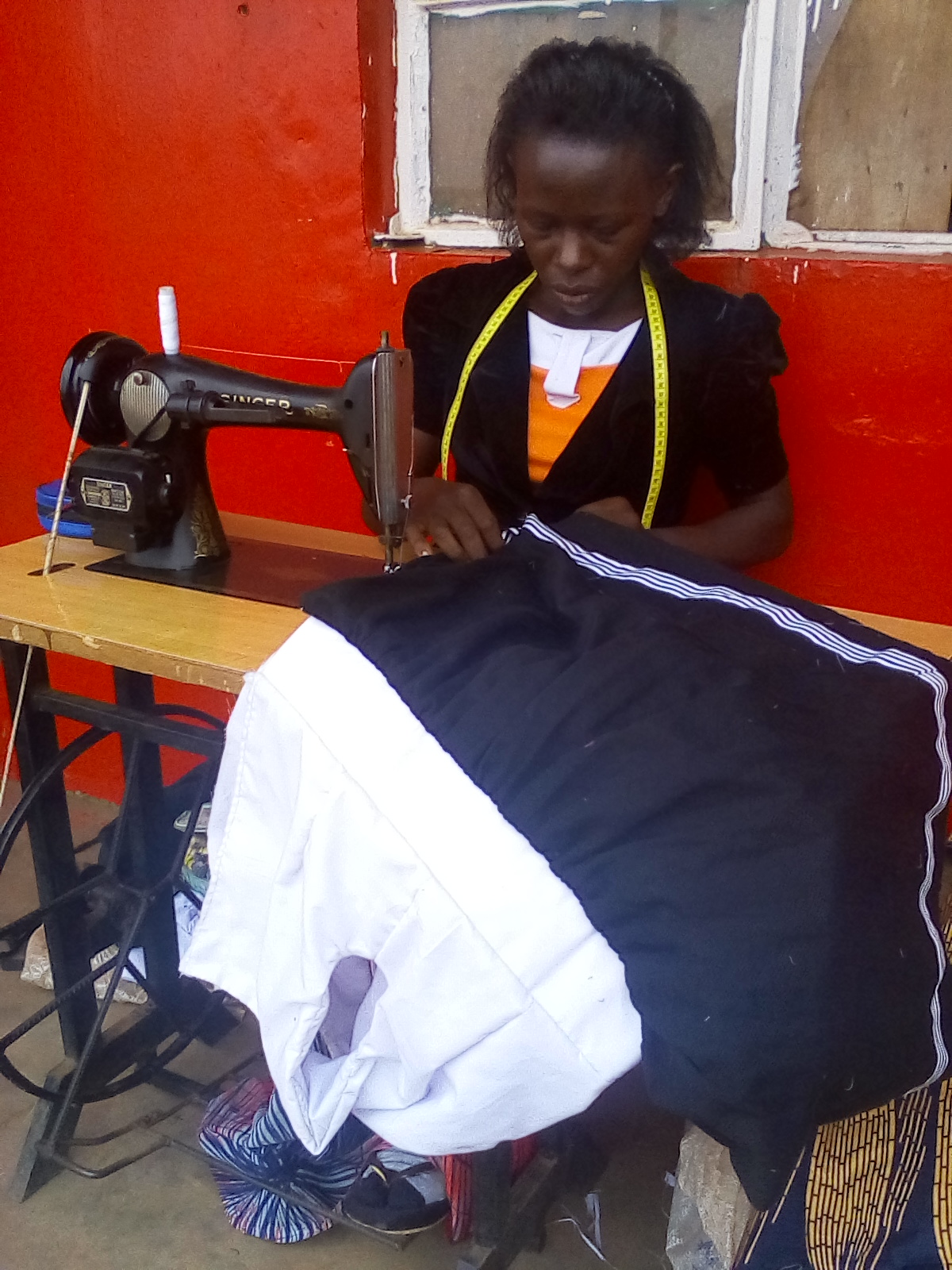
One of the beneficiaries of our first SP project in Kenya is a group called the Maseno Deaf Project. This is an organization of deaf people in Western Kenya running small businesses. They requested Aid The Needy to support them with a few sewing machines. They are making school uniforms, and designing various household garments that they sell to support their families. The group has 36 members working towards economic development.

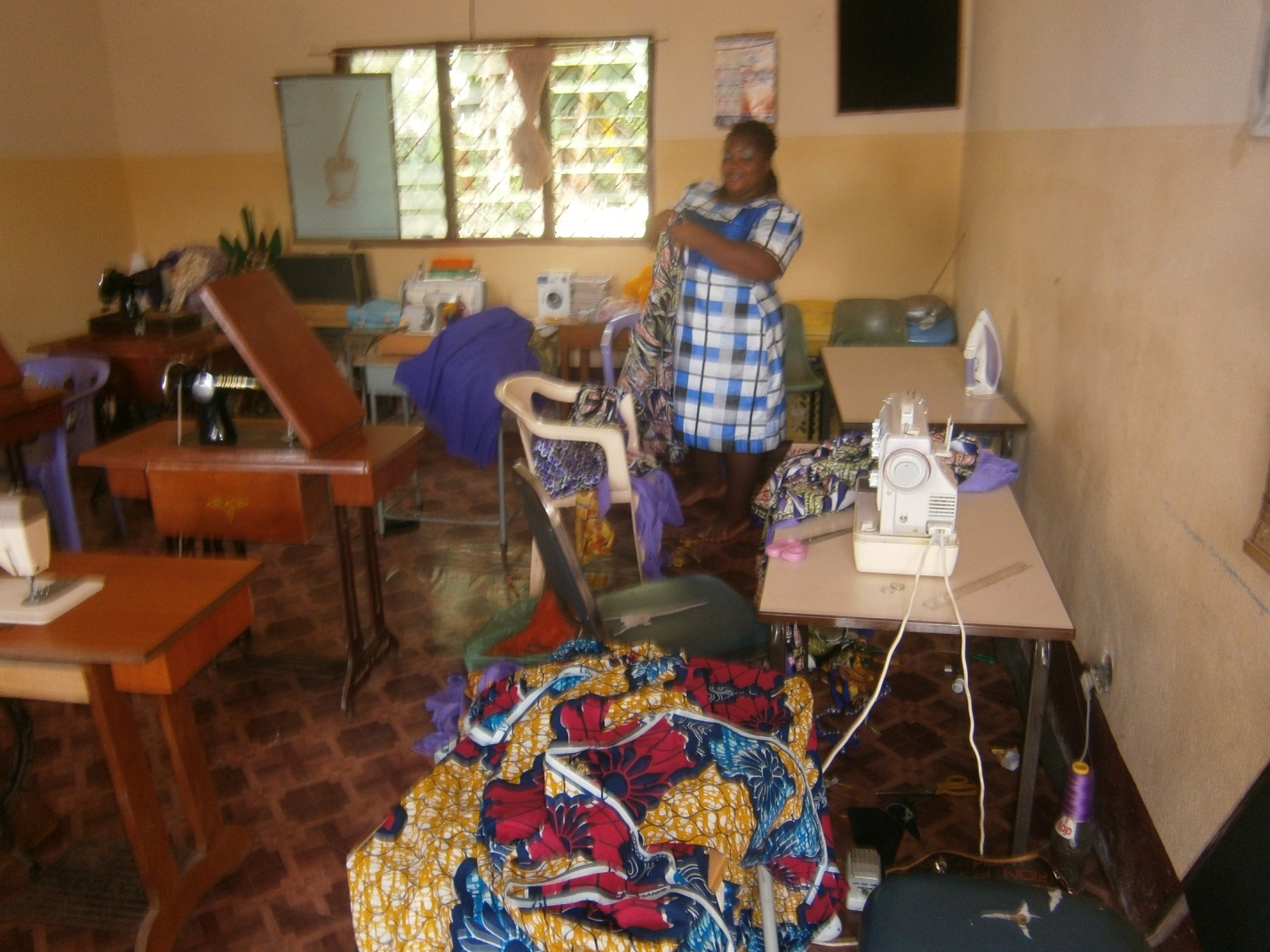
Another Aid the Needy project is at the Atela Secondary School, where they use sewing machines in their Home Science classes. Atela Secondary School is a rural institution supporting education of young people from the smallholder farming communities in Rachuonyo District, Homa Bay County, Kenya. The school has a Home Science curriculum where sewing machines are a critical part of the syllabus. They now have good machines that support their classes.

Mother Teresia Van Miert, in Oyugis town, is a school run by the Franciscan Sisters supporting education of young children. The School has more than 300 children. By regulation, the school children must have uniforms. With SP sewing machines they are able to produce the uniforms within the school and make them affordable to the parents.

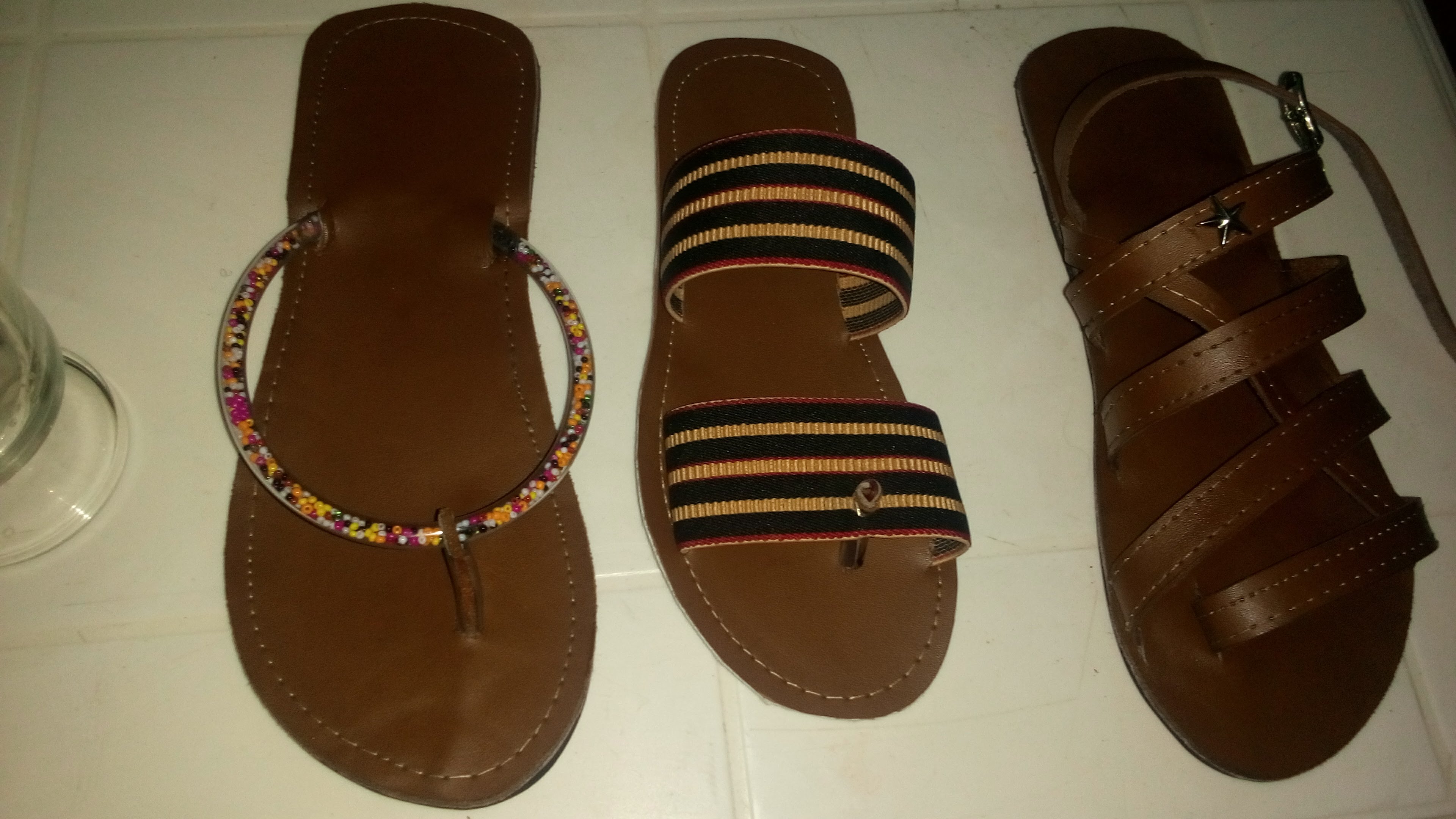
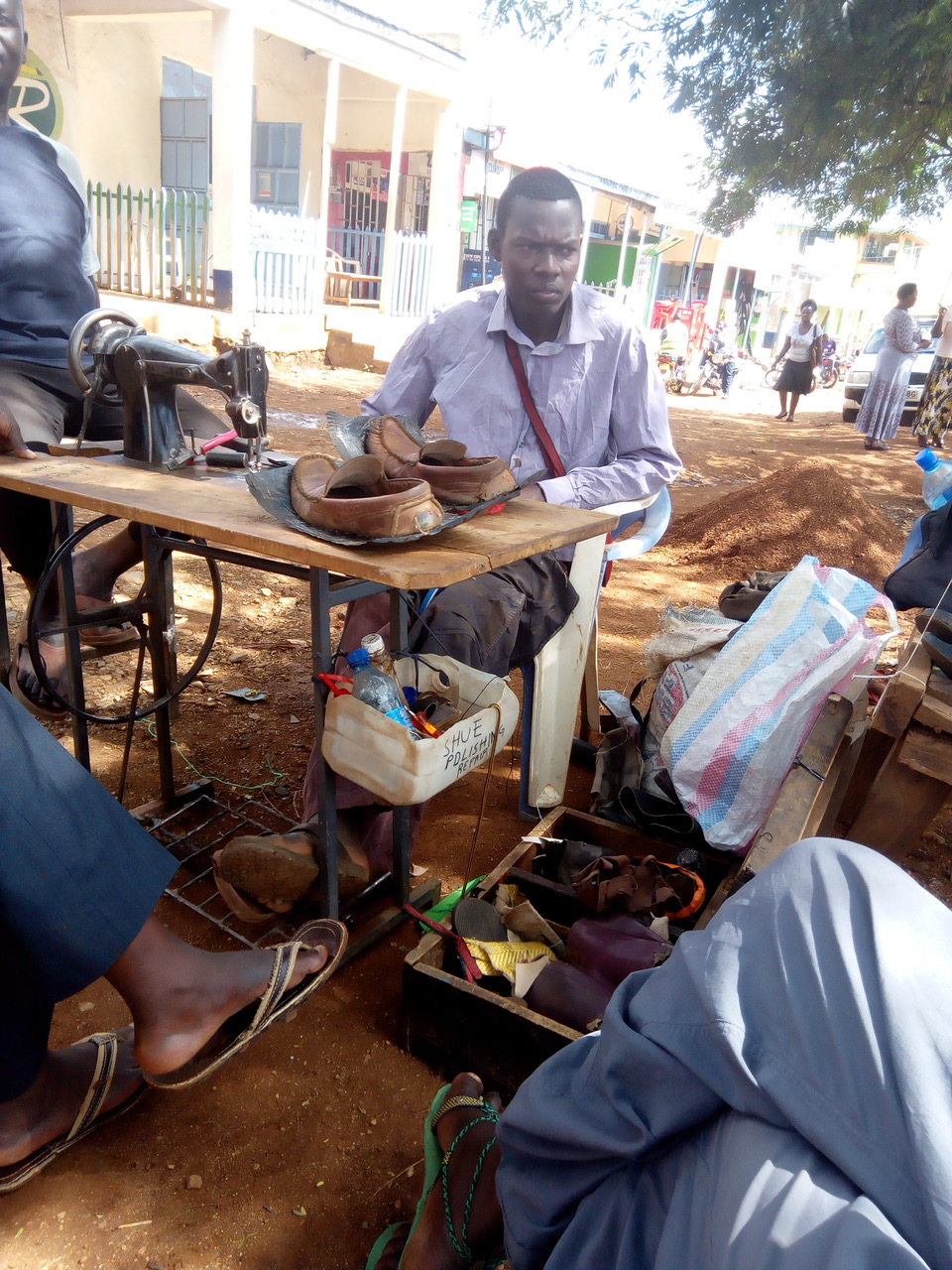
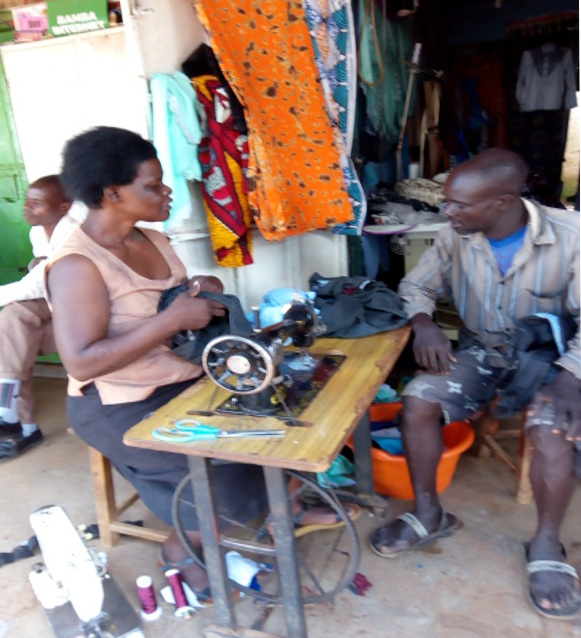
Luke is a cobbler who repairs shoes and bags, including lots of school bags. He also designs footwear from car tires. He does it so well that with only a few tools he earns good money. He purchased one machine that can run both manually and electrically. He operates under a shade tree in Oyugis Town, Homa Bay County, Kenya.

Report from Ethiopia, Fall 2018

By Samson Tsegaye
Fall 2018 InStitch

[In July 2017 we shipped 72 sewing machines to our partner in Ethiopia, Stiftung Solarenergie—Solar Energy Foundation. Import and logistical problems slowed the program. But we just got this report from Country Director Samson Tsegaye; the training has begun.]


Dear David,

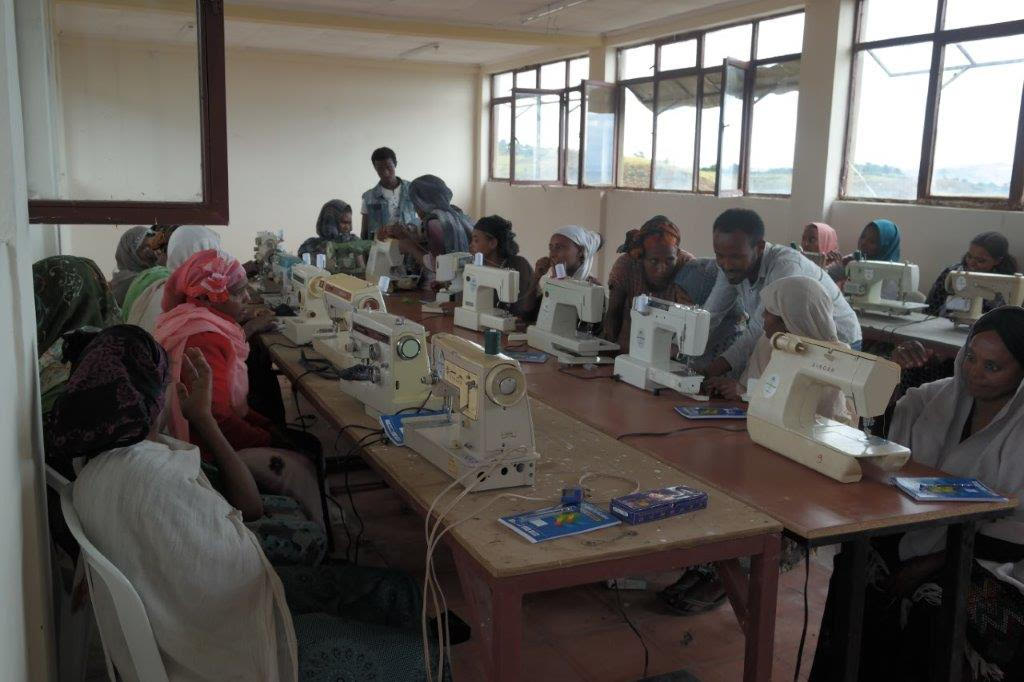
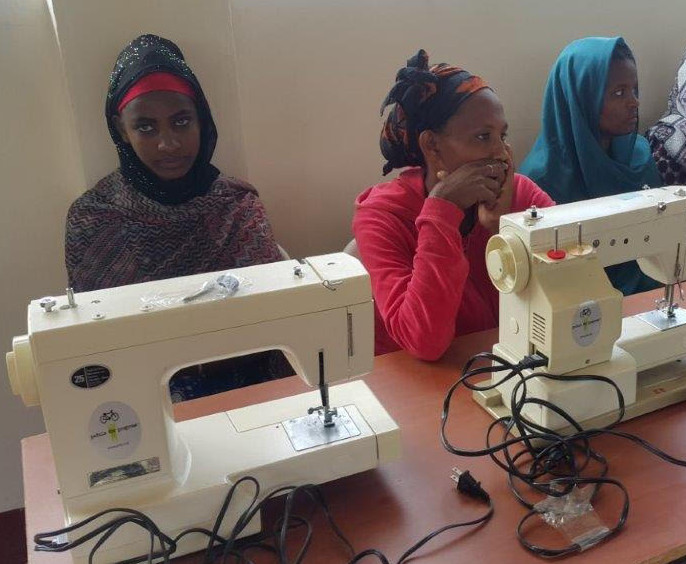
Finally I managed to start the sewing machine training for 25 women. I am so happy to inform you of this. It was so challenging to get this far.

They will have 21 days of training on sewing technique and then they will receive one sewing machine to start their own business.

Thank you so much again for your great help.

Best Regards,
Samson Tsegaye, Ethiopia Country Director
Stiftung Solarenergie—Solar Energy Foundation


In December 2018 we got this report on the successful completion of the latest training session.

Note from Kenya, 21 June 2018

Hello David,


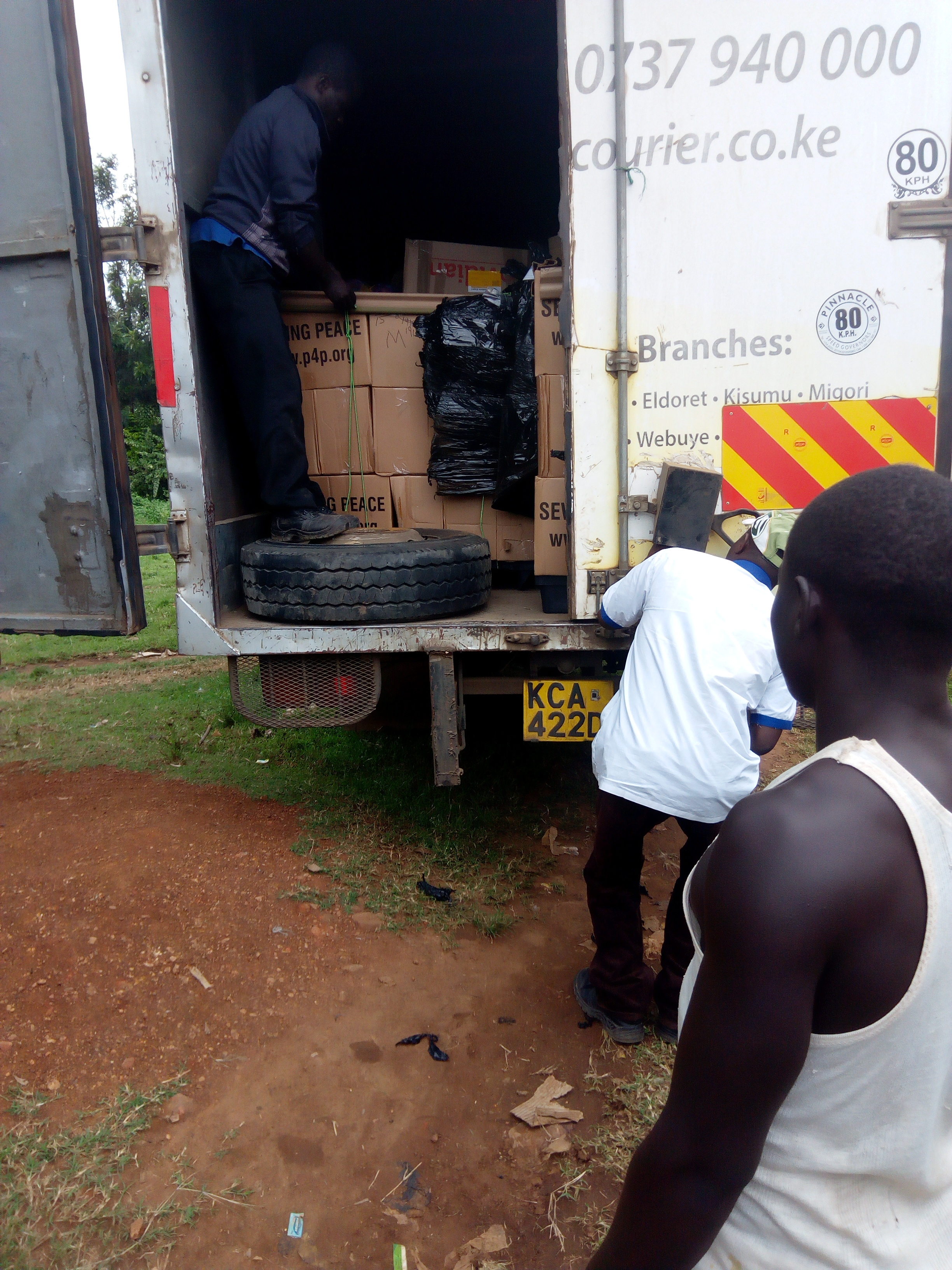
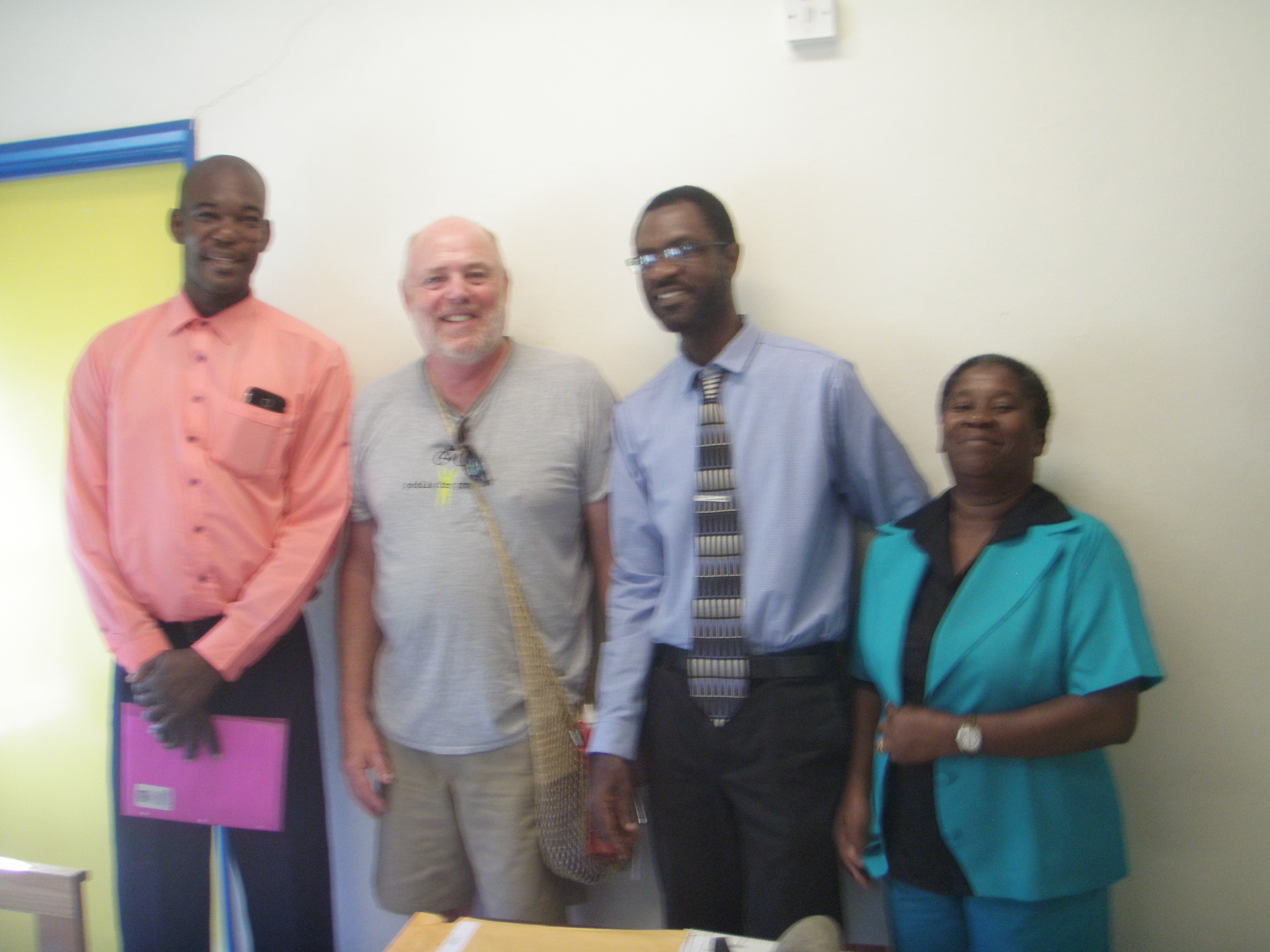
Kind greetings. This is to inform you that today the machines arrived at our project site. Thank you very much.

It took some time as the port was congested. Also the lack of preshipment inspection cost some delays.

Otherwise the machines are of great quality and excitement is all over the community with this great support.

I hereby send today’s reception images as we wait to embark on our program and our reporting on it.

Pass our sincere appreciation for the hands and sweat that went into this magnificent work. We are humbled.

Tom Ademba
Aid the Needy
Kenya

Report from Cameroon, Spring 2018

By Orock Eyong
Spring 2018

United Action for Children and Sewing Peace are implementing a One-Girl-One-Sewing-Machine project in the Buea and Mamfe communities. The project aims at promoting entrepreneurial skills to enable young girls and women to create employment. The program targets young girls and women who are just starting as well as those already established in the tailoring business.

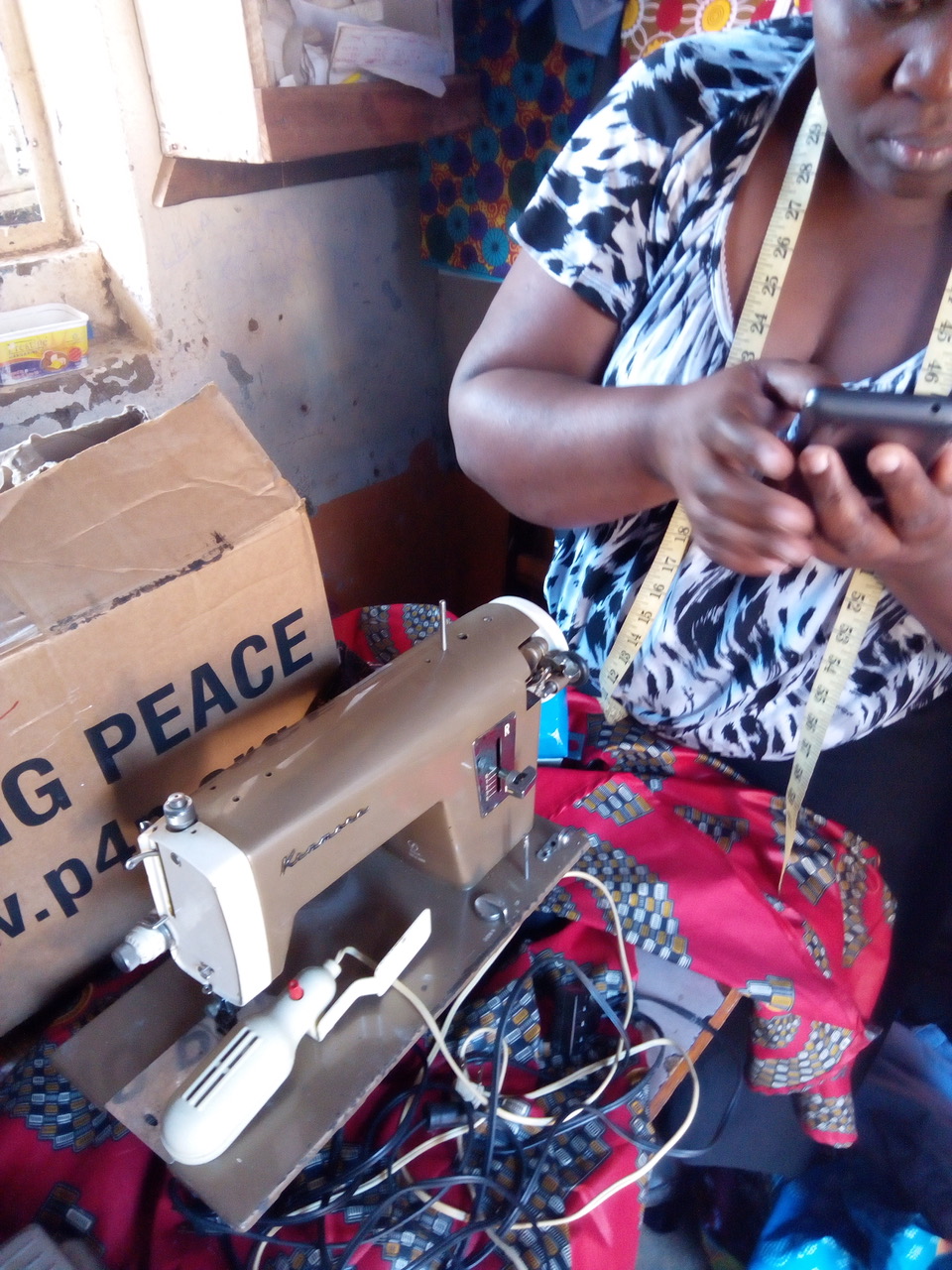
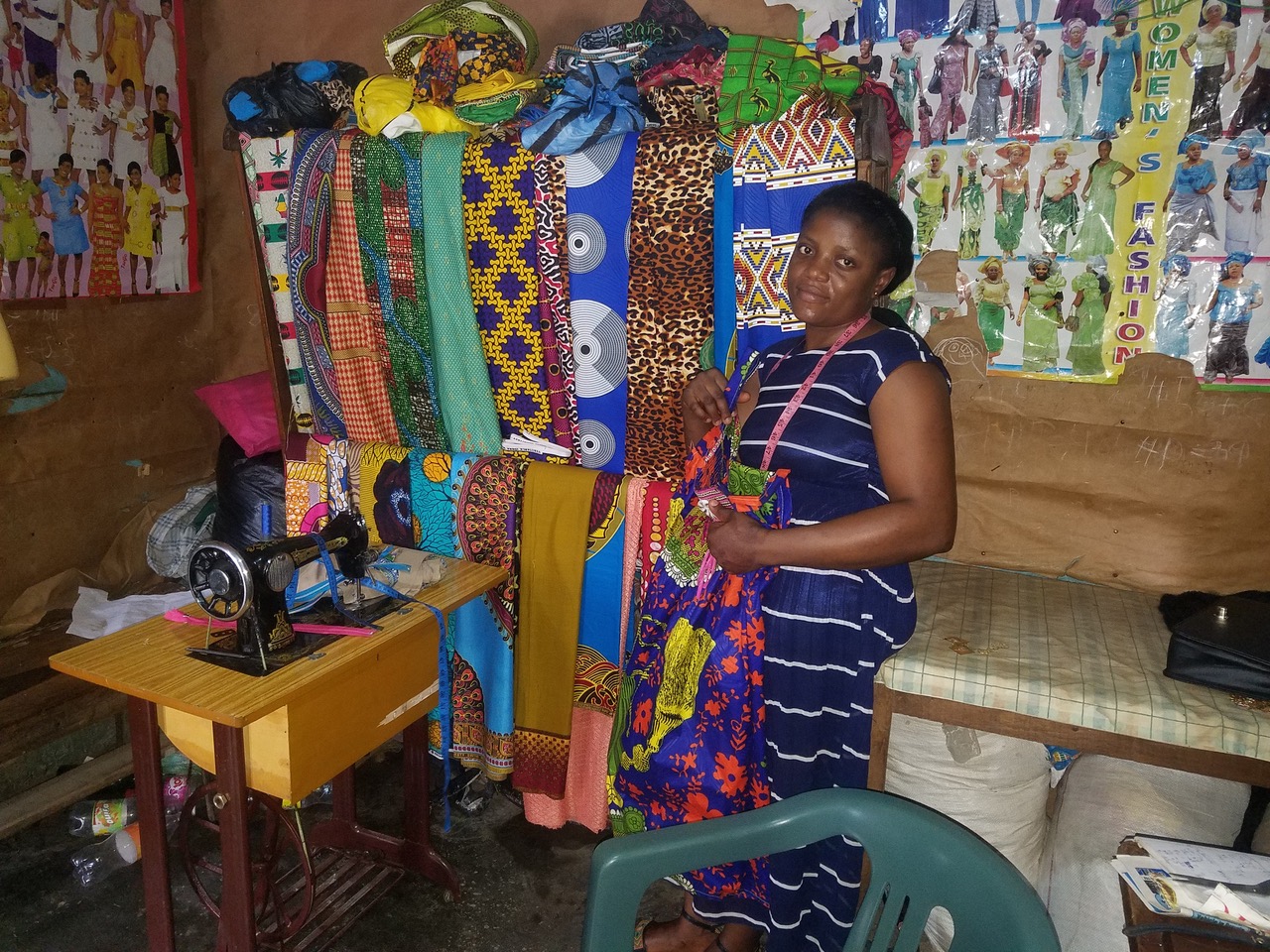
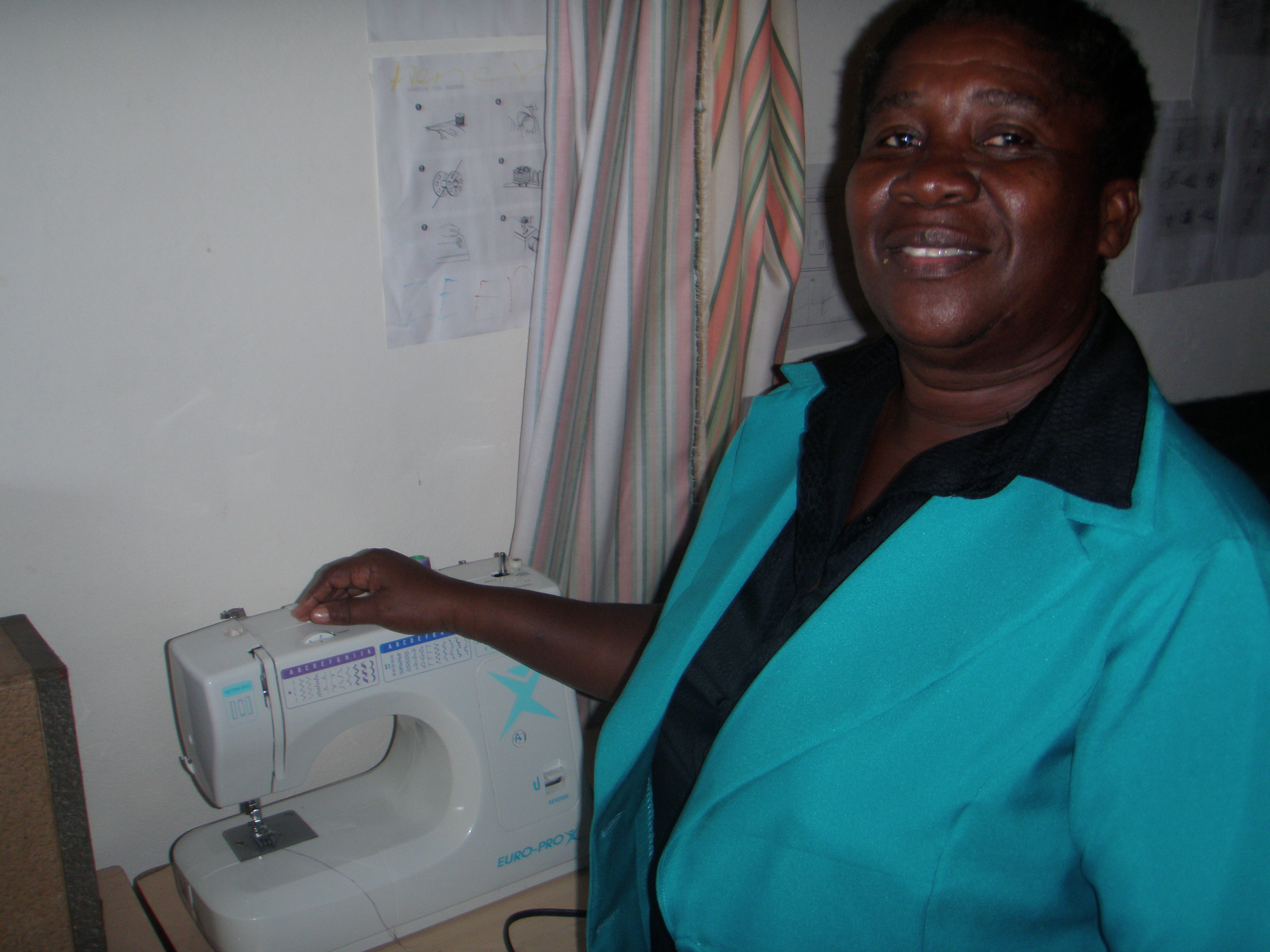
The zigzag sewing machine and other accessories sent by SP are very useful as they give the women experience in specialized sewing with different stitches. Some of the women have added new services because of the zigzag machine. The machine is a great favorite because it allows the women to do quick specialized tailoring while avoiding travel to use other machines that are costly and unreliable.

The stories from our beneficiaries are bitter–sweet. Though they earn a living from tailoring, they missed out on life experiences such as interacting with peers, being taken care of, and education. Such is the plight of many young girls from vulnerable families. They are forced to go into the labour market earlier in life to make ends meet. Since formal education is too costly for them, increasing accessibility to vocational skills is a good alternative. Through coaching, mentoring, and other training they can learn skills such as book keeping, costing and pricing, business planning, health and development.

UAC is excited and proud to bring these stories of the beneficiaries of the project.

Juliet Mungwa

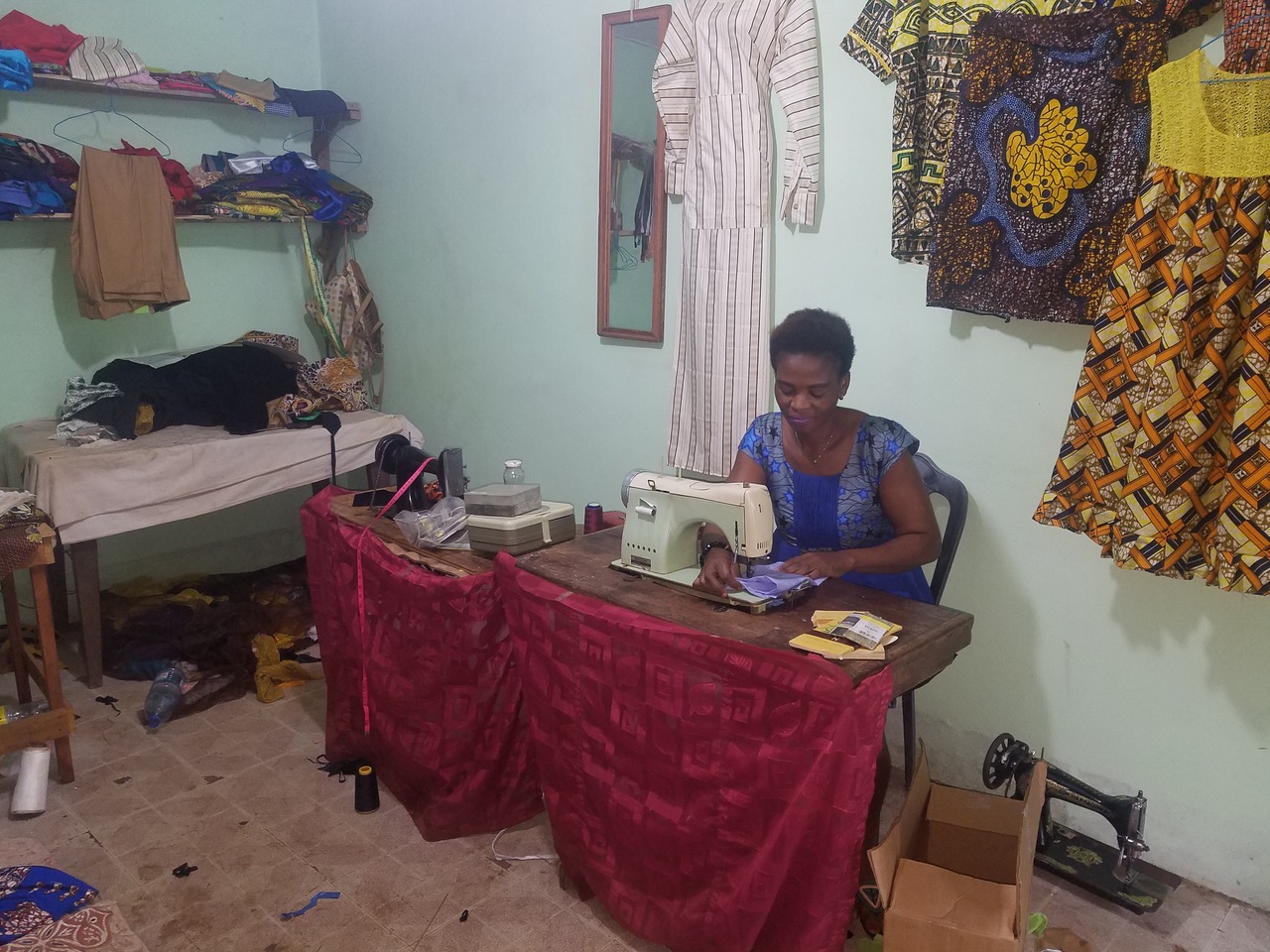
My name is Juliet Mungwa and I am 31 years old. I dropped out of school from senior two because my parents didn’t have enough funds to keep me in school. Fortunately I had acquired the tailoring skill from a vocational institute. I was able to borrow a sewing machine from one of our family friends and I started tailoring. I have been tailoring for four years now. My clients, adult women and younger boys. I sew skirts, dresses, blouses and shorts. I earned between 25,000 FCFA (Central African CFA Franc) to 75,000 FCFA a month (U.S. $44 to U.S. $133). Thanks to two additional machines from SP, I am now between 50,000 FCFA and 100,000 FCFA (U.S. $89–$178). From this I am able to save 10,000 FCFA (U.S. $18) for myself, and I spend the rest on taking care of my 3 siblings since my mother cannot afford to take care of the family.

Loveline Aben

I am a 27-year-old single mother of five. Before the UAC/SP project I did not have enough money to buy the machines I needed to meet the demands of my customers. Because of donated machines from SP, I was able to increase the number of machines in my shop and keep up with demand. Thanks to the new machines, my income has increased and I am able to expand my shop and easily pay for food, health care, and the education of my children. I also reinvest part of my profits into the business to acquire working material. I get my orders from parents who bring the uniforms of their children. The photo shows some of the uniforms I tailored for a primary school.

My plan for the future is to get tenders from at least 3 schools to make uniforms. In that way I will have a stable clientele. I also want to get a new location in the trading centre where I can station my business to attract more clients. I hope to get some training in business planning, where my knowledge is limited. I am so grateful for the support given to us through the One-Girl-One-Sewing-Machine project.

Margaret Oyere

I am 35 years old and the mother of five children living in Bolifamba village community. After I completed my training, my husband, who is a subsistence farmer, bought me a manual sewing machine, which enabled me to establish a business as a seamstress in our community. I can now manage to work independently and save my own personal income instead of relying on my husband for daily and other needs. I am now able to assist my husband in the education of our children and taking care of their health.

Thanks to the donation of an electric sewing machine from SP through UAC, I can now promptly tailor modern dresses and all types of local casual/occasional wear for women and children. The machine has helped to boost my earnings and image before my customers. I now earn U.S. $35 per day without strain as compared to $25 before the new machine from SP. I am becoming a self-reliant, independent income earner.

P4P would like to thank the Clif Bar Family Foundation for their continuing support, which allowed P4P to pay for the shipping costs of the first shipment of bicycles for our new program in Cameroon.

Progress and Peace in Uganda

By Patricia Hamill
Spring 2018

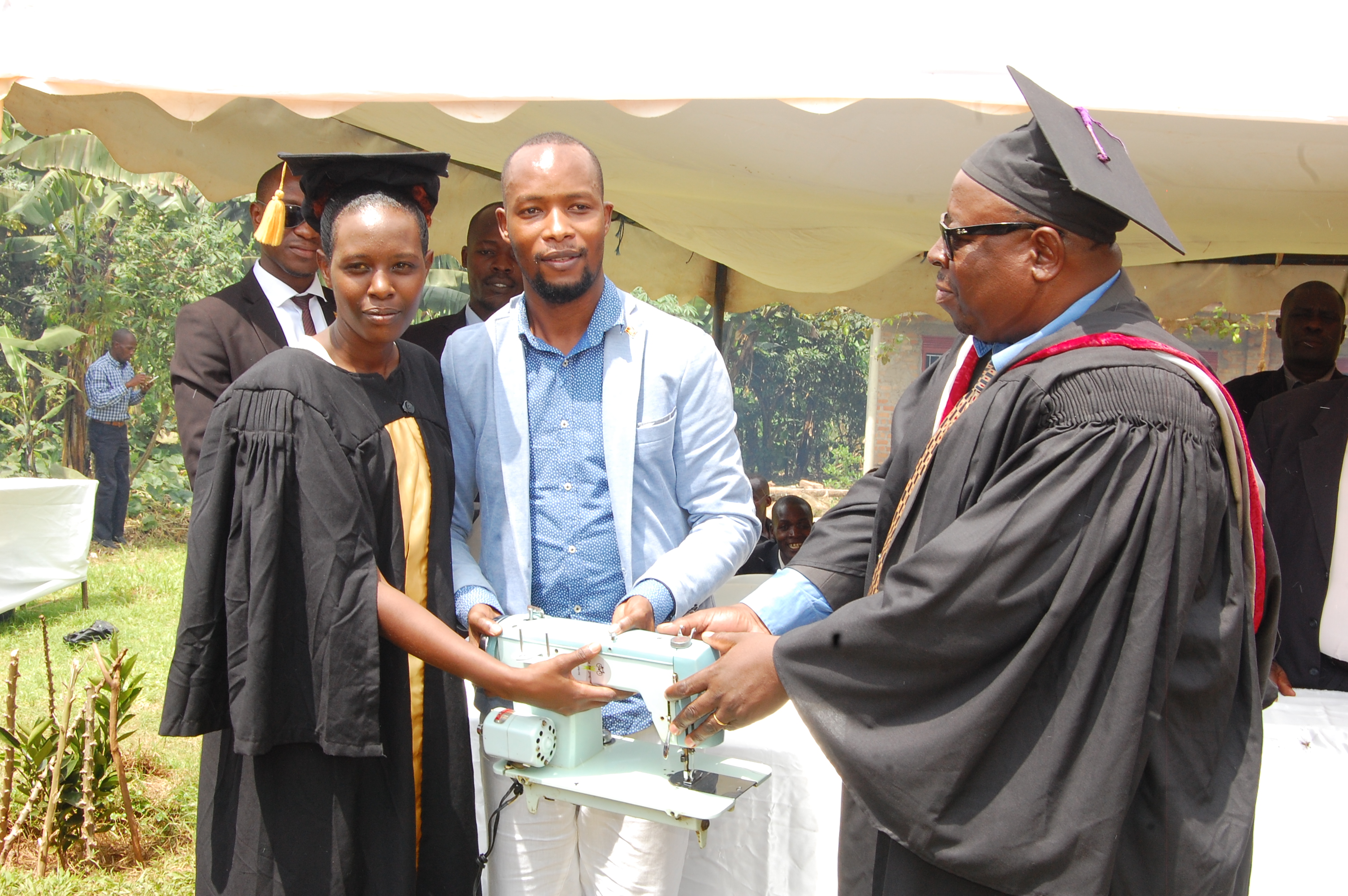
In July of 2017, Sewing Peace sent 73 refurbished sewing machines to the Mityana Open Troop Foundation (MOTF) & Vocational Project for their tailoring and designing workshops. The relationship with MOTF is a promising one and steadily growing. After the delivery, we were soon notified that these machines were put right to use and helped a number of participants earn their certificates of completion in the two-year program. Start-up machines were presented to graduates so they could move on to business ownership or employment in tailoring and sewing.

Participants, predominantly young men and women between 13 and 25 years old, are often those who have been orphaned young and have no family to depend on or those whose families cannot afford their education. Some teenagers are already parents themselves. Lack of job skills is inevitably a consequence of these factors as they have faced severe financial and social boundaries that prevent them from becoming independent earners. But with the continued availability of the vocational workshops and machines, the success rate grows and more of these people can reverse or mend their monetary dilemmas.

The vocational program does offer other courses such as hairdressing and hair weaves, carpentry and joinery, auto mechanics, agriculture, and animal husbandry, but the sewing courses are especially in demand. In July, the ratio of machines to people was 1:4, sometimes 1:5. With the additional machines, the current ratio of machine to participant in the workshops is now 1:3. According to Mathew Yawe, the Executive Director of Mityana Open Troop Foundation & Vocation Project and the country representative for Pedals For Progress/Sewing Peace in Uganda, a recent graduation ceremony that included the presentation of the sewing machines to the trainees who had completed their program “enticed and attracted more trainees from all the surrounding areas and they also brought in their children to study.” Many hope to join and to graduate with “nice sewing machines from [the] project.” The sewing department, last year, had a population of 30 trainees; this year, there was an increase to 45.

The sewing program has set up a shop in their town from which they sell some of the machines. The income enables them to pay the instructors and meet the shipping and customs costs.

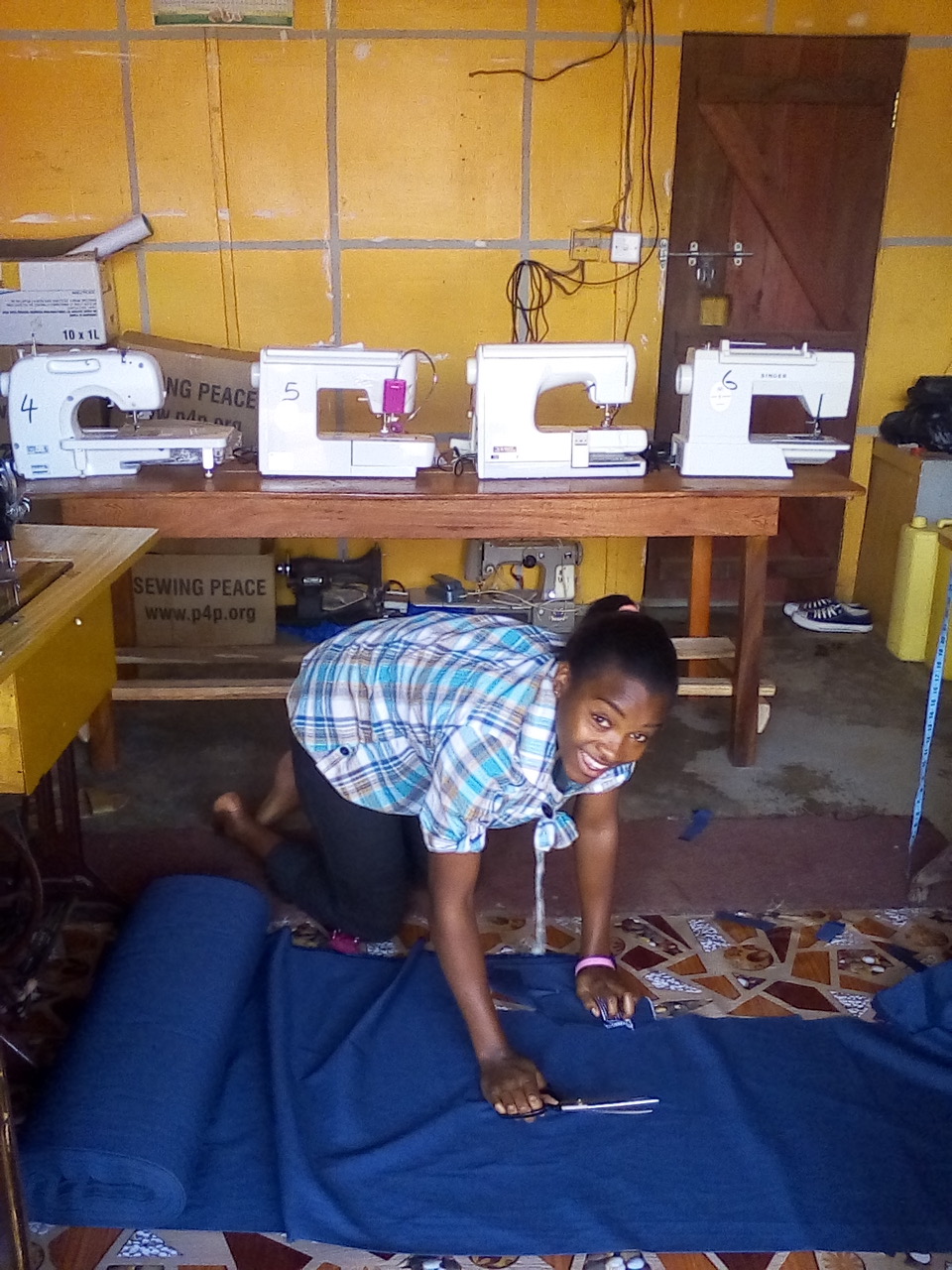
One of the graduates of 2017, Resty Masane, put her new sewing machine to work on the veranda of her parents’ home in Nalyankanja, an area about 18km (11 miles) from Mityana. This 20 year old joined the vocational project in 2015. She had completed her “primary seven,” which is the last of seven years of academic study before students move on to six years of secondary schooling, but her parents did not have enough money to send her for this next stage of studies. Her parents are farmers who manage to grow enough for home consumption and have just a little left to sell or trade in order to buy other requirements. In fact, Resty’s parents paid her sewing program fees by bartering beans—a reliable crop in their climate—and maize for her vocational studies. Something of value exchanged for something of value: It’s a win-win arrangement.

Resty’s contracts include making uniforms for a village secondary school and two village primary schools. She earns between 10,000 and 15,000 Ugandan shillings (approximately U.S. $2.65 to $4.00) Since she can make 3–5 uniforms a week and also do repairs for a fee, she has an income that is reliable and a skill that will remain in demand. To add to her success, she now pays school fees for her five siblings. Resty also puts the barter system to good use by providing some uniforms to a sister’s school in lieu of paying fees. Her income also helps defray the cost of medication for her family and enables her to maintain a phone, which of course lets her stay in touch with clients and schools.


Also in 2017, Ereth Nampijja, a 21-year-old woman, graduated after taking a tailoring and fashion design course. She lives in Busunju-Mityana, located 30km (about 19 miles) from Mityana. She had been a good student, moving from primary school to completing her O levels—the exams taken after the first 4 years of secondary school—but her family could not afford to send her for the critical last two years. As a result, she could not sit for the A levels (final exams) or graduate. It was then that she approached MOTF to participate in the vocational program. Two years later, Ereth’s ambition and effort cumulated in a certificate of completion and, with what help her parents could offer, she now has a three-month lease of a space in the market where she can repair or repurpose second-hand clothes to sell from her shop or via mobile vendors who take the goods to the rural villages to sell.

Ereth averages about 7,000 Ugandan shillings (approximately $1.85) per day. This newfound financial independence allows her to rent a room near her shop and provides her with daily meals. Like Resty, she can provide funds for medication and cover school fees for her brothers and sisters. Her goals are to grow her business and to have more room to store her machine and finished products safely from the elements.

As this article was being finalized, we heard from Mathew that the recent shipment of 64 more machines reached MOTF and were being made ready for the next class session. The heavy-duty machines especially pleased him because the orders for school uniforms can also be completed with the institutions’ embroidered emblems and garments made from heavy fabrics can also be made and mended as part of the graduates’ added services offered.

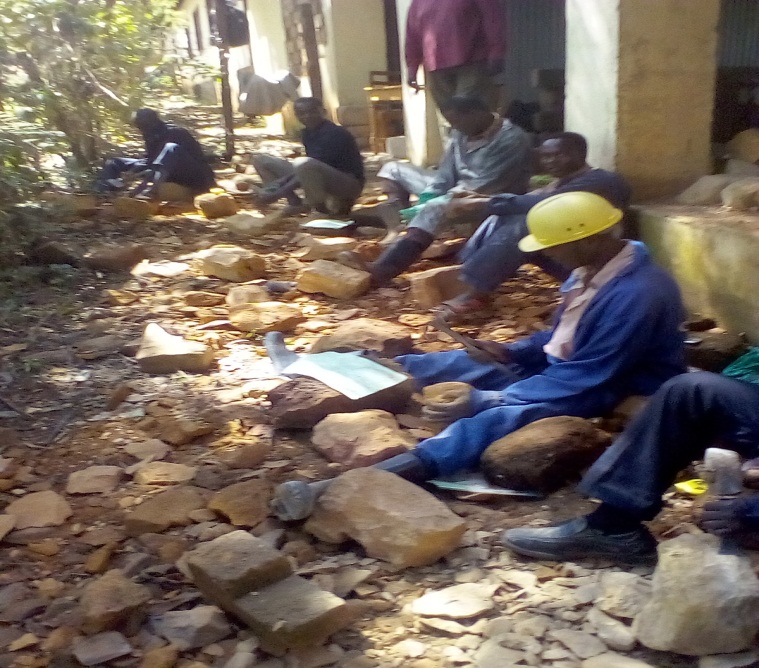
As is to be expected, there are ongoing challenges for the program. These, however, are a result of the progress it has made. This growth in enrollment means that the existing workshop is at maximum capacity and the instructors often have to create shelters outside under the trees where they set up the sewing machines for classes. With the better part of six months of the year bringing substantial rainfall, this makeshift environment is not a viable long-term option. MOTF is, as always, looking to the future and plans to be able to reinvest in and improve their facilities as they continue to sell machines and bicycles from Pedals for Progress. The record of success stories can only continue to expand from here.

New Partner in Kenya: Aid the Needy

By Tom Ademba
Spring 2018

Aid the Needy is a community-based organization registered by the Ministry of Social Services operating in Rachuonyo South Sub-County, Homa-Bay County in Kenya. It was started in 2007 through initiatives of local young people to spearhead development among unemployed young people. The organization has transformed lives through sustainable small-scale self-help initiatives. To help young people start their own businesses, we give them vocational skills, including training in sewing, masonry, and carpentry.

Vision: A community where all are empowered to prosper and lead dignified lives through self-help initiatives.

Objectives:

  1. To build, equip, and manage a community training centre for young, underprivileged community members to acquire vocational training.
  2. To train and educate young people out of school, with a special focus on young women, in skills that would enable them to be self reliant.
  3. To improve the quality of life in the poverty-stricken villages, taking into consideration the cultural context and issues that hinder women from realizing their economic power and potential.
  4. To stimulate and strengthen community groups, to help them develop income-generating activities, and to enable them to fight stigma and prejudice.


Some of our achievements:

  • Since inception, the organization has trained many young people, including disabled youths, in vocational skills and enabled them to start their own businesses.

  • With funds from Aidlink Ireland, we launched a micro-enterprise project to support small-scale farmers.
  • We received funding from World Mercy Fund Austria to educate young farmers on the agricultural value-added chain so they can earn more income.

  • We have recently approached Pedals for Progress to support our community with sewing machines. P4P shipped 72 electric sewing machines to support our training programs and help young people start income-generating projects.

We are grateful to all our partners and in this year we pay our sincere gratitude to Pedals For Progress for the way they fast-tracked the shipment of the sewing machines to support our community project.

P4P thanks the William and Helen Mazer foundation for their continued support and interest in the development of East Africa and for aiding in the cost of shipping 72 sewing machines to Kenya.


Update: the machines arrived in Kenya on 21 June 2018. Here is a note from Tom Ademba.

New Partner in Peru: Alianza Arkana

By Laura Dev & Techa Beaumont
Spring 2018

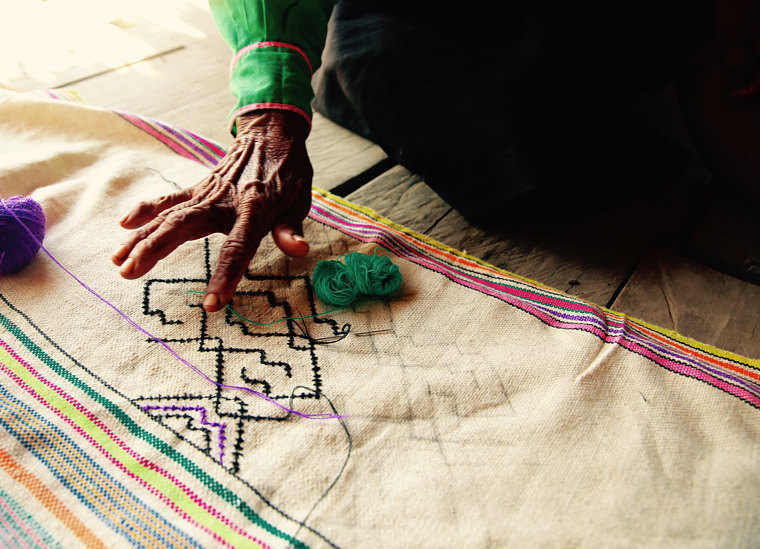
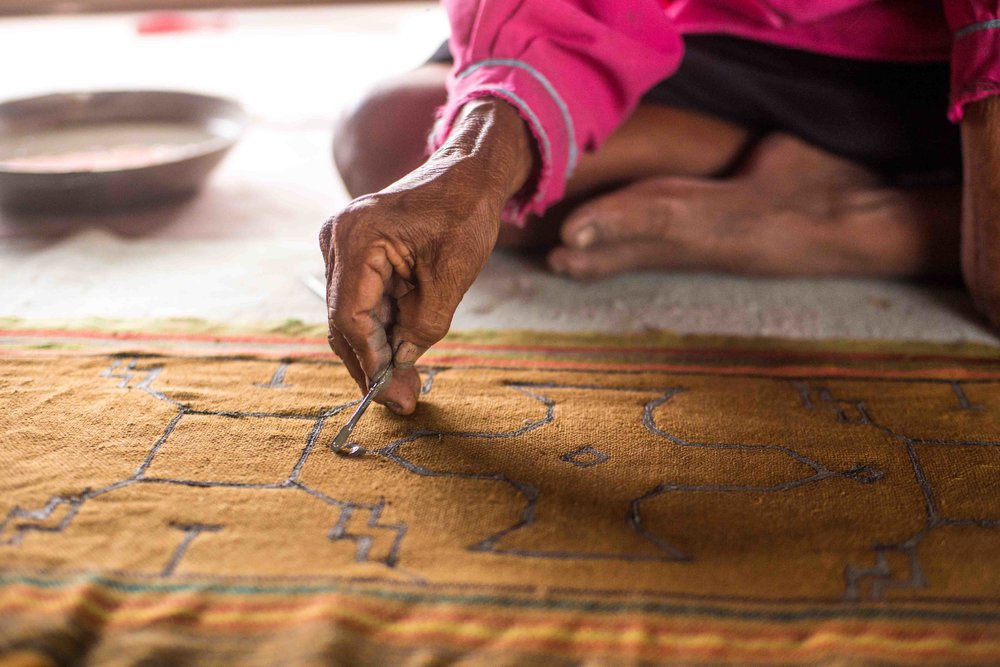
We are requesting sewing machines for Shipbo artisans in the Peruvian Amazon. The machines are going to the Non Kene (Our Design) Project of the Pucallpa-based NGO, Alianza Arkana, a small not-for-profit that works with Indigenous Shipibo communities. They have experience facilitating workshops for women and youth, and have close relations with several women artisan groups in both the urban townships of Yarinacocha as well as rural Shipbo villages of Paoyhan, Santa Clara, Betania and San Francisco.

Indigenous Shipibo artisans aspire to improve skills and access a wider market for their products. Our vision is to link maintenance of cultural knowledge and improved livelihoods by developing professional capacity to establish a collective brand, including skills, business and leadership training, new equipment, seed funding, and networking to reach new markets for Shipibo artisans. The provision of sewing machines to these artisans will provide an essential resource to them in meeting these aspirations and improving their income potential.


Current Status: In June 2018 we will facilitate the first in a series of several workshops in response to requests by the women artisans in the Shipibo Native community of Paoyhan. Paoyhan is a small village in the Peruvian Amazon, 4–5 hours by boat from the nearest city, Pucallpa. The workshop aims to increase their skills at making clothes, sewing-machine use, and fashion design. Common to many Shipbo artisans whose livelihood is based on selling their wares to foreigners, these women wish to improve their artisanal products and expand their markets in order to meet basic material needs such as food, medicines and education for their children. Over 70% of Indigenous communities in the Amazon live in material poverty and around 30% in extreme material poverty. Traditional artisanal embroidery is an important part of Shipibo culture, and at least 80% of Shipibo households gain income from the sale of these products. However, the artisans here do not have easy access to markets to sell their wares, nor are they trained in using technologies like sewing machines that would enable them to make more complicated types of clothing that can sell for higher prices.

We have partnered with the women-run artesania committee in Paoyhan to plan this workshop, and are bringing in women from the Shipibo Meken artesania collective in Pucallpa, led by Jovita Maynas Bardales, to teach more advanced sewing techniques and fashion design. The goal is to provide training for the Paoyhan women artisans, as well as help build relationships between the rural and urban artisan groups.

Workshop Details: The proposed workshop series has a dual purpose to train participants in clothes-making, and (once acquired) how to use a foot-pedal sewing machine, and will also serve to build community and organizational capacity within and among women artisan groups. By the end of the first 3-day workshop, participants will have learned how to make sewing patterns, and will have made an article of clothing using their newly acquired skills. Ideally, this workshop will be followed by ongoing workshops to learn more advanced skills with sewing machines. We also hope to bring in other fashion-designers, and continue to develop capacities for entrepreneurship, marketing, and product development. These sewing machines will be essential to enable these women to continue to apply the skills learned in the workshop, and ongoing workshops and support will ensure that they have the skills needed to make good use of the machines toward their goals of creating better markets for their wares.

Distribution Strategy for Sewing Machines: Initially we will target participants in the Paoyhan workshop and provide pedal-powered sewing machines to the artesania committee in the village of Paoyhan for their own uses. If we find that current solar energy in the village is sufficient to power electric sewing machines, we will provide these as well. We expect to deliver 15–30 sewing machines to this village depending on availability of electricity.

Following this initial provision of sewing machines, we will plan for further provision of sewing machines to other communities in collaboration with workshops and other events that engage artisans in showcasing and further developing their skills in sewing and fashion design.

Sewing machines will be distributed to Shipibo artisans who:

  1. live in urban townships of Pucallpa or more remote Shipibo villages and have either completed a workshop conducted by the project partners on sewing and fashion design or otherwise have demonstrated existing skills and knowledge of sewing machine techniques
  2. are not in a financial position to buy their own sewing machine
  3. will, based on successful participation in a workshop or existing demonstrated skills, be able to utilise the sewing machine to increase their livelihood.

Pricing:
The sewing machines will be provided free of charge to participating artisans. Where artisans or artisan collectives are not in extreme material poverty, they will be asked to make a token contribution of an artisanal product as an indication of their ‘buy-in’ and valuing of the tool provided. Money generated from the sale of the donated artisanal products will be used to fund future workshops.

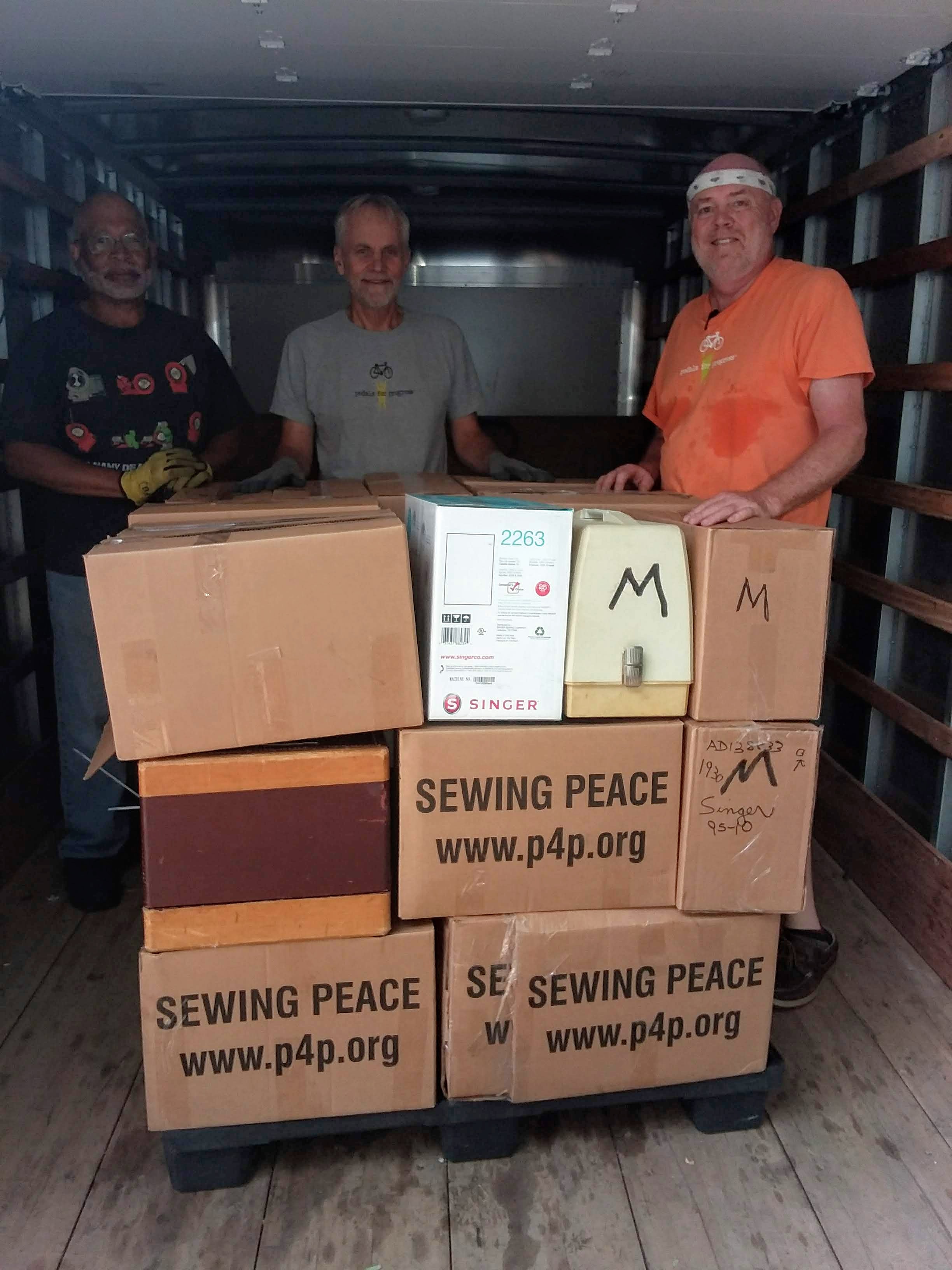
On June 20, 2018, Robert, Gary, and Dave packed 65 sewing machines, including 22 manual machines, for shipment to Alianza Arkana.

St. Vincent, January 2018: From Lemons You Make Lemonade

By David Schweidenback
Photos: Jim Lincoln


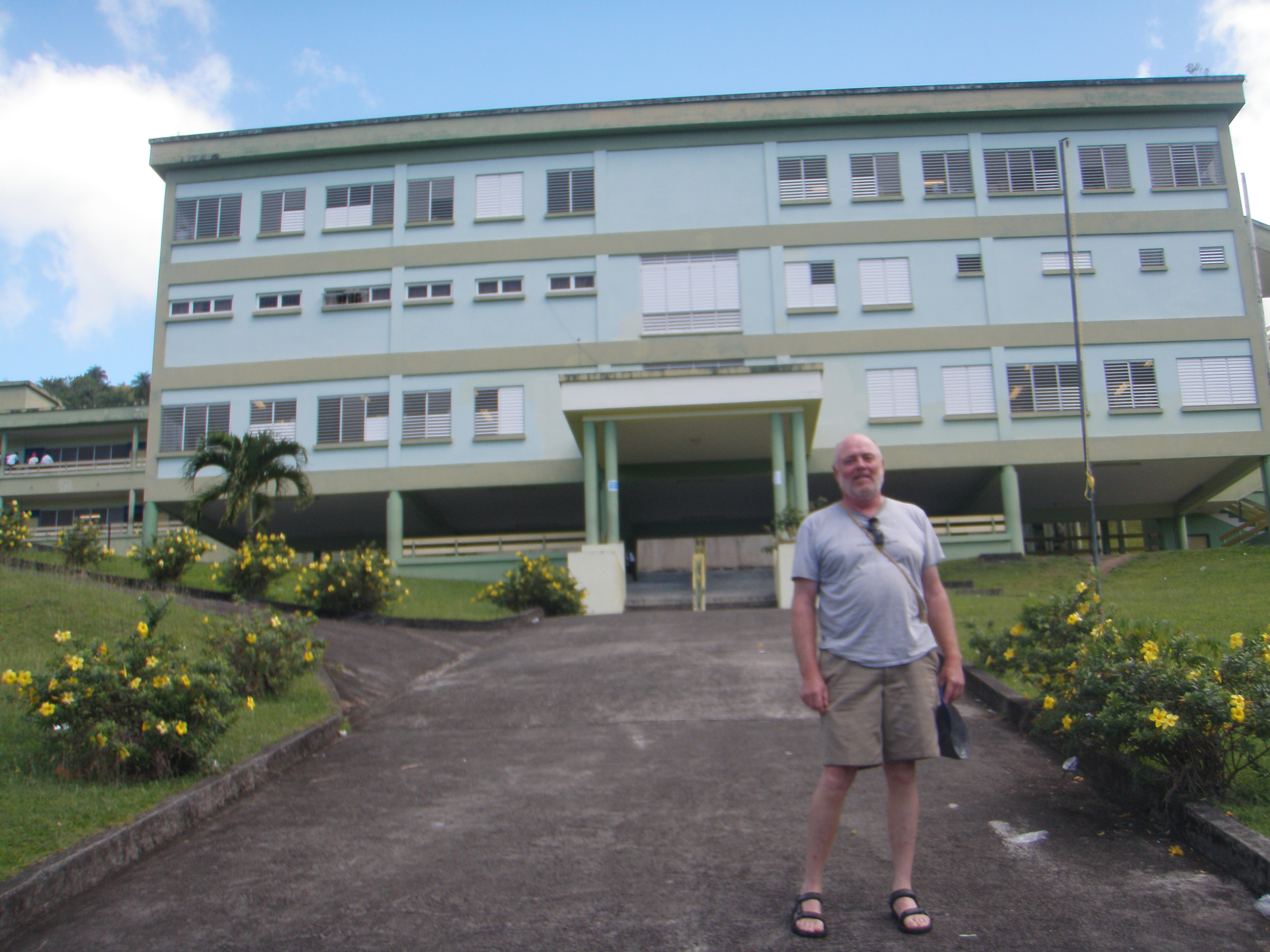
In 2010 P4P made a shipment of 20 sewing machines to the Barrouallie Secondary School in St. Vincent. On a January 2018 trip on the Island Windjammers sailing ship Diamant, I realized we would be spending one night in St. Vincent. Crew member Brown was from St. Vincent and was able to get in touch with the principal of the school and arrange for me to visit.

After we moored at Young Island, shipmate Jim Lincoln and I took a taxi to Barrouallie. It was only 12 miles as the crow flies but it was 17 miles to drive down into and up out of Kingston and up and over and around steep ridges of mountains with almost no flatland anywhere. The road was barely wide enough for two cars: there was a cliff on one side and a wall of rock on the other. No place you would ever want to ride a bicycle.

We arrived at the school and were greeted by the new principal, Mr. Kenneth Holder, and the math teacher Mr. Raffique Durham. They greeted Jim and me very warmly but after I introduced myself they started explaining the real needs they had for the school. They were especially in need of math books, rulers and other measuring instruments, and graph paper. Unfortunately, these are things that Pedals for Progress does not provide.


I asked if they remembered Peace Corps volunteer Liz Deppe, who worked with P4P to get the original shipment of sewing machines. But both the principal and the math teacher were relatively new to the school. The principal called in Mrs. Hildred Anderson, who is the head secretary of the school and has been there since forever. I have always been convinced that secretaries should rule the world, or maybe they already do!

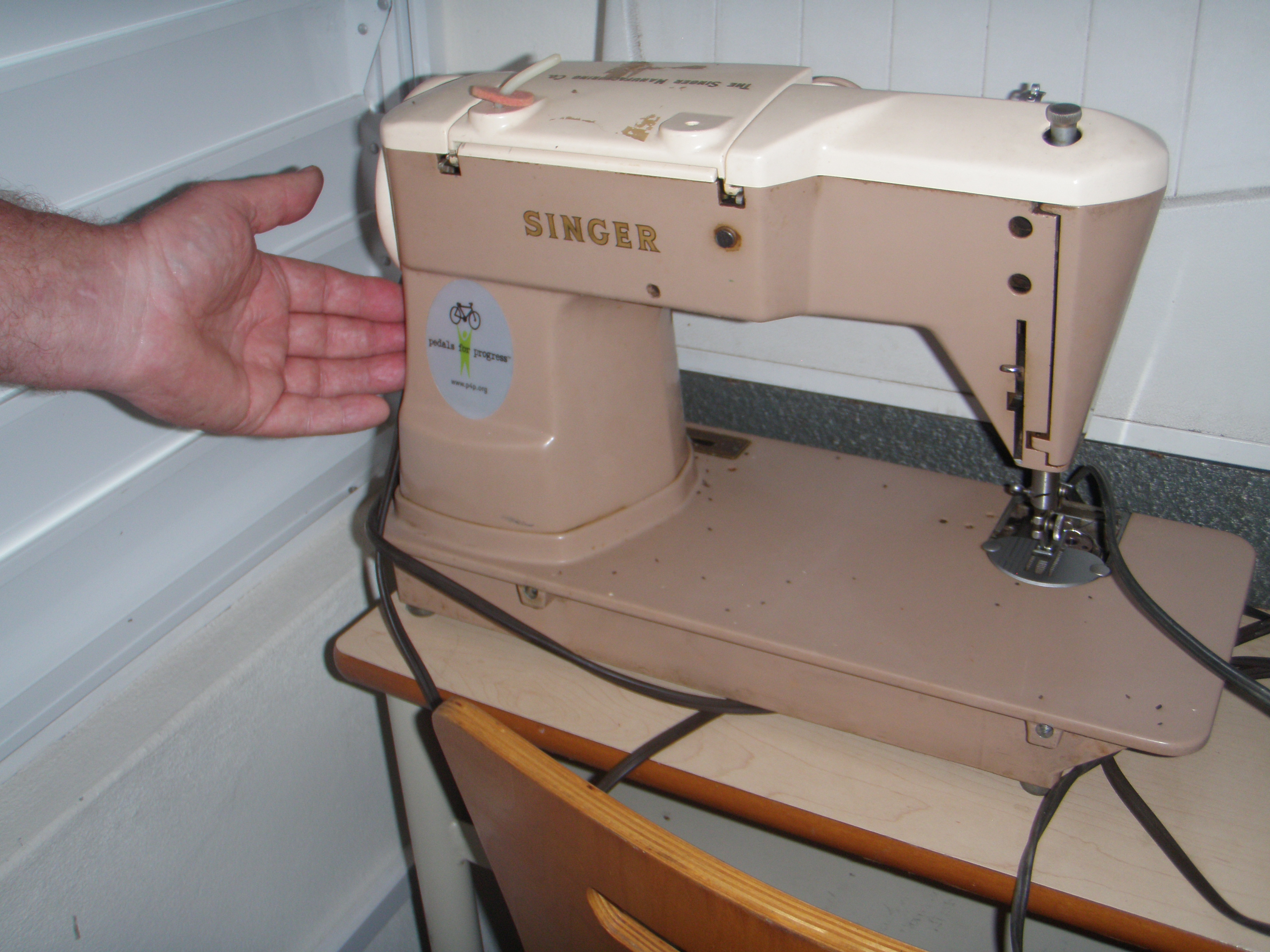
Mrs. Anderson did indeed remember the Peace Corps volunteer and knew exactly where the sewing machines were: sitting in a storage closet. She brought me down to show me the machines, which were sitting there in amazingly good shape, most of them operational. She said she is the only person who ever uses them—sometimes she comes in on weekends to do her sewing.

On leaving, I suggested to principal Holder that, if he asked, he could probably get a new Peace Corps volunteer to teach sewing and fashion design. I’m afraid the meeting did not go well for him because he did not get the funding he was hoping for.

The sewing machines were shipped to help the people of this small, hard-working but poor community. I have since written to the principal with a suggestion that I think is a win for everyone. My suggestion is that the school sell the sewing machines to interested people in the community, and then use the income from those sales to buy the supplies the math department needs. The community would have more people earning a little more income because of the sewing machines. And the school would have the funding it desperately needs. This is Plan B. Plan A was to have the school teach young adults to sew, but the new principal is not now interested in this sort of vocational education. Plan B will work, though, and it’s a lot better to get the machines into the community and fund the school rather than let 20 good sewing machines sit in a storage closet forever.

Report from Uganda, January 2018

[We just got this report from our partner in Uganda, the Mityana Open Troop Foundation.]

Dear our friends,

How are you?

In January 2018, Mityana Open Troop Foundation managed to open a show room/shop where we sell our products and services: sewing machines and bicycles, sewing products and school uniforms, bicycle repair and spare parts, embroidery services, art and print services, sign posts, sweaters, . . .

We hope that the profits will suport paying vocational teachers and other project activities.

Yours always,
Mathew Yawe

Graduation Report of the Mityana Open Troop Foundation, 18 November 2017

[More photos]

Greetings

  • Guest of Honor Owekitiibwa Abraham Luzzi
  • Director Basic Education Ministry Of Education & sports, Mr. Nsumba Lyazzi Robinson
  • Vocational Chancellor
  • RDC
  • Mayor
  • Madison Ardizz & Mr. Nino Ardizzi
  • All invited Guests, ladies & gentlemen


With great pleasure, I take this opportunity to welcome the guest of honor, distinguished guests, Madison and Dad Nino Ardison from Canada, at our Sixth Vocational graduation ceremony, today, the 18th of November 2017.

Background: Mityana Open Troop foundation  was registered as a Community based organization and was started by a group of scouts  who had been affected by socio-economic factors and the HIV/AIDS scourge.

Later in 2007, we found it important to start offering sustainable vocational training to vulnerable youth, school dropouts, and youths unemployed due to lack of job skills. The training included hair dressing and weaving, carpentry and joinery, motor vehicle mechanics, and tailoring & fashion.
The training lasts for two years. Graduates get certificates and start-up tools to enable them to start jobs and workshops right away in their own communities.

Organization leadership:

  • Chancellor: Mr. Joel Lugoloobi
  • Patron:  Ssempala Julius
  • Vice chairman Board of Directors: Conc. Robert Musisi
  • Board Members: Rev. Balamu Mukwaya
  • Mrs. Oliver Mukwaya
  • Chief adviser Mr. Ssekandi Kakembo
  • Chaplain:  Rev. Lukabwe
  • Principal: Mr. Yawe Mathew

Instructors:

  • M/s  Margaret Yiga (Hair dressing)
  • M/s Nanteza Nuulu (Hair dressing)
  • Edith Nakabaale (Tailoring)
  • Mr. Kawuma Flobius (Tailoring)
  • Ssalongo Ferdinand Nsubuga. (Maths, Luganda, & English)
  • Engineer Ssetenda (Motor mechanics)
  • Conc. Robert Musisi (Motor mechanics)
  • Mr. Muyanja (Carpentry)
  • Mr. Bukenya (Electrical)

Achievements

  • This is our sixth graduation ceremony.
  • The government of Uganda, through its Ministry of Education, supports our vocational project by giving funds for the instructors. The small fee we charge trainees caters for electricity, maintenance, and feeding, which is expensive.
  • We registered the vocational project under the Uganda Ministry of Education.
  • Kolping Mityana Womens project supports our project by sponsoring 10 orphans.
  • Three Charity organizations — Fields of Life, Africa Renewal Ministries, and Unbound — sponsor some vulnerable children at our project.
  • With support from profits got from the sold sewing machines from Pedals For  Progress / Sewing Peace Project USA, plus some funds donated from Dr. Knight Anthony of Tools With a  Mission UK, enable us  construct the Girls dormitory which is to accommodate 50 students.
  • We have been provided with educational seminars by hair beauty companies such as Movit and Darling.
  • Pedals for Progress donates sewing machines and bicycles to our project, which have up-lifted and supported many of our activities.
  • Carried out voluntary community work by cleaning and sweeping Mityana Central market, Taxi park, and surrounding streets.
  • Volunteered in making hair dressing & weaving , sewing clothes for police ladies and police men Of Mityana Police station, at free cost. However, we carry out good turn in communities, as scouts.

Appreciations

We thank very much the government of Uganda for supporting our vocational project by paying for the training of vulnerable unemployed youth.

Thanks go to the Principal Secretary BTVET, Mr. Patrick Byakatonda, for having considered and supported our project and benefits from the Government program.

We extend our sincere thanks to Pedals For Progress / Sewing Peace USA, which is headed by Mr. David Schewidenback, who provides us sewing machines, and even made ‘Me’ their Uganda Representatives / Coordinator.

We thank hair-dressing companies and charities sponsoring orphans at our project.

We extend many thanks to Mr. Chris Eldridge of the UK, who has done so much in financing sewing machine shipping and some of our project activities.

Finally thanks very much M/s Madison Ardizz and Dad Nino Ardizz, for visiting and being with us at our sixth graduation ceremony. Please thank you we love you so much.

Challenges

We have insufficient classrooms at the project; the majority of the trainees study under tree shelters and shades. It becomes worse if it rains because there is nowhere to go!

Trainees fail to pay the little we ask them to pay at the project, which affects project activities like feeding them!

We lack enough seats in our workshops.

It is still a challenge to pay for shipping sewing machines and bikes from the USA to Uganda.

The newly constructed hostel is not big enough to accommodate the number of trainees we have at the project.

We lack clean water and piped water at our project. Contaminated water has affected the cooking, washing, and even the lives of our trainees, as they get skin diseases and stomach diseases including typhoid every academic term!

God Bless You Always.

Mathew Yawe, Principal, Mityana Open Troop Foundation