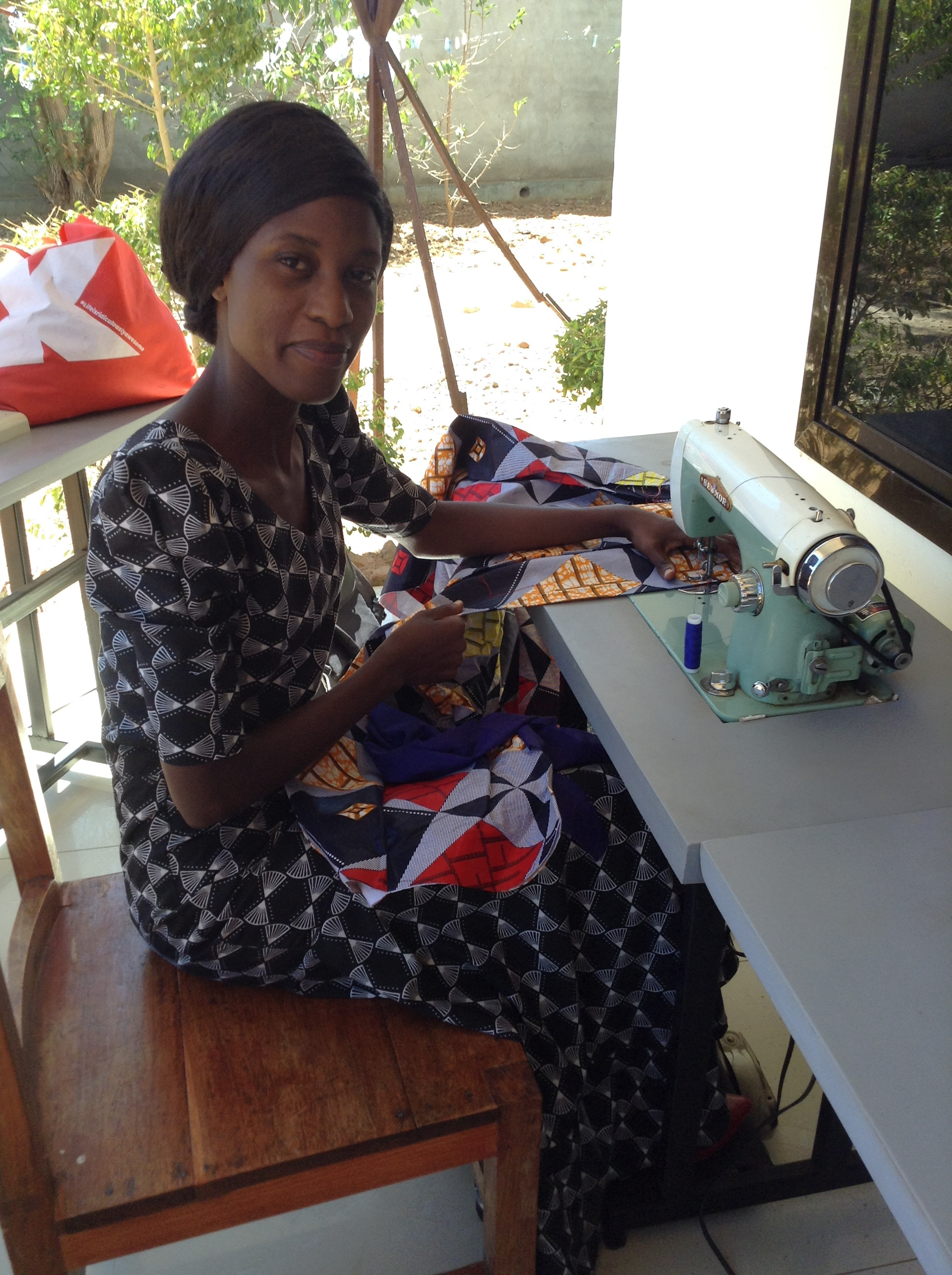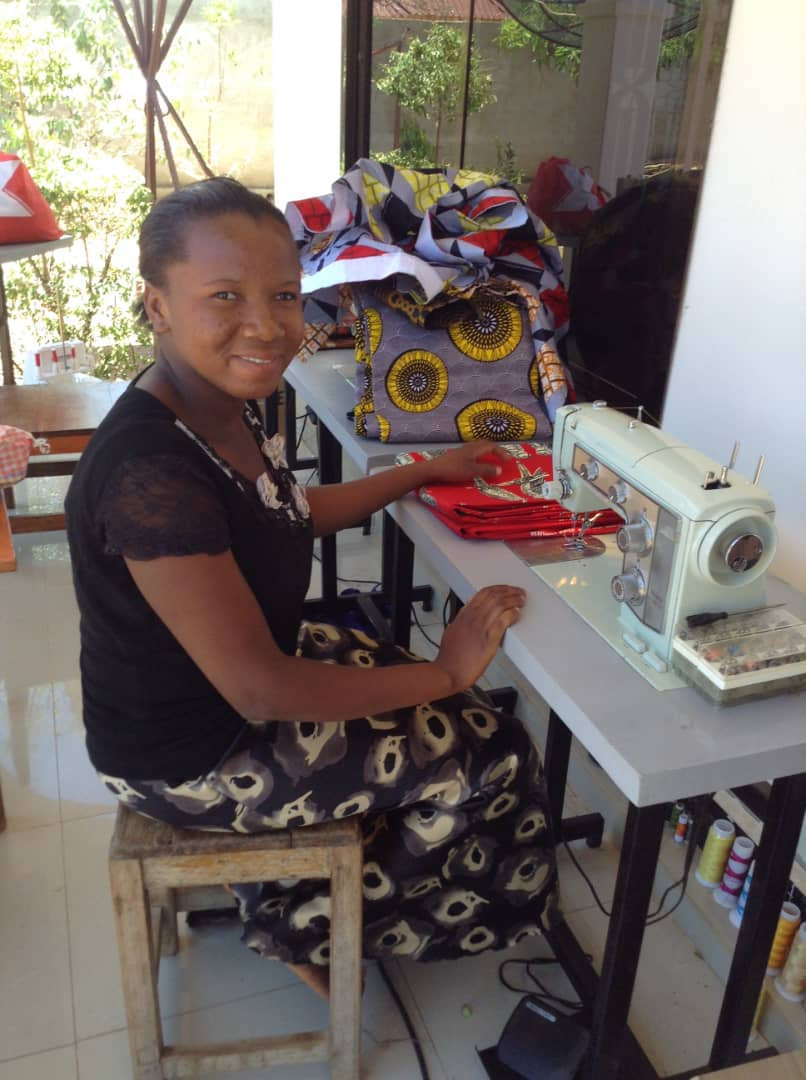
Sewing Peace is proud to announce a new partnership with More Care International, based in Pretoria, South Africa, and operating in Winterveldt, a village 53 kilometers from Pretoria. We’ve agreed to help with their mission: “to establish effective social structures for the undertaking of income-generating projects for the vulnerable and marginalized in the community”.
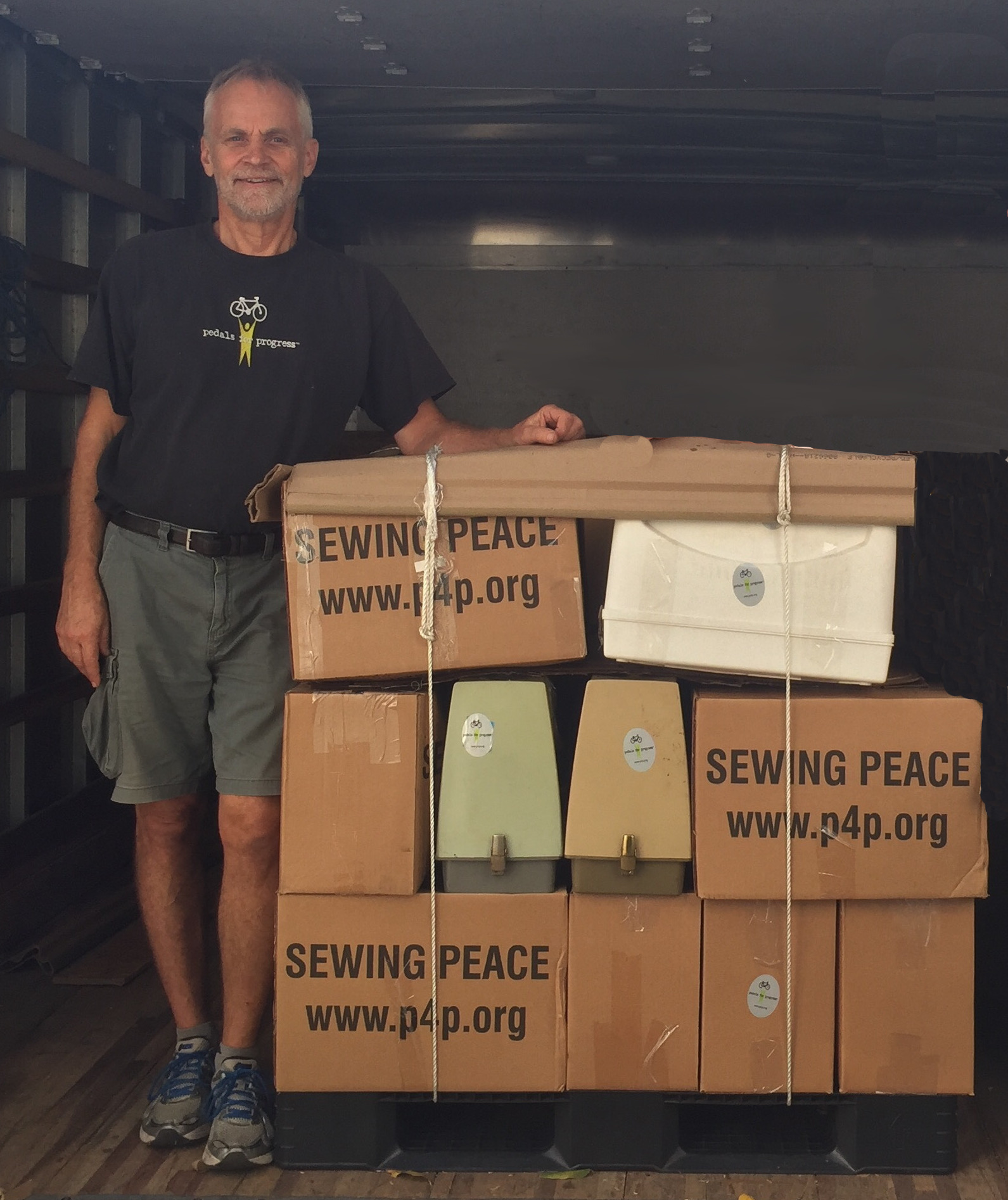
On November 13, 2019, we shipped 71 sewing machines to start our collaboration.
The last time Pedals for Progress shipped to South Africa was August 2001. We shipped 8 containers of bikes there between 1998 and 2001. Until now, we’ve never shipped any sewing machines there.
A successful development project has several requirements. We respond to all requests yet are able to fulfill only a small portion of them. Our best answer is that we work where the world allows us to work.
Our first necessity is a seaport. Shipping by water is cost-effective. Countries without seaports, especially countries deep in the interior of a continent, are much more expensive to get to. The cost of the overland shipping is double that of ocean-going freight.
Our second necessity is a reasonable government at the destination. The shipping only arrives at the front door. It is the government of the destination country that opens the door to let you in. There are many countries that do not accept any used goods.
Third and most important is a partner. We seek financial partnerships with the distributors of our bicycles and sewing machines. You equitably distribute a product in an economy by selling it. Just because you sell something doesn’t mean you have to charge a high price; it’s just that you need a mechanism to make the transaction work.
Fourth and also critical is the funding. We beg for donations for the first load to get a program started. After that we use our original funding scheme, our revolving fund system: our partners share the costs of running their program. Through the process of distributing bicycles and sewing machines, our partners earn enough money to pay for the shipping of the next container and pay their ongoing business expenses, with some profit left over for the tertiary programs they run. All of our overseas partners have multiple other programs to help their societies; it’s not all bikes. But the bikes produce a constant stream of income to help pay for those other programs.
And then there was David Balaba, the mayor of Iganga, Uganda. Great guy. He didn’t have the first necessity, a seaport. His shipment went from New York through the Panama Canal past Singapore to Sri Lanka, was then shipped overland to Mombasa, Kenya. The cost to bring that shipment overland from Mombasa to Kampala was exactly double the cost of the entire ocean voyage.
David, the mayor of Iganga, did not have a reasonable government. Gaining entry to Uganda has always been difficult and costly. More on this later.
What the mayor did have was number three and number four. He had a solid plan for helping his community in northeastern Uganda. Plus he was able to secure funding from the Live your Mission Foundation. Two out of four — what could go wrong?
Remember that second necessity up at the top. Mayor David had all of his paperwork in order. He is tax-exempt and is the mayor of a fairly good size town. All the i’s were dotted in the t’s were crossed. Ahh, number 2!
The government finally released the cargo in mid-September 2019, over 15 months after it arrived in the country.
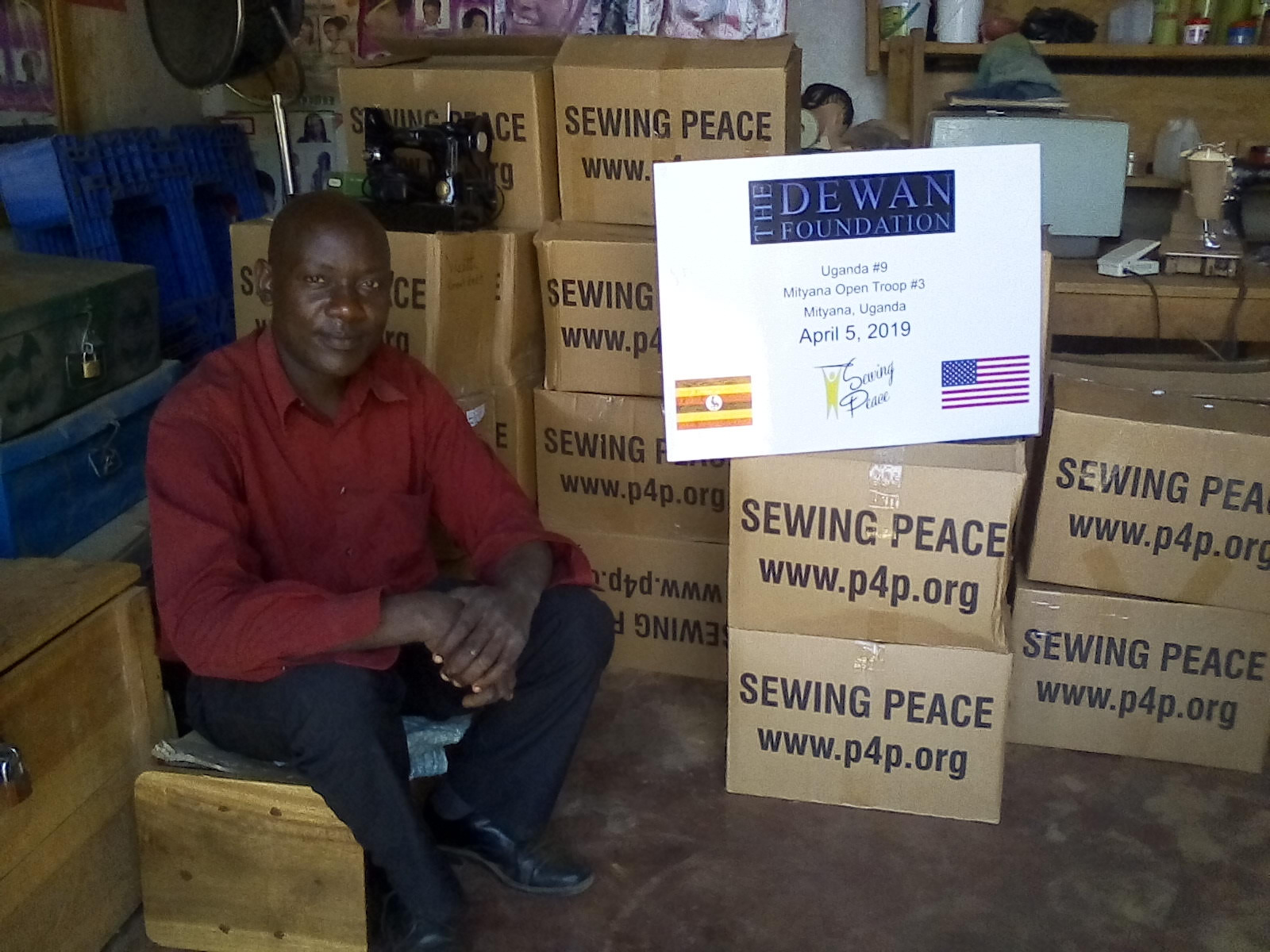
Mityana Open Troop Foundation is a community organization with a vocational skills training centre, recruiting and training disadvantaged youths. After a two-year program in vocational skills, graduates are awarded certificates along with a start-up sewing machine.
Sewing Peace U.S.A. has done a great job in supporting our organization, having shipped us more than 200 sewing machines starting in 2017.
Here are two of our success stories.
Sarah Nakiganda
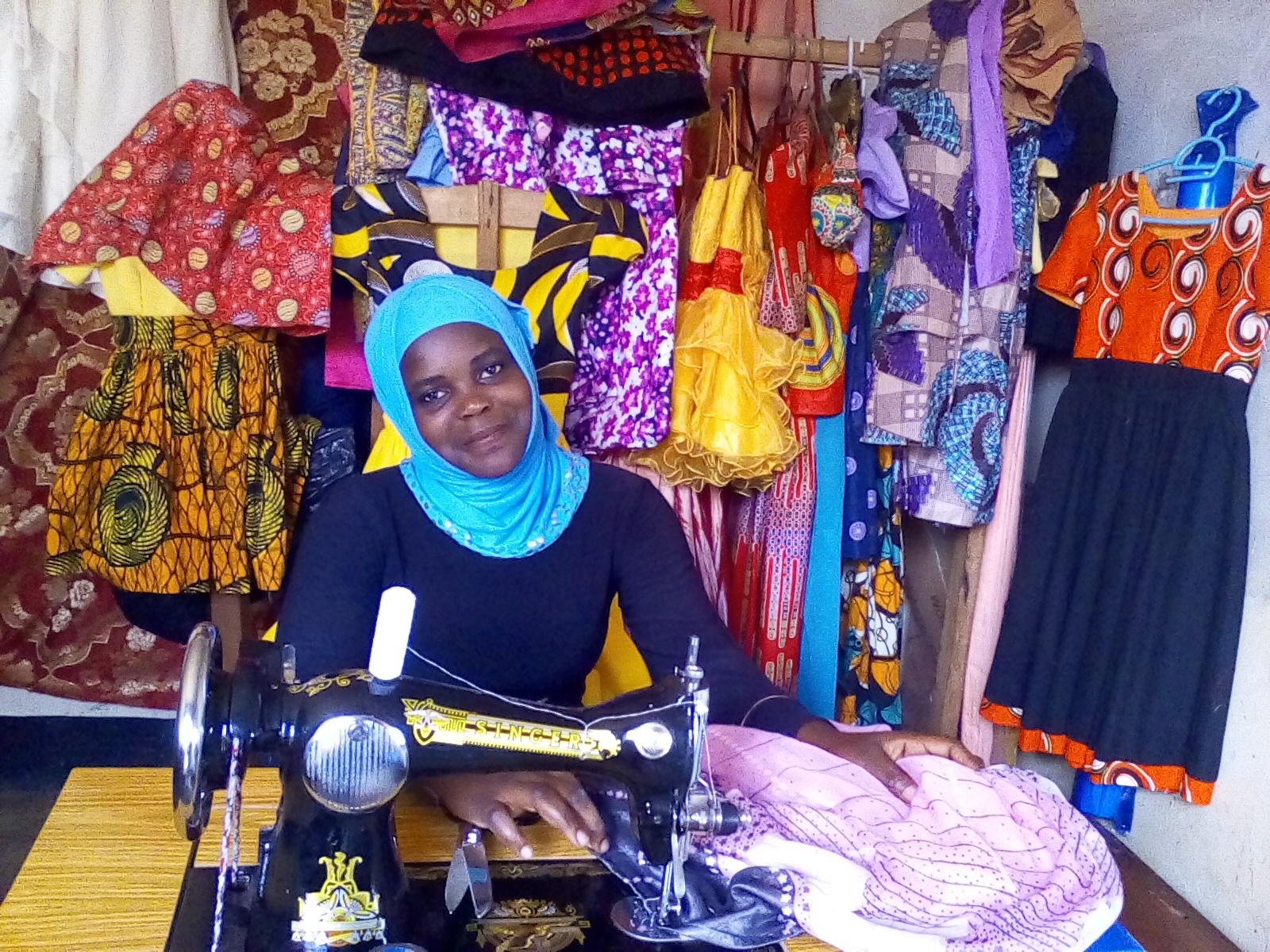
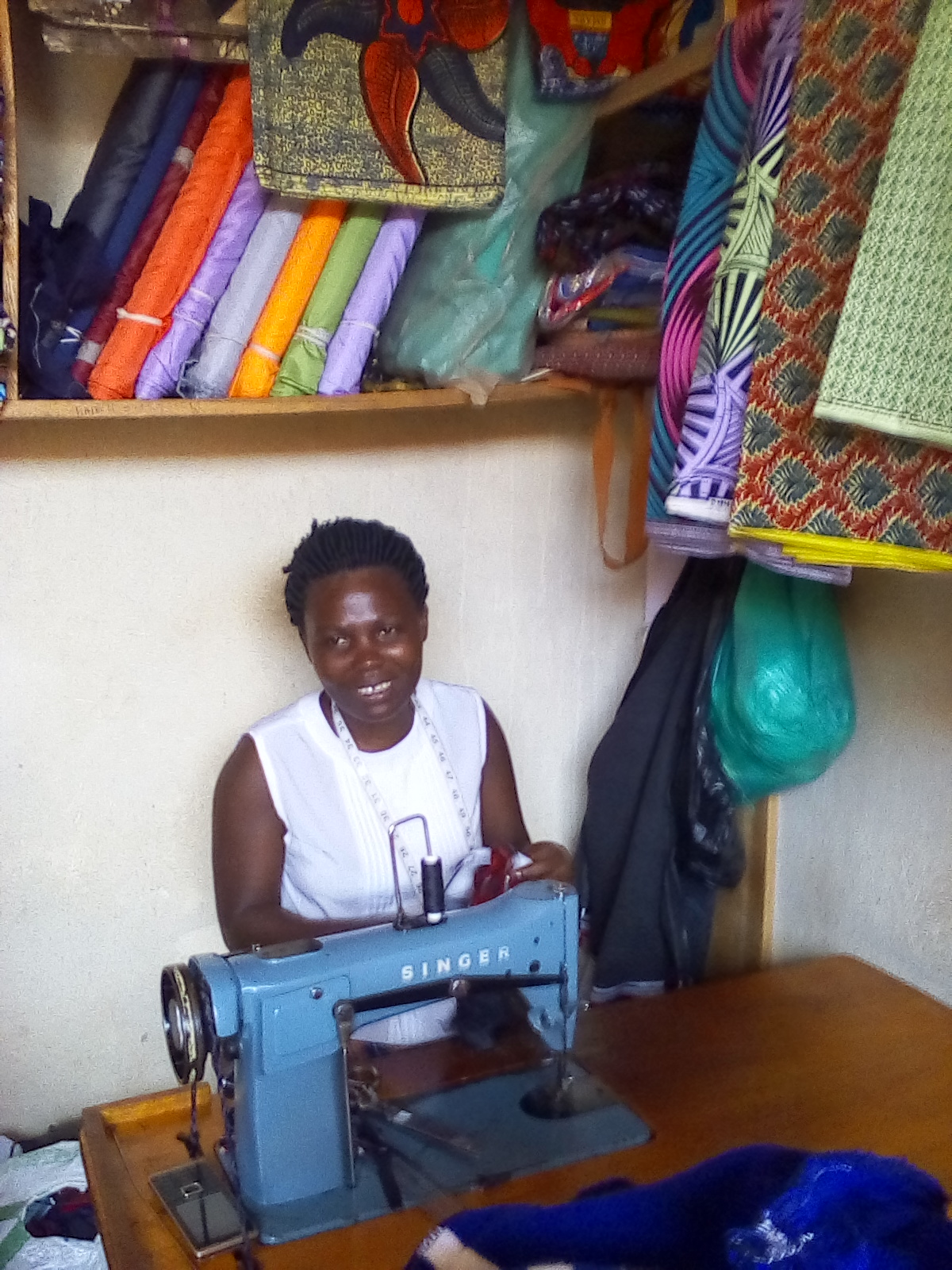
Sarah Nakiganda is 20-year-old project graduate of 2017 who was donated a Singer sewing machine.
She is a school drop-out of primary 4. Because she was not thriving in formal school, she was brought to our training centre to learn income-producing skills.
At our training centre she performed very well in practical hands-on work. Since she graduated in 2017, she has managed to rent a small room in the town of Mityana, where she earns money making and repairing dresses of all sorts.
She earns between $5 and $7 U.S. per day. With her earnings, she has managed to pay for her younger two sisters’ education, including their school fees and scholastic materials.
Joan Namiyingo
Joan Namiyingo is a 30-year-old single mother. She graduated from our centre in 2017, received a Singer machine, and now supports herself and her child.
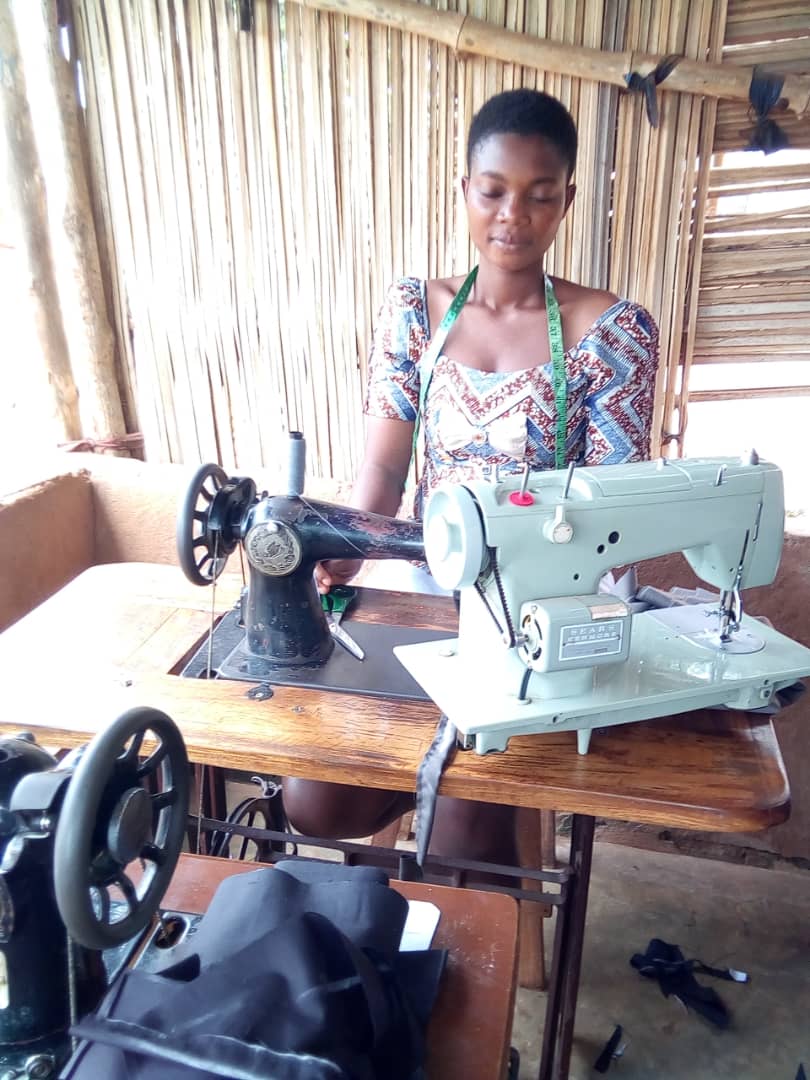
Mrs. Afi Brigitte Ametowoyona lives in Vogan village, Togo, and is the married mother of five children. Before she joined a DRVR sewing apprenticeship workshop she rented a sewing machine for U.S. $10 a month. But at the end of her apprenticeship she got a Sewing Peace machine at no charge as part of the program. She can now save money to feed her family and pay school fees for her children.
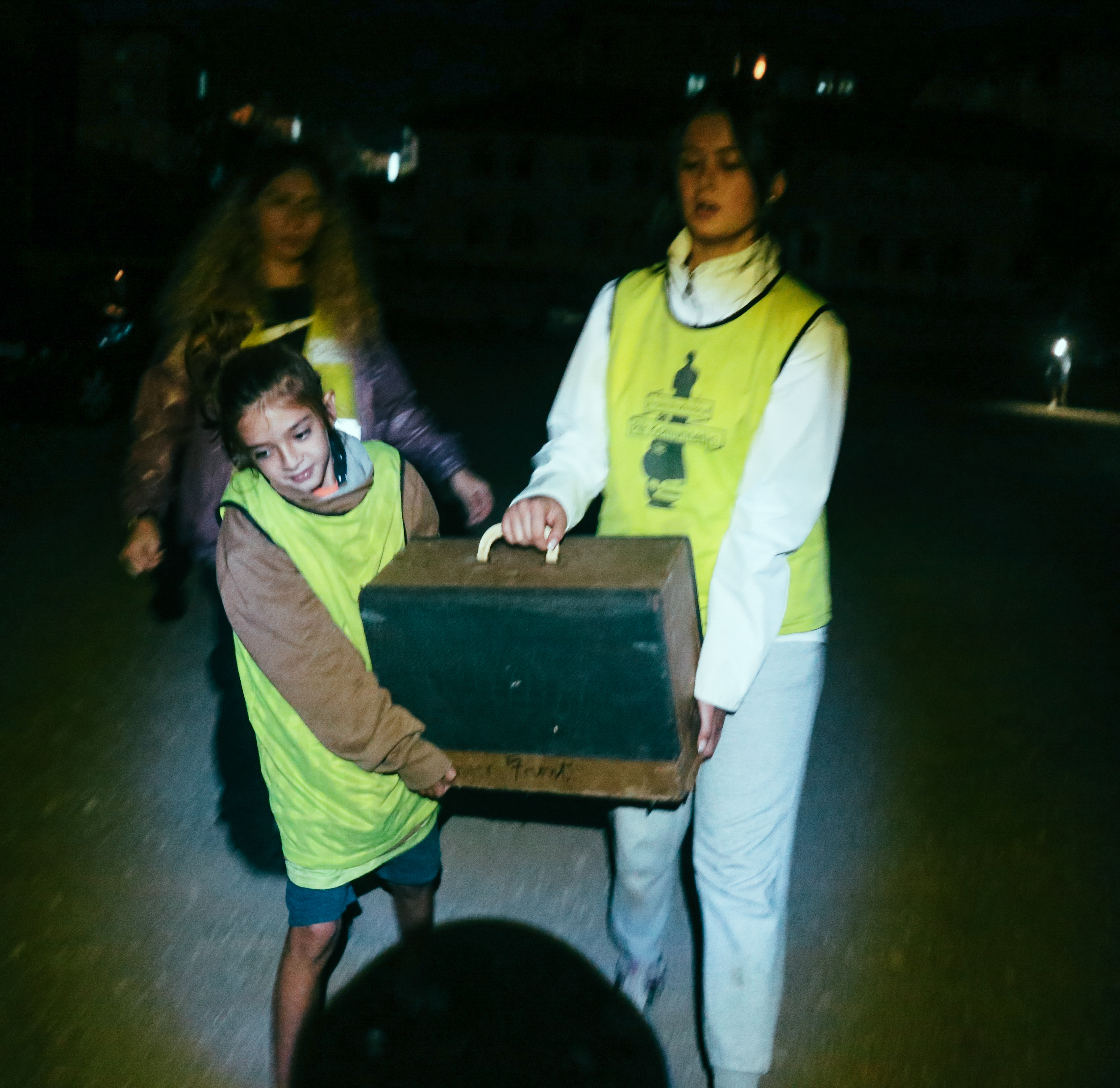
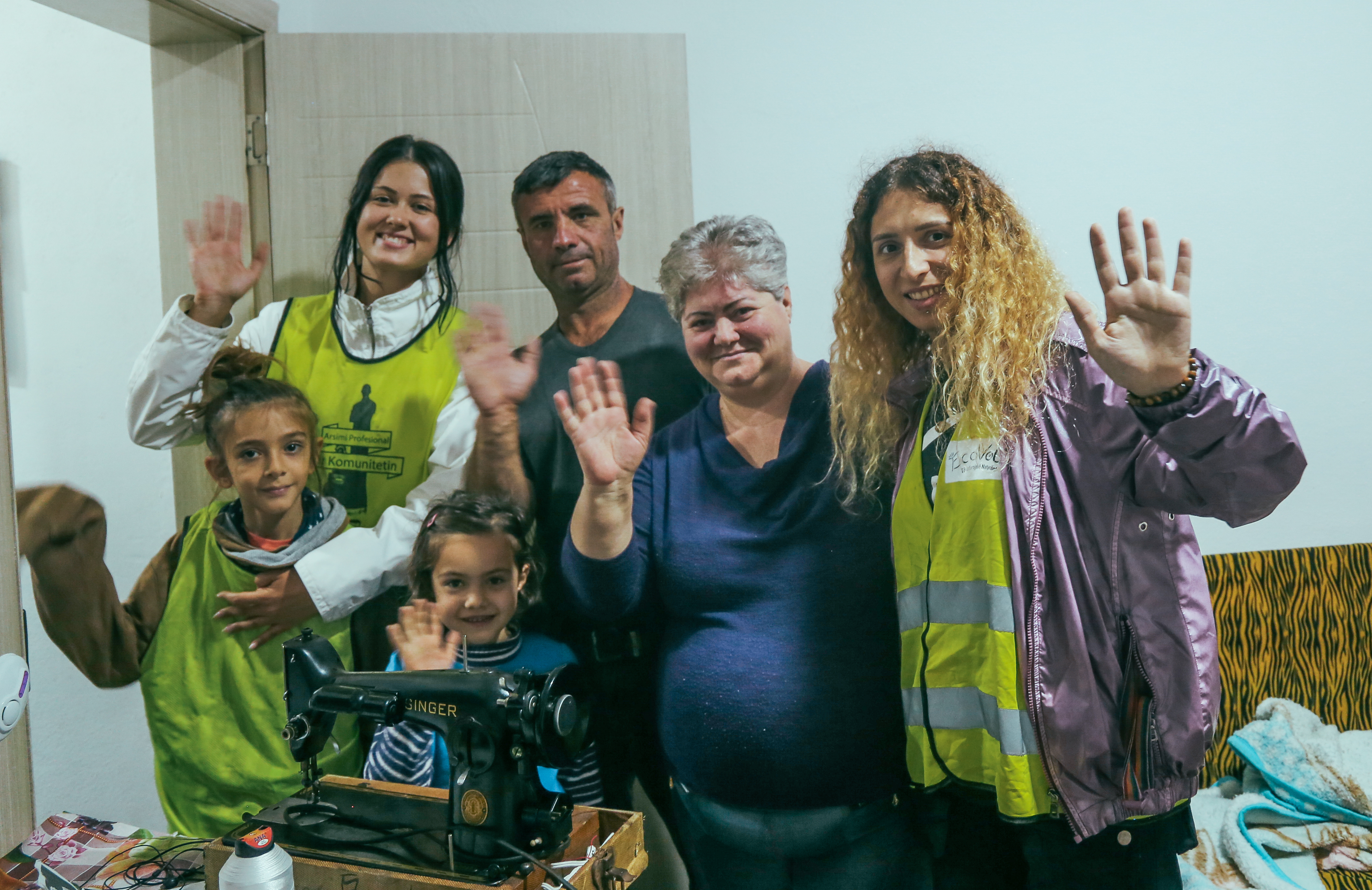
One family, unlike any other family we’ve visited, made us realize that despite the difficulties in their lives, they still have great heart, welcoming smiles, and a lot of love to give. On a cold autumn night in 2019 we visited a social house in the north city of Tropojë. We knocked and the lady of the house opened the door with a full blown smile, her eyes glowing, and welcomed us openly. But her husband — why didn’t he listen to what we were saying?
The couple were born without the ability to speak or hear. After some time as friends, they fell in love and started living together, desperate as any couple to raise a family and become parents.
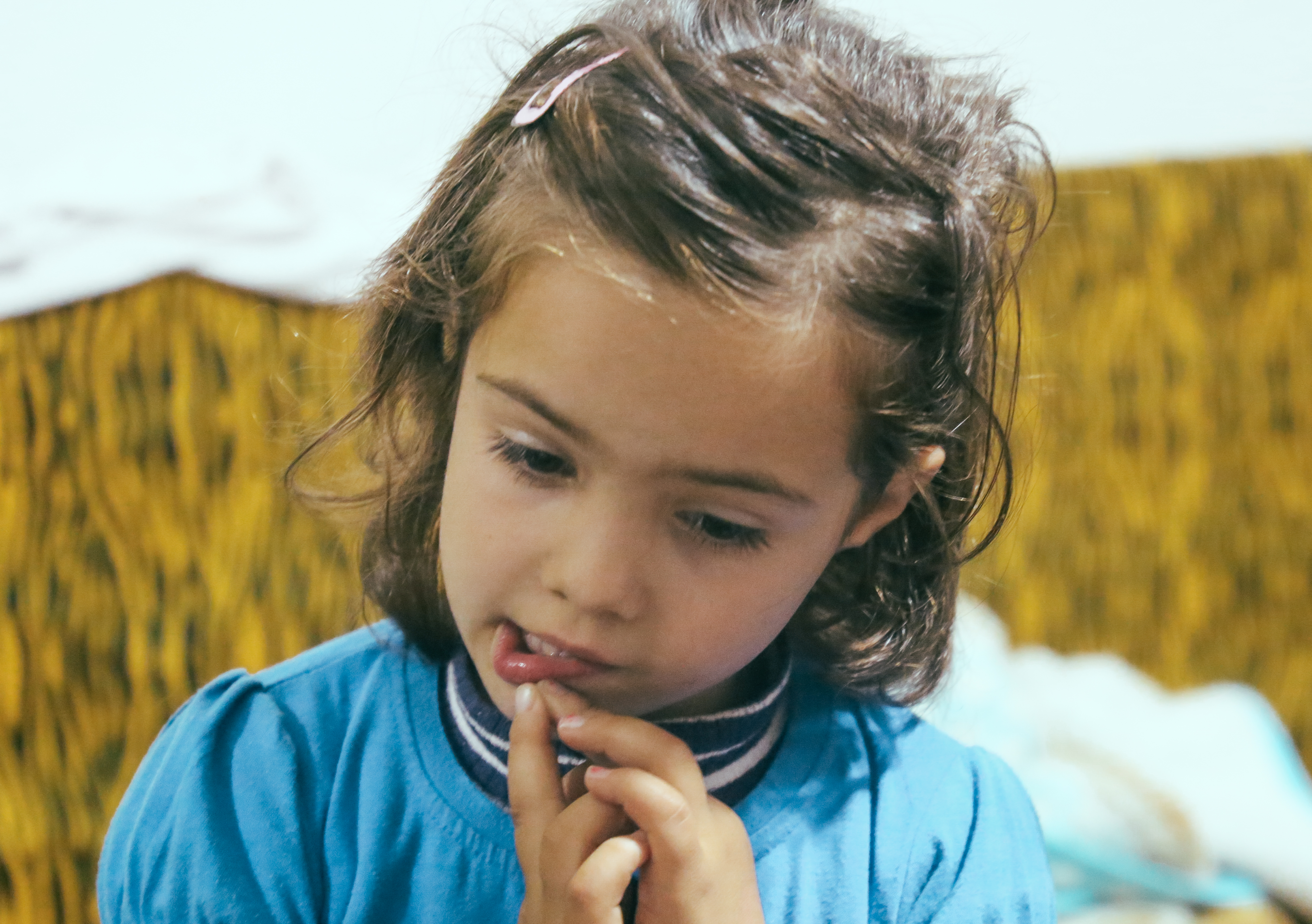
What can we say? We only had one sewing machine to donate. It seemed symbolic to us, but to their family it seemed like we were donating a treasure. We went inside, put the sewing machine on the table, and met their little girl, who greeted us with her sweet voice and an angel face. It was so nice to see a family where mom and dad couldn’t even talk or hear, but their daughter somehow could understand and communicate with them. And why was she so small?
We explained how they could use the sewing machine. The lady with a longing and patience watched us as were trying to explain how she could use it. We didn’t know how to feel, what to say or how to act. Her husband left us for a moment and went into the next room. He returned with another sewing machine that the lady had used before it was broken. He had been working on it but had never been able to fix it, much less buy a new one.
It’s hard to describe what I experienced: my happiness and the happiness that the family felt in those moments. They thanked us immensely for the sewing machine while I as a 20 year old girl and young activist want to thank you for the opportunity, the confidence, the cooperation and what I experienced when I knocked on their door, just with a sewing machine that was not mine. THANK YOU.
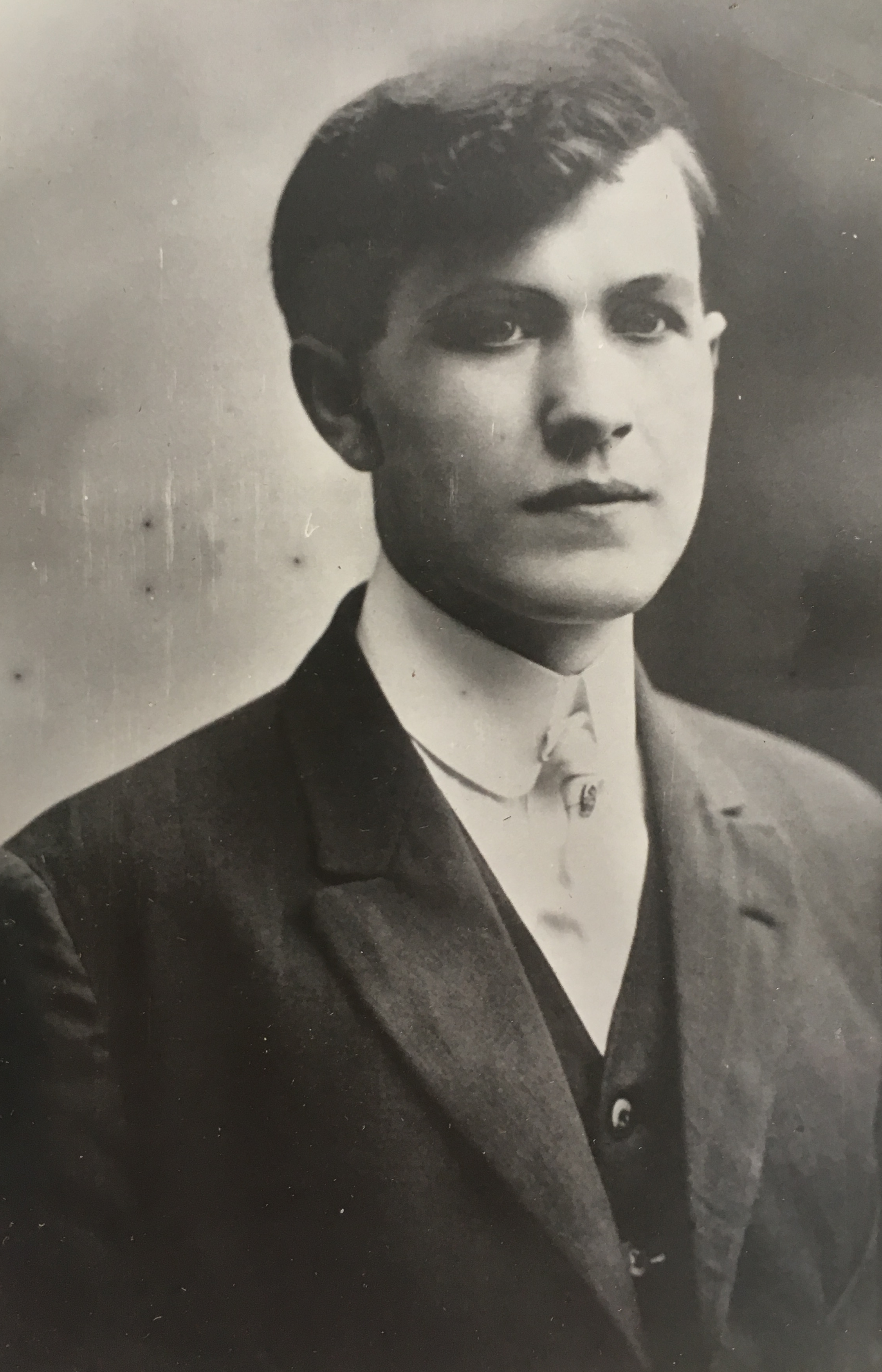
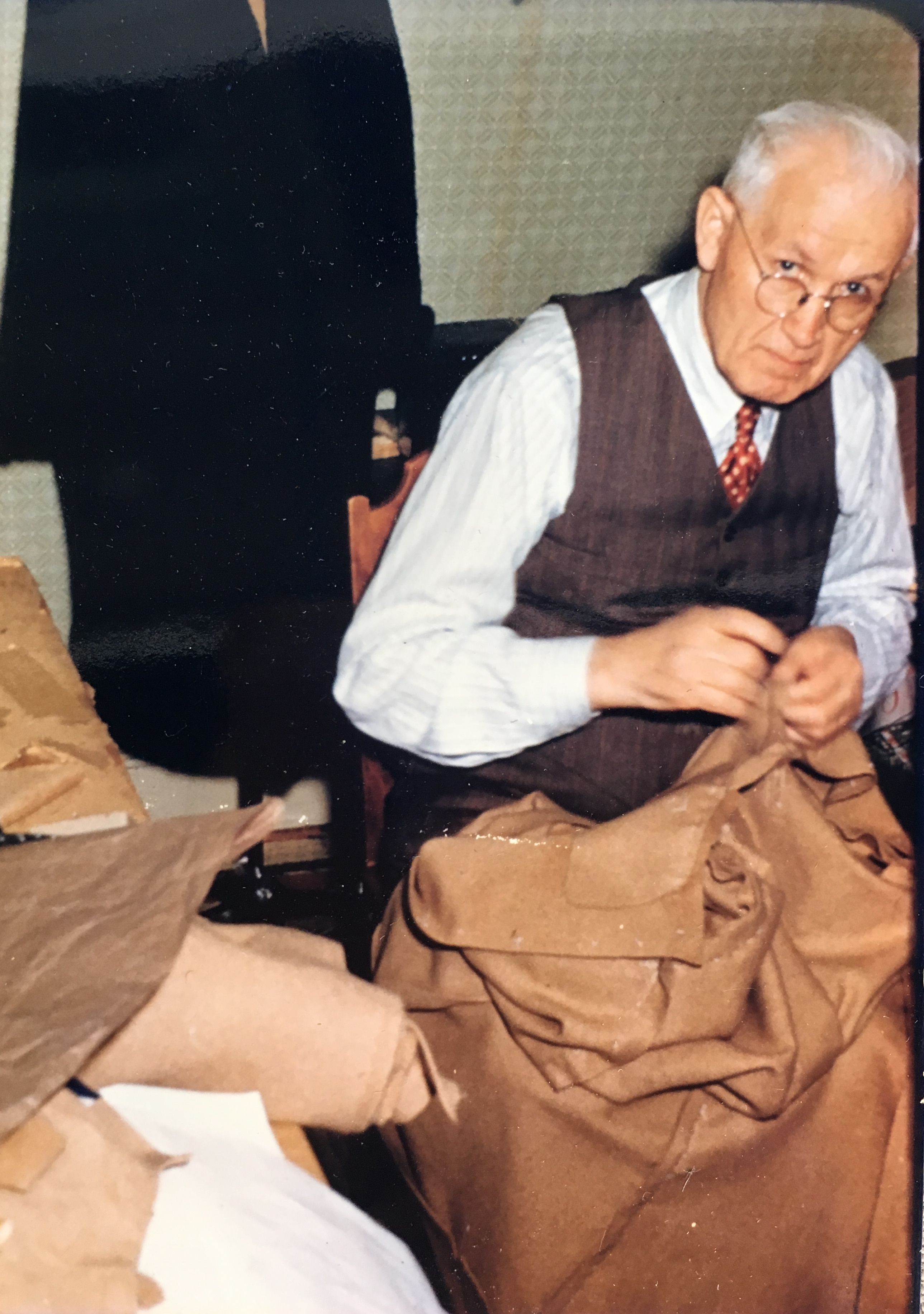
Robert Musil, 23 years old, left Krizanow, Moravia (now the Czech Republic), in October 1910. His sister Fanny Vogel had previously emigrated to the U.S. and she and her German husband sponsored Robert’s trip. He traveled north to Bremen in Germany and embarked for the U.S.
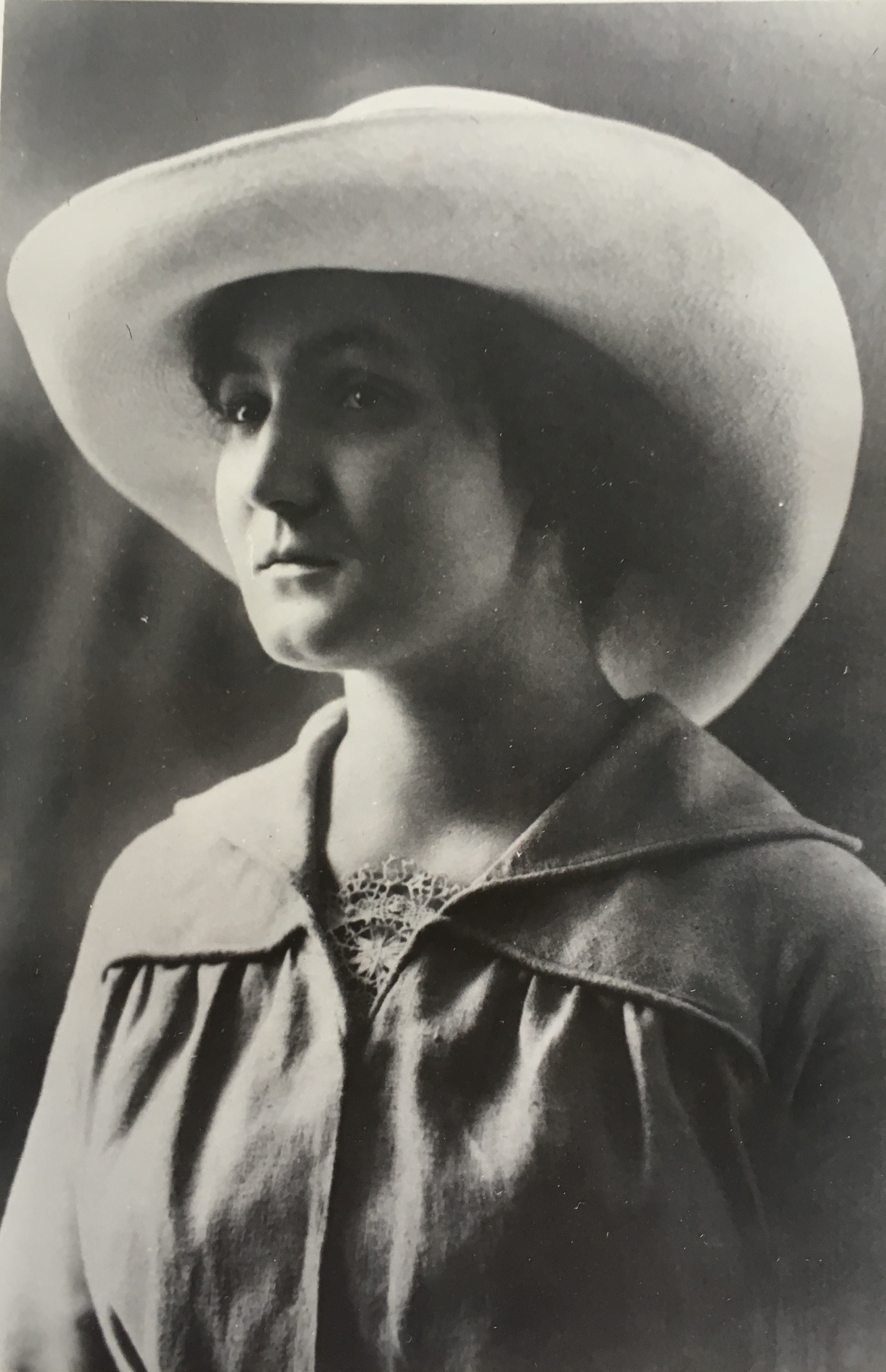
He arrived at Ellis Island November 17, 1910, looking for a new life and greater opportunity. Like most immigrants he was not looking for a handout but rather to become a creative part of his new country. He was ready to work. Robert was a tailor, made a living his whole life sewing. He is an American success story of how immigrants enrich America. In 1912, Robert married another Czech, Bozina Ourednik. They had two daughters, born in 1914 and 1917.
Bozina Ourednik
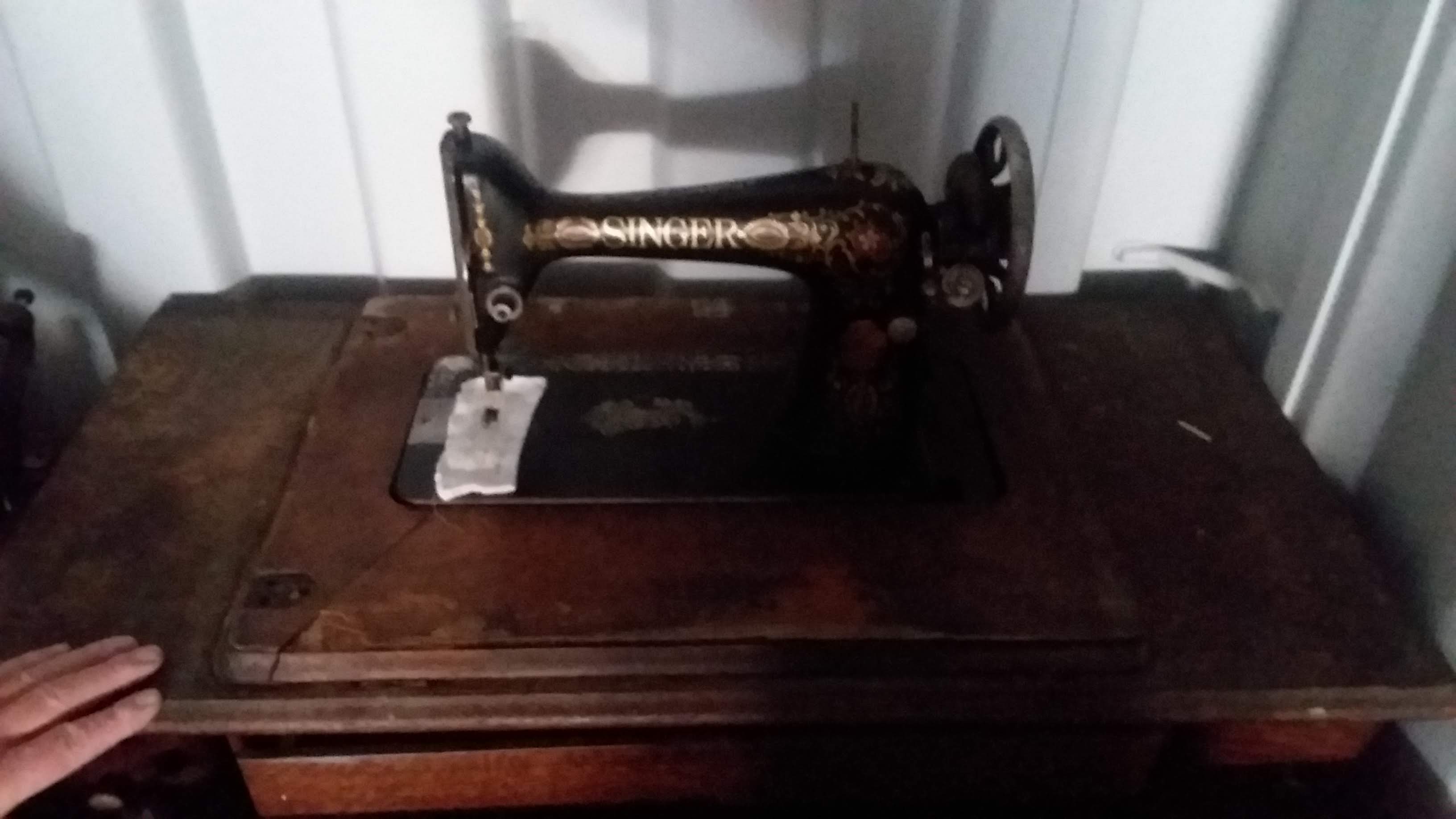
Robert was an entrepreneur who supported his family through hard work and great skill. He bought himself a new 1912 Singer manual sewing machine and went to work. In New Rochelle, New York, he worked out of the front parlor of his home where he had a large triple mirror so his clients could see themselves in the custom-made dresses and suits he made. He basically had only a half-dozen wealthy customers, for whom he made evening gowns, suits, and coats.
Robert passed away in 1960. His sewing machine stood idle, finally ending up in his granddaughter’s garage, a family heirloom but what to do with it? The 1912 Singer was waiting for a new life somewhere, ready to go back to work. All these years later his granddaughter, Betsy Richards, still had the sewing machine packed away in her garage. After learning of the mission of Sewing Peace, Betsy decided the best thing to do with it was to donate it so someone else could make a living with that high-quality machine made in the U.S.
Robert Musil’s 1912 Singer Treadle Machine
In comes Anne Fitzgerald, sewing machine collector extraordinaire. Betsey found Anne because the P4P/SP collection was announced in the local newspaper. On October 5th, 2019, Anne brought the sewing machine to the P4P/SP collection at the Asbury United Methodist Church in Croton-on-Hudson, New York. The collection was sponsored by the Croton Lay Interfaith Council.
Robert Musil
Gary, our V.P. and collection coordinator, went to that collection and brought that sewing machine back to the warehouse. Then Dennis our tinkerer did some minor maintenance on the machine. It is now working beautifully!
Robert Musil’s sewing machine shipped to DRVR, our partner in Togo, West Africa, on October 26, 2019. Previously, DRVR had received only one shipment of sewing machines. But with the generous support of the Clif Bar Family Foundation, DRVR is now a bicycle program as well as a sewing program. We hope to be able to trail along to the final destination of Robert’s machine and bring you the conclusion of the story in our 2020 spring newsletter. [Here is that story.]
Hope you are fine. Today, 20 August 2019, we have received 73 sewing machines which are so nice and attractive.
Among them we see overlocking machines and Baby Lock machines, 2 sergers, and a hook for embroidery machines.
The machines have been wrapped in a very unique way from the U.S.A.
I once again extend our sincere thanks to you, the Dewan Foundation, the volunteers involved in refurbishing the sewing machines, and to all those who kindly donated such nice machines to us.
Pass on our warm regards and thanks please.
Yours, Mathew Yawe Executive Director, Mityana Open Troop Foundation
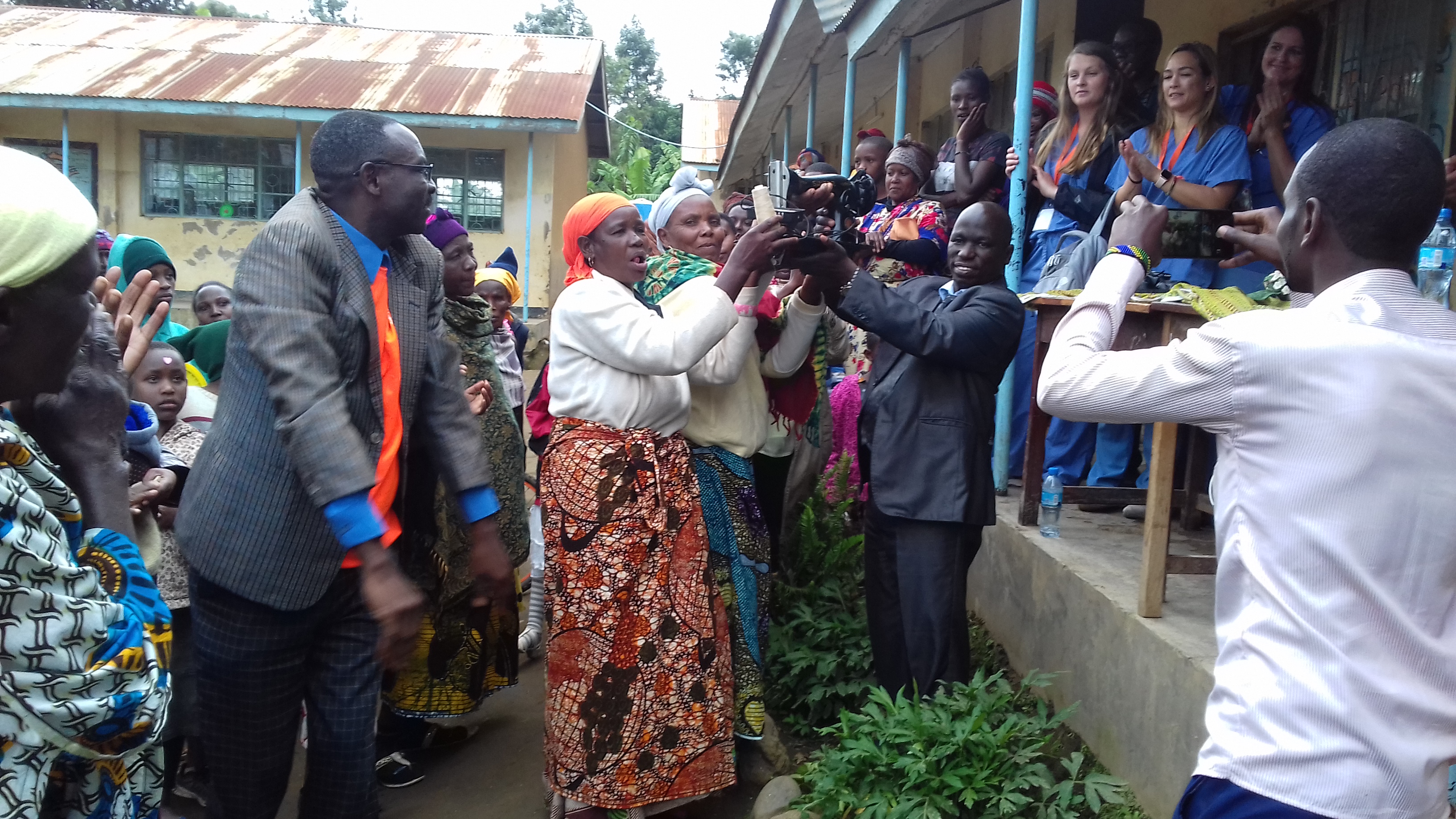
Togo is our newest partner country. Our partner organization there is the Association Défi et Révolution de la Vie Rurale. We shipped them 72 sewing machines earlier this spring. It arrived in June and we have photos of the distribution of the first of the machines.
Welcome and here’s hoping for a long-term partnership.
By Mathew Yawe, Executive Director
Spring 2019 Newsletter
BackGround
The Mityana Open Troop Foundation was started in 1997 by a group of Boy Scouts who had been affected by socio-economic issues leading to their dropping out of school. Others had been affected by HIV/AIDS due to loss of their relatives and guardians. The initiative started as a community program by raising awareness of the HIV/AIDS scourge. We held talk shows on health. We promoted environmental protection, child nutrition in risky communities, food security, support and education to vulnerable people, and functional adult learning among those who cannot read.
The high school drop-out rate caused by socio-economic factors and the nature of the Ugandan education system, which emphasizes theory, resulted in a high youth unemployment rate: 64%. Crime rates among youths in Uganda, specifically in the Mityana area, were high.
Because of these concerns, our organization started a Vocational Skill Training project in 2007 to recruit vulnerable youths. With support from partner organizations in the U.K., we started working with parents and other members of the community to mobilize unemployed youths in Mityana who had interests in acquiring vocational skills. We recruited school dropouts who didn’t complete their studies because they couldn’t afford school fees. We recruited girls who dropped out of school due to unwanted pregnancies. We also advocated for girls who were sex workers to abandon that activity and join our project. The project is currently recruiting single mothers and disadvantaged youths to be trained in:
tailoring, designing, and fashion
hair dressing, beauty, and weaving
carpentry and joinery
motor vehicle mechanics (parts 1, 2, and 3)
crop and agriculture skills
languages (English and Luganda), writing, speaking and
algebra
Each course takes 2 years. At graduation, trainees are awarded certificates along with start-up tools or sewing machines to enable them to go into the market and start their own businesses.
Mission
Empower marginalized vulnerable youths, orphans, and women through vocational skills acquisition and promoting better standards of living.
Aim
To reduce unemployment and over dependency among the marginalized groups of people.
Objectives
Mityana Open Troop Foundation aims at achieving the following objectives:
Create community awareness on sexually transmitted infections.
Create a conducive educational atmosphere by fully equipping the vocational project with all the necessary training tools/machines along with working materials.
Help vulnerable children attain education by sponsorship and scholastic material support.
Develop, promote, and educate children about nutrition.
Construct shelters for the poor, elderly, widows, and orphans.
Provide start-up tools to all who graduate from our program, to enable them to start their own businesses.
Achievements
During the training period of January – April 2019, we recruited 85 new trainees, for a current total of 112. In November 2018, 71 trainees graduated and left a big gap at the training centre!
Sewing Peace, our sewing machine partner, managed to approach The Dewan Foundation and asked them to kindly sponsor the shipping of 2 pallets to our Vocational Project in Uganda.
The project has conducted training in all the courses mentioned above.
Project trainees participated in athletic competitions and did well.
Project trainees participated in a debate on the topic, “How can one overcome AIDS?”
Project trainees together with scouts volunteered in clearing brush
around the well that is the village water source.
The project with support of Mr. Nino Ardizzi and Ms. Madison Ardizzi of Canada began construction of a wooden poultry house, where trainees will learn poultry farming, though the house has not yet been roofed and completed.
Appreciations
Many thanks go to Sewing Peace, for donating us nice sewing machines, which have really made a great change in our communities and made possible the sewing training workshop at our project. Initially the machine-to-student ratio was 1 to 5 trainees; now each trainee has a machine. We praise Mr. David Schwiedenback for always caring for our project. We also thank all volunteers involved in refurbishing the sewing machines and the sewing machine donors.
We extend many thanks to The Dewan Foundation for having kindly funded the shipping of sewing machine pallets to our vocational project in Uganda. Please continue with your kind spirit; we appreciate your great care.
The project extends many thanks to Mr. Nino Ardizzi and Ms. Madison of Canada for supporting us in constructing a poultry house, though it is not yet completed.
We thank the Government of Uganda, through its Ministry of Education and Sports, for always sponsoring 50 disadvantaged youths at our vocational project.
Thanks go to Kolping Mityana Womens project, which sponsors some 15 orphans at our vocational project. The funds from the Ugandan Government and from Kolping have supported paying the instructors and providing meals for our trainees.
Challenges
Insufficient classroom space has Very Very much affected our programs, as we must sometimes train outside, where it is not safe when it rains and where it can be extremely hot. Lack of classroom space also forces us to limit the number of trainees who can enroll in our programs.
We charge little tuition for our training, but unfortunately some still cannot afford it! As a result, the project sometimes cannot pay instructors on time or provide meals for trainees.
It is a challenge for us to pay shipping costs and Ugandan import fees for the sewing machines donated to us by Sewing Peace.
Future Plan / Way Forward
Construct a 2-classroom block to accommodate all potential trainees.
Continue to get sewing machines shipments from Sewing Peace.
Partner with and visit other U.S., Canadian, U.K., and other organizations and other vocational training programs to learn how they operate and how they sustain their institutions.
Conclusion
On behalf of the Mityana Open Troop Foundation, I conclude by thanking once again whoever has supported us financially and in-kind, and those who have worked tirelessly towards the development of our project. Thank you very much.
Donate bicycles and sewing machines to developing countries