Category Archives: Sewing Partners

Uganda: Mityana Open Troop Foundation Graduation, 18 November 2018

By Mathew Yawe, Executive Director, Mityana Open Troop Foundation
Fall 2018 InStitch

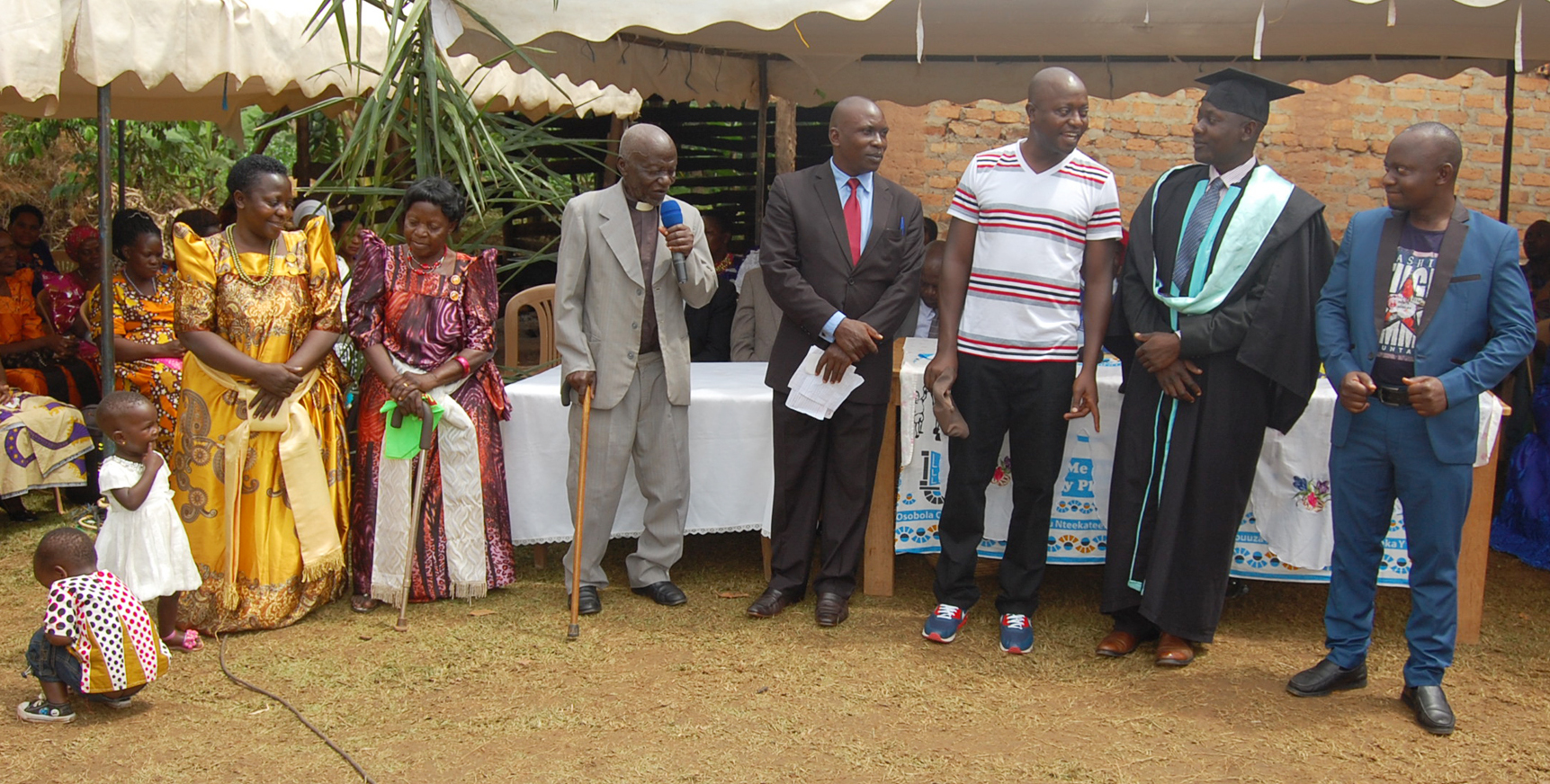
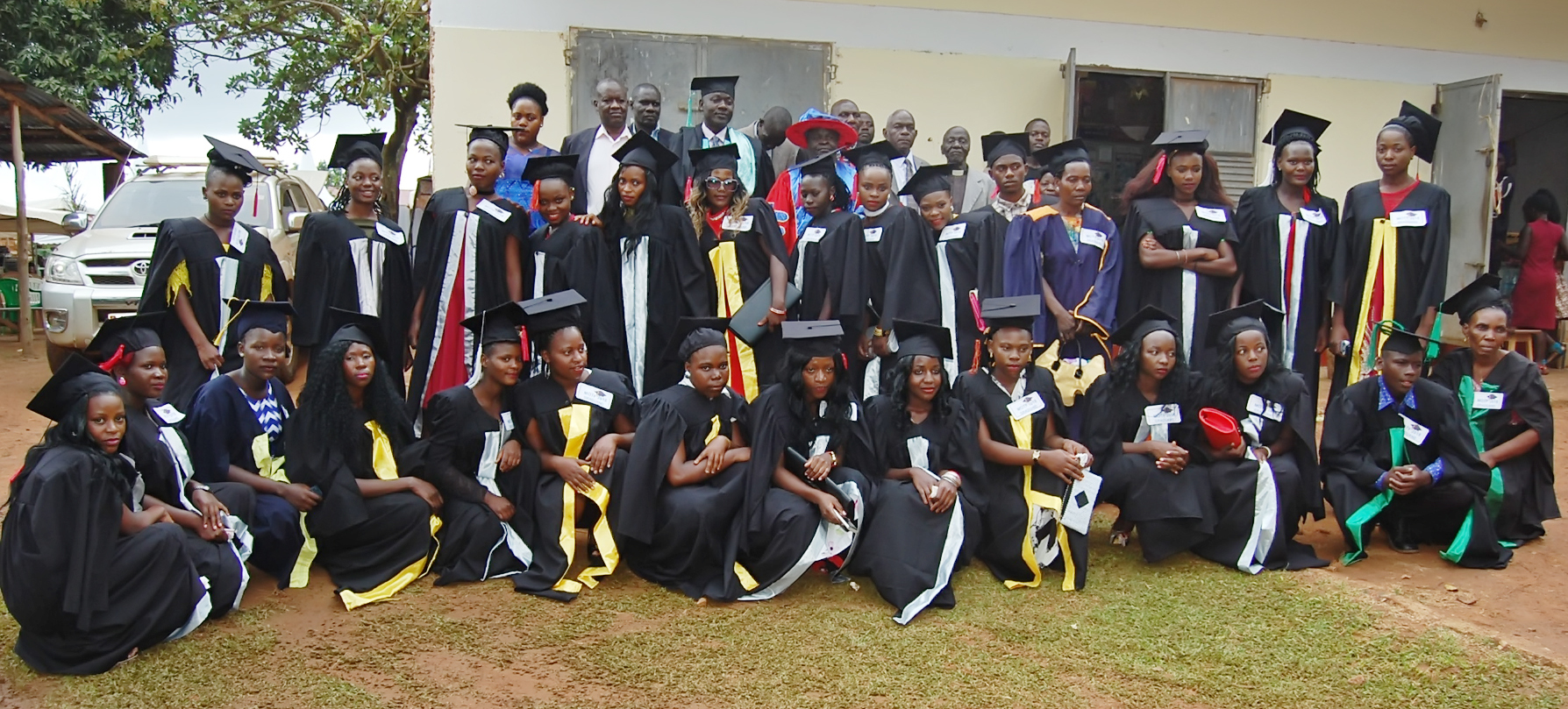
The Mityana Open Troop Foundation held this year’s graduation on 18 November 2018. Robinson Nsumba Lyazzi, the director of Basic Education, Uganda Ministry of Education, presided over the graduation and commissioned 71 graduates:

  • 28 in sewing/tailoring
  • 40 in hair dressing & weaving
  • 3 in motor vehicle mechanics


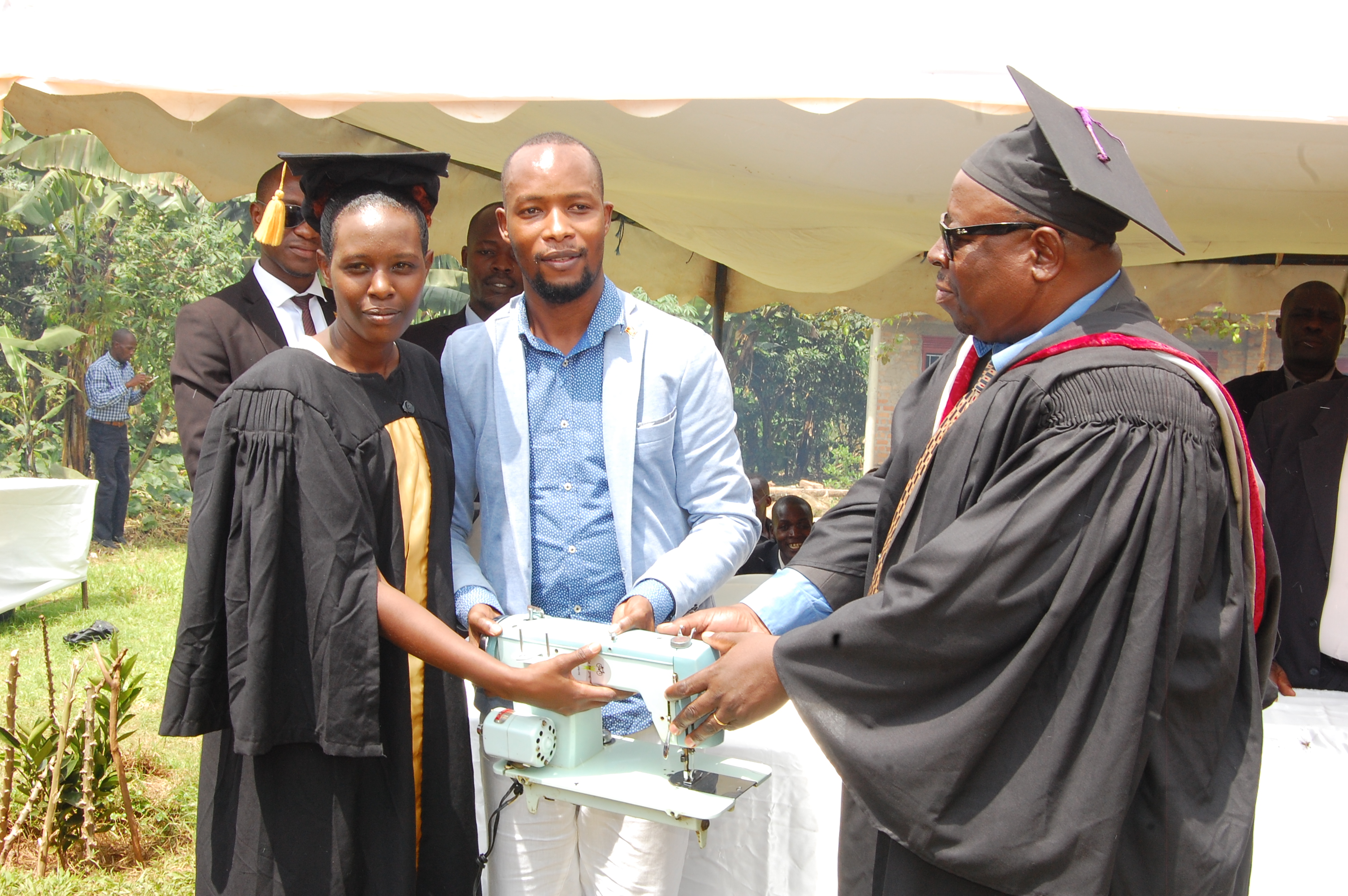
All graduates were awarded certificates and each sewing graduate was given a nice sewing machine from Sewing Peace U.S.A. The function was witnessed by over 600 guests, trainee parents, and government officials.

Achievements:

  • Conducted the 7th Project Graduation Ceremony and commissioned 71 trainees.
  • Completed the construction of the Girls dormitories / hostels, with funds from selling some of the sewing machines from Sewing Peace U.S.A.
  • Opened a shop in our town, where we are selling sewing machines and bikes from Pedals for Progress / Sewing Peace U.S.A.
  • Started this year training Agriculture lessons, at our project.
  • The Sewing department is well equipped with sewing machines from Sewing Peace. We experience mechanical problems every day, as learners operate the machines the other way round! But we call the servicing man to repair them, and we are trying to train our youths to fix them when problems arise.

Challenges:

  • Insufficient classrooms at the vocational project! The one existing room (10 ft by 20 ft) can’t accommodate the large number of trainees. Some trainees in the tailoring/sewing class study under tree shelters, while the hair dressers study in the outdoor shelter, where they get soaked when it rains, as there is nowhere to go!!!
  • It is still a challenge to raise shipping costs and pay customs charges for the sewing machines from Sewing Peace. That’s why we have to sell some of them to the communities to enable us cover the shipping costs and customs charges.
  • The project shop where we sell our sewing machines and other sewing services lacks an embroidery machine that can design school badges and name tags. In our district, including the surrounding 6 district, there is no embroidery machine, yet there are many schools that have to travel over 80km to Kampala in search of embroidering services.

Appreciations:
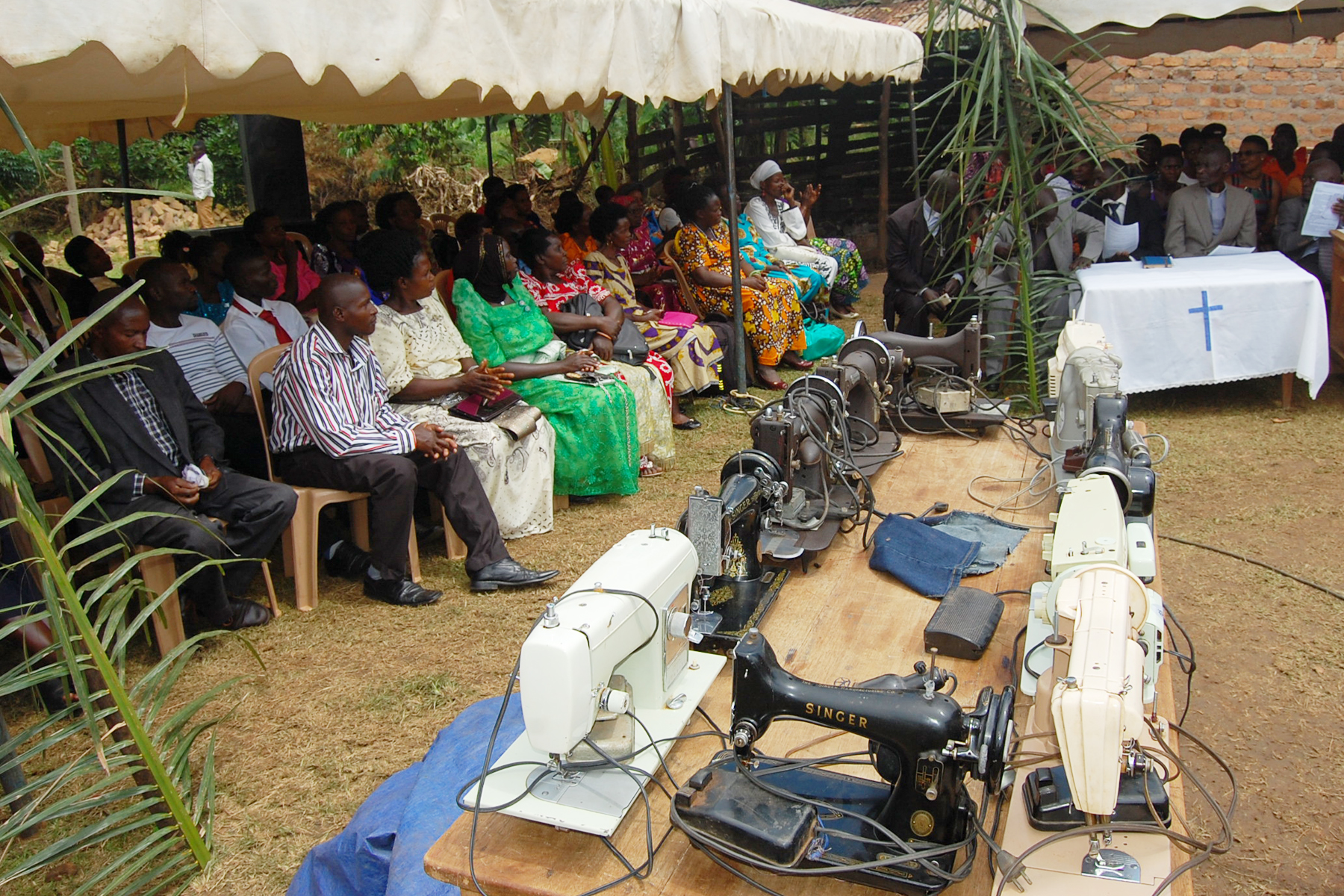
  • Many thanks goes to Mr. David Schweidenback, Pedals For Progress / Sewing Peace, and all its donors, for sending sewing machines of high quality. These machines have allowed us to have one machine per student for hands-on training in our sewing workshop, whereas previously we had one machine per 5 students. Furthermore, the donated sewing machines have supported project activities, such as paying some teachers, completing the construction of a girls’ hostel, and start-up tools for the project graduates. Please, Long Live Pedals For Progress / Sewing Peace.
  • We extend our thanks always to Mr. Christopher James Eldridge, who supports a number of activities at our project.
  • We thank the Government of Uganda, Ministry of Education & Sports, for having sponsored some disadvantaged youths in our programs.
  • Thanks go to Kolping Mityana Women’s project, Namutamba Child Development Program, and Fields of Life for sending orphans and vulnerable children to our vocational project.

Way Forward:

  • Constructing at least 2 classroom block, to accommodate more trainees, and to store tools.
  • Acquiring an embroidering machine, which can help generate income towards sustaining project activities.
  • Starting poultry farming, as chickens are rare and expensive in Uganda, yet need little space and produce profits quickly. We are also looking forward to introducing a chick hatchery machine to supply the 7 surrounding districts.

In conclusion, I especially thank very much Pedals For Progress, who made this year’s Vocational Graduation Ceremony colorful, by having donated many nice sewing machines, which we gave to the graduates. We extend thanks to all U.S. donors and volunteers involved in donating and refurbishing the sewing machines. Our trainees use the machines to generate income for food, housing, and medical care. These machines offer a new life and a better future for our trainees and their families.

Finally, I thank all those who have supported the Mityana Open Troop activities this year, especially Mr. Christopher James Eldridge, the Government of Uganda, and charities sponsoring orphans at our project.

God Bless You All.


Postscript to the 2018 GMRPCVs FedEx Shipment

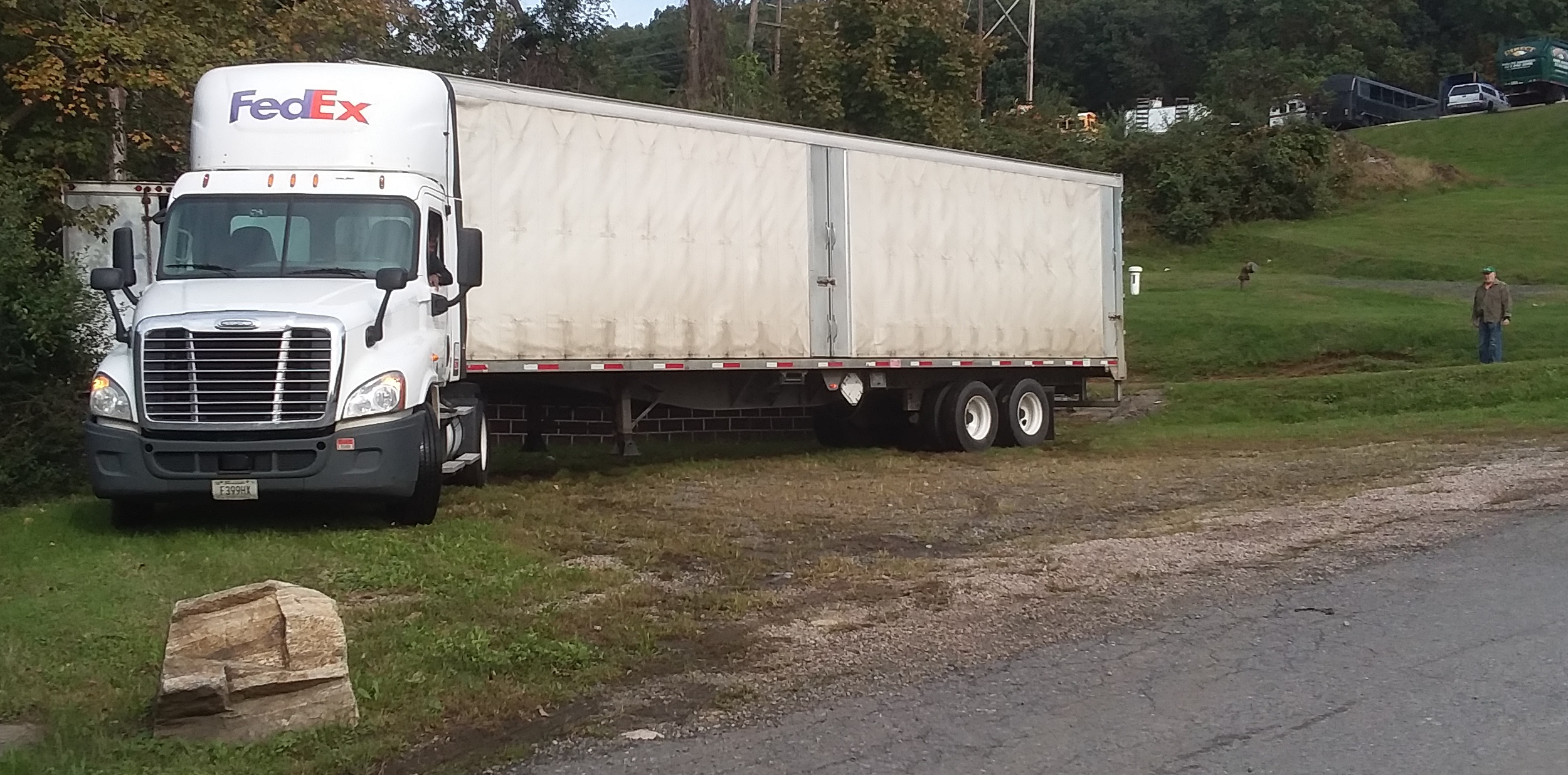
On October 16, 2018, the FedEx truck from the Green Mountain Returned Peace Corps Volunteers got to the P4P trailers in Glen Gardner, New Jersey.


We had our regular driver and he is highly skilled. We were perfectly happy with his first try to park the truck next to our loading dock, but he was not. He wanted to be closer to the dock to make the unloading easier.

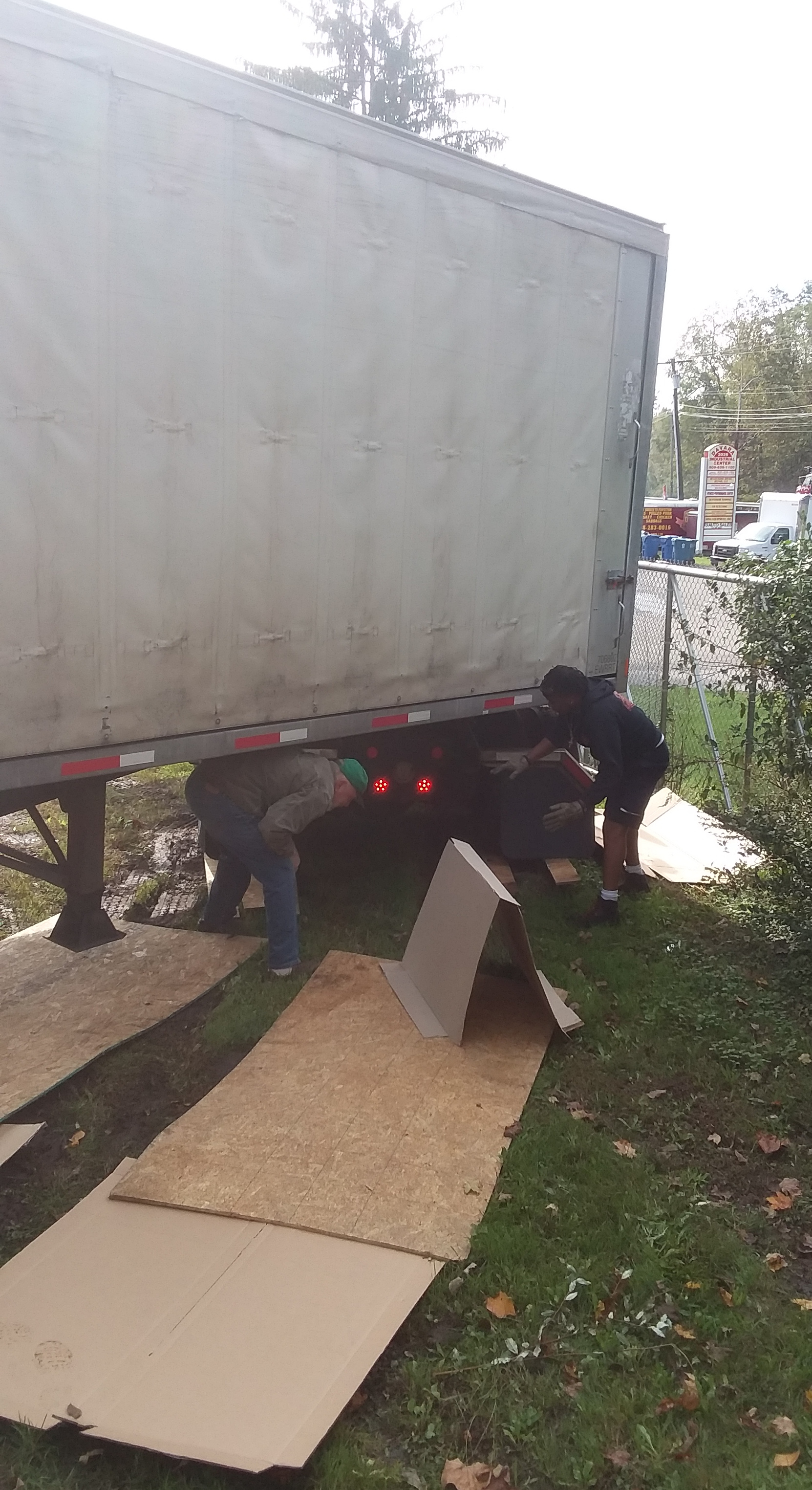
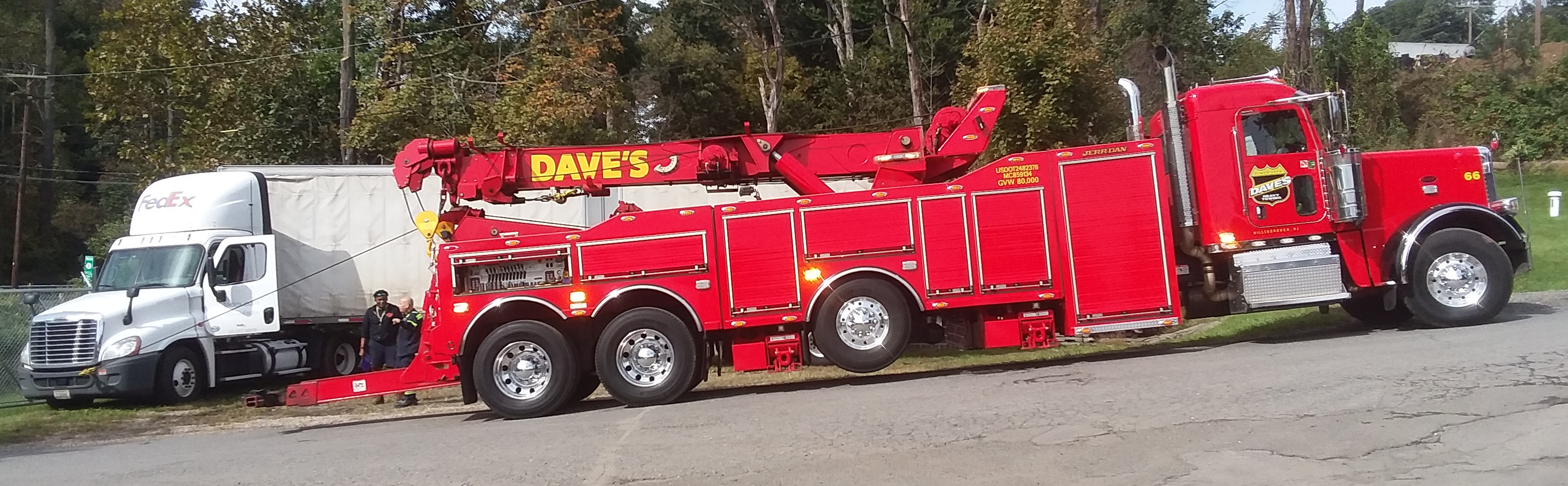
When he tried to get closer, though, he got stuck in a hidden low muddy spot in front of the trailers—wheels spinning, mud flying, truck not moving. I was sure that getting the stuck tractor-trailer out would be a huge problem.


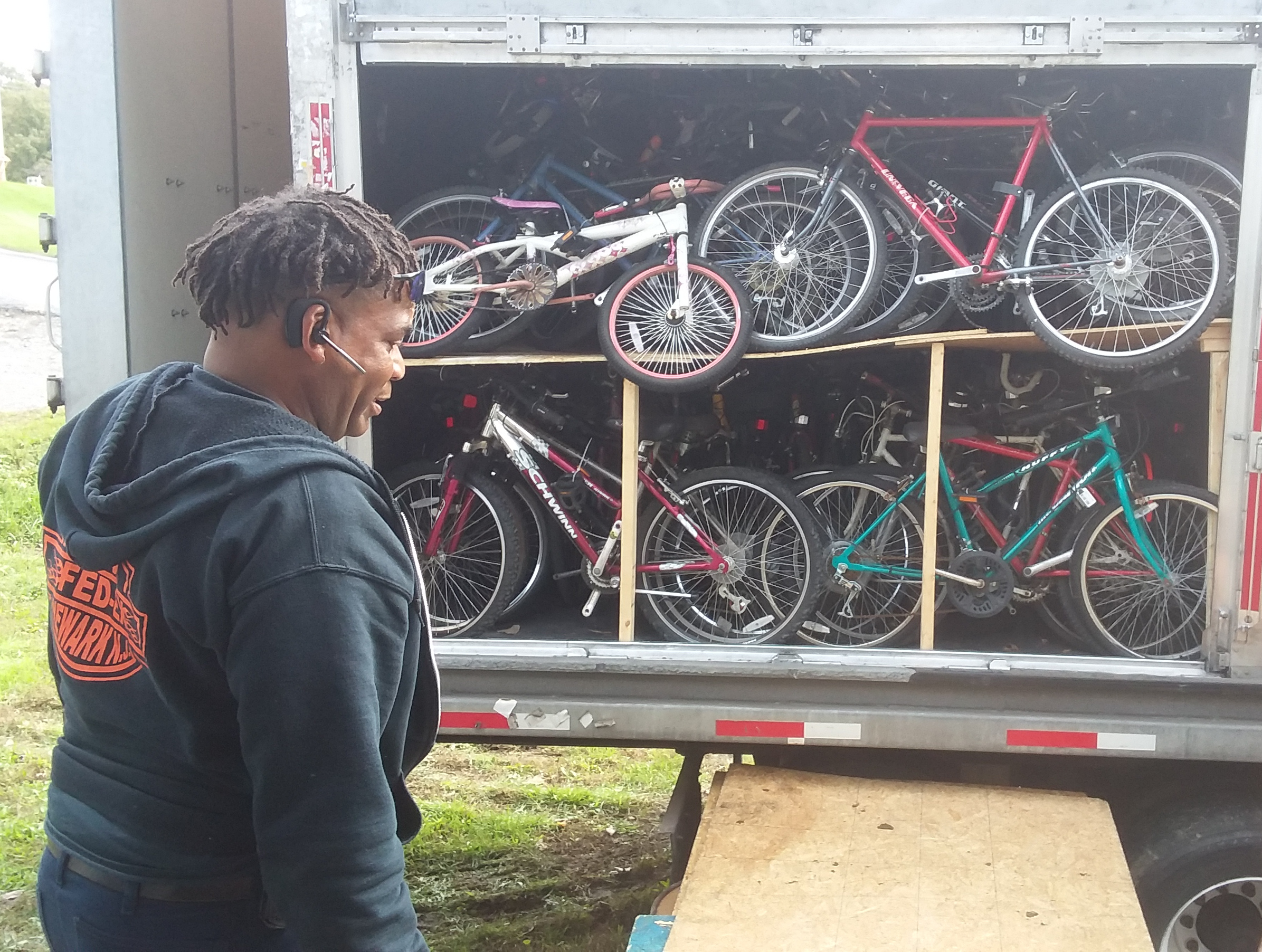
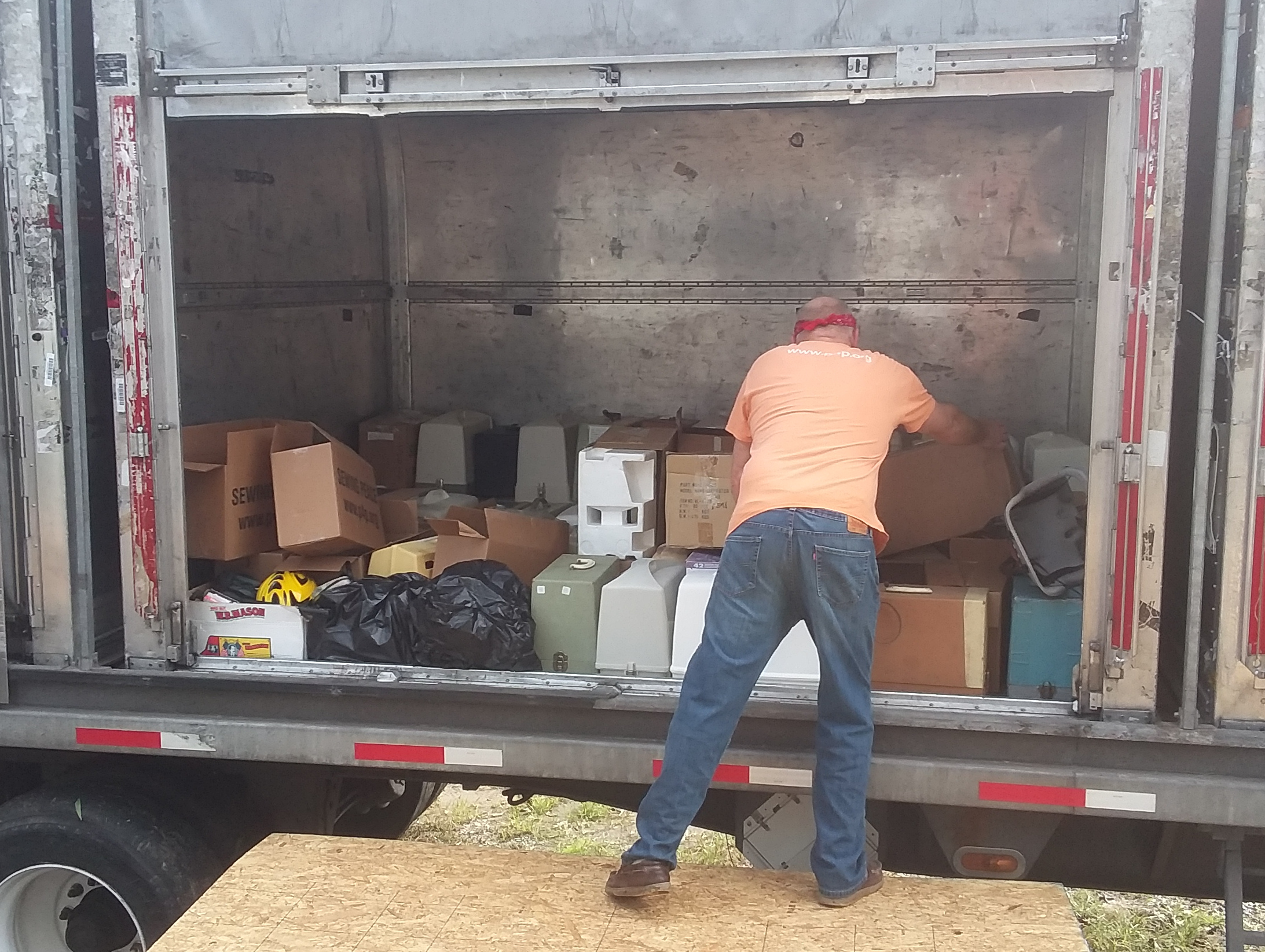
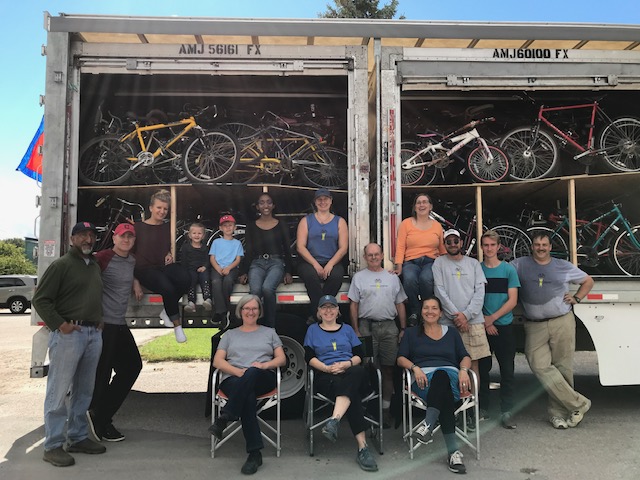
Unloading FedEx truckIn the meantime, we unloaded the 4 FedEx canisters: 193 bikes and 75 sewing machines.

The driver called a local towing company and the biggest tow truck I have ever seen showed up. The two drivers chatted amiably for a few minutes. Then the tow-truck driver hooked up a cable to the FedEx truck, flipped a lever on the tow track, and winched the FedEx truck to the asphalt in about 15 seconds. The tow truck never moved. What problem?


Report from Vermont, Fall 2018

By Joanne Heidkamp
Fall 2018 InGear/InStitch

[The partnership between the Green Mountain Returned Peace Corps Volunteers and P4P goes waaaaay back. They started their P4P collections in 1999. Twelve years later, they wrote this Recipe for Collecting Bikes. In 2014, they collected their 3000th bike. Now, in fall 2018, they sent us another truckload of bikes and sewing machines. Here’s the report.]


Our 2018 collection on Saturday September 29th was successful. We loaded 193 bikes and 75 sewing machines into 4 FedEx containers.

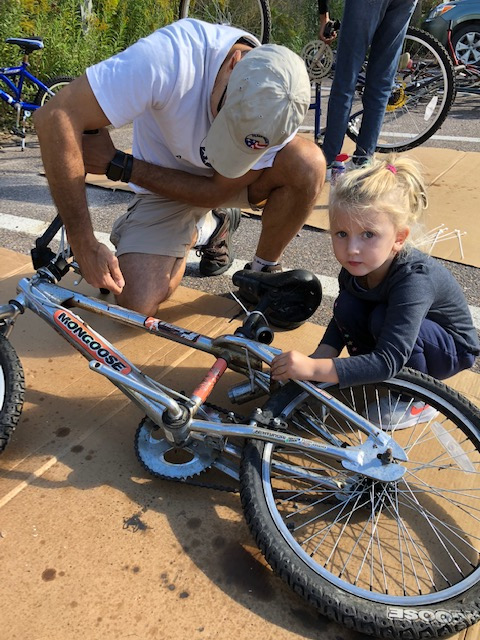
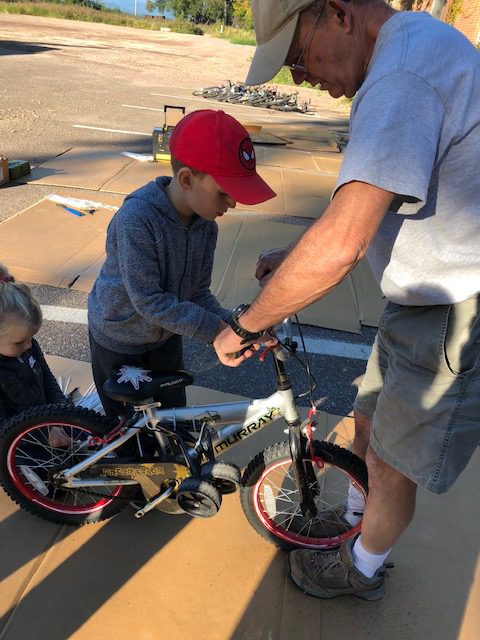
The two miniature bike mechanics Noah (age 5) and Melek (age 3) arrived at 8:30 a.m. to donate Noah’s outgrown bike. They stayed on, with their parents, until we closed up the truck at 1:30. They never stopped working. They strapped pedals to the frames, they greeted people bringing bikes and sewing machines, and they looked everyone straight in the eye and said, “Will you be donating $10 for shipping by check or with cash?” Quite a few people ended up donating extra.

Unfortunately, the quality of bikes is down this year. About 100 of the bikes came from some rural churches that held mini-collections—even after we eliminated the bikes with obvious rust, there are still quite a few marginal bikes in the load.

We are also feeling the impact of Old Spokes Home, a local bike shop plus non-profit that has expanded considerably in the past couple of years. They hold several big collections a year. At this point they are probably skimming 500–800 high-quality bikes a year from the local donation pool. It’s hard for us to compete with their impressive local accomplishments in providing transportation and skills to local teens, refugees, people who can’t drive or don’t have cars, guys on parole, etc. It’s an excellent project. They have donated bikes to P4P when they have a surplus. They get bikes from college campuses in the spring, and from local police departments—both are sources we can not tap into because we don’t have storage, and we don’t want to have to fundraise the $10 per bike.

We also loaded 4 cases of brand new bicycle seats donated by Terry Bicycles, a women-focused bike clothing and accessories company located in Burlington. Our contact at Terry is Colin Sturgess, the operations manager. Colin was the manager at FedEx who first provided us free shipping to New Jersey, back around 2000. He saw our truck in the KMart parking lot last year and left a note sending good wishes. We followed up, and this year he invited us to do outreach at Terry’s annual tent sale in August, and made the offer of donated bike seats as well.

The quality of the sewing machines is up. Half of the machines were collected by Mary O’Brien in Springfield, who checks each one carefully before turning them over to us. The other half came in on Saturday—a lot of nice 1980s portables in their own cases, as well as several Bernina overlock sergers, which are fantastic for sewing knits. We also loaded a 1930s Singer with a knee controller.

Mary O’Brien works in solid waste management for the Southern Windsor County Regional Planning Commission, southeast of Burlington. She has been collecting sewing machines for us since 2014. This year she collected 36 machines that she had individually tested. The solid waste district covers the $10 per item. We are in awe of her!


2018 Success Story from Uganda: Agnes Nakabuye

By Mathew Yawe
Fall 2018 InStitch


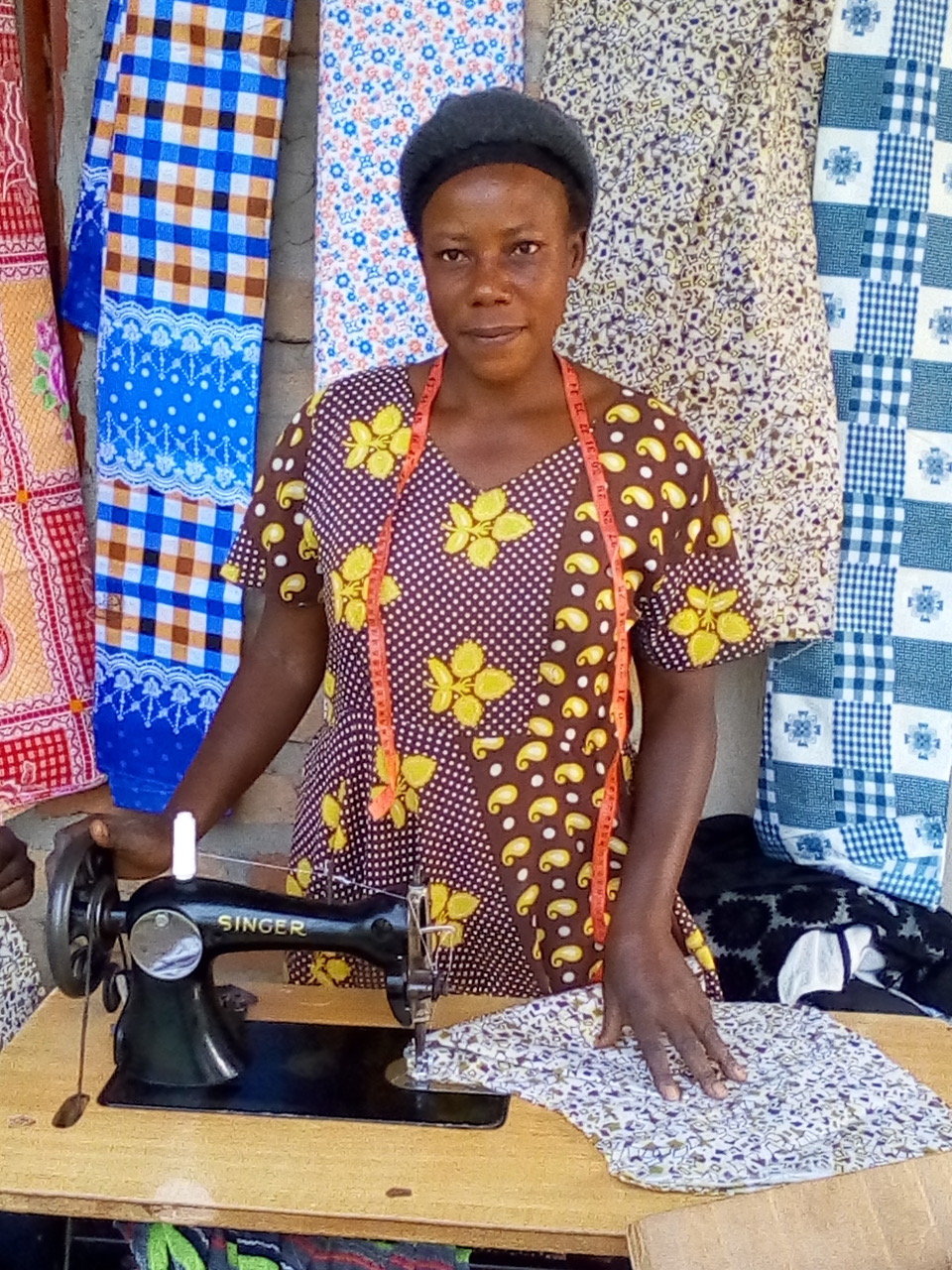
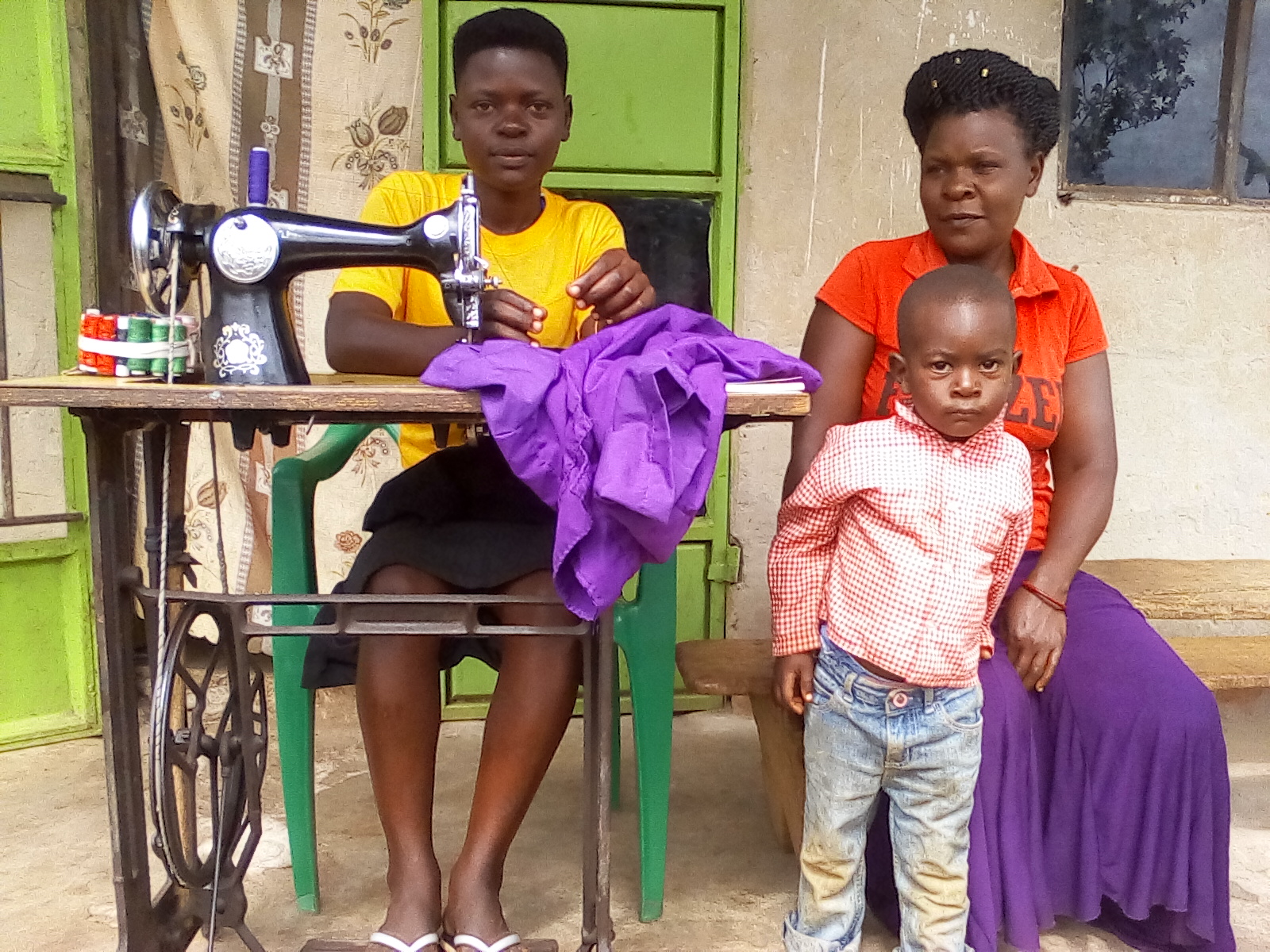
Agnes Nakabuye is a 38-year-old widow and single mother of 4. Our vocational project sponsored her 2 years of training in sewing, tailoring, and fashion design. At the end of her 2-year course, the project gave her at no cost a manual Singer sewing machine from Sewing Peace.

For her business, Agnes hired a space on the veranda in our town of Mityana for U.S. $5.40 per month. She earns daily U.S. $2 to $4 selling second-hand clothes, fitting and repairing clothes, and making school uniforms.

Agnes has managed to save money for renting the room where her family lives, for buying food and medication, and for paying school fees for three of her children. Her first-born is 18 years old in senior six; her second-born is 15 years old in senior four; her third-born is 13 years old in senior one; and the last born, 9 years old, dropped out of school in primary six because Agnes could not afford the school fees.

Agnes has several challenges, and several hopes and dreams for the future.

  • She would like to expand her business, so she would like to be able to afford more material for her tailoring.
  • She would like to be able to afford a better sewing machine: one that can work on tougher fabrics and that has overlocking capability.
  • She would like to be able to rent a shop where she can safely store her customers’ clothes and her sewing machine. As of now, every day she must carry the machine and her materials between her room and her space on the veranda!
  • Ideally, she would like to be able to afford her own property, where she could build a house, grow food, and start a poultry-farming project.

Besides running our training programs, the Mityana Open Troop Foundation has also set up a sewing-machine shop in Mityana Town where schools and tailors can buy high-quality sewing machines at reasonable prices. The profits from the shop help pay our instructors and shipping costs.

We extend our sincere thanks to Sewing Peace for providing the machines that we use in our training programs, that we provide to our graduates in starting their own businesses, and that we sell in our shop to make our organization successful.

Fall 2018: New Partner in Tanzania: the Matabaiki Olere Organization

By Giza Mdoe
Fall 2018 InGear/InStitch

[In October 2018, P4P shipped a container with 469 bikes and 119 sewing machines to our new partner in Tanzania, the Matabaiki Olere Organization. Giza Mdoe is our contact there. Here he introduces himself, his region, and his plans for two projects: one with sewing machines and one with bikes.]


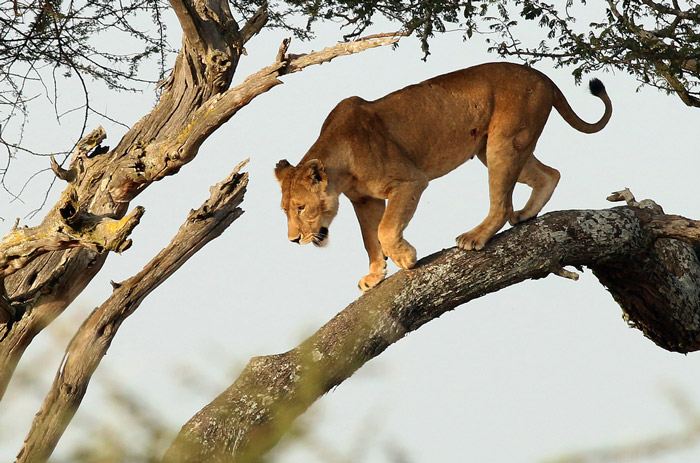
The Matabaiki Olere Organization is based in the town of Arusha, Tanzania. Arusha is a tourist hub, 60 miles from Kilimanjaro, the highest mountain in Africa, and 100 miles from the Serengeti Plains and the Ngorongoro Crater, the world’s largest caldera, home to the world’s only tree-climbing lions. The Ngorongoro Conservation Area also contains the Olduvai Gorge, one of the most important paleoanthropological sites in the world.

I grew up in Kenya, where I was raised by a foster family. They live in Boston now.

Sewing-machine Project: Fabrics of Society (FOST)

 
Fabrics of Society (FOST) is a project for training single mothers in sewing, tailoring, design, and marketing.


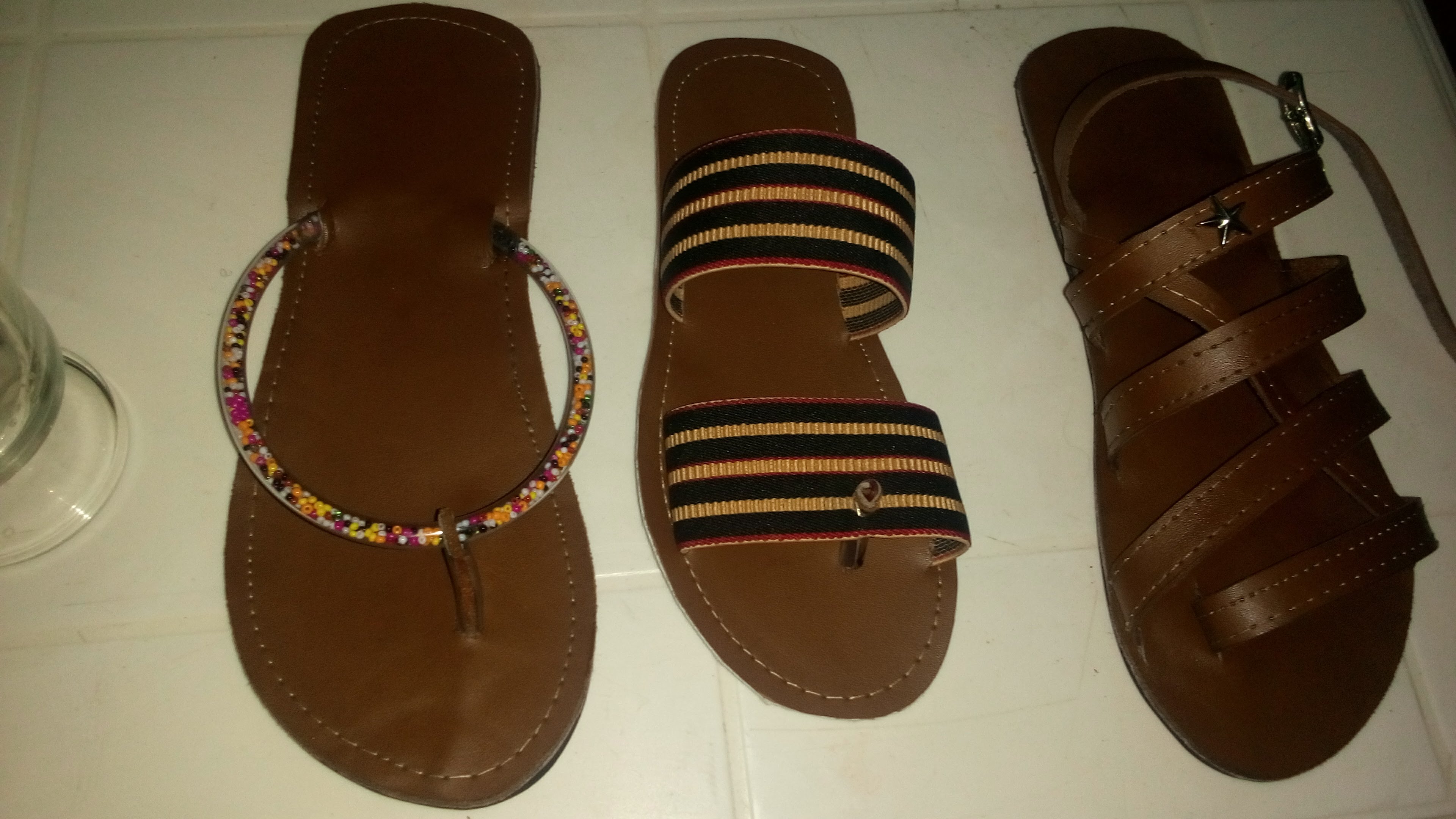
The sewing machines will all go into a production line for various items to be sold in country and exported, including to the U.S. At the moment I enroll school drop-outs who are single mothers. We have five sewing machines and the women make sandals as well as clothes. In this country when a girl gets pregnant in school she is expelled and is not allowed back into school even after her child is born, worsening the cycle of poverty.

The girls learn to use the machines free of charge. They take a percentage of the sales. We donate books and supplies to local schools where our girls give testimonials to help with awareness.

Depending on availability of sewing machines and trainers, FOST aims to enroll 180 women in the training program and 20 tailors (who have previous experience). We will hire 2 teachers and 3 training assistants.

The trainees will attend 3-hour classes 3 times a week. The training is done in 4 stages, each lasting 3 months with each stage marking a specific level of proficiency. A small enrolment fee is charged to give the members a sense of responsibility and ownership.

The initiative is done in partnership with VETA, the Tanzanian Vocational Education and Training Authority, who will issue certificates of achievements to the graduates. The project will start in Dar es Salaam and then move to other regions.

Besides technical training in tailoring, the initiative provides basic life skills in health, nutrition and sanitation. Focus is family planning as well as the importance of pre- and post-natal clinics, breastfeeding, balanced diets and personal hygiene.

Bicycle Project: Watu wa Delivery (WWD)


Watu wa Delivery (WWD) is Swahili for “delivery people”. It is designed to create employment for impoverished youth in urban areas. Employees will use bicycles to deliver food to urban residential areas and mail to commercial centers.

I expect to put at least 200 bikes into the delivery business project and sell the rest to raise the U.S. $6000 for our next shipment. Since I have never done such a project before I don’t know how long it will take but am assuming a couple of months.

The program will begin in Mbeya, which has a large population of urban unemployed youth.

The initiative will hire a delivery crew of 1500 and a dispatch and maintenance crew of 500. We will establish 50 Dispatch Centres. Each Dispatch Centre will have 10 bikes and each bike will be assigned between 2 and 3 delivery persons to work half- and full-day shifts according to their availability.

WWD will also establish telecom, internet, and networking services. Examples of these services are low-cost mobile calls and texts, marketing for sellers, a mobile app and a WWD website for buying, selling, and customer rating of sellers.

Besides job-specific activities, WWD will conduct monthly outreach programs for youth providing education on sexual health, drug abuse, youth rights, hygiene, health and nutrition, environment, vocational training and accelerated learning options.

Report from Kenya, Fall 2018

By Tom Ademba
Fall 2018 InStitch

[In March 2018 Sewing Peace made its first shipment to Aid the Needy in Homa Bay, located on the eastern shore of Lake Victoria in Western Kenya. The shipment of 72 sewing machines arrived in June. It was funded in part by the William and Helen Mazer Foundation of New Jersey.]


One of the beneficiaries of our first SP project in Kenya is a group called the Maseno Deaf Project. This is an organization of deaf people in Western Kenya running small businesses. They requested Aid The Needy to support them with a few sewing machines. They are making school uniforms, and designing various household garments that they sell to support their families. The group has 36 members working towards economic development.

Another Aid the Needy project is at the Atela Secondary School, where they use sewing machines in their Home Science classes. Atela Secondary School is a rural institution supporting education of young people from the smallholder farming communities in Rachuonyo District, Homa Bay County, Kenya. The school has a Home Science curriculum where sewing machines are a critical part of the syllabus. They now have good machines that support their classes.

Mother Teresia Van Miert, in Oyugis town, is a school run by the Franciscan Sisters supporting education of young children. The School has more than 300 children. By regulation, the school children must have uniforms. With SP sewing machines they are able to produce the uniforms within the school and make them affordable to the parents.

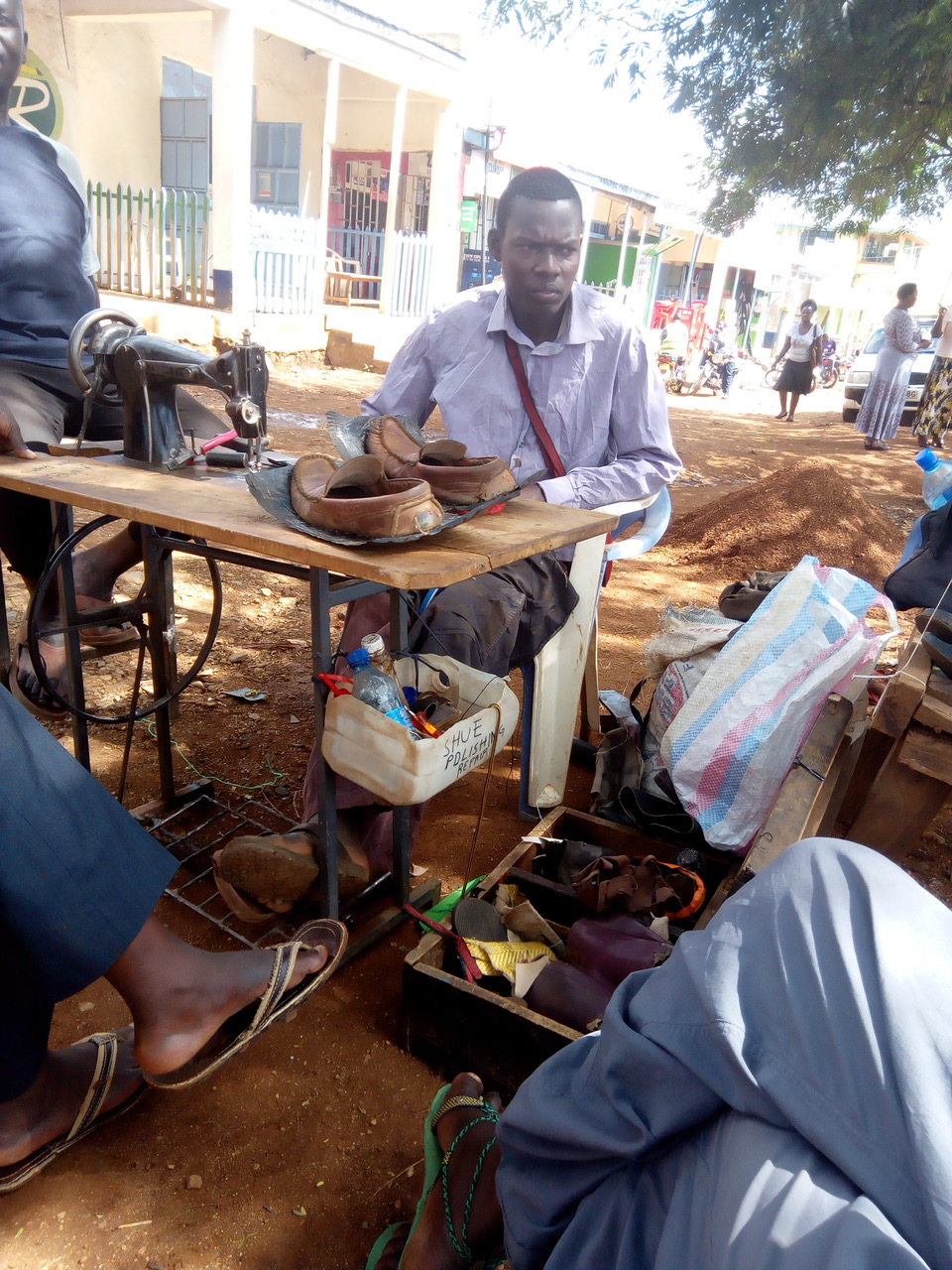
Luke is a cobbler who repairs shoes and bags, including lots of school bags. He also designs footwear from car tires. He does it so well that with only a few tools he earns good money. He purchased one machine that can run both manually and electrically. He operates under a shade tree in Oyugis Town, Homa Bay County, Kenya.

Report from Ethiopia, Fall 2018

By Samson Tsegaye
Fall 2018 InStitch

[In July 2017 we shipped 72 sewing machines to our partner in Ethiopia, Stiftung Solarenergie—Solar Energy Foundation. Import and logistical problems slowed the program. But we just got this report from Country Director Samson Tsegaye; the training has begun.]


Dear David,

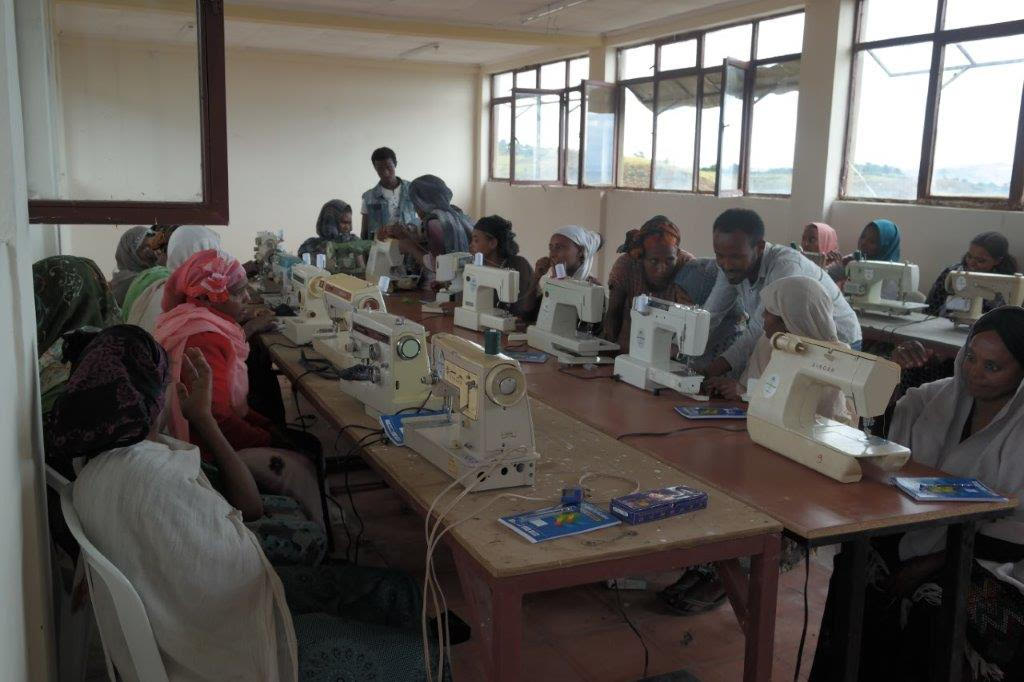
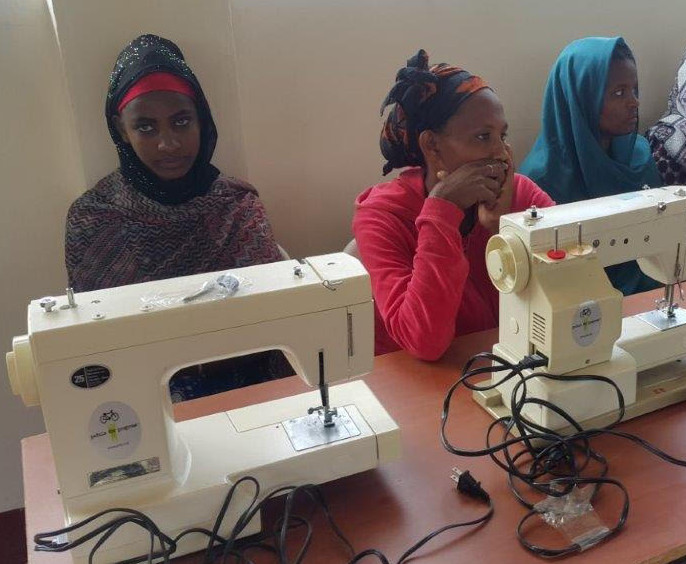
Finally I managed to start the sewing machine training for 25 women. I am so happy to inform you of this. It was so challenging to get this far.

They will have 21 days of training on sewing technique and then they will receive one sewing machine to start their own business.

Thank you so much again for your great help.

Best Regards,
Samson Tsegaye, Ethiopia Country Director
Stiftung Solarenergie—Solar Energy Foundation


In December 2018 we got this report on the successful completion of the latest training session.

Note from Kenya, 21 June 2018

Hello David,


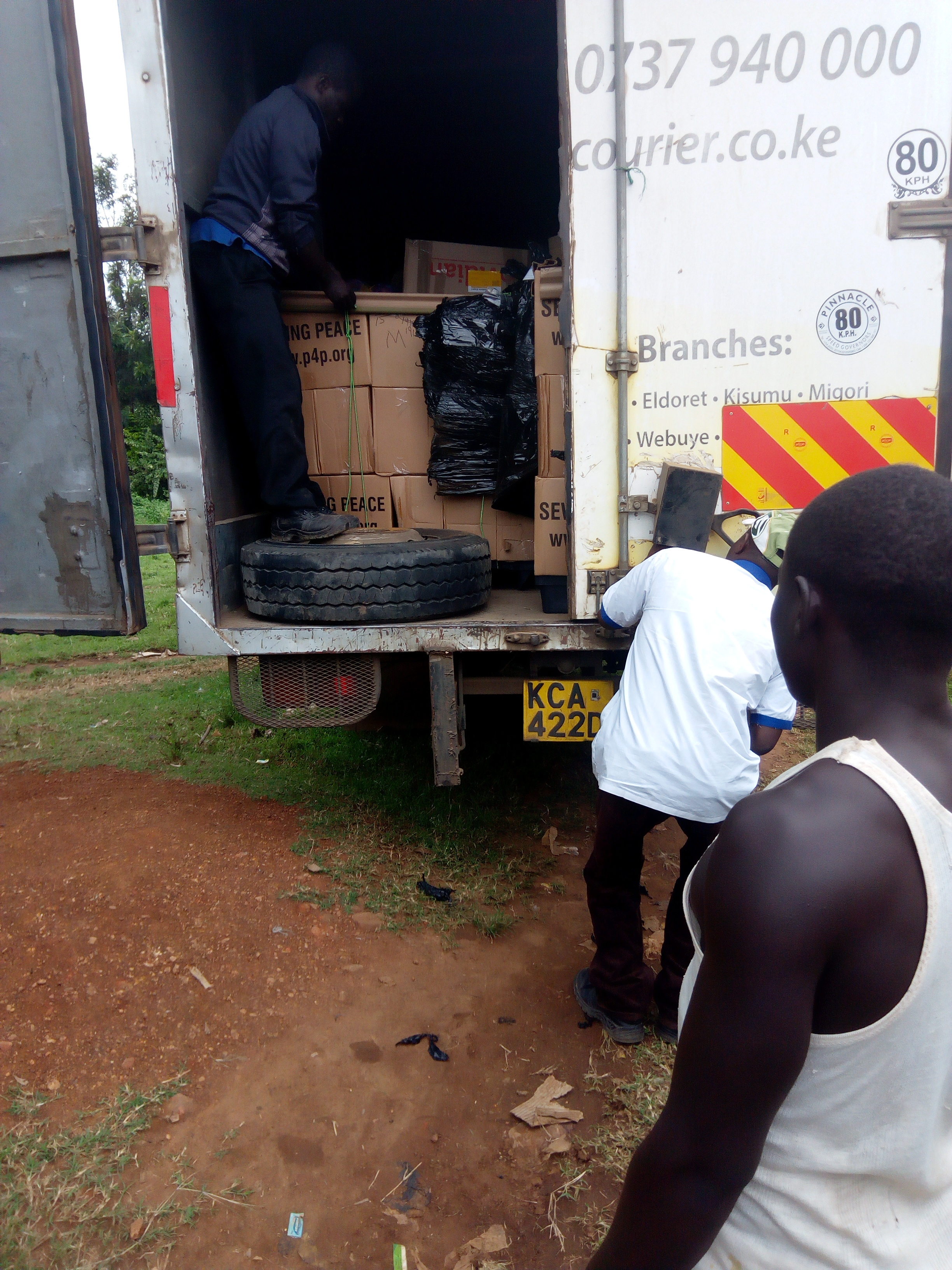
Kind greetings. This is to inform you that today the machines arrived at our project site. Thank you very much.

It took some time as the port was congested. Also the lack of preshipment inspection cost some delays.

Otherwise the machines are of great quality and excitement is all over the community with this great support.

I hereby send today’s reception images as we wait to embark on our program and our reporting on it.

Pass our sincere appreciation for the hands and sweat that went into this magnificent work. We are humbled.

Tom Ademba
Aid the Needy
Kenya

Report from Cameroon, Spring 2018

By Orock Eyong
Spring 2018

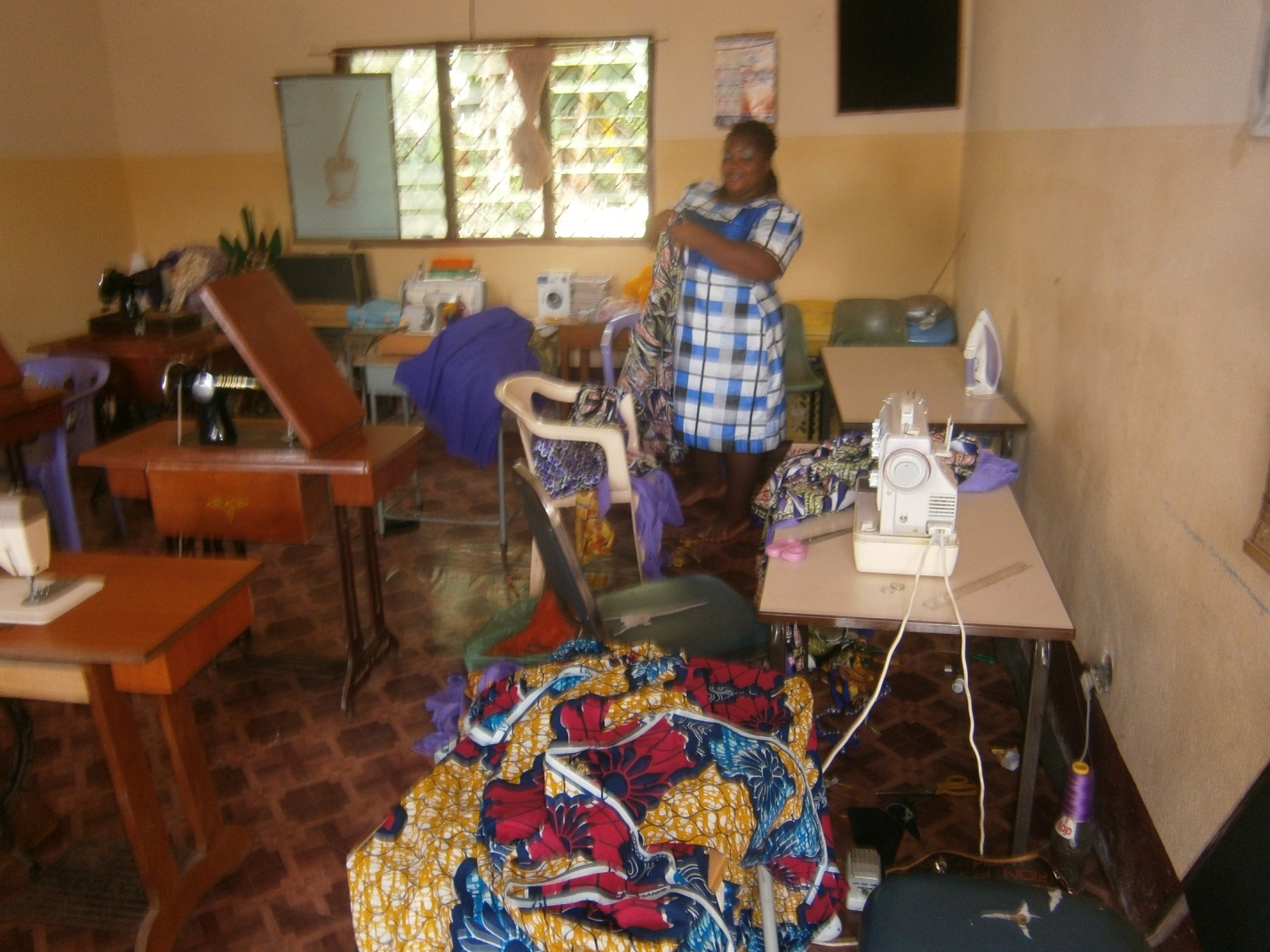
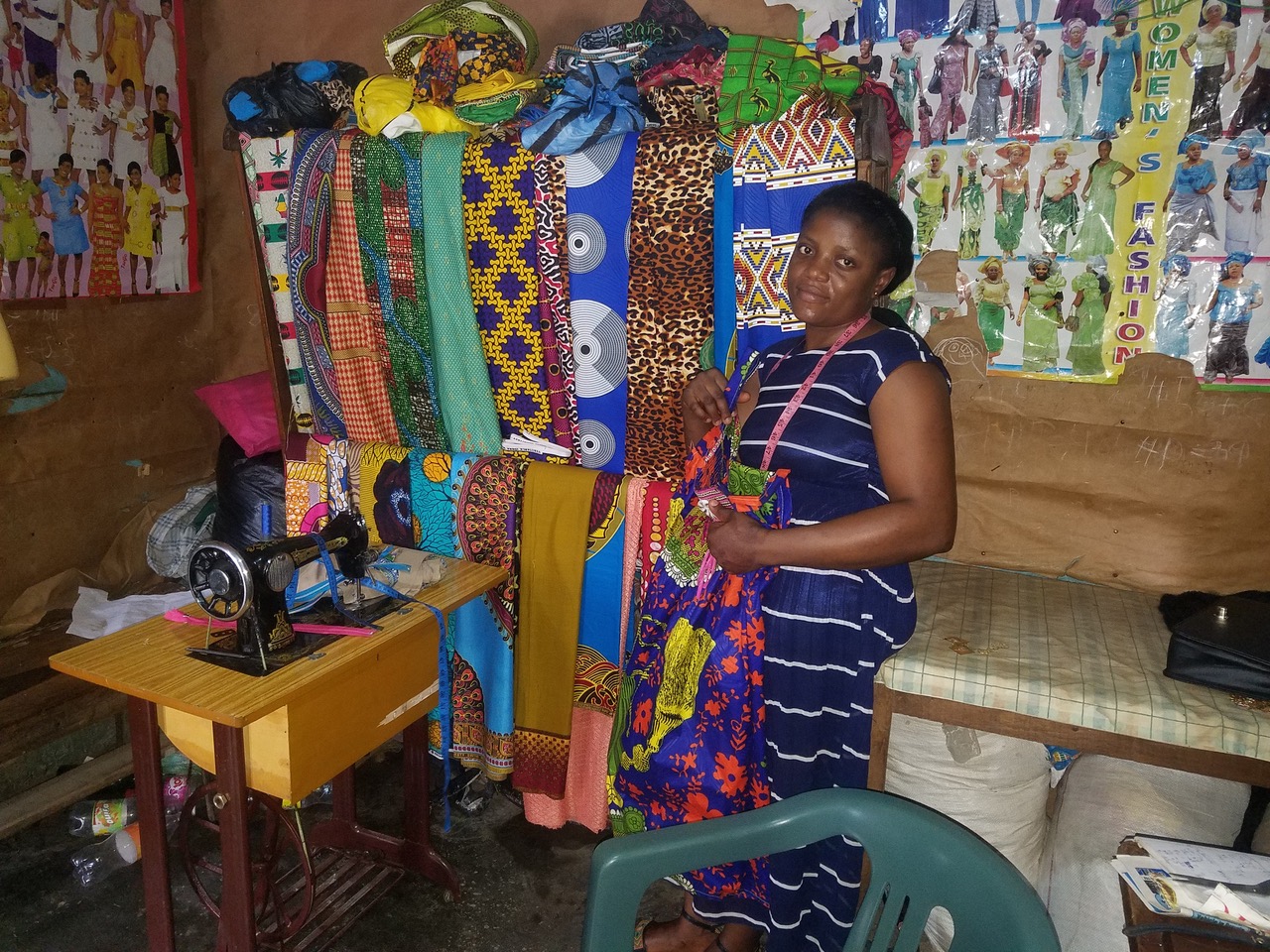
United Action for Children and Sewing Peace are implementing a One-Girl-One-Sewing-Machine project in the Buea and Mamfe communities. The project aims at promoting entrepreneurial skills to enable young girls and women to create employment. The program targets young girls and women who are just starting as well as those already established in the tailoring business.

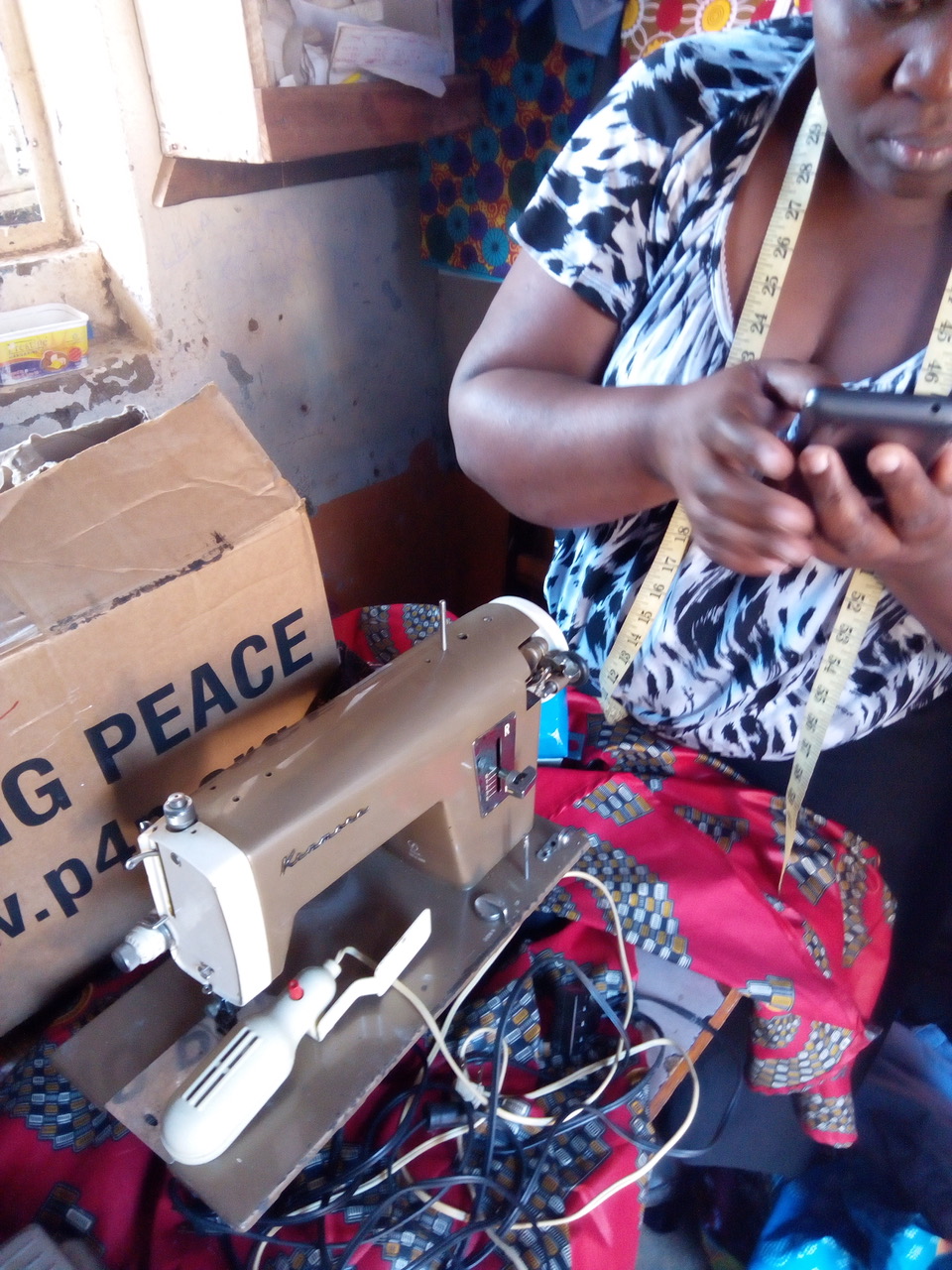
The zigzag sewing machine and other accessories sent by SP are very useful as they give the women experience in specialized sewing with different stitches. Some of the women have added new services because of the zigzag machine. The machine is a great favorite because it allows the women to do quick specialized tailoring while avoiding travel to use other machines that are costly and unreliable.

The stories from our beneficiaries are bitter–sweet. Though they earn a living from tailoring, they missed out on life experiences such as interacting with peers, being taken care of, and education. Such is the plight of many young girls from vulnerable families. They are forced to go into the labour market earlier in life to make ends meet. Since formal education is too costly for them, increasing accessibility to vocational skills is a good alternative. Through coaching, mentoring, and other training they can learn skills such as book keeping, costing and pricing, business planning, health and development.

UAC is excited and proud to bring these stories of the beneficiaries of the project.

Juliet Mungwa

My name is Juliet Mungwa and I am 31 years old. I dropped out of school from senior two because my parents didn’t have enough funds to keep me in school. Fortunately I had acquired the tailoring skill from a vocational institute. I was able to borrow a sewing machine from one of our family friends and I started tailoring. I have been tailoring for four years now. My clients, adult women and younger boys. I sew skirts, dresses, blouses and shorts. I earned between 25,000 FCFA (Central African CFA Franc) to 75,000 FCFA a month (U.S. $44 to U.S. $133). Thanks to two additional machines from SP, I am now between 50,000 FCFA and 100,000 FCFA (U.S. $89–$178). From this I am able to save 10,000 FCFA (U.S. $18) for myself, and I spend the rest on taking care of my 3 siblings since my mother cannot afford to take care of the family.

Loveline Aben

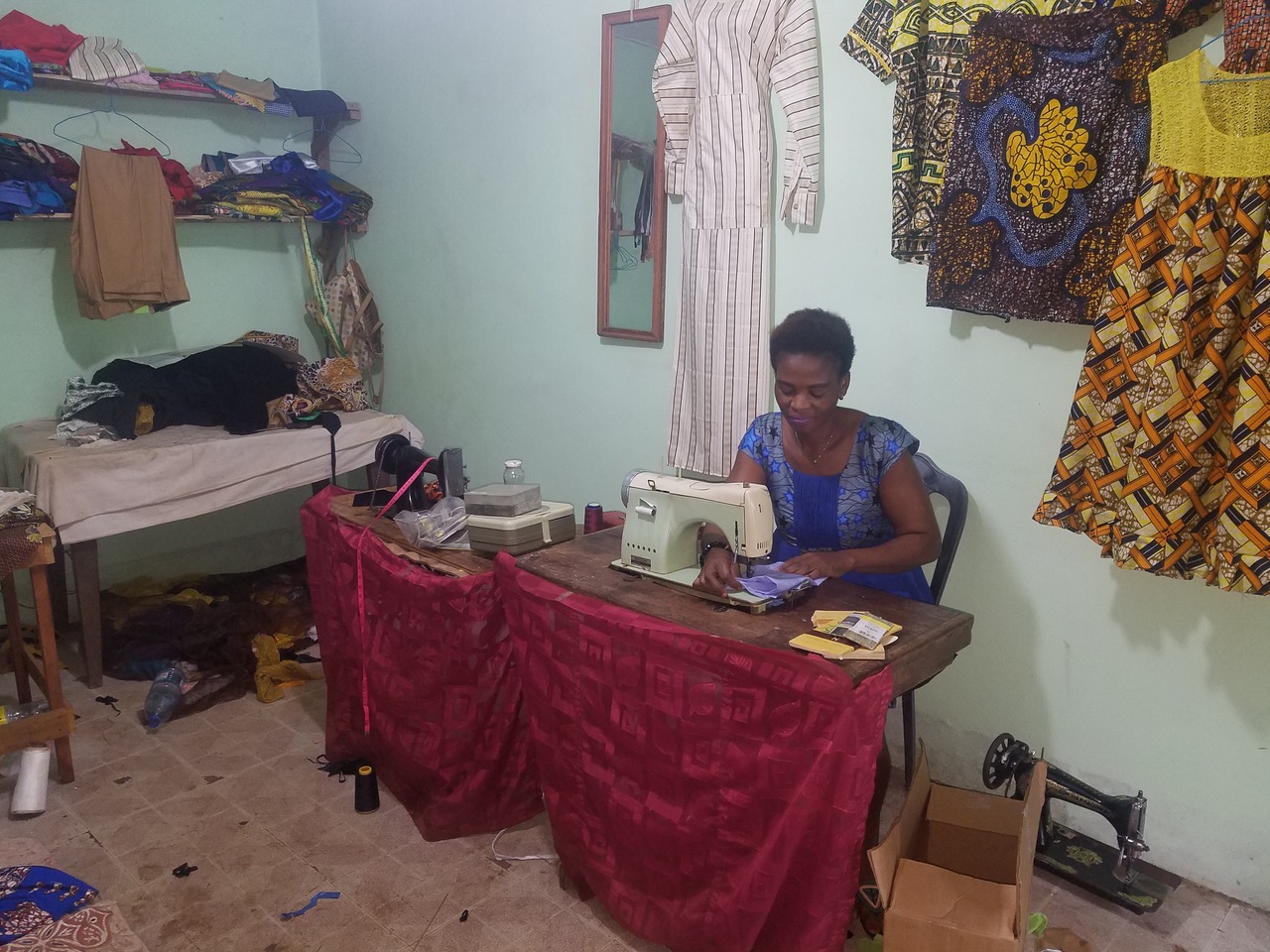
I am a 27-year-old single mother of five. Before the UAC/SP project I did not have enough money to buy the machines I needed to meet the demands of my customers. Because of donated machines from SP, I was able to increase the number of machines in my shop and keep up with demand. Thanks to the new machines, my income has increased and I am able to expand my shop and easily pay for food, health care, and the education of my children. I also reinvest part of my profits into the business to acquire working material. I get my orders from parents who bring the uniforms of their children. The photo shows some of the uniforms I tailored for a primary school.

My plan for the future is to get tenders from at least 3 schools to make uniforms. In that way I will have a stable clientele. I also want to get a new location in the trading centre where I can station my business to attract more clients. I hope to get some training in business planning, where my knowledge is limited. I am so grateful for the support given to us through the One-Girl-One-Sewing-Machine project.

Margaret Oyere

I am 35 years old and the mother of five children living in Bolifamba village community. After I completed my training, my husband, who is a subsistence farmer, bought me a manual sewing machine, which enabled me to establish a business as a seamstress in our community. I can now manage to work independently and save my own personal income instead of relying on my husband for daily and other needs. I am now able to assist my husband in the education of our children and taking care of their health.

Thanks to the donation of an electric sewing machine from SP through UAC, I can now promptly tailor modern dresses and all types of local casual/occasional wear for women and children. The machine has helped to boost my earnings and image before my customers. I now earn U.S. $35 per day without strain as compared to $25 before the new machine from SP. I am becoming a self-reliant, independent income earner.

P4P would like to thank the Clif Bar Family Foundation for their continuing support, that support allowed P4P to pay for the shipping costs of the first shipment of bicycles for our new program in Cameroon.

Progress and Peace in Uganda

By Patricia Hamill
Spring 2018

In July of 2017, Sewing Peace sent 73 refurbished sewing machines to the Mityana Open Troop Foundation (MOTF) & Vocational Project for their tailoring and designing workshops. The relationship with MOTF is a promising one and steadily growing. After the delivery, we were soon notified that these machines were put right to use and helped a number of participants earn their certificates of completion in the two-year program. Start-up machines were presented to graduates so they could move on to business ownership or employment in tailoring and sewing.

Participants, predominantly young men and women between 13 and 25 years old, are often those who have been orphaned young and have no family to depend on or those whose families cannot afford their education. Some teenagers are already parents themselves. Lack of job skills is inevitably a consequence of these factors as they have faced severe financial and social boundaries that prevent them from becoming independent earners. But with the continued availability of the vocational workshops and machines, the success rate grows and more of these people can reverse or mend their monetary dilemmas.

The vocational program does offer other courses such as hairdressing and hair weaves, carpentry and joinery, auto mechanics, agriculture, and animal husbandry, but the sewing courses are especially in demand. In July, the ratio of machines to people was 1:4, sometimes 1:5. With the additional machines, the current ratio of machine to participant in the workshops is now 1:3. According to Mathew Yawe, the Executive Director of Mityana Open Troop Foundation & Vocation Project and the country representative for Pedals For Progress/Sewing Peace in Uganda, a recent graduation ceremony that included the presentation of the sewing machines to the trainees who had completed their program “enticed and attracted more trainees from all the surrounding areas and they also brought in their children to study.” Many hope to join and to graduate with “nice sewing machines from [the] project.” The sewing department, last year, had a population of 30 trainees; this year, there was an increase to 45.

The sewing program has set up a shop in their town from which they sell some of the machines. The income enables them to pay the instructors and meet the shipping and customs costs.

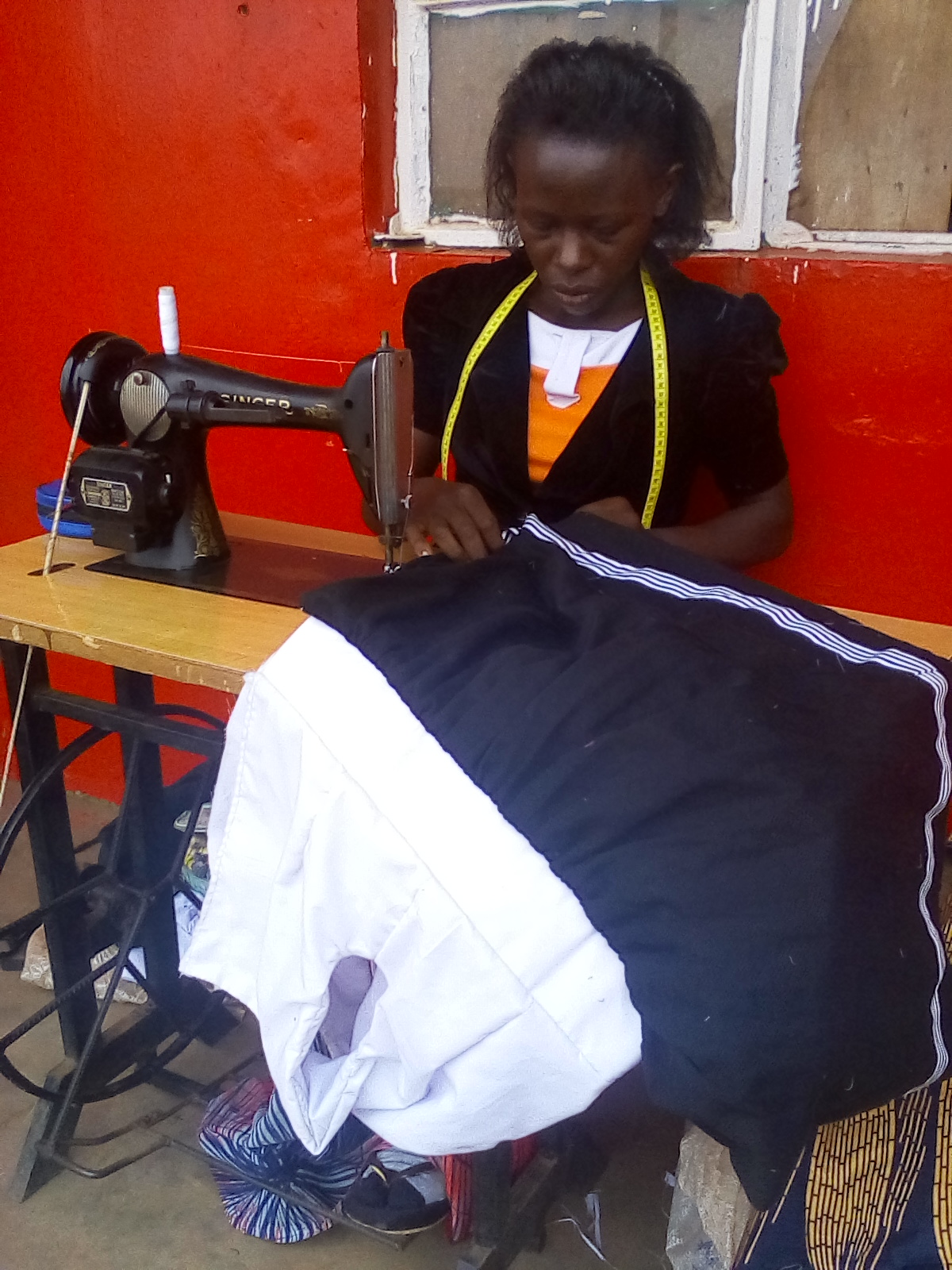
One of the graduates of 2017, Resty Masane, put her new sewing machine to work on the veranda of her parents’ home in Nalyankanja, an area about 18km (11 miles) from Mityana. This 20 year old joined the vocational project in 2015. She had completed her “primary seven,” which is the last of seven years of academic study before students move on to six years of secondary schooling, but her parents did not have enough money to send her for this next stage of studies. Her parents are farmers who manage to grow enough for home consumption and have just a little left to sell or trade in order to buy other requirements. In fact, Resty’s parents paid her sewing program fees by bartering beans—a reliable crop in their climate—and maize for her vocational studies. Something of value exchanged for something of value: It’s a win-win arrangement.

Resty’s contracts include making uniforms for a village secondary school and two village primary schools. She earns between 10,000 and 15,000 Ugandan shillings (approximately U.S. $2.65 to $4.00) Since she can make 3–5 uniforms a week and also do repairs for a fee, she has an income that is reliable and a skill that will remain in demand. To add to her success, she now pays school fees for her five siblings. Resty also puts the barter system to good use by providing some uniforms to a sister’s school in lieu of paying fees. Her income also helps defray the cost of medication for her family and enables her to maintain a phone, which of course lets her stay in touch with clients and schools.


Also in 2017, Ereth Nampijja, a 21-year-old woman, graduated after taking a tailoring and fashion design course. She lives in Busunju-Mityana, located 30km (about 19 miles) from Mityana. She had been a good student, moving from primary school to completing her O levels—the exams taken after the first 4 years of secondary school—but her family could not afford to send her for the critical last two years. As a result, she could not sit for the A levels (final exams) or graduate. It was then that she approached MOTF to participate in the vocational program. Two years later, Ereth’s ambition and effort cumulated in a certificate of completion and, with what help her parents could offer, she now has a three-month lease of a space in the market where she can repair or repurpose second-hand clothes to sell from her shop or via mobile vendors who take the goods to the rural villages to sell.

Ereth averages about 7,000 Ugandan shillings (approximately $1.85) per day. This newfound financial independence allows her to rent a room near her shop and provides her with daily meals. Like Resty, she can provide funds for medication and cover school fees for her brothers and sisters. Her goals are to grow her business and to have more room to store her machine and finished products safely from the elements.

As this article was being finalized, we heard from Mathew that the recent shipment of 64 more machines reached MOTF and were being made ready for the next class session. The heavy-duty machines especially pleased him because the orders for school uniforms can also be completed with the institutions’ embroidered emblems and garments made from heavy fabrics can also be made and mended as part of the graduates’ added services offered.

As is to be expected, there are ongoing challenges for the program. These, however, are a result of the progress it has made. This growth in enrollment means that the existing workshop is at maximum capacity and the instructors often have to create shelters outside under the trees where they set up the sewing machines for classes. With the better part of six months of the year bringing substantial rainfall, this makeshift environment is not a viable long-term option. MOTF is, as always, looking to the future and plans to be able to reinvest in and improve their facilities as they continue to sell machines and bicycles from Pedals for Progress. The record of success stories can only continue to expand from here.